
Uruguayan Women Wage Gap: Education and Disparity | Althox
The issue of the gender wage gap remains a critical challenge globally, and Uruguay is no exception. Recent reports highlight a concerning trend where Uruguayan women, despite achieving higher levels of education, continue to face a significant income disparity compared to their male counterparts. This phenomenon not only underscores persistent inequalities but also raises questions about the effectiveness of education as a sole equalizer in the labor market.
According to a comprehensive report by the Institute of Women in Uruguay, the average Uruguayan woman perceives only 69% of the income received by a man. This gap is not static; it tends to widen with the increasing age of women, suggesting a cumulative disadvantage over their careers. The study, which has observed a stable trend over the last decade, challenges conventional wisdom that higher education automatically translates into proportional economic gains for women.
- Persistent Disparity: Uruguayan women earn significantly less than men on average.
- Education Paradox: Higher education for women does not proportionally close the wage gap.
- Age Factor: The income difference tends to increase as women age.
- Public Sector Exception: The only area where wage equality is largely observed.
Table of Contents
- The Paradox of Education and Wage Disparity in Uruguay
- Statistical Overview: The Uruguayan Wage Gap
- Factors Contributing to the Gender Wage Gap
- Legal Framework and Public Sector Equality
- Socioeconomic Implications and Women's Economic Empowerment
- Strategies for Closing the Wage Gap
- Future Outlook and Policy Recommendations
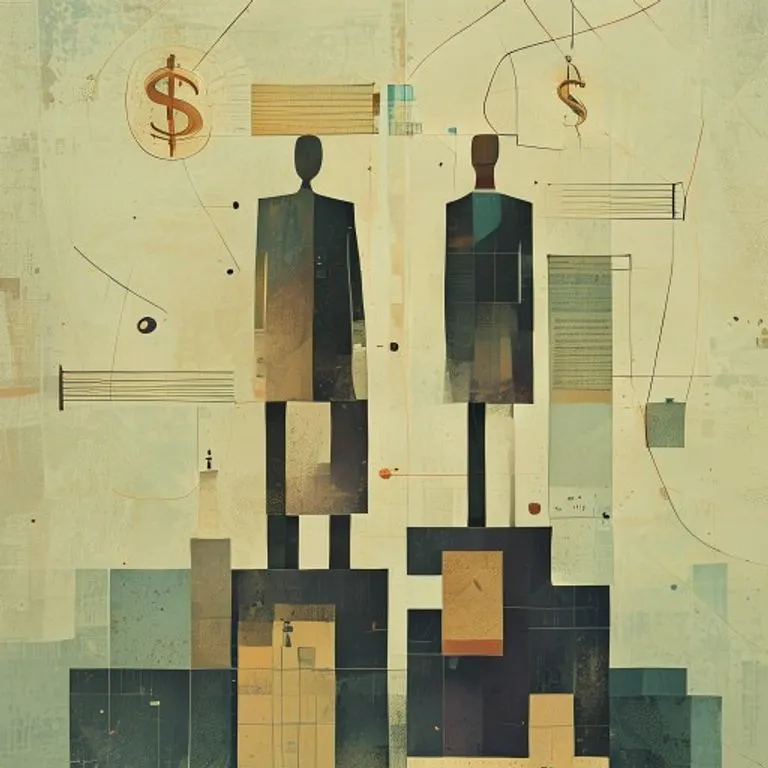
Conceptual digital art illustrating the Space Law: Extraterrestrial Resources, Sovereignty, New Frontier for educated women in Uruguay, showing unequal platforms and academic symbols.
The Paradox of Education and Wage Disparity in Uruguay
The report, titled "Inequalities in income, what is the economic empowerment of women?", brings to light a critical paradox within the Uruguayan labor market. While education is widely considered a pathway to upward mobility and increased earnings, for women in Uruguay, higher educational attainment does not translate into proportionate wage parity with men. This finding challenges the assumption that simply increasing women's educational qualifications will automatically resolve the gender wage gap.
Specifically, the study reveals that women with a college education earn only 73.9% of what a man with similar studies perceives. This percentage is notably lower than for women with less education; for instance, those with only three years of study gain 84.4% compared to men, and those with 10 to 12 years of study earn 75.7%. This suggests that the mechanisms perpetuating the wage gap are more complex than just educational levels, implicating systemic issues within the private sector.
The implication is profound: even when women invest more in their human capital through education, they face greater hurdles in translating that investment into equitable economic returns. This disparity can lead to frustration, underutilization of talent, and broader socioeconomic consequences for women and their families. It highlights the need to look beyond educational attainment and address the underlying structural and cultural barriers.
Statistical Overview: The Uruguayan Wage Gap
The overall statistical picture painted by the report is stark. Uruguayan women, on average, earn only 69% of what men earn, a difference that has remained stubbornly stable over the past decade. This stability indicates that existing policies and societal changes have not been sufficient to significantly narrow this gap, pointing to deep-seated issues that require targeted intervention.
Furthermore, the report highlights the vulnerability of women in the labor market by revealing that 18% of Uruguayan women aged 14 years or more do not have any personal income of their own. This figure escalates to 26% among women belonging to the poorest sectors of society, underscoring how economic inequality disproportionately affects those already marginalized. This lack of personal income severely limits their economic autonomy and overall well-being.
The age factor also plays a crucial role, with the wage gap increasing as women get older. This could be attributed to various factors such as career breaks for child-rearing, slower career progression, or age-related discrimination compounding existing gender biases. Understanding these statistical nuances is essential for developing effective strategies to promote Female Hormonal Biohacking: Longevity, Well-being Strategies.

Cinematic still life of a vintage calculator and scattered coins on a desk, with a newspaper highlighting Biohacking Hormonal Femenino: Equilibrio, Bienestar, Longevidad.
Comparative Wage Gap by Educational Level (Uruguay)
| Educational Level (Years of Study) | Women's Income as % of Men's Income |
|---|---|
| 3 Years of Study | 84.4% |
| 10-12 Years of Study | 75.7% |
| College Education | 73.9% |
| Overall Average | 69% |
Factors Contributing to the Gender Wage Gap
The persistence of the gender wage gap, particularly its exacerbation for highly educated women, can be attributed to a confluence of complex factors. These include deeply ingrained societal norms, structural biases within the labor market, and the unequal distribution of care responsibilities. Understanding these contributing elements is crucial for devising effective interventions.
- Occupational Segregation: Women are often concentrated in lower-paying sectors or roles, even within highly skilled professions. This horizontal and vertical segregation limits their access to higher-earning opportunities.
- Motherhood Penalty: The impact of childbearing and childcare responsibilities often leads to career breaks, reduced working hours, and slower career progression for women, directly affecting their lifetime earnings.
- Unpaid Care Work: Women disproportionately bear the burden of unpaid care work, such as household chores and caring for family members. This limits their availability for full-time employment or career advancement.
- Discrimination: Explicit or implicit biases in hiring, promotion, and salary negotiation processes continue to disadvantage women. This can manifest as undervaluation of women's skills or a preference for male candidates in certain roles.
- Negotiation Gaps: Societal expectations and gender stereotypes can influence women's confidence and willingness to negotiate for higher salaries, contributing to initial pay disparities that compound over time.
- Glass Ceiling: Invisible barriers prevent women from reaching top-level, higher-paying positions, regardless of their qualifications or experience. This limits their access to executive salaries and decision-making power.
These factors often interact in complex ways, creating a multifaceted challenge that cannot be addressed by a single solution. For instance, occupational segregation might be reinforced by societal expectations about Biohacking Digestivo Atletas Élite: Microbioma, Rendimiento Deportivo, while the motherhood penalty can be exacerbated by a lack of supportive public policies for childcare.
Legal Framework and Public Sector Equality
One of the most notable findings of the Uruguayan report is the role of the public sector as an anomaly in the landscape of wage disparity. The public sector is identified as the only area where there is virtually no wage discrimination, ensuring equal remuneration per hour of work for men and women performing the same tasks. This stark contrast with the private sector offers valuable insights into potential solutions.
The equality observed in the public sector is often attributed to several factors. These typically include standardized pay scales, greater transparency in salary structures, and robust anti-discrimination policies. Public sector jobs are frequently subject to collective bargaining agreements and clear regulatory frameworks that minimize discretionary pay decisions, which can be a source of bias in the private sector.
"The public sector is the only one where there is no wage discrimination and equal remuneration per hour of work."
Uruguay has various legal instruments aimed at promoting gender equality and non-discrimination in the workplace. For instance, laws related to equal opportunities and treatment in employment, as well as those protecting maternity and paternity, are in place. However, the report suggests that the enforcement and impact of these laws differ significantly between the public and private spheres, indicating a need for stronger implementation and oversight in the latter.

Watercolor painting of a balance scale showing unequal weighting between books and a coin, symbolizing the imbalance of AI Preventive Medicine: Diagnosis, Longevity, Personalized Treatments.
Socioeconomic Implications and Women's Economic Empowerment
The gender wage gap has far-reaching socioeconomic implications that extend beyond individual women to affect households, communities, and the national economy. When women earn less for equal work, their financial independence is compromised, limiting their ability to make autonomous decisions about their lives and contribute fully to their families' well-being. This can perpetuate cycles of poverty, especially in female-headed households.
From a broader economic perspective, the wage gap represents an inefficient allocation of human capital. When highly educated women are underpaid or underutilized, society loses out on their full productive potential. This can hinder economic growth, innovation, and overall societal development. Addressing the wage gap is therefore not just a matter of social justice but also an economic imperative.
The concept of "economic empowerment" for women, as highlighted in the report, involves not only access to income but also control over resources and the ability to make strategic life choices. A persistent wage gap undermines this empowerment, reinforcing traditional gender roles and limiting women's agency. True empowerment requires addressing both the income disparity and the underlying power imbalances.
- Reduced Financial Independence: Limits women's autonomy and decision-making.
- Increased Poverty Risk: Especially for female-headed households.
- Underutilization of Talent: Society loses out on women's full productive potential.
- Hindered Economic Growth: Inefficient allocation of human capital negatively impacts national development.
- Reinforced Gender Roles: Perpetuates traditional expectations about women's economic contributions.
Strategies for Closing the Wage Gap
Closing the gender wage gap in Uruguay, particularly for educated women, requires a multi-faceted and sustained approach. Drawing lessons from the public sector's success and addressing the identified contributing factors, several strategies can be implemented to foster greater equity in the labor market.
One key area is policy intervention. This includes strengthening and enforcing equal pay legislation, promoting pay transparency in the private sector, and potentially implementing quotas or targets for women in leadership and higher-paying roles. Policies that encourage flexible work arrangements and provide affordable, high-quality childcare are also crucial for mitigating the motherhood penalty and supporting women's continuous participation in the workforce.
- Enhanced Policy Enforcement: Strengthen existing equal pay laws and ensure rigorous enforcement in all sectors.
- Pay Transparency: Mandate companies to disclose salary ranges or average pay by gender to identify and address disparities.
- Support for Work-Life Balance: Expand access to parental leave, affordable childcare, and flexible working options to support women's careers.
- Challenging Occupational Segregation: Promote education and training for women in traditionally male-dominated, higher-paying fields (e.g., Neurotechnology Mental Health: Brain Empowerment, Disorder Combat).
- Anti-Discrimination Measures: Implement robust anti-discrimination policies in hiring, promotion, and performance evaluation processes.
- Awareness and Advocacy: Launch public awareness campaigns to challenge gender stereotypes and biases in the workplace and society at large.
- Collective Bargaining: Support labor unions and collective bargaining efforts to advocate for fair wages and working conditions for all.
Beyond policy, fostering a cultural shift is essential. This involves challenging unconscious biases, promoting mentorship and sponsorship for women, and creating inclusive workplace cultures that value diversity and equity. Education and awareness campaigns can help dismantle stereotypes that limit women's career choices and earning potential.
Future Outlook and Policy Recommendations
The future outlook for closing the gender wage gap in Uruguay depends heavily on the concerted efforts of government, the private sector, and civil society. While the stability of the gap over the last decade is disheartening, the detailed insights from the Institute of Women's report provide a clear roadmap for action. It is imperative that Uruguay moves beyond acknowledging the problem to implementing comprehensive and measurable solutions.
Key policy recommendations should include a thorough review of existing labor laws to identify gaps in gender pay equity enforcement, particularly in the private sector. Incentivizing companies to adopt transparent pay practices and offering subsidies for childcare services could significantly alleviate the burden on working mothers. Furthermore, investing in educational programs that challenge gender stereotypes from an early age can help shape future generations with more equitable perceptions of work and value.
Continuous monitoring and data collection are also vital. Regular reporting on the gender wage gap, disaggregated by education level, age, and sector, will allow policymakers to track progress and adjust strategies as needed. By adopting a holistic approach that combines legal reforms, economic incentives, and cultural shifts, Uruguay has the potential to become a leader in achieving genuine Metaverse Digital Law: Property, Identity, Jurisdiction, ensuring that all its citizens, regardless of gender, can fully realize their economic potential.
Fuente: Contenido híbrido asistido por IAs y supervisión editorial humana.


Comentarios