
In The Closet: Jackson's Himno a la Privacidad | Althox
Lanzada en 1992 como parte del innovador álbum Dangerous de 1991, "In The Closet" de Michael Jackson trasciende el concepto de un simple éxito pop. Esta canción se erige como una profunda declaración artística, una respuesta meticulosamente elaborada a la incesante escrutinio mediático que persiguió al Rey del Pop a lo largo de su vida. La pista entrelaza magistralmente un potente mensaje sobre el derecho universal a la privacidad con los contagiosos e innovadores sonidos del New Jack Swing.
Desafía la percepción pública e invita a los oyentes a un mundo celosamente guardado donde la intimidad y el desafío coexisten. La creación de la canción fue tan intrigante como su contenido, marcada por una colaboración con Madonna que fue abortada y que culminó en una obra que consolidó la evolución de Jackson hacia un artista más maduro, complejo y confrontacional. "In The Closet" sigue siendo una pieza crucial para comprender la psique artística de Michael Jackson durante un período de inmensa presión.
Ejemplifica perfectamente su genio para fusionar el agudo comentario social con ritmos irresistibles, creando música que era simultáneamente provocadora y bailable. Al diseccionar sus orígenes, estructura sónica y legado cultural, podemos apreciar más profundamente una canción que no fue solo un éxito en las listas. Fue una audaz declaración de identidad de una de las figuras más enigmáticas de la música, especialmente durante la era de Dangerous, encarnando la intensidad artística y personal reflejada en "In The Closet".
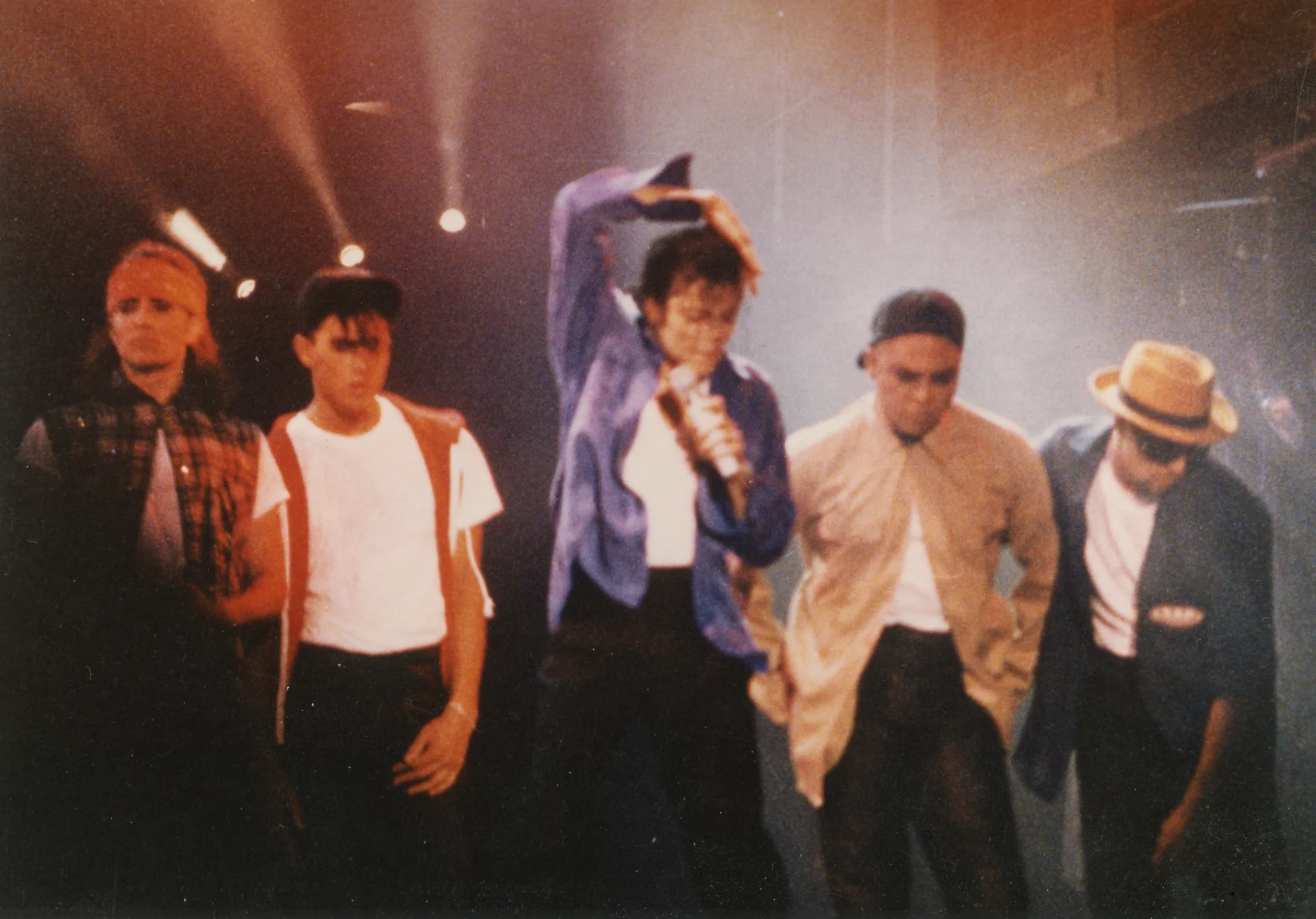
La figura icónica durante su era más desafiante, reflejando la intensidad de su mensaje de privacidad.
Índice de Contenido
- La Génesis de una Declaración: Privacidad y Desafío Lírico
- Arquitectura Sónica: Forjando la Revolución New Jack Swing
- Maestría Visual y el Impacto Cultural del Videoclip
- Legado y Relevancia en la Era Digital
- Capas Ocultas: Simbolismo e Interpretación Profunda
- Técnicas de Producción e Innovación Musical
La Génesis de una Declaración: Privacidad y Desafío Lírico
La creación de "In The Closet" nació del crisol de una intensa fascinación pública y una cultura de tabloides invasiva que rodeaba al influyente artista. Concebida como una respuesta directa, aunque artísticamente velada, a los incesantes rumores y especulaciones sobre su vida personal, relaciones y sexualidad, la canción permitió al artista transformar la agitación personal en arte universal. Él elaboró una narrativa que hablaba del profundo deseo humano de intimidad y la profunda frustración de ver ese deseo escudriñado bajo un microscopio global.
Esta pista fue un acto desafiante de reclamar su propia historia, convirtiendo las ansiedades privadas en un poderoso himno sobre los deseos ocultos y el derecho a un santuario personal. Este tema resuena profundamente en la discusión moderna sobre la relación entre la celebridad y la privacidad, haciendo que el mensaje de la canción sea atemporal. El artista, un maestro de la metáfora, utilizó la frase titular para representar cualquier aspecto sagrado y privado de la vida de uno que merece protección del juicio.
Uno de los capítulos más legendarios en la historia de la canción es la colaboración planeada con la icónica Madonna. La perspectiva de que el Rey y la Reina del Pop se unieran en una pista tan provocativa creó un revuelo sísmico en el mundo de la música. Sin embargo, la asociación se disolvió debido a diferencias creativas fundamentales, principalmente la visión reportada de Madonna para una dirección lírica más explícita y sexualmente abierta. Esto chocó significativamente con la preferencia del artista por la ambigüedad y la metáfora, lo que lo llevó a alejarse de lo que habría sido un evento cultural garantizado.
Su decisión subrayó su inquebrantable integridad artística y su insistencia en controlar su narrativa, favoreciendo un mensaje matizado que invitaba a la interpretación en lugar de una declaración simple y sensacionalista. Este momento es un testimonio de su visión artística y su compromiso con sus límites personales, incluso a costa de una oportunidad comercial masiva. En última instancia, las letras de "In The Closet" emplean la frase titular como una metáfora amplia para cualquier aspecto sagrado y privado de la vida de uno que merece protección del juicio.
Si bien el término a menudo se asocia con la sexualidad, el uso que le dio el artista trasciende ese significado único, hablando de emociones ocultas, amores secretos o cualquier parte del yo que permanece oculta. El diálogo susurrado y seductor con la "Chica Misteriosa", famosa por la voz de la Princesa Estefanía de Mónaco, realza este tema de un mundo secreto y compartido. Líneas como "If it's wrong then just let me be wrong / Don't you stand there and judge me" no son meras súplicas románticas, sino un desafío directo a la audiencia y a los medios. Demandan empatía sobre la condena y afirman el derecho fundamental a la privacidad, haciendo eco de un sentimiento que sigue siendo relevante en la sociedad contemporánea, donde las vidas personales son a menudo espectáculos públicos. La profundidad lírica de la canción invita a los oyentes a reflexionar sobre sus propios límites y la importancia de proteger su santuario interior.
Arquitectura Sónica: Forjando la Revolución New Jack Swing
"In The Closet" es un ejemplo primordial del innovador paisaje sonoro que el artista exploró en el álbum Dangerous, en gran parte gracias a su colaboración con el productor Teddy Riley. Riley, a menudo aclamado como el arquitecto del New Jack Swing, elaboró una potente fusión de melodías tradicionales de R&B con los ritmos contundentes del hip-hop y el pulido del pop. Este género proporcionó el vehículo perfecto para el tema vanguardista y confrontacional de la canción, permitiendo al artista llevar su sonido a nuevos territorios.
La pista capta inmediatamente al oyente con un ritmo potente y percusivo y una línea de bajo profunda y pulsante, sellos distintivos del estilo de producción de Riley. Este sonido agresivo pero elegante fue un paso deliberado lejos del pop pulido de los años 80, señalando el compromiso del artista con la evolución musical y su dedo en el pulso del sonido urbano contemporáneo. Los intrincados ritmos y grooves fueron diseñados para ser complejos e irresistiblemente bailables, una firma del movimiento New Jack Swing.

Un bodegón conceptual que evoca la producción sonora y la innovación de la época.
La instrumentación es una clase magistral en la producción de principios de los 90, presentando un denso tapiz de sintetizadores en capas, programación nítida de cajas de ritmos y muestras vocales sutiles y rítmicas. Cada elemento sónico se coloca meticulosamente, desde los nítidos hi-hats hasta los pads de sintetizador atmosféricos, creando un groove que es a la vez complejo e irresistiblemente bailable. Este intrincado arreglo proporciona un telón de fondo rico y texturizado para las voces del artista, permitiendo que su interpretación se destaque con claridad y poder, mostrando la sinergia entre artista y productor.
Las técnicas de ingeniería de sonido utilizadas fueron de vanguardia para su época, y su influencia todavía se puede escuchar en el R&B y el pop de hoy, mostrando el impacto duradero de esta colaboración. El uso innovador de Riley de muestreo y síntesis digital creó un sonido que era a la vez futurista y profundamente arraigado en las tradiciones de la música urbana. El rango dinámico de la pista y la intrincada estratificación establecieron un nuevo estándar para la producción pop, demostrando que el éxito comercial podía lograrse sin sacrificar la experimentación artística.
La entrega vocal del artista en la pista es un tour de force de emoción y habilidad técnica. Se mueve sin problemas de un susurro seductor y entrecortado en los versos a un grito crudo, casi gutural en el coro, transmitiendo un espectro de sentimientos desde el anhelo hasta la frustración. Sus ad-libs, clics y jadeos percusivos característicos se utilizan no solo como adornos, sino como componentes rítmicos integrales de la canción, lo que se suma a su compleja textura. La dinámica de llamada y respuesta con la "Chica Misteriosa" crea una convincente sensación de intimidad y tensión, atrayendo al oyente más profundamente al mundo privado de la canción. Esta superposición vocal muestra su capacidad inigualable para usar su voz como un instrumento multifacético, impulsando tanto el ritmo de la canción como su narrativa emocional, un talento también evidente en pistas como la introspectiva "Human Nature". La interacción entre las voces masculina y femenina añade otra capa de intriga, reforzando el tema de un secreto compartido.
Maestría Visual y el Impacto Cultural del Videoclip
El videoclip de "In The Closet", dirigido por el legendario fotógrafo Herb Ritts, fue tan artísticamente significativo como la propia canción. Filmado en una paleta austera de tonos sepia en el desierto californiano, el video coprotagonizó a la supermodelo Naomi Campbell y presentó una narrativa de deseo intenso e inexpresado. Ritts abandonó una historia convencional en favor de un baile altamente estilizado y sensual entre el artista y Campbell, creando una obra maestra visual.
Su coreografía fluida y apasionada transmitió una conexión cruda y primal que reflejaba perfectamente los temas de intimidad oculta y desafío de la canción. El escenario aislado del desierto amplificó la idea de un santuario privado, un mundo lejos de las miradas indiscretas, haciendo del visual una poderosa extensión del mensaje lírico. La elección de la ubicación y la estética minimalista subrayaron la emoción cruda y la vulnerabilidad expresadas en la canción, creando una metáfora visual para el propio "armario".
El impacto del video fue monumental, cimentando el estatus icónico de la canción y estableciendo un nuevo estándar para los visuales musicales. La innegable química entre el artista y Campbell se convirtió en un importante tema de conversación cultural, mientras que la estética minimalista y de alta costura de Ritts elevó el video a una pieza de arte cinematográfico. Demostró el compromiso continuo del artista con la superación de los límites del formato del videoclip, demostrando una vez más que era un artista completo que entendía el poder de la narración visual. El video se volvió inseparable de la canción, dando forma a cómo las audiencias interpretaban sus temas y asegurando su lugar en el panteón de los grandes videoclips. Esta maestría visual es una parte clave del legado perdurable del artista, mostrando su capacidad para fusionar música, danza y arte visual en una declaración cohesiva e impactante. Las audaces imágenes y los matices sensuales del video provocaron discusiones, amplificando aún más el mensaje de la canción sobre la libertad y la expresión personal.
Legado y Relevancia en la Era Digital
El legado perdurable de "In The Closet" es multifacético y sigue resonando hoy en día. Musicalmente, su adopción del New Jack Swing ayudó a impulsar el género a la corriente principal global, influyendo en innumerables artistas de R&B y pop en los años siguientes. La producción innovadora de la pista y su complejidad rítmica allanaron el camino para futuras exploraciones sónicas en la música popular, estableciendo un nuevo punto de referencia para lo que una canción pop podía lograr.
Temáticamente, sigue siendo una declaración conmovedora y relevante sobre el conflicto entre la persona pública y el yo privado, un tema que se ha vuelto aún más pertinente en la era de las redes sociales. En una época en la que las vidas personales se curan y escudriñan constantemente en línea, la súplica de la canción por un santuario personal se siente más urgente que nunca. Habla de la necesidad humana universal de proteger una parte sagrada de uno mismo del juicio y la intrusión externos.

Una representación visual de la fragilidad de la privacidad en el mundo conectado de hoy.
La canción es un testimonio del coraje del artista para abordar su realidad a través de su arte, creando una obra que fue tanto una defensa personal como un himno universal. Su voluntad de confrontar la naturaleza invasiva de la fama a través de su música cimentó su estatus no solo como un artista, sino como un artista con una profunda comprensión de la condición humana. "In The Closet" demuestra la capacidad del artista para transformar sus luchas personales en arte que habla a una audiencia global.
Continúa resonando con los oyentes que alguna vez han sentido la necesidad de proteger una parte de sí mismos del mundo exterior, asegurando su atractivo atemporal y solidificando su lugar como una piedra angular de la era Dangerous. El mensaje de autoaceptación de la canción y el derecho a definir la propia narrativa sigue siendo poderoso, inspirando a las personas a abrazar su yo auténtico a pesar de las presiones sociales. Su impacto cultural se extiende más allá de la música, tocando conversaciones más amplias sobre identidad, ética mediática y libertad personal.
Capas Ocultas: Simbolismo e Interpretación Profunda
Más allá de su atractivo musical inmediato, "In The Closet" es rica en capas simbólicas que invitan a una interpretación profunda. La metáfora central del "armario" es deliberadamente ambigua, lo que permite una amplia gama de conexiones personales. Si bien a menudo se asocia con la sexualidad oculta, el uso que le dio el artista expande esto para abarcar cualquier aspecto de la identidad, las emociones o las relaciones que uno elige mantener en privado de la vista pública.
Esta ambigüedad es un testimonio del genio artístico del artista, lo que permite que la canción hable a diversas audiencias que enfrentan diferentes formas de juicio o presión social. El "armario" se convierte en un santuario, un lugar de autenticidad donde uno puede ser verdaderamente uno mismo sin temor a la condena externa. Este tema universal de proteger el mundo interior es lo que le da a la canción su poder y relevancia duraderos.
El diálogo entre el artista y la "Chica Misteriosa" complica y enriquece aún más este simbolismo. Sugiere un secreto compartido, una comprensión mutua entre dos individuos que eligen habitar un espacio privado lejos de las miradas indiscretas del mundo. Esta dinámica puede interpretarse como una conexión romántica, un vínculo platónico o incluso un diálogo interno dentro de uno mismo, destacando la naturaleza multifacética de la privacidad y la intimidad.
El tono desafiante, particularmente en líneas como "Don't you stand there and judge me", transforma la canción de una simple declaración de privacidad en un poderoso desafío a las normas y expectativas sociales. Afirma el derecho humano fundamental a la autodeterminación y la libertad de definir la propia verdad, independientemente de las presiones externas. Este aspecto confrontacional añade una capa de fuerza y resiliencia al mensaje de la canción, convirtiéndola en un himno para la liberación personal.
La intrincada estructura lírica de la canción y la profundidad emocional de la interpretación del artista crean una narrativa que es a la vez personal y universalmente identificable. Invita a los oyentes a reflexionar sobre sus propias experiencias con la privacidad, el juicio y el deseo de una conexión auténtica. Esta cualidad introspectiva asegura que "In The Closet" siga siendo una pieza de arte convincente y provocadora, que continuamente provoca nuevas interpretaciones y discusiones.
Técnicas de Producción e Innovación Musical
La producción de Teddy Riley en "In The Closet" fue una clase magistral de innovación musical, empujando los límites del R&B y el pop contemporáneos. La pista se caracteriza por su uso intensivo de síntesis digital y muestreo, que fueron centrales para el sonido New Jack Swing. Riley superpuso meticulosamente patrones de caja de ritmos, a menudo con los icónicos sonidos de Roland TR-808 y TR-909, con intrincadas líneas de bajo para crear un ritmo impulsor y propulsor que era instantáneamente reconocible.
El uso de reverberación con puerta (gated reverb) en la batería y otros instrumentos, una técnica popular a finales de los 80 y principios de los 90, le dio a la pista un sonido distintivo y contundente. Los sintetizadores, particularmente los de fabricantes como Korg y Yamaha, se emplearon para crear pads atmosféricos, stabs nítidos y ganchos melódicos que se entrelazaban con la voz principal. Esta combinación de elementos creó una textura sonora rica y compleja, que se convirtió en un sello distintivo del género.
La meticulosa atención al detalle en la mezcla y masterización aseguró que cada capa de sonido fuera clara y potente, contribuyendo a la energía general de la canción. La ingeniería de sonido de "In The Closet" no solo demostró la habilidad técnica de Riley, sino también su visión para fusionar la tecnología con la emoción. El resultado fue una pista que no solo dominó las listas, sino que también dejó una marca indeleble en la evolución de la música popular, influyendo en generaciones de productores y artistas.
Fuente: Contenido híbrido asistido por IAs y supervisión editorial humana.


Comentarios