
Covers Footwear History: Ancient Sole Protectors | Althox
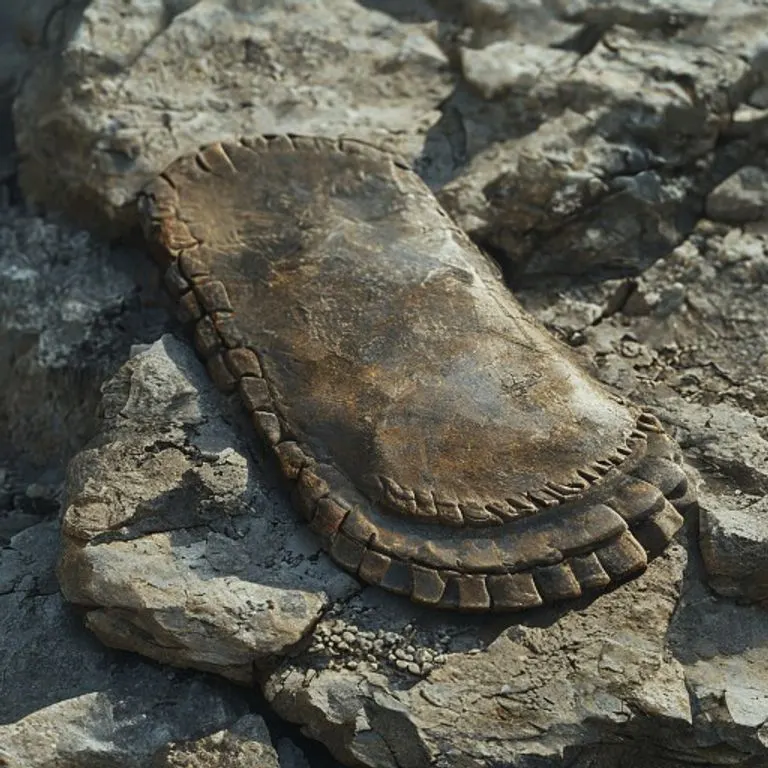
The term "covers" carries a fascinating duality in its meaning, particularly when explored through the lens of historical footwear and broader linguistic application. Originally, and in specific historical contexts, "covers" referred to a rudimentary form of footwear, akin to sandals or ancient shoes, designed primarily to shield only the soles of the feet. These early foot protections were typically secured with laces or cords crisscrossing over the foot and tied around the ankles, offering essential defense against rough terrain, heat, or cold without fully enclosing the foot.
Beyond this specific sartorial definition, the word "covers" also extends into a more abstract realm, describing the act of encompassing, including, or protecting a certain event, circumstance, thing, or object. This semantic breadth highlights the word's versatility, moving from a tangible item of clothing to a conceptual action. This article will delve into both interpretations, with a primary focus on the historical footwear aspect, exploring its evolution, cultural significance, and the materials used in its construction, before touching upon its broader linguistic implications.
Table of Contents
- Historical Evolution of Sole-Covering Footwear
- Cultural Significance and Regional Variations
- Materials and Construction Techniques
- The Etymology and Dual Meaning of "Covers"
- Modern Interpretations and Influence
- Conclusion
Historical Evolution of Sole-Covering Footwear
The origins of footwear designed solely to protect the foot's underside can be traced back to prehistoric times. Early humans, facing diverse and often harsh environments, quickly recognized the necessity of shielding their feet from sharp rocks, thorns, extreme temperatures, and rough surfaces. The simplest solution was to attach a durable material directly to the sole, a concept that predates fully enclosed shoes by millennia.
Archaeological evidence suggests that some of the earliest forms of footwear were indeed mere sole protectors. For instance, in ancient Mesopotamia and Egypt, while more elaborate sandals existed, there were also simpler designs that focused on a reinforced sole. These were not always sophisticated, but their functional design was paramount. The primary goal was utility: to enable movement across challenging terrains with minimal discomfort or injury.

Las antiguas "cubiertas" eran esenciales para la Etnobotany Bio-innovación Plantas Medicinales Ancestrales, especialmente en entornos difíciles.
In ancient Greece and Rome, while more complex sandals (like the caligae worn by Roman soldiers) were common, the concept of a sole-only covering persisted, particularly for specific purposes or in certain social strata. Gladiators, for example, sometimes wore minimal foot protection to maximize agility, which often amounted to little more than reinforced soles strapped to their feet. This minimalist approach was not about lack of resources, but a deliberate choice driven by function.
The evolution of these sole-covering "covers" showcases humanity's ingenuity in adapting to environmental challenges. From simple animal hides tied with sinew to more structured leather or woven plant fiber bases, each iteration represented an improvement in durability, comfort, or aesthetic. This foundational design principle laid the groundwork for all subsequent forms of footwear, demonstrating that the most basic need was always sole protection.
Cultural Significance and Regional Variations
The simple "cover" for the sole transcended mere utility to acquire cultural significance in various societies. Its design often reflected the local climate, available resources, and social customs. In hot climates, for instance, minimizing contact with the foot allowed for better ventilation, making sole-only footwear a practical and comfortable choice. In contrast, colder regions necessitated more encompassing designs, but even there, a reinforced sole was the starting point for insulated boots.
Different cultures developed their unique variations. In some indigenous communities, footwear was crafted from woven grasses or bark, providing a lightweight yet protective layer. These designs were often deeply integrated with local traditions and materials, becoming symbols of identity or status. The intricate lacing patterns, while functional, also served an aesthetic purpose, distinguishing one tribe or region from another.

Los diversos Etnobotany Bio-innovación Plantas Medicinales Ancestrales para los protectores de suela variaron entre culturas.
The Japanese zori and geta, though more complex than simple sole covers, share the fundamental principle of elevating and protecting the sole while leaving much of the foot exposed. These traditional forms of footwear are not just practical but are imbued with deep cultural meaning, used in ceremonies, daily life, and as indicators of social standing. Similarly, in parts of Africa and Asia, minimalist leather or wooden sole protectors have been worn for centuries, their designs evolving to suit specific environmental conditions and cultural practices.
The study of these regional variations offers insights into the ingenuity of human adaptation and the universal need for foot protection. It also underscores how even the simplest items can become rich cultural artifacts, reflecting the values, artistry, and practical knowledge of a civilization. From the humble beginnings of a piece of hide tied to the foot, a vast array of protective and culturally significant footwear emerged across the globe.
Materials and Construction Techniques
The choice of materials for these early sole "covers" was dictated by what was readily available in the local environment. Animal hides, particularly leather, were a common and durable choice due to their flexibility and resistance to wear. Leather could be softened, shaped, and then hardened or treated to increase its longevity, making it ideal for footwear that needed to withstand constant friction and impact.
Beyond leather, plant-based materials played a significant role. Woven grasses, reeds, palm leaves, and bark were often used, especially in regions where these resources were abundant. These materials, while perhaps less durable than leather, offered lightweight alternatives and could be intricately woven to create surprisingly robust soles. The weaving techniques themselves became a form of specialized knowledge, passed down through generations.
The construction techniques were generally simple but effective. The basic process involved cutting the sole material to the shape of the foot, often slightly larger for added protection. Holes would then be punched around the perimeter, through which cords, thongs, or strips of material would be threaded. These fastenings would then be crisscrossed over the top of the foot and secured around the ankle, ensuring the sole remained firmly in place during movement.
| Material Type | Characteristics | Typical Regions/Cultures | Construction Method |
|---|---|---|---|
| Leather (Animal Hides) | Durable, flexible, water-resistant (when treated), provides good grip. | Ancient Rome, Egypt, Mesopotamia, various indigenous groups globally. | Cut to shape, holes punched, secured with leather thongs or sinew. |
| Woven Plant Fibers (Reeds, Grasses, Bark) | Lightweight, breathable, flexible, sustainable. | East Asia (e.g., Japanese zori), Pacific Islands, parts of Africa. | Woven into a flat sole, straps often integrated into the weave or attached. |
| Wood | Rigid, very durable, provides elevation and protection from mud/debris. | East Asia (e.g., Japanese geta), some European clogs. | Carved sole, often with risers, straps attached via grooves or holes. |
| Papyrus/Reed (layered) | Lightweight, good for hot climates, offers insulation from hot ground. | Ancient Egypt. | Layers pressed and bound, simple straps attached. |
The sophistication of these fastenings varied. Some were simple knots, while others involved more elaborate weaving or braiding, which could also add to the aesthetic appeal of the footwear. The ingenuity lay in creating a functional item from basic resources, often without the aid of complex tools, demonstrating an early understanding of biomechanics and material science.
The Etymology and Dual Meaning of "Covers"
The word "cover" itself stems from the Old French "covrir," meaning "to cover, protect, conceal," which in turn derives from the Latin "cooperire," a combination of "co-" (intensive prefix) and "operire" (to close, shut). This etymological root clearly points to the primary function of protection and concealment, which is directly applicable to the footwear definition of "covers" as sole protectors.
When we consider the footwear, the "covers" literally provide a protective layer over the foot's sole, shielding it from external elements. This direct application of the word's core meaning makes the historical term particularly apt. It's a straightforward description of an item whose sole purpose is to cover a specific part of the body for protection.
El concepto abstracto de "cubrir" va más allá de los objetos físicos para abarcar Etnobotany Bio-innovación Plantas Medicinales Ancestrales.
However, the English language often repurposes words, extending their meanings through metaphor and analogy. Thus, "covers" also refers to the act of encompassing or including. For example, a journalist "covers" a story, meaning they report on and include all relevant details. A blanket "covers" a bed. A policy "covers" certain eventualities. In these instances, the core idea of providing a protective layer or enclosing something remains, but the context shifts from the physical to the conceptual or abstract.
The original prompt explicitly mentions this dual meaning: "It also uses the term covers when referring to a person who hoards, comprises or includes certain event, circumstance, thing or object...." This highlights the word's semantic flexibility. While the footwear definition is archaic or highly specific, the broader sense of "to cover" as an action of inclusion or protection is ubiquitous in modern English. Understanding this etymological journey enriches our appreciation of the word's historical usage and its enduring relevance.
Modern Interpretations and Influence
While the direct term "covers" for sole-only footwear is not commonly used today, the underlying principle of minimalist foot protection continues to influence modern design. Contemporary sandals, flip-flops, and even some athletic footwear incorporate elements of sole protection with minimal upper coverage. The emphasis on lightweight, breathable, and flexible designs often harks back to these ancient "covers."
Barefoot running shoes, for example, are designed to offer protection from sharp objects and rough surfaces while mimicking the natural movement and feel of being barefoot. This philosophy directly mirrors the original intent of ancient sole protectors: to provide essential defense without hindering natural foot mechanics. The evolution from a simple piece of leather to advanced synthetic materials demonstrates a continuous quest for optimal foot health and performance.
Furthermore, the concept of "covering" as protection is deeply embedded in various aspects of modern life. From insurance policies that "cover" risks to cybersecurity measures that "cover" digital assets, the abstract meaning of the word continues to evolve and expand. This linguistic resilience underscores the fundamental human need for security and comprehensiveness, whether it's for our physical bodies or our complex systems.
The influence of ancient footwear on modern fashion and utility is often underestimated. Designers frequently draw inspiration from historical forms, reinterpreting them with new materials and technologies. The enduring appeal of sandals and other open-toed footwear in warm climates is a testament to the timeless practicality of designs that prioritize sole protection while allowing for ventilation and freedom of movement.
Conclusion
The journey of the word "covers," from a specific type of ancient footwear to a broad linguistic concept, illustrates the rich tapestry of language and human innovation. As sole protectors, these early forms of footwear were crucial for survival and mobility, evolving with human civilization and adapting to diverse environments. Their simple yet effective design laid the foundation for all subsequent footwear, emphasizing the fundamental importance of safeguarding the feet.
Simultaneously, the word's broader meaning, encompassing protection, inclusion, and comprehensiveness, reflects a universal human need to organize, understand, and secure the world around us. Whether we are discussing a historical artifact or a contemporary concept, the essence of "covers" remains consistent: to provide a layer of defense or to bring elements together under a unified scope. This dual heritage makes "covers" a term of remarkable depth and historical resonance.
Understanding both the literal and figurative interpretations of "covers" allows for a deeper appreciation of its role in human history, culture, and language. It reminds us that even the most basic inventions can have profound and lasting impacts, shaping not only our physical interactions with the world but also how we articulate and comprehend complex ideas.
Fuente: Contenido híbrido asistido por IAs y supervisión editorial humana.


Comentarios