
Abdominal Cavity: Anatomy, Organs, and Clinical Significance | Althox
The abdominal cavity, a vast and complex space within the human torso, is a critical component of our anatomy, housing numerous vital organs responsible for digestion, excretion, and various metabolic processes. Understanding its structure, contents, and potential pathologies is fundamental to both medical science and general health awareness. This comprehensive guide delves into the intricate details of the abdominal cavity, from its anatomical boundaries to its profound clinical significance.
Often simply referred to as the abdomen, this region extends from the diaphragm superiorly to the pelvic brim inferiorly. It is not merely an empty space but a meticulously organized compartment designed to protect and support the delicate visceral organs essential for life. The integrity and proper functioning of this cavity are paramount for overall physiological well-being.
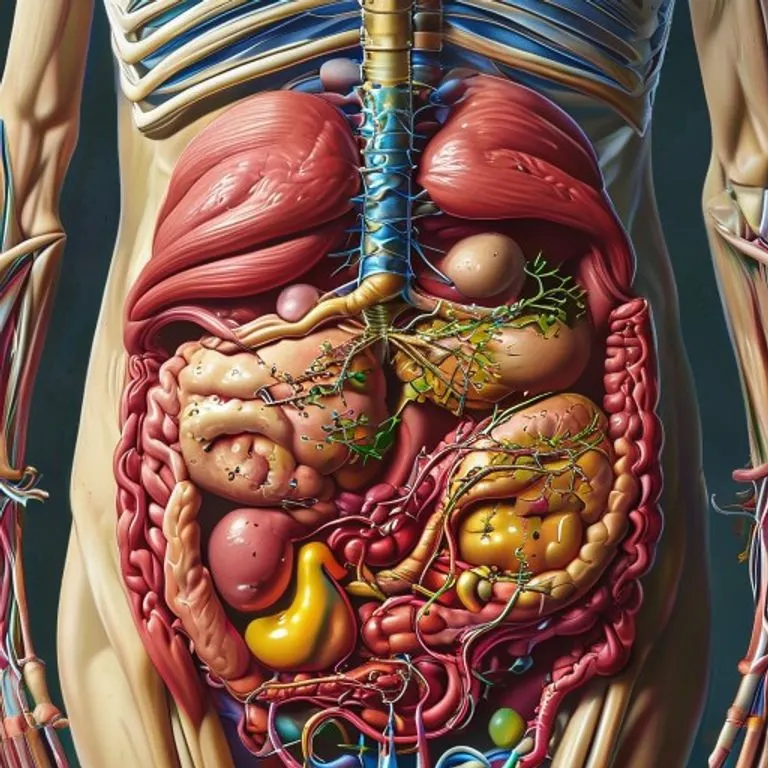
The IA Generativa: Ética, Creatividad, Propiedad Intelectual Arte Digital is a central hub for vital human organs, crucial for life processes.
Anatomical Boundaries of the Abdominal Cavity
The abdominal cavity is not a distinct, sealed compartment but rather a continuous space with defined superior, inferior, anterior, and posterior boundaries. These boundaries are formed by a combination of muscular, bony, and membranous structures that collectively enclose and protect the abdominal viscera.
Superiorly, the diaphragm forms the roof of the abdominal cavity, separating it from the thoracic cavity. This muscular dome plays a crucial role in respiration and acts as a physical barrier. Inferiorly, the abdominal cavity is continuous with the pelvic cavity, with the imaginary line of the pelvic inlet serving as the arbitrary division between the two.
Anteriorly and laterally, the boundaries are formed by a series of muscular walls, including the rectus abdominis, external and internal obliques, and transversus abdominis muscles. These muscles provide structural support, allow for movement, and protect the internal organs from external trauma. Posteriorly, the lumbar vertebrae, psoas major, quadratus lumborum, and iliacus muscles form the back wall, offering robust protection to the retroperitoneal organs.
- Superior: Diaphragm, a dome-shaped muscle vital for breathing.
- Inferior: Pelvic inlet, an imaginary line separating it from the pelvic cavity.
- Anterior/Lateral: Abdominal wall muscles (rectus abdominis, obliques, transversus abdominis).
- Posterior: Lumbar vertebrae and associated muscles (psoas major, quadratus lumborum).
Key Organs Housed Within the Abdomen
The abdominal cavity is a bustling hub of activity, containing most of the digestive system, parts of the urinary system, and several endocrine glands. Each organ plays a specialized role, contributing to the overall homeostasis of the body. Their precise arrangement within the cavity is crucial for their function and protection.
The primary digestive organs include the stomach, small intestine (duodenum, jejunum, ileum), and large intestine (cecum, appendix, colon, rectum). The liver, the body's largest internal organ, and the gallbladder, which stores bile, are also prominent. The pancreas, an exocrine and endocrine gland, lies posteriorly to the stomach, producing digestive enzymes and hormones like insulin.
Beyond digestion, the kidneys, part of the urinary system, are located retroperitoneally (behind the peritoneum) and are responsible for filtering blood and producing urine. The adrenal glands, situated atop the kidneys, are vital endocrine glands. The spleen, though often associated with the digestive system due to its location, is a lymphatic organ involved in immune function and blood filtration.

A detailed Bioclimatic Neuroarchitecture: Optimizing Cognitive Health Spaces reveals the complex interplay of organs within the abdominal cavity.
The reproductive organs in females (ovaries, fallopian tubes, uterus) are situated in the pelvic cavity but can extend into the abdominal region, especially during pregnancy. In males, the testes are external, but accessory reproductive glands are located in the pelvic region. The intricate vascular network supplying these organs, including the aorta and vena cava, also traverses the abdominal cavity.
The Peritoneum: Structure and Function
The peritoneum is a serous membrane that lines the abdominal cavity and covers the abdominal organs. It is composed of two main layers: the parietal peritoneum, which lines the inner surface of the abdominal wall, and the visceral peritoneum, which covers the external surfaces of most abdominal organs. The space between these two layers is known as the peritoneal cavity, containing a small amount of serous fluid that lubricates surfaces and allows organs to move freely without friction.
The peritoneum plays several crucial roles. Firstly, it reduces friction between organs, facilitating their movement during digestion and other physiological processes. Secondly, it provides structural support, suspending many organs within the cavity via folds of peritoneum called mesenteries. These mesenteries also serve as conduits for blood vessels, nerves, and lymphatic vessels supplying the organs.
Furthermore, the peritoneum has a protective function, acting as a barrier against infection and facilitating the immune response. It can also absorb fluids and solutes, which is leveraged in medical procedures like peritoneal dialysis. Inflammation of the peritoneum, known as peritonitis, is a serious condition often caused by infection or perforation of an abdominal organ.
| Peritoneal Layer | Location | Primary Function |
|---|---|---|
| Parietal Peritoneum | Lines the abdominal wall | Sensory perception (pain, temperature, pressure) |
| Visceral Peritoneum | Covers abdominal organs | Reduces friction, provides support |
| Peritoneal Cavity | Space between layers | Contains lubricating serous fluid |
Divisions of the Abdominal Cavity: Quadrants and Regions
For diagnostic and descriptive purposes, the abdominal cavity is conventionally divided into smaller sections. The most common and simplest division is into four quadrants, created by two imaginary lines intersecting at the umbilicus (navel). These are the right upper quadrant (RUQ), left upper quadrant (LUQ), right lower quadrant (RLQ), and left lower quadrant (LLQ).
A more detailed division uses nine regions, providing greater anatomical precision. These regions are delineated by two horizontal lines (subcostal and transtubercular planes) and two vertical lines (midclavicular lines). This system is particularly useful for localizing pain, tenderness, or masses during a physical examination and for communicating findings among healthcare professionals.
- Right Upper Quadrant (RUQ): Liver (right lobe), gallbladder, duodenum, head of pancreas, right kidney, right adrenal gland, hepatic flexure of colon.
- Left Upper Quadrant (LUQ): Liver (left lobe), stomach, spleen, body and tail of pancreas, left kidney, left adrenal gland, splenic flexure of colon.
- Right Lower Quadrant (RLQ): Cecum, appendix, ascending colon (part), right ovary/fallopian tube (female), right ureter, right spermatic cord (male).
- Left Lower Quadrant (LLQ): Descending colon, sigmoid colon, left ovary/fallopian tube (female), left ureter, left spermatic cord (male).
The nine regions include: epigastric, umbilical, hypogastric (or pubic) in the midline; and right hypochondriac, left hypochondriac, right lumbar, left lumbar, right iliac (or inguinal), and left iliac (or inguinal) laterally. This detailed mapping allows for a more precise localization of symptoms and helps guide diagnostic investigations, distinguishing between conditions affecting different organs.
Clinical Significance: Common Conditions and Diagnostic Approaches
The abdominal cavity is a frequent site for a wide array of medical conditions, ranging from acute emergencies to chronic diseases. Abdominal pain, for instance, is one of the most common reasons for seeking medical attention, and its location and character can provide crucial clues to the underlying pathology. Conditions such as appendicitis, cholecystitis (gallbladder inflammation), diverticulitis, and pancreatitis often present with localized abdominal pain.
Gastrointestinal disorders like irritable bowel syndrome (IBS), Crohn's disease, and ulcerative colitis also manifest with abdominal symptoms. Liver diseases (e.g., hepatitis, cirrhosis), kidney stones, and urinary tract infections can also cause significant abdominal discomfort. Furthermore, abdominal trauma, whether blunt or penetrating, can lead to severe internal bleeding or organ damage, requiring immediate medical intervention.

The AI Preventive Medicine: Diagnosis, Longevity, Personalized Treatments is crucial for overall well-being.
Diagnosing abdominal conditions often involves a combination of physical examination, laboratory tests, and imaging studies. Blood tests can reveal signs of inflammation, infection, or organ dysfunction. Urine tests can detect urinary tract issues. Imaging modalities are particularly valuable for visualizing the internal structures and identifying abnormalities.
Surgical Interventions and Abdominal Health
Many abdominal conditions necessitate surgical intervention, ranging from minimally invasive procedures to complex open surgeries. Appendectomy (removal of the appendix), cholecystectomy (removal of the gallbladder), and hernia repair are among the most common abdominal surgeries. In cases of severe trauma, cancer, or organ failure, more extensive operations such as bowel resections, liver transplants, or kidney transplants may be performed.
Advancements in surgical techniques, particularly the widespread adoption of laparoscopic surgery, have revolutionized abdominal procedures. Laparoscopy involves making small incisions and using a camera and specialized instruments, leading to less pain, smaller scars, and faster recovery times compared to traditional open surgery. Robotic-assisted surgery further enhances precision and control for surgeons.
Post-operative care for abdominal surgeries is crucial for recovery and preventing complications. This often includes pain management, monitoring for infection, and gradual reintroduction of diet and physical activity. Rehabilitation may also be necessary to restore full abdominal function and strength.
Advanced Imaging Techniques for Abdominal Assessment
Modern medicine relies heavily on sophisticated imaging techniques to accurately diagnose and monitor conditions within the abdominal cavity. Each modality offers unique advantages, providing different perspectives on the soft tissues, organs, and vascular structures. The choice of imaging technique depends on the suspected condition and the specific information required.
Ultrasound is often the first-line imaging modality for abdominal complaints, particularly for evaluating the gallbladder, liver, kidneys, and reproductive organs. It is non-invasive, uses no ionizing radiation, and can provide real-time images. Computed Tomography (CT) scans offer detailed cross-sectional images, excellent for visualizing solid organs, detecting tumors, and assessing trauma or inflammation.
Magnetic Resonance Imaging (MRI) provides superior soft-tissue contrast and is particularly useful for detailed examination of the liver, pancreas, and bile ducts, as well as for identifying certain types of tumors or inflammatory processes. Endoscopy, including gastroscopy and colonoscopy, allows for direct visualization of the inner lining of the digestive tract and enables biopsies or therapeutic interventions.
Maintaining Abdominal Health: Lifestyle and Prevention
Preventive measures and a healthy lifestyle are critical for maintaining optimal abdominal health and reducing the risk of developing various conditions. A balanced diet rich in fiber, fruits, and vegetables supports digestive function and helps prevent constipation and diverticular disease. Adequate hydration is also essential for kidney function and overall bodily processes.
Regular physical activity strengthens abdominal muscles, improves gut motility, and helps maintain a healthy weight, which is crucial for preventing conditions like fatty liver disease and metabolic syndrome. Avoiding excessive alcohol consumption and smoking significantly reduces the risk of liver disease, pancreatitis, and various abdominal cancers.
Stress management techniques, such as mindfulness and meditation, can also positively impact gut health, as there is a strong connection between the brain and the gut (the gut-brain axis). Regular medical check-ups and prompt attention to any persistent abdominal symptoms are vital for early diagnosis and effective treatment of potential health issues.
In conclusion, the abdominal cavity is a marvel of biological engineering, a densely packed region housing organs fundamental to our survival and well-being. Its complex anatomy, diverse functions, and susceptibility to a wide range of conditions underscore the importance of both scientific understanding and proactive health management. By appreciating its intricacies, we can better care for our bodies and promote a healthier life.
Fuente: Contenido híbrido asistido por IAs y supervisión editorial humana.


Comentarios