
Abarracar Troops: Military Terminology Explained | Althox
The term "Abarracar," deeply rooted in military lexicon, refers to the act of gathering or assembling troops within their designated barracks. This command is not merely an instruction for physical movement; it encapsulates centuries of military tradition, discipline, and strategic necessity. Understanding "Abarracar" provides insight into the fundamental principles of troop management and the daily operational rhythm of armed forces.
Historically, the barracks served as the central hub for soldiers, offering shelter, training grounds, and a communal living space. The command to "Abarracar" would signify a call to return to this central point, often for purposes ranging from routine roll calls and drills to urgent strategic briefings or preparations for deployment. It underlines the importance of a structured environment for maintaining military readiness and cohesion.
Table of Contents
- Historical Origins of Barracks and the Term
- Purpose and Significance of Abarracar
- Daily Life and Discipline in Barracks
- Strategic Implications of Troop Assembly
- Modern Equivalents and Evolution of the Term
- Legal and Regulatory Framework
- Conclusion: The Enduring Relevance of Abarracar
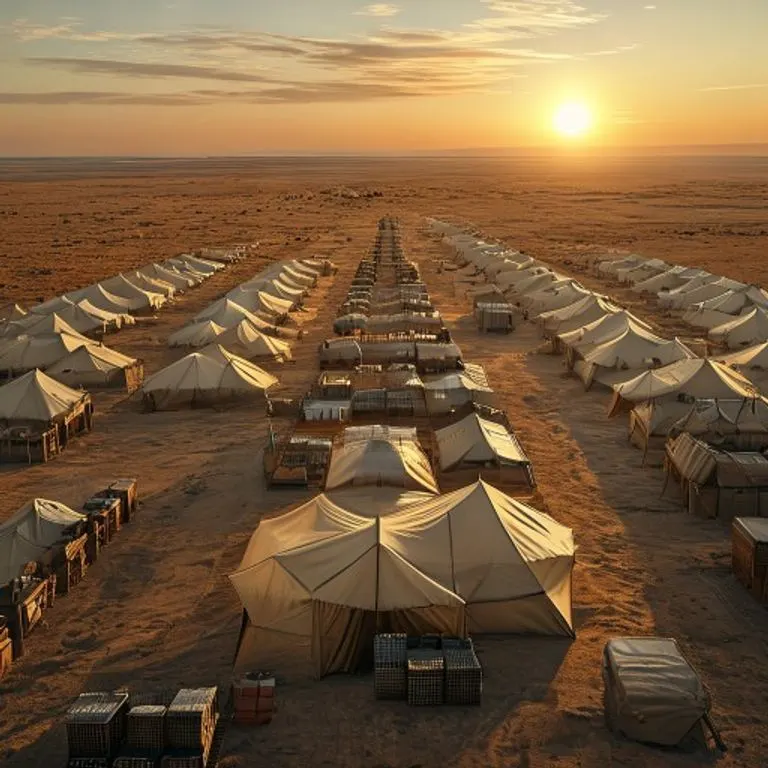
Abarracar: The disciplined assembly of soldiers within their designated military barracks, a practice central to military readiness and command.
Historical Origins of Barracks and the Term
The concept of barracks, as dedicated military housing, emerged prominently in ancient Rome, where legions were housed in organized camps and fortresses. However, the systematic construction of permanent barracks for large standing armies became widespread in Europe during the 17th and 18th centuries. This development coincided with the rise of professional armies and the need for centralized control, training, and logistical support.
Before this era, soldiers were often billeted in private homes or temporary encampments, leading to issues of discipline, public order, and inefficient mobilization. The establishment of barracks provided a controlled environment, fostering a distinct military culture and facilitating the rapid assembly of forces. The term "Abarracar" itself, deriving from the Spanish "barraca" (hut or temporary dwelling), reflects this evolution, signifying the act of moving into or assembling within these military structures.
- Ancient Roots: Roman legions utilized structured camps, precursors to modern barracks.
- 17th-18th Century Expansion: Professional armies in Europe led to widespread barracks construction.
- Discipline and Control: Centralized housing improved military discipline and public order.
- Etymological Link: "Abarracar" connects directly to the Spanish word for military dwellings.
Purpose and Significance of Abarracar
The command to "Abarracar" carries multifaceted importance within military operations. Primarily, it ensures the swift and orderly assembly of troops, which is critical for maintaining operational readiness. Whether for a morning parade, a training exercise, or a combat alert, the ability to quickly gather all personnel in one location is paramount.
Beyond mere physical assembly, "Abarracar" reinforces military discipline and hierarchy. It is an act of obedience, a demonstration of the chain of command, and a fundamental component of unit cohesion. Soldiers learn to respond promptly and efficiently to such directives, instilling a sense of collective responsibility and preparedness.
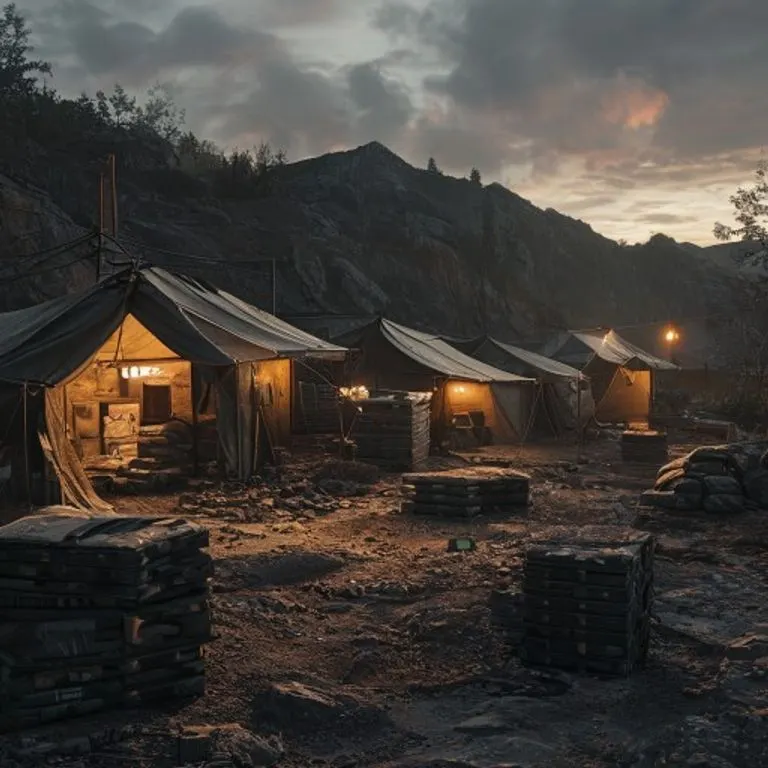
Architectural Precision: Barracks blueprints illustrate the meticulous planning behind troop housing and operational efficiency.
Moreover, the act of "Abarracar" plays a crucial role in logistical planning and resource distribution. Once troops are assembled, it becomes easier to issue uniforms, equipment, rations, or medical supplies. This centralized approach minimizes confusion and ensures that all personnel are adequately prepared for their assigned duties, whether in garrison or on deployment.
The significance extends to morale and unit identity. Regular assembly fosters a sense of belonging and shared purpose among soldiers. It provides opportunities for leaders to address their troops directly, convey important information, and build camaraderie, which are vital for maintaining a strong and effective fighting force. For more on military strategies, explore AI Preventive Medicine: Diagnosis, Longevity, Personalized Treatments.
Daily Life and Discipline in Barracks
Life in the barracks is inherently structured and disciplined, designed to mold individuals into cohesive military units. The command to "Abarracar" is a recurring event within this daily routine, often marking the beginning or end of duty cycles, training sessions, or periods of rest. This constant reinforcement of assembly protocols instills a deep-seated habit of immediate response and collective action.
Barracks environments are characterized by strict rules and regulations, governing everything from personal conduct to the meticulous organization of living quarters. This regimentation, though sometimes perceived as rigid, is essential for fostering the mental and physical resilience required of soldiers. The act of "Abarracar" is a practical manifestation of this discipline, requiring promptness, order, and attention to detail from every soldier.
Training within the barracks extends beyond physical drills to include theoretical instruction, tactical simulations, and ethical education. Regular assemblies facilitate these educational components, ensuring that all troops receive consistent and standardized training. This comprehensive approach ensures that soldiers are not only physically capable but also mentally prepared for the complexities of military service.
The communal aspect of barracks life also plays a significant role. Soldiers live, train, and often socialize together, forming strong bonds of camaraderie and mutual support. These relationships are crucial for unit cohesion and effectiveness, particularly in high-stress environments. The "Abarracar" command, by bringing everyone together, reinforces these bonds and the collective identity of the unit.
Strategic Implications of Troop Assembly
From a strategic perspective, the ability to "Abarracar" troops efficiently can be a decisive factor in military operations. Rapid assembly allows for quick response to emerging threats, swift deployment to conflict zones, or immediate redeployment during changing tactical situations. Delays in gathering forces can have severe consequences, impacting operational success and troop safety.
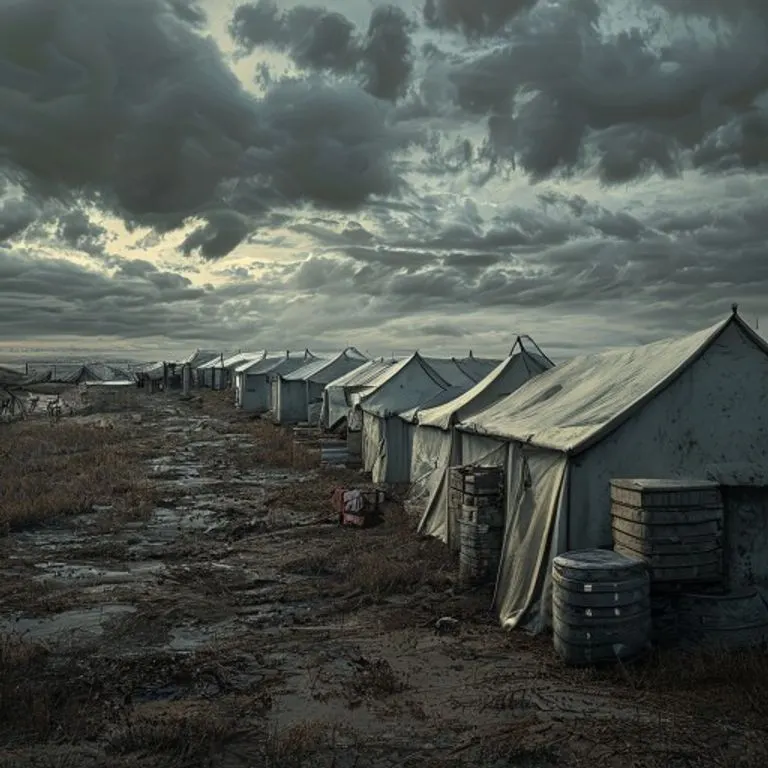
Foundational Knowledge: Old military texts symbolize the enduring principles of discipline and command that govern troop conduct.
Furthermore, the process of "Abarracar" is often linked to intelligence gathering and dissemination. Commanders can use these assemblies to convey critical intelligence, update operational plans, and ensure that all personnel are aware of the current situation and their specific roles. This direct communication channel is invaluable for maintaining situational awareness across the unit.
In times of crisis or conflict, the barracks become a focal point for mobilization. The command to "Abarracar" transforms the barracks from a living space into a staging area, where troops prepare for combat, receive final instructions, and embark on their missions. This transition requires seamless coordination and a high degree of organizational efficiency, all facilitated by the established practice of troop assembly.
The strategic importance of effective troop assembly is summarized in the following table:
| Strategic Aspect | Impact of "Abarracar" |
|---|---|
| Operational Readiness | Ensures troops are ready for immediate deployment or action. |
| Command and Control | Facilitates direct communication and reinforces the chain of command. |
| Logistical Efficiency | Streamlines distribution of equipment, rations, and information. |
| Threat Response | Enables rapid response to unforeseen threats or emergencies. |
| Morale and Cohesion | Strengthens unit bonds and collective identity through shared experience. |
Modern Equivalents and Evolution of the Term
While the specific term "Abarracar" might be more prevalent in certain linguistic and historical contexts, the underlying concept of assembling troops in a central location remains a cornerstone of modern military practice. Contemporary armies use various commands and protocols to achieve the same objective, adapted to technological advancements and evolving operational doctrines.
Terms like "fall in," "assembly," "muster," or "report to quarters" serve similar functions, signaling the requirement for troops to gather. The advent of digital communication and advanced logistics systems has certainly streamlined these processes, allowing for more precise and rapid coordination. However, the fundamental human element of physical assembly for command, inspection, and camaraderie persists.
Modern barracks, while often more comfortable and technologically equipped than their historical counterparts, still serve as the primary living and operational base for many soldiers. The act of returning to or assembling within these facilities continues to be a critical component of military life, ensuring accountability, readiness, and the smooth execution of orders. This evolution highlights the enduring relevance of the principles behind "Abarracar," even as the terminology and methods adapt.
Legal and Regulatory Framework
The procedures and expectations surrounding troop assembly, including the concept of "Abarracar," are often codified within military law and regulations. These frameworks ensure uniformity, discipline, and accountability across all units. For instance, the Uniform Code of Military Justice (UCMJ) in the United States, or similar codes in other nations, outlines the duties and responsibilities of service members, including adherence to lawful orders such as assembly commands.
"Any person subject to this chapter who— (1) violates or fails to obey any lawful general order or regulation; (2) having knowledge of any other lawful order issued by a member of the armed forces, which it is his duty to obey, fails to obey the order; or (3) is derelict in the performance of his duties; shall be punished as a court-martial may direct."
- Article 92, Uniform Code of Military Justice (UCMJ)
This excerpt from the UCMJ illustrates the legal gravity associated with obeying lawful orders, which would include commands to "Abarracar" or its modern equivalents. Failure to comply can result in disciplinary action, underscoring the critical role of such directives in maintaining military order and effectiveness. These regulations are designed to ensure that troops are always available and ready to perform their duties, reinforcing the importance of structured assembly and presence.
Furthermore, specific regulations often detail the conditions under which troops are to be assembled, the required reporting times, and the consequences for non-compliance. These legal and regulatory aspects provide the formal framework that supports the practical application of "Abarracar" in military contexts worldwide. Understanding these legal underpinnings is essential for comprehending the full scope of military discipline and command.
Conclusion: The Enduring Relevance of Abarracar
The term "Abarracar," while perhaps less commonly heard in everyday discourse, represents a timeless military principle: the organized assembly of troops. From its historical roots in ancient encampments to its modern manifestations in technologically advanced barracks, the act of gathering soldiers remains fundamental to military discipline, operational readiness, and strategic execution. It is a command that instills order, reinforces hierarchy, and fosters the cohesion necessary for any fighting force to succeed.
The significance of "Abarracar" extends beyond mere logistics; it is a cultural cornerstone of military life, shaping the behavior, expectations, and collective identity of soldiers. As armies continue to evolve, the core need for efficient and disciplined troop assembly will undoubtedly persist, ensuring that forces can respond effectively to the challenges of an ever-changing global landscape. For more insights into military and strategic topics, consider exploring content on AI Preventive Medicine: Diagnosis, Longevity, Personalized Treatments.
Fuente: Contenido híbrido asistido por IAs y supervisión editorial humana.


Comentarios