
Abajeña (a): Understanding Lowland Inhabitants and Their Environments | Althox
The term "Abajeña" (feminine) or "Abajeño" (masculine), derived from the Spanish word "abajo" meaning "down" or "below," refers to individuals originating from or residing in low-lying geographical areas. This designation typically applies to people from coastal regions, bays, riverbanks, particularly river mouths, or any territory characterized by a very low altitude relative to sea level. While not a universally common term in formal geography or sociology, it encapsulates a specific demographic whose lives, cultures, and challenges are intrinsically linked to their unique low-altitude environments. Understanding the concept of "Abajeña" requires a multidisciplinary approach, blending geographical analysis with cultural, historical, and environmental perspectives.
This article aims to provide a comprehensive exploration of what it means to be an "Abajeña," examining the geographical characteristics of their habitats, the distinct cultural identities that emerge from these settings, the historical evolution of such communities, and the contemporary environmental challenges they face. By delving into these aspects, we can gain a deeper appreciation for the resilience and adaptability of populations living in some of the world's most vulnerable yet vital ecosystems.
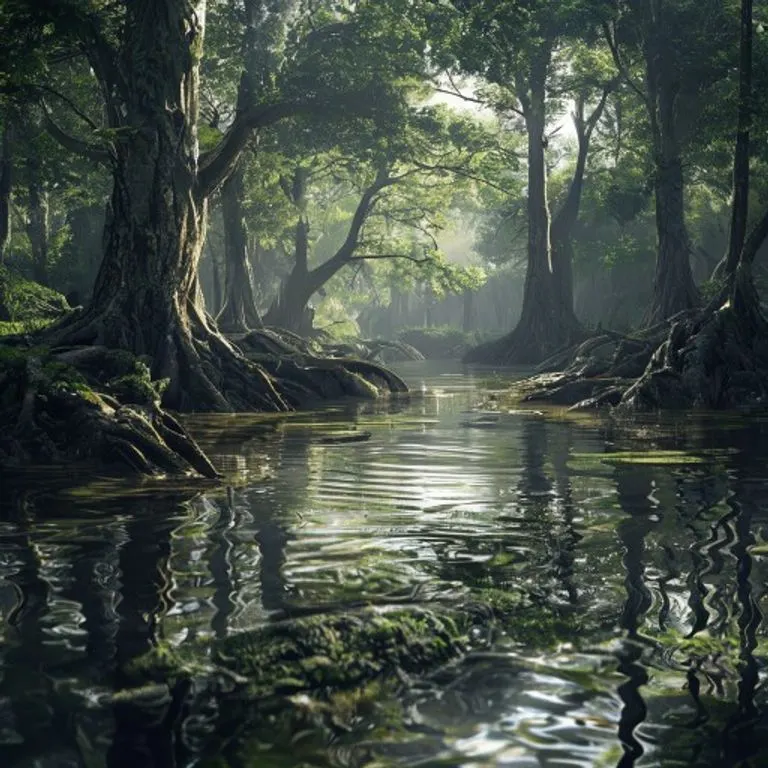
A digital painting capturing the tranquil essence of a Biotecnología Azul: Innovación Sostenible Oportunidades Negocio, illustrating the typical environment of an Abajeña community.
Understanding "Abajeña (a)": Etymology and Core Meaning
The term "Abajeña" is rooted in the Spanish language, directly translating to "from below" or "from the lowlands." It functions as an adjective and noun, describing both the origin and the person themselves. Unlike more formal geographical classifications such as "coastal dweller" or "riverine population," "Abajeña" carries a colloquial and often regional connotation, emphasizing a deep connection to the specific low-lying terrain.
Historically, such terms arise from the necessity to differentiate populations based on their geographical location, particularly when distinct cultural or economic practices emerge from living in specific environments. People from mountainous regions, for instance, might be referred to as "serranos" or "montañeses," while those from the plains could be "llaneros." "Abajeña" fits into this pattern, highlighting the unique identity forged by proximity to sea level or major water bodies.
The core meaning extends beyond mere elevation. It implies a lifestyle influenced by the characteristics of lowlands: fertile soils often prone to flooding, reliance on fishing or maritime activities, distinct architectural styles adapted to humidity and potential water intrusion, and a cultural heritage often rich in folklore and traditions tied to water. This term, though perhaps less common in academic discourse, provides a valuable lens through which to view human-environment interactions in specific geographical contexts.
Geographical Context: Defining Low-Altitude Regions
Low-altitude regions, the natural habitat of an "Abajeña," are diverse in their geomorphology but share the common characteristic of being close to sea level. These areas are typically defined by their elevation, generally considered to be below 200 meters (approximately 650 feet) above sea level, though this can vary regionally.
Key types of low-altitude regions include:
Coastal Plains: Broad, flat areas adjacent to the sea, often formed by sediment deposition from rivers or marine processes. These are characterized by sandy or silty soils and are highly susceptible to tidal influences and storm surges.
River Deltas: Formed at the mouth of a river where its current slows and deposits sediment as it enters a larger body of water (sea, ocean, or lake). Deltas are incredibly fertile but also extremely dynamic and prone to flooding.
Estuaries and Bays: Semi-enclosed coastal bodies of water where freshwater from rivers mixes with saltwater from the ocean. These are highly productive ecosystems, supporting diverse marine life and often serving as natural harbors.
Floodplains: Flat land areas adjacent to a river, formed by the deposition of sediment during floods. While fertile for agriculture, they are inherently vulnerable to inundation.
Polders and Reclaimed Lands: Areas of land reclaimed from the sea or a lake, often found in countries like the Netherlands. These are maintained below sea level through extensive drainage systems.
These environments often feature unique ecosystems, such as mangroves, salt marshes, and wetlands, which play crucial roles in biodiversity, coastal protection, and carbon sequestration. The proximity to water profoundly shapes the climate, vegetation, and natural resources available to "Abajeña" communities.
Cultural and Sociological Dimensions of Lowland Inhabitants
The lives of "Abajeñas" are deeply intertwined with their watery surroundings, leading to distinct cultural and sociological patterns. These communities often develop unique traditions, economic activities, and social structures adapted to their environment.

A vintage photographic still life showcasing AI Preventive Medicine: Diagnosis, Longevity, Personalized Treatments, emblematic of the livelihoods often found in Abajeña communities.
Some common characteristics include:
Economic Activities: Fishing, aquaculture, salt production, and maritime trade are often primary livelihoods. Agriculture in these areas tends to focus on crops tolerant to saline soils or requiring abundant water, such as rice.
Folklore and Mythology: Many lowland cultures feature rich oral traditions, myths, and legends involving sea creatures, river spirits, and protective deities associated with water. These stories often reflect the community's relationship with the unpredictable nature of their environment.
Cuisine: Seafood forms a significant part of the diet, leading to unique culinary traditions. Local produce adapted to the lowlands also contributes to distinct regional dishes.
Architecture: Homes are often built on stilts, with elevated foundations, or using materials resistant to humidity and flooding. Traditional building techniques reflect centuries of adaptation to water-prone conditions.
Social Cohesion: The shared experience of living in a challenging environment, often facing natural disasters like floods or hurricanes, can foster strong community bonds and collective resilience. Mutual aid and cooperation are frequently observed traits.
The cultural identity of an "Abajeña" is thus not merely geographical but deeply experiential, shaped by the daily rhythms of tides, rivers, and the open sea. This connection often translates into a profound respect for nature and an intimate understanding of ecological processes.
Historical Perspectives on Coastal and Riverine Communities
Throughout history, low-lying coastal and riverine areas have been cradles of civilization. Their fertile lands and access to water resources made them ideal for early human settlements. Major ancient civilizations, such as those in Mesopotamia (between the Tigris and Euphrates), the Nile Delta in Egypt, and the Indus Valley, flourished in such environments, leveraging their unique geographical advantages.
The historical development of "Abajeña" communities often reflects a delicate balance between opportunity and vulnerability. Rivers and seas provided transportation routes, facilitating trade and cultural exchange, while fertile floodplains supported agriculture. However, these areas were also susceptible to natural disasters, leading to the development of sophisticated engineering (e.g., dikes, canals) and social systems designed to manage risk.
For example, the maritime empires of ancient Greece and Rome, and later the European colonial powers, relied heavily on their coastal populations for naval strength and overseas expansion. Port cities, often located in low-lying areas, became centers of commerce, innovation, and cultural fusion. The history of an "Abajeña" is therefore often a history of adaptation, innovation, and a deep, enduring relationship with water.
Environmental Challenges: Living in Vulnerable Lowlands
While low-lying regions offer numerous advantages, they are also among the most environmentally vulnerable areas on Earth. "Abajeña" communities frequently contend with a range of natural hazards and environmental pressures, which are exacerbated by global climate change.
Key environmental challenges include:
Sea-Level Rise: One of the most pressing threats, leading to increased coastal erosion, saltwater intrusion into freshwater aquifers and agricultural lands, and permanent inundation of low-lying areas. The Intergovernmental Panel on Climate Change (IPCC) consistently highlights these regions as frontline victims of rising sea levels.
Extreme Weather Events: Lowlands are often disproportionately affected by hurricanes, typhoons, storm surges, and heavy rainfall, resulting in severe flooding and destruction of infrastructure and livelihoods.
Subsidence: In some deltaic and coastal areas, land subsidence (sinking) due to natural geological processes, groundwater extraction, or compaction of sediments exacerbates the effects of sea-level rise.
Ecosystem Degradation: Development, pollution, and climate change contribute to the degradation of vital ecosystems like mangroves, coral reefs, and wetlands, which naturally protect coastal areas from erosion and storm impacts.
Resource Depletion: Overfishing, unsustainable agriculture, and freshwater scarcity due to saltwater intrusion can lead to the depletion of natural resources essential for "Abajeña" communities.
These challenges necessitate robust adaptation strategies and international cooperation to protect these communities and their unique ways of life. The vulnerability of "Abajeña" populations underscores the urgent need for global action on climate change mitigation and adaptation.

A conceptual 3D render illustrating the abstract threat of AI Preventive Medicine: Diagnosis, Longevity, Personalized Treatments, a critical environmental challenge for Abajeña communities.
Adaptation and Resilience in Lowland Societies
Despite the formidable challenges, "Abajeña" communities have historically demonstrated remarkable resilience and adaptability. Their long-standing experience with dynamic environments has fostered innovative approaches to living with water rather than merely fighting against it.
Strategies for adaptation include:
Traditional Knowledge: Indigenous and local knowledge systems often contain invaluable insights into sustainable resource management, flood prediction, and resilient building practices tailored to specific lowland conditions.
Infrastructure Development: Investment in protective infrastructure, such as dikes, seawalls, storm barriers, and improved drainage systems, is crucial for safeguarding communities. Examples range from the extensive polder systems in the Netherlands to modern flood defenses in major coastal cities.
Ecosystem-Based Adaptation: Restoring and protecting natural coastal defenses like mangroves, salt marshes, and coral reefs can significantly reduce the impact of storm surges and erosion. These "green infrastructure" solutions are often more cost-effective and sustainable than hard engineering.
Diversification of Livelihoods: Reducing sole reliance on highly vulnerable sectors like traditional fishing or agriculture by promoting ecotourism, sustainable aquaculture, or other climate-resilient economic activities.
Early Warning Systems and Disaster Preparedness: Implementing effective systems for predicting extreme weather events and educating communities on evacuation procedures and emergency response can save lives and reduce damage.
The ongoing efforts of "Abajeña" populations to adapt to changing environmental conditions provide critical lessons for global climate resilience strategies. Their lived experiences highlight the importance of integrating scientific knowledge with traditional practices and fostering strong community engagement in adaptation planning.
Global Examples of "Abajeña" Communities
The concept of "Abajeña" can be observed across various geographical regions worldwide, each with its unique cultural and environmental nuances. These examples underscore the universality of human adaptation to low-lying environments.
Consider the following:
| Region/Community | Key Characteristics | Environmental Challenges |
|---|---|---|
| Mekong Delta, Vietnam | Vast agricultural region (rice bowl), intricate canal systems, floating markets, high population density. | Sea-level rise, saltwater intrusion, upstream damming impacts, extreme floods. |
| Venice, Italy | Historic city built on islands in a lagoon, unique canal-based transportation, rich artistic and cultural heritage. | Subsidence, "acqua alta" (high tides), tourism pressure, infrastructure decay. |
| Bayou Communities, Louisiana, USA | Cajun and Creole cultures, reliance on fishing and trapping, distinct musical and culinary traditions. | Coastal erosion, hurricane impacts, oil spills, land loss due to human activity. |
| Sunderbans, Bangladesh/India | World's largest mangrove forest, home to unique wildlife (e.g., Bengal tiger), communities living in harmony with nature. | Sea-level rise, increased cyclone intensity, tiger-human conflict, freshwater scarcity. |
| The Netherlands (Coastal Regions) | Extensive polder system, advanced water management, densely populated, high economic output. | Sea-level rise, potential dike breaches, maintaining complex water infrastructure. |
These examples illustrate that while the specific term "Abajeña" might be regional, the phenomenon of communities shaped by low-lying, water-proximate environments is global. Each case highlights the intricate relationship between geography, culture, economy, and the ever-present challenge of environmental change.
Future Outlook for Lowland Populations
The future of "Abajeña" communities is inextricably linked to global climate action and local adaptation efforts. As sea levels continue to rise and extreme weather events become more frequent and intense, the pressures on these populations will only grow. Projections from scientific bodies like the IPCC indicate that many low-lying coastal areas could become uninhabitable by the end of the century without significant intervention.
However, the resilience demonstrated by these communities throughout history offers a beacon of hope. Continued investment in sustainable development, climate-resilient infrastructure, and community-led adaptation initiatives will be crucial. Furthermore, international cooperation and equitable resource distribution are essential to support vulnerable "Abajeña" populations, many of whom reside in developing nations with limited adaptive capacities.
The study of "Abajeña" communities provides valuable insights into human-environment dynamics, offering lessons in sustainable living, cultural preservation, and the urgent need for collective action in the face of global environmental change. Their stories are a testament to the enduring human spirit and the profound influence of geography on our collective identity and destiny.
Fuente: Contenido híbrido asistido por IAs y supervisión editorial humana.


Comentarios