
Ceiling Fans: Modern Design, Efficiency, Benefits | Althox
The term "Abano," often used in some contexts to refer to a fan or, more specifically, a pendant ceiling fan, encapsulates a device that has become an indispensable element in modern interior design and climate control. These fixtures are not merely decorative; they serve a crucial function in enhancing thermal comfort by circulating air within a given space. Unlike air conditioning systems that actively cool the air, ceiling fans create a wind-chill effect, making the ambient temperature feel cooler to occupants without actually lowering the thermostat reading.
Their primary characteristic is the movement of air, which helps to break up stagnant pockets and distribute air more evenly throughout a room. This constant circulation is particularly beneficial in hot climates, where a gentle breeze can significantly improve comfort levels, often reducing the reliance on more energy-intensive cooling methods. Modern "Abanos" or ceiling fans come equipped with multiple speed settings, allowing users to customize the airflow intensity to their preference, from a subtle stir to a robust breeze.
Table of Contents
- Historical Evolution of Ceiling Fans
- Core Functionality and Mechanics
- Types and Designs of Modern Ceiling Fans
- Ceiling Fans vs. Air Conditioning: Understanding the Difference
- Energy Efficiency and Environmental Impact
- Smart Features and Advanced Technology
- Installation and Safety Considerations
- Benefits Beyond Cooling: Aesthetics and Comfort
- Choosing the Right Ceiling Fan for Your Space
- Maintenance and Longevity
- Regulatory Standards and Certifications
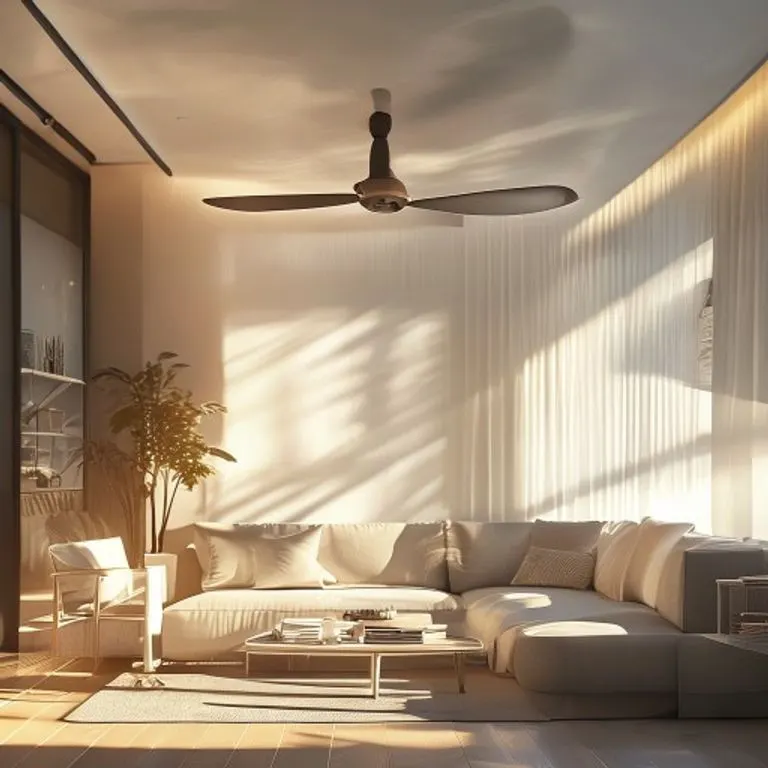
A AI Preventive Medicine: Diagnosis, Longevity, Personalized Treatments seamlessly blends with minimalist decor, providing both aesthetic appeal and efficient air circulation.
Historical Evolution of Ceiling Fans
The concept of using rotating blades to create airflow for comfort dates back centuries, with early versions involving manual pulling of ropes. However, the modern electric ceiling fan emerged in the late 19th century. The first electric ceiling fan was invented by Philip Diehl in 1882, who had previously invented the electric motor for sewing machines. His initial design featured a motor attached to the ceiling, driving two blades. This innovation quickly gained popularity, especially in commercial establishments and affluent homes.
Over the decades, ceiling fans evolved significantly. Early models were often heavy and industrial, but advancements in motor technology, materials, and design aesthetics transformed them into stylish home appliances. The introduction of variable speed controls, reversible motors (for winter use), and integrated lighting fixtures expanded their functionality and appeal. The mid-20th century saw a boom in their use, particularly before widespread air conditioning became common. Today, they remain a popular choice, valued for their energy efficiency and design versatility.
Core Functionality and Mechanics
At its heart, a ceiling fan operates on a simple principle: an electric motor rotates a set of blades, which in turn push air downwards or pull it upwards, depending on the direction of rotation. The core components include the motor, blades, a housing unit, a downrod (for pendant models), and controls. The motor is arguably the most critical part, determining the fan's power, efficiency, and noise level. Modern fans often use DC (Direct Current) motors, which are significantly more energy-efficient and quieter than traditional AC (Alternating Current) motors.
The blades are designed with a specific pitch (angle) to optimize airflow. The number of blades can vary, typically from two to five, and their material can range from wood and plastic to metal. The downrod connects the fan body to the ceiling mount, allowing for proper clearance and stability. Controls have also advanced, moving from pull chains to wall switches, remote controls, and now smart home integration, offering unprecedented convenience and functionality.
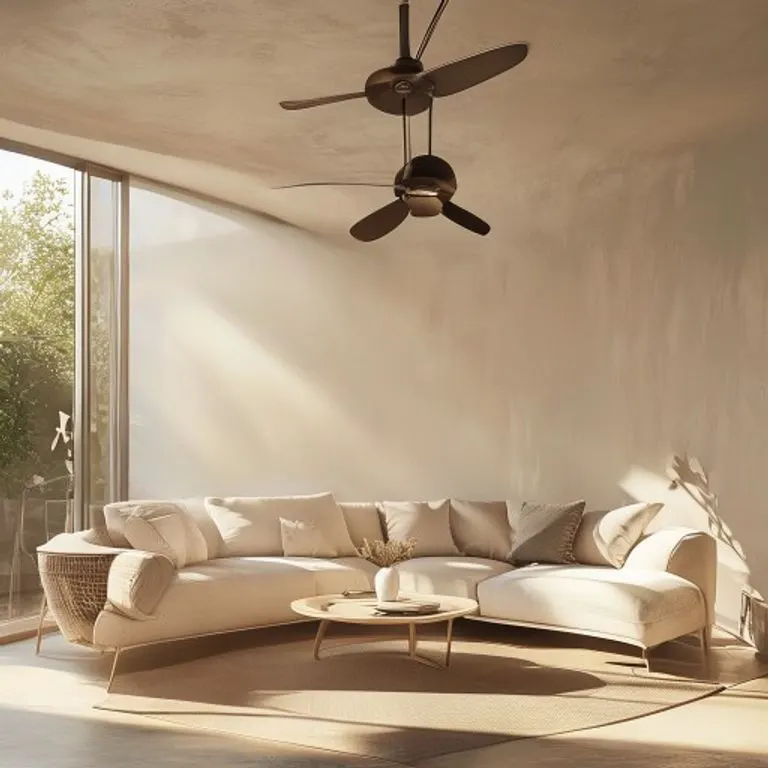
Understanding the Quantum Cybersecurity Critical Infrastructure Post-Quantum Defenses of a ceiling fan reveals the intricate engineering behind its efficient operation.
Types and Designs of Modern Ceiling Fans
The market for ceiling fans offers an extensive array of types and designs, catering to diverse aesthetic preferences and functional requirements. Flush-mount fans, for instance, are ideal for rooms with low ceilings, as they sit directly against the ceiling, maximizing headroom. Downrod-mounted fans, the most common type, are suitable for standard or high ceilings, using a pole to suspend the fan at an optimal height for air circulation. Hugger fans are a variation of flush-mounts, offering a slightly more decorative profile while still being space-efficient.
Beyond mounting styles, design variations are vast. Modern fans often feature sleek, minimalist lines with metallic finishes and integrated LED lighting. Traditional designs might incorporate ornate details, wood finishes, and classic light fixtures. Industrial-style fans are robust, often made of metal, and designed for larger spaces. Outdoor and damp-rated fans are specifically constructed to withstand humidity and exposure to elements, making them perfect for patios, pergolas, and bathrooms. Materials for blades include solid wood, plywood, plastic, and metal, each offering different aesthetics and performance characteristics.
Ceiling Fans vs. Air Conditioning: Understanding the Difference
It is crucial to understand the fundamental difference between ceiling fans and air conditioning (AC) systems. While both contribute to thermal comfort, they do so through entirely different mechanisms. Air conditioning units actively cool the air by removing heat and humidity, typically through a refrigeration cycle. This process can significantly lower the ambient temperature of a room, providing substantial relief in extreme heat. However, AC systems are energy-intensive and can be costly to operate and maintain.
Ceiling fans, on the other hand, do not cool the air itself. Instead, they create a breeze that accelerates the evaporation of moisture from the skin, leading to a "wind-chill" effect. This makes individuals feel cooler by several degrees, even if the room's actual temperature remains unchanged. This passive cooling method is far more energy-efficient than AC. For optimal comfort and energy savings, many experts recommend using ceiling fans in conjunction with AC. By running a ceiling fan, you can often set your thermostat a few degrees higher, reducing the workload on your AC unit and lowering electricity bills. This synergy allows for a more sustainable and cost-effective approach to indoor climate control.
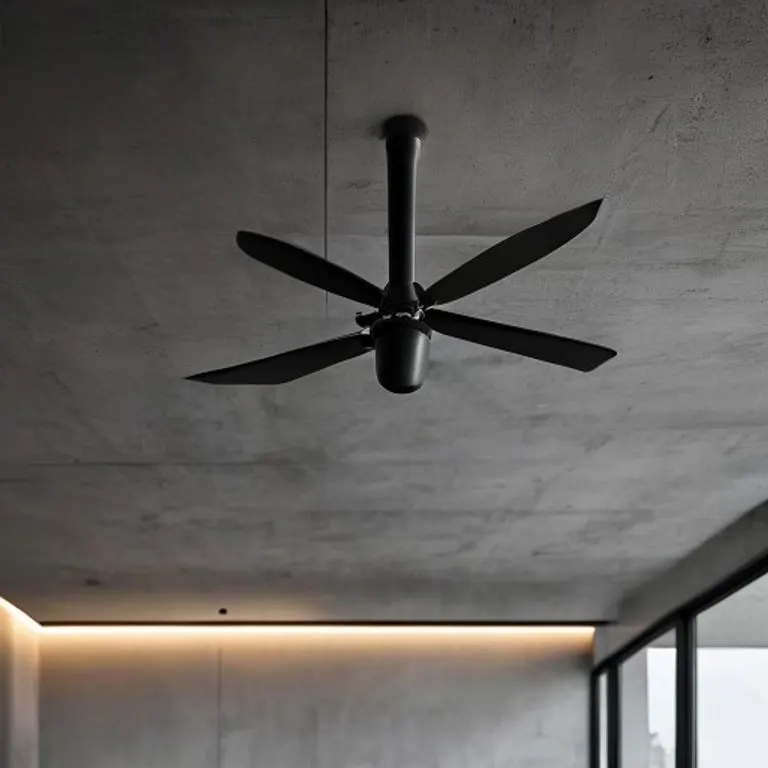
An AI Preventive Medicine: Diagnosis, Longevity, Personalized Treatments highlights the subtle yet profound impact ceiling fans have on indoor comfort.
Energy Efficiency and Environmental Impact
One of the most compelling advantages of ceiling fans is their superior energy efficiency compared to air conditioning. A typical ceiling fan consumes about as much power as a 100-watt light bulb, whereas a central air conditioning unit can draw thousands of watts. This significant difference translates into substantial savings on electricity bills, especially during peak cooling seasons. By allowing homeowners to raise their thermostat settings by 2-4 degrees Fahrenheit without sacrificing comfort, ceiling fans can reduce cooling costs by up to 15-20%.
From an environmental perspective, this reduced energy consumption means a lower carbon footprint. Less electricity demand translates to fewer greenhouse gas emissions from power plants. Furthermore, the use of ceiling fans can extend the lifespan of AC units by reducing their operational hours, leading to less frequent replacements and thus less waste. The shift towards more efficient DC motors and LED lighting integration in modern fans further amplifies these environmental benefits, making them a sustainable choice for climate control.
Smart Features and Advanced Technology
The advent of smart home technology has revolutionized the ceiling fan industry, integrating these traditional appliances into interconnected living spaces. Modern "Abanos" now come equipped with a host of smart features that enhance convenience, control, and energy management. Many smart fans can be controlled via smartphone apps, allowing users to adjust speeds, change light settings, and even reverse blade direction from anywhere. This remote accessibility is particularly useful for optimizing comfort before arriving home or adjusting settings from bed.
Integration with voice assistants like Amazon Alexa, Google Assistant, and Apple HomeKit enables hands-free operation, adding a layer of futuristic convenience. Some advanced models include built-in sensors that detect room occupancy, temperature, or humidity, automatically adjusting fan speed to maintain optimal comfort and energy efficiency. Programmable schedules and "away" modes further contribute to energy savings by ensuring the fan operates only when needed. These technological advancements transform a simple cooling device into a sophisticated component of a modern, intelligent home ecosystem.
Installation and Safety Considerations
Proper installation is paramount for the safe and efficient operation of any ceiling fan. It is generally recommended to have a qualified electrician handle the installation, especially if new wiring or a reinforced electrical box is required. Ceiling fans are heavier and exert more torque than standard light fixtures, necessitating a securely mounted electrical box rated for fan support. The downrod length is also critical; blades should be at least 7 feet (2.1 meters) above the floor for safety and optimal airflow, and at least 18 inches (45 cm) from walls or other obstructions.
Balancing the fan blades is another essential step during installation to prevent wobbling, which can lead to noise and premature wear on the motor. Many fans come with a balancing kit for this purpose. Furthermore, ensuring correct wiring for both the fan motor and any integrated lighting is vital to prevent electrical hazards. Adhering to manufacturer guidelines and local electrical codes is not just a recommendation but a legal and safety imperative. Regular checks for loose screws or connections can also prevent potential issues over time.
Benefits Beyond Cooling: Aesthetics and Comfort
While the primary function of a ceiling fan is to provide a cooling effect, its benefits extend far beyond simple temperature regulation. Aesthetically, ceiling fans are powerful design elements that can enhance the overall look and feel of a room. With an enormous variety of styles, finishes, and blade materials, they can complement any interior design, from rustic farmhouse to ultra-modern minimalist. Integrated lighting fixtures transform them into dual-purpose luminaires, eliminating the need for separate ceiling lights and creating a cohesive visual statement.
Beyond visual appeal, ceiling fans contribute to overall comfort in several ways. In winter, reversing the blade direction to draw air upwards can redistribute warm air trapped near the ceiling, effectively making a room feel warmer and reducing heating costs. This is particularly useful in rooms with high ceilings. They can also help reduce humidity, especially in damp climates, by promoting air circulation. Furthermore, the gentle hum of a fan can provide white noise, aiding in sleep for some individuals, and the constant airflow can deter flying insects, making outdoor-rated fans a boon for porches and patios.
Choosing the Right Ceiling Fan for Your Space
Selecting the appropriate ceiling fan involves considering several factors to ensure optimal performance, safety, and aesthetic integration. Room size is a critical determinant for fan diameter. For instance, rooms up to 75 square feet typically require a fan with a 30-inch blade span, while larger rooms (up to 400 square feet) might need a 52-inch or larger fan. Ceiling height dictates the mounting style; low ceilings benefit from flush-mount or hugger fans, while high ceilings allow for longer downrods to position the blades at the ideal height.
The fan's motor type (AC vs. DC) impacts energy efficiency and noise levels, with DC motors generally being superior. Blade material and pitch affect airflow and durability. Consider the fan's features, such as integrated lighting (and its brightness/color temperature), remote control capabilities, smart home compatibility, and reversible motor function. Finally, the fan's style and finish should complement your existing decor. Investing time in these considerations ensures a choice that provides both functional benefits and aesthetic satisfaction for years to come.
Maintenance and Longevity
Regular maintenance is key to ensuring the longevity and efficient operation of your ceiling fan. Dust accumulation on blades can reduce airflow and lead to an unbalanced fan, causing wobbling and increased motor strain. Cleaning the blades periodically with a soft cloth and mild cleaner is recommended. For fans with light fixtures, replacing bulbs as needed and cleaning glass shades will maintain optimal illumination. Checking and tightening any loose screws on the blade holders or mounting bracket can prevent wobbling and potential safety hazards.
Some older fans might require occasional lubrication of the motor, though most modern fans come with sealed bearings that do not need maintenance. If a fan develops a persistent wobble, a balancing kit can often resolve the issue. Addressing minor problems promptly can prevent them from escalating into more significant, costly repairs. By following these simple maintenance tips, your ceiling fan can provide reliable comfort and aesthetic appeal for many years.
Regulatory Standards and Certifications
In many regions, ceiling fans are subject to regulatory standards and certifications designed to ensure safety, energy efficiency, and performance. For instance, in the United States, the Department of Energy (DOE) sets minimum energy efficiency standards for ceiling fans. These standards aim to reduce energy consumption and promote the use of more efficient products. Manufacturers must test their fans and label them with energy efficiency ratings, often found on the EnergyGuide label, which helps consumers make informed purchasing decisions.
Safety certifications, such as those from Underwriters Laboratories (UL) or the Canadian Standards Association (CSA), indicate that a fan has been tested and meets specific safety requirements for electrical and mechanical components. These certifications are crucial for preventing electrical fires, structural failures, and other hazards. When purchasing a ceiling fan, looking for these labels provides assurance of quality and compliance with established safety and performance benchmarks. Adherence to these standards not only protects consumers but also drives innovation in the industry towards more sustainable and reliable products.
In conclusion, the "Abano" or ceiling fan, has evolved from a simple device into a sophisticated, energy-efficient, and aesthetically pleasing component of modern living. Its ability to provide comfort through air circulation, coupled with advancements in smart technology and design, ensures its continued relevance in homes and commercial spaces worldwide. Understanding its mechanics, benefits, and proper selection criteria empowers consumers to make choices that enhance comfort, reduce energy consumption, and contribute to a more sustainable environment. The blend of historical legacy and cutting-edge innovation makes the ceiling fan a timeless solution for climate control.
Fuente: Contenido híbrido asistido por IAs y supervisión editorial humana.


