
Bumblebee Biology: Ecology, Conservation, and Vital Role | Althox
Bumblebees, scientifically classified under the genus Bombus, are fascinating and ecologically vital insects belonging to the family Apidae, which also includes honeybees and stingless bees. These robust, hairy insects are instantly recognizable by their characteristic black and yellow banding, though some species exhibit orange, red, or even entirely black coloration. Their distinctive fuzzy appearance, a result of dense, branched hairs covering their entire body, serves a crucial role in thermoregulation, allowing them to forage in cooler temperatures than many other insects.
With over 250 known species globally, bumblebees are primarily found in the Northern Hemisphere, thriving in temperate climates, high altitudes, and even Arctic regions. However, their presence extends to other areas such as New Zealand and Tasmania, where they were introduced. Unlike the highly complex, perennial colonies of honeybees, most bumblebee species are characterized by their "merely social" annual colonies, typically founded by a single queen in the spring. Their ecological significance cannot be overstated, as bumblebees are among the most efficient pollinators of both wild plants and numerous agricultural crops.
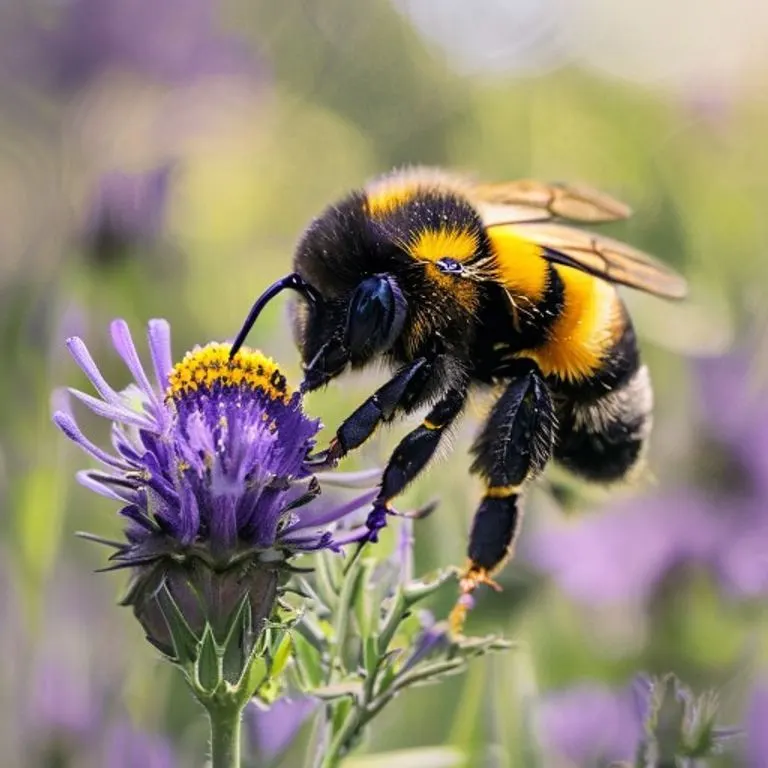
A bumblebee diligently collects nectar from a thistle, showcasing its vital role in ecosystem health and Microplásticos Salud Humana Biohacking Prevención.
Their unique ability to perform "buzz pollination" or sonication makes them indispensable for the fertilization of certain plants, such as tomatoes and blueberries, which require specific vibrational frequencies to release pollen. This article delves into the intricate biology, ecological roles, and pressing conservation challenges facing these remarkable insects, providing a comprehensive overview of their importance to our planet's biodiversity and food security.
Table of Contents
- Taxonomy and Classification: Placing Bumblebees in the Tree of Life
- Morphological Characteristics: The Anatomy of a Bumblebee
- Life Cycle and Colony Structure: An Annual Social Cycle
- Habitat and Geographic Distribution: Where Bumblebees Thrive
- Diet and Foraging Behavior: Nectar, Pollen, and Buzz Pollination
- Ecological and Economic Importance: Why Bumblebees Matter
- Threats to Bumblebee Populations and Conservation Efforts
- Bumblebees vs. Honeybees: Key Distinctions
- Conclusion: The Future of Bumblebees and Our Ecosystems
Taxonomy and Classification: Placing Bumblebees in the Tree of Life
The scientific classification of bumblebees provides a structured understanding of their evolutionary relationships and biological characteristics. They belong to the order Hymenoptera, a vast group of insects that includes ants, wasps, and bees, all sharing common features such as two pairs of membranous wings and a social or semi-social lifestyle. Within Hymenoptera, bumblebees are placed in the family Apidae, which is renowned for its highly specialized pollinators.
The genus Bombus specifically encompasses all known bumblebee species, comprising over 250 distinct entities. This genus is further divided into several subgenera, reflecting the diversity and evolutionary history within the group. These subgenera often correspond to distinct morphological features, ecological niches, and geographical distributions, offering insights into their adaptive radiation across various environments.
For instance, some subgenera are characterized by long faces, while others have short faces, adaptations linked to the types of flowers they pollinate. Understanding their taxonomy is crucial for conservation efforts, as it helps identify distinct species and subspecies that may require tailored protection strategies. The precise identification of bumblebee species can be challenging due to variations in color patterns within the same species and similarities between different species, often necessitating microscopic examination of anatomical features or genetic analysis, a field known as Bumblebee Taxonomy: Hierarchical Classification and Evolution | Althox.
Morphological Characteristics: The Anatomy of a Bumblebee
Bumblebees possess several distinct morphological features that differentiate them from other bees and contribute to their ecological success. Their most striking characteristic is their robust, hairy body, often described as "fuzzy." This dense covering of branched, mushroom-shaped hairs plays a vital role in insulation, allowing bumblebees to maintain a higher body temperature than the ambient air, a process known as thermoregulation.
This thermoregulatory ability enables them to forage in cooler conditions, such as early mornings, late evenings, or at higher altitudes, extending their active periods compared to many other insect pollinators. The coloration of bumblebees typically involves striking patterns of black and yellow bands. However, this can vary significantly among species and even within populations of the same species, with some exhibiting orange or red bands, or being entirely black (melanism), particularly in colder climates for enhanced heat absorption.
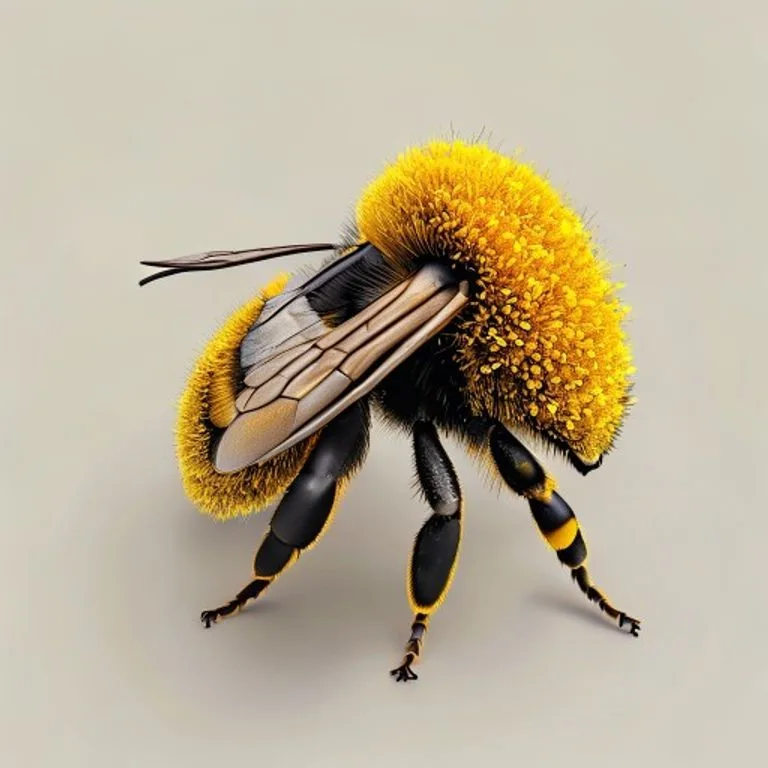
A detailed view of the bumblebee's Bumblebee Taxonomy: Hierarchical Classification and Evolution | Althox, showcasing its efficiency in pollen collection.
A key anatomical distinction lies in their legs, particularly the hind legs of worker and queen bumblebees. Unlike the uniformly hairy legs of many other bee species, bumblebees possess a specialized structure called a corbicula, or pollen basket. This is a smooth, concave area on the outer surface of the tibia, surrounded by stiff hairs. Pollen collected from flowers is moistened with nectar and packed into this basket, allowing for efficient transport back to the nest. This contrasts with honeybees, which also have corbiculae, but the general description in the original context highlights the difference from other "naked-legged" bees.
Bumblebees also possess a proboscis, a long, tongue-like mouthpart used for sucking nectar from flowers. The length of the proboscis varies among species, influencing the types of flowers they can effectively pollinate. Species with longer proboscises can access nectar from deep, tubular flowers, while those with shorter proboscises tend to visit more open, shallow flowers. Their wings are relatively small in proportion to their body size, yet they are capable of rapid wing beats, generating the characteristic "buzz" sound and allowing for sustained flight.
While bumblebees are capable of stinging, their stingers lack barbs, meaning they can sting multiple times without dying, unlike honeybees. However, they are generally less aggressive than wasps or honeybees and will only sting if they feel threatened or if their nest is disturbed. The sting is primarily a defensive mechanism against predators, a crucial aspect of their survival strategy in the wild.
Life Cycle and Colony Structure: An Annual Social Cycle
The life cycle of most bumblebee species follows an annual pattern, distinct from the perennial colonies of honeybees. The cycle begins in early spring when a new queen emerges from hibernation. After mating in the previous autumn, the fertilized queen overwinters alone, often underground or in dense vegetation, surviving on stored fat reserves. Upon emergence, her primary goal is to find a suitable nesting site, a critical step for colony establishment.
Nesting sites vary by species but commonly include abandoned rodent burrows, dense tussocks of grass, or cavities under logs. Once a site is chosen, the queen constructs a small wax pot to store nectar and a wax cell for her first batch of eggs. She forages for nectar to fuel herself and pollen to feed her developing larvae. This initial phase is solitary and highly demanding for the queen, as she alone is responsible for all tasks.
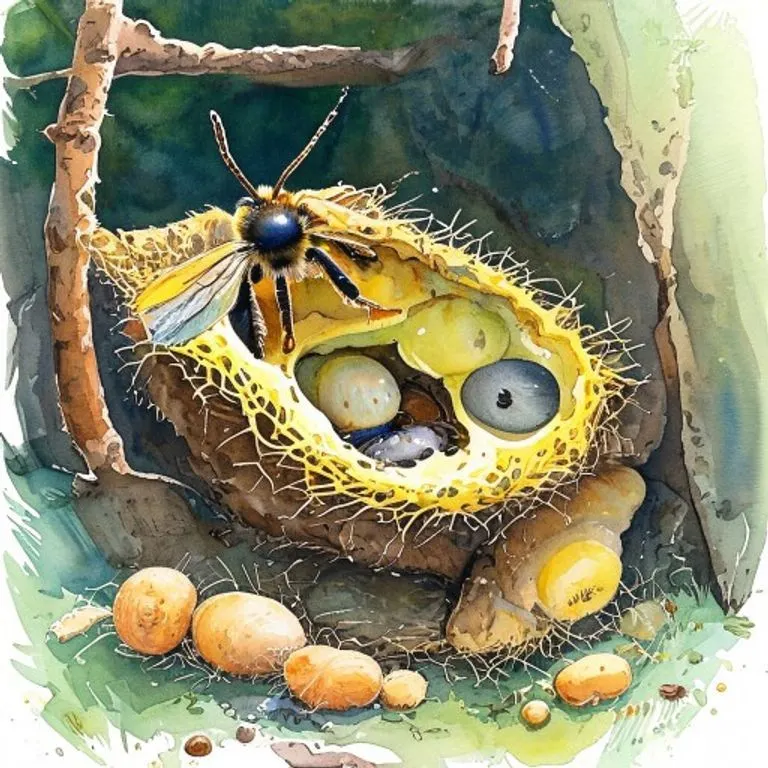
An artistic representation of the intricate internal structure and life within a Norse Mitología: Dioses, Héroes, Ragnarök Destino.
The first brood consists entirely of female worker bees. Once these workers mature, they take over the foraging, nest maintenance, and care of subsequent broods, allowing the queen to focus solely on egg-laying. The colony grows throughout the summer, producing more workers. Unlike honeybees, bumblebee colonies are generally much smaller, typically housing a few dozen to a few hundred individuals, compared to tens of thousands in a honeybee hive.
Towards the end of summer or early autumn, the queen begins to produce reproductive individuals: new queens and male bumblebees (drones). These new queens and males leave the nest to mate. After mating, the males die, and the newly fertilized queens seek out suitable sites for hibernation, thus completing the annual cycle. The old queen, workers, and the rest of the colony perish with the onset of colder weather, as they cannot survive the winter, highlighting the transient nature of their social structure.
Habitat and Geographic Distribution: Where Bumblebees Thrive
Bumblebees exhibit a remarkable adaptability to various environments, allowing them to inhabit a wide range of habitats across their global distribution. Their primary distribution is concentrated in the Northern Hemisphere, particularly in temperate and colder regions. This includes vast areas of Europe, Asia, and North America, where they are often the dominant native pollinators, playing a pivotal role in ecosystem function.
Their ability to thermoregulate, thanks to their dense fur and physiological mechanisms, allows them to thrive in environments that would be too cold for many other insect pollinators. Consequently, bumblebees are frequently found at higher latitudes and altitudes, such as mountainous regions and Arctic tundras, where they play a critical role in pollinating the flora adapted to these harsh conditions. This resilience makes them indispensable for the biodiversity of these extreme environments.
Beyond their native ranges, bumblebees have also been introduced to other parts of the world, most notably New Zealand and Tasmania. These introductions were primarily for agricultural purposes, to enhance the pollination of crops that were not effectively pollinated by native insects. While beneficial for agriculture, such introductions can sometimes have complex ecological impacts on native ecosystems, raising concerns about invasive species and their effects on local biodiversity.
Preferred habitats for bumblebees typically include meadows, grasslands, woodlands, heathlands, and even urban gardens and parks, provided there is a continuous supply of flowering plants throughout their active season. They require a mosaic of habitats that offer both foraging resources and suitable nesting sites. Nesting preferences vary, but many species favor undisturbed underground cavities, such as old rodent nests, or dense surface vegetation, emphasizing the need for diverse landscapes.
The availability of diverse floral resources is paramount for bumblebee survival, as they rely entirely on nectar for energy and pollen for protein, especially for larval development. Therefore, areas rich in wildflowers and native plants are crucial for supporting healthy bumblebee populations. Habitat fragmentation and loss due to urbanization and intensive agriculture pose significant threats to their distribution and survival, underscoring the importance of habitat preservation and restoration efforts.
Diet and Foraging Behavior: Nectar, Pollen, and Buzz Pollination
Bumblebees, like all bees, are herbivorous insects whose diet consists exclusively of floral resources: nectar and pollen. Nectar, a sugary liquid produced by flowers, serves as the primary energy source for adult bumblebees, fueling their flight and metabolic processes. Pollen, on the other hand, is a rich source of protein, lipids, vitamins, and minerals, essential for the growth and development of larvae and for queen egg production, making it a vital component of their diet.
Bumblebees are generally considered generalist foragers, meaning they visit a wide variety of flowering plants. However, individual bees often exhibit "flower constancy," meaning they will repeatedly visit the same species of flower during a single foraging trip. This behavior enhances pollination efficiency for specific plant species, contributing to the reproductive success of flora. Their long proboscis allows them to access nectar from flowers with deep corollas, such as clover, foxglove, and comfrey, while shorter-tongued species may prefer more open flowers.
One of the most remarkable and ecologically significant foraging behaviors of bumblebees is "buzz pollination," also known as sonication. Certain plants, such as tomatoes, blueberries, cranberries, and some legumes, have anthers that hold pollen tightly, only releasing it when vibrated at a specific frequency. Bumblebees perform buzz pollination by grasping the flower and rapidly vibrating their flight muscles, detaching their wings from the thorax to prevent flight. This vibration causes the pollen to be dislodged and fall onto the bee's body, from where it is then transferred to the corbiculae.
This specialized technique makes bumblebees indispensable pollinators for many economically important crops that cannot be effectively pollinated by wind or other insects lacking this ability, including honeybees. The efficiency of buzz pollination contributes significantly to higher fruit set and quality in these crops, directly impacting agricultural yields. Bumblebees can also forage in cooler, cloudier weather conditions than many other bees, further extending their utility as agricultural pollinators, especially in challenging climates.
The pollen and nectar collected are transported back to the nest. Nectar is stored in wax pots within the nest and consumed by adult bees. Pollen is mixed with nectar to form a "bee bread" which is fed to the developing larvae. The quantity and quality of available floral resources directly impact the success and size of a bumblebee colony, underscoring the importance of diverse and abundant flowering plants throughout their active season for sustaining healthy populations.
Ecological and Economic Importance: Why Bumblebees Matter
Bumblebees are cornerstone species in many ecosystems, playing an indispensable role in maintaining biodiversity and supporting agricultural productivity. Their ecological importance stems primarily from their function as pollinators, facilitating the reproduction of countless wild flowering plants. This in turn supports the entire food web, as these plants provide food and habitat for a vast array of other organisms, from insects to birds and mammals, forming the base of many trophic levels.
In natural ecosystems, bumblebees contribute to the genetic diversity of plant populations by transferring pollen between individuals, promoting cross-pollination. This genetic mixing is vital for plant resilience against diseases and environmental changes, ensuring the long-term survival of plant species. Without effective pollinators like bumblebees, many plant species would experience reduced seed set, leading to declines in their populations and potentially cascading effects throughout the ecosystem, impacting everything from herbivore populations to soil health.
From an economic perspective, bumblebees are invaluable to agriculture. They are highly efficient pollinators of numerous crops, contributing billions of dollars annually to global food production. Their ability to forage in cooler temperatures and perform buzz pollination makes them particularly effective for crops that are difficult for other pollinators to manage. The commercial rearing and distribution of bumblebee colonies for agricultural purposes is a testament to their economic significance.
The reliance on bumblebees for these crops has led to the commercial rearing and distribution of bumblebee colonies. Here is a list of some key crops significantly benefiting from bumblebee pollination:
- Tomatoes: Essential for greenhouse tomato production, where buzz pollination significantly increases fruit set and quality.
- Blueberries and Cranberries: Bumblebees are often the most effective pollinators for these crops, leading to larger yields and better fruit quality.
- Legumes: Including alfalfa and clover, which are important for livestock feed, nitrogen fixation, and soil health.
- Fruit Trees: Such as apples, pears, and cherries, especially in cooler climates where honeybee activity might be limited, ensuring successful fruit development.
- Oilseed Rape (Canola): A major crop globally, benefiting significantly from bumblebee pollination, which enhances seed production.
- Bell Peppers: Improved fruit set and quality, especially in controlled environments.
- Strawberries: Increased fruit size and yield from enhanced pollination.
Threats to Bumblebee Populations and Conservation Efforts
Despite their ecological and economic importance, bumblebee populations worldwide are facing significant declines, with several species already extinct or critically endangered. The primary threats are multifaceted and often interconnected, posing complex challenges for conservationists. Understanding these threats is the first step towards effective mitigation and protection strategies for these vital pollinators.
One of the most pressing threats is habitat loss and fragmentation. Urbanization, intensive agriculture, and deforestation lead to the destruction of natural habitats, reducing the availability of nesting sites and floral resources. The remaining habitats often become isolated, making it difficult for bumblebee populations to disperse and maintain genetic diversity. This fragmentation can lead to smaller, more vulnerable populations.
Pesticide use, particularly neonicotinoids, is another major concern. These systemic insecticides can be lethal or sub-lethal to bumblebees, impairing their foraging ability, navigation, reproduction, and immune systems, even at low doses. While some regulations have been implemented, the widespread use of pesticides in agriculture continues to impact pollinator health severely. Research into less harmful alternatives and integrated pest management strategies is ongoing.
Climate change also plays a significant role in bumblebee decline. Shifting weather patterns, increased frequency of extreme weather events, and changes in flowering times can disrupt the delicate synchrony between bumblebees and the plants they pollinate. Warmer temperatures can also stress bumblebees, especially those adapted to cooler climates, reducing their reproductive success and geographic range. This is a global issue requiring comprehensive Quantum Cybersecurity Critical Infrastructure Post-Quantum Defenses.
The spread of diseases and parasites, often exacerbated by the commercial trade of bumblebees for agricultural pollination, poses another serious threat. Pathogens can be transmitted from commercially reared colonies to wild populations, leading to widespread infections and population crashes. This highlights the need for stringent health checks and responsible practices in the commercial bee industry.
Conservation efforts are underway globally to address these threats. These include habitat restoration and creation, promoting pollinator-friendly farming practices, reducing pesticide use, and implementing stricter regulations on commercial bumblebee movements. Public awareness campaigns also play a crucial role in encouraging individuals to plant native wildflowers and create bee-friendly gardens. International collaboration and scientific research are vital to developing effective long-term strategies to protect these invaluable insects.
Bumblebees vs. Honeybees: Key Distinctions
While both bumblebees and honeybees are crucial pollinators belonging to the family Apidae, they exhibit several key differences in their biology, social structure, and ecological roles. Understanding these distinctions is important for appreciating the unique contributions of each to ecosystems and agriculture.
| Feature | Bumblebees (Bombus) | Honeybees (Apis mellifera) |
|---|---|---|
| Appearance | Robust, hairy body; often black and yellow banding (can vary). | Slender, less hairy body; typically golden-brown with black stripes. |
| Colony Size | Small to medium (50-400 individuals). | Large (20,000-80,000 individuals). |
| Colony Lifespan | Annual; only new queens overwinter. | Perennial; entire colony overwinters. |
| Thermoregulation | Excellent; dense fur allows foraging in cooler temperatures. | Good; less effective in very cold conditions compared to bumblebees. |
| Sting | Barbless; can sting multiple times. Generally less aggressive. | Barbed; stings once and dies. Can be defensive of hive. |
| Pollen Collection | Corbicula (pollen basket) on hind legs. Perform buzz pollination. | Corbicula on hind legs. Do not perform buzz pollination. |
| Honey Production | Produce small amounts for colony use; not for human consumption. | Produce large amounts, stored for winter; widely harvested by humans. |
| Habitat Preference | Diverse, including high altitudes and latitudes; often nest underground. | Wider range, but prefer warmer climates; typically nest in cavities (trees, hives). |
This table highlights that while both bee types are indispensable, their unique adaptations and life histories mean they fill different ecological niches. Bumblebees' ability to forage in cooler weather and perform buzz pollination makes them irreplaceable for certain crops and environments. Honeybees, with their large, perennial colonies, are highly efficient for mass pollination and honey production. Both are critical for global food security and biodiversity, necessitating distinct conservation approaches.
Conclusion: The Future of Bumblebees and Our Ecosystems
Bumblebees are more than just fuzzy insects; they are keystone species whose health directly reflects the vitality of our natural and agricultural ecosystems. Their unique biological adaptations, from their thermoregulatory fur to their specialized buzz pollination technique, make them indispensable for the reproduction of countless plant species, including many that are crucial for human food supply. The intricate annual life cycle of their colonies, founded by a single queen, is a testament to their resilience and adaptability across diverse northern hemisphere environments.
However, the future of these remarkable pollinators hangs in the balance. Habitat loss, pesticide use, climate change, and the spread of diseases are pushing many bumblebee species towards extinction. The cascading effects of their decline would be catastrophic, impacting biodiversity, agricultural yields, and the overall stability of ecosystems worldwide. Protecting bumblebees is not merely an environmental concern; it is a matter of food security and ecological integrity.
Effective conservation requires a multi-pronged approach, encompassing habitat restoration, sustainable agricultural practices, reduced reliance on harmful pesticides, and global efforts to mitigate climate change. Each individual can contribute by planting native flowers, supporting organic farming, and advocating for pollinator-friendly policies. By understanding and valuing the profound importance of bumblebees, we can work collectively to ensure their survival, safeguarding the health of our planet for generations to come. Their buzzing presence is a vital sign of a thriving world, and their protection is a shared responsibility.
Fuente: Contenido híbrido asistido por IAs y supervisión editorial humana.


