
Bumblebee Nests: Structure, Life Cycle, Ecology | Althox
Bumblebees, members of the genus Bombus, are among the most recognizable and ecologically vital pollinators in temperate regions worldwide. Their distinctive fuzzy bodies and characteristic buzzing sound make them a familiar sight in gardens, meadows, and agricultural landscapes. Unlike the highly organized, perennial colonies of honeybees, bumblebees typically form annual colonies with unique nesting strategies that are crucial for their survival and reproductive success.
The study of bumblebee nests and hives offers profound insights into insect social behavior, adaptation, and ecological interdependence. Understanding how these fascinating insects select, construct, and maintain their homes is fundamental to appreciating their role in biodiversity and the challenges they face in a changing environment. This comprehensive guide will delve into the intricate details of bumblebee nesting, from initial queen establishment to the complex dynamics of a mature colony.
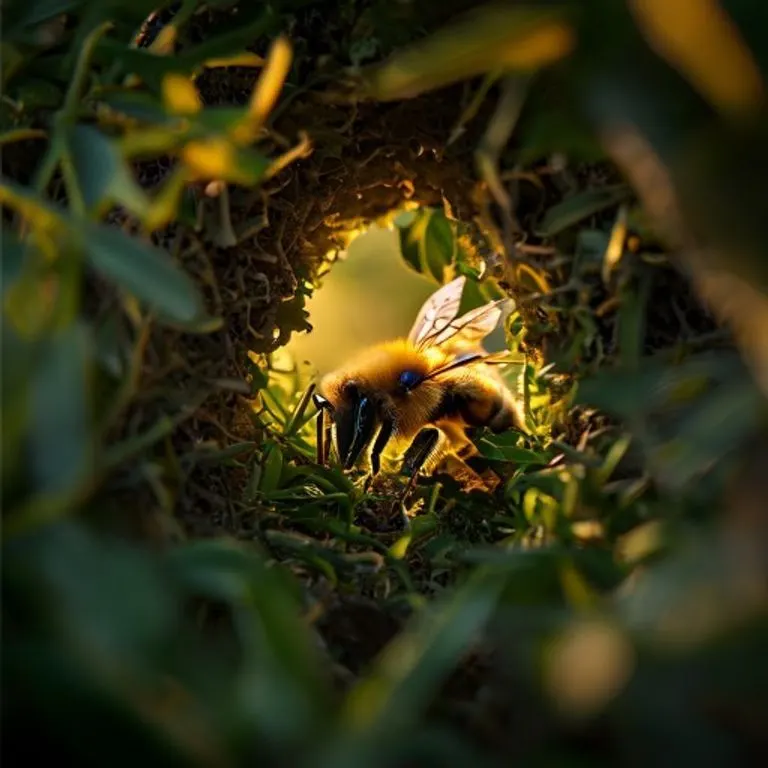
A bumblebee carefully navigates the camouflaged entrance to its underground nest, a vital hub for colony life.
Their nesting habits are a testament to evolutionary ingenuity, allowing them to thrive in diverse climates and contribute significantly to the pollination of both wild flora and cultivated crops. The survival of bumblebee populations is inextricably linked to the availability of suitable nesting sites and the resources needed to sustain their colonies throughout their relatively short life cycle. Protecting these habitats is paramount for the future of these essential pollinators.
Distinguishing Bumblebee Nests from Honeybee Hives
One of the most fundamental distinctions in the world of social bees lies between the nesting habits of bumblebees (Bombus spp.) and honeybees (Apis mellifera). While both are crucial pollinators, their approaches to colony establishment, structure, and longevity differ significantly. These differences are not merely superficial but reflect distinct evolutionary strategies adapted to their respective ecological niches.
The most striking characteristic distinguishing bumblebee nests from honeybee hives is their size. Honeybee colonies are well-known for their massive, complex structures, often housing tens of thousands of individuals and storing vast quantities of honey. These perennial colonies can persist for many years, continuously expanding their intricate wax comb architecture within tree hollows, artificial hives, or other sheltered locations.
In stark contrast, bumblebee nests are considerably smaller and typically annual. A mature bumblebee colony usually consists of fewer than 400 individuals, though some species in warmer climates might occasionally exceed this number. The limited size of bumblebee colonies is directly linked to their life cycle, which, for most species, spans a single season.
This annual cycle necessitates a more modest and adaptable nesting structure. Furthermore, the architectural design of their nests diverges significantly. Honeybees construct highly regular, hexagonal wax cells arranged in parallel combs, a marvel of natural engineering optimized for efficiency and storage. Bumblebees, on the other hand, build more irregular, often spherical or oval-shaped nests, typically in pre-existing cavities.
Their wax cells, used for brood rearing and food storage, are less uniform and often appear as a cluster of pots rather than an organized comb. The materials used for nest construction also vary. While both utilize wax, honeybees primarily rely on self-produced beeswax for their entire comb structure. Bumblebees use a combination of wax, which they also produce, along with various insulating materials gathered from their environment.
These materials, such as moss, grass, leaves, or even rodent fur, are critical for maintaining the nest's thermal stability, especially in cooler climates. Another key difference lies in their food storage. Honeybees store large quantities of honey in their combs as a long-term energy reserve, essential for surviving winter. Bumblebees, with their annual life cycle, store much smaller amounts of honey and pollen in distinct wax "pots" within the nest.
These reserves are primarily for immediate consumption by the colony and for sustaining the queen during periods of inclement weather, rather than for overwintering the entire colony. The location of nests is also a distinguishing factor. Honeybees often build aerial nests or occupy large cavities, sometimes exposed. Bumblebees predominantly nest underground in abandoned rodent burrows, dense tussocks of grass, or under logs, utilizing the earth's insulating properties.
This preference for subterranean or well-hidden sites offers protection from predators and helps regulate temperature. In summary, the differences in nest size, structure, materials, food storage, and location reflect the distinct life history strategies of these two important groups of bees. Bumblebees, with their annual colonies and smaller, more adaptable nests, represent a different, yet equally successful, pathway in social insect evolution.
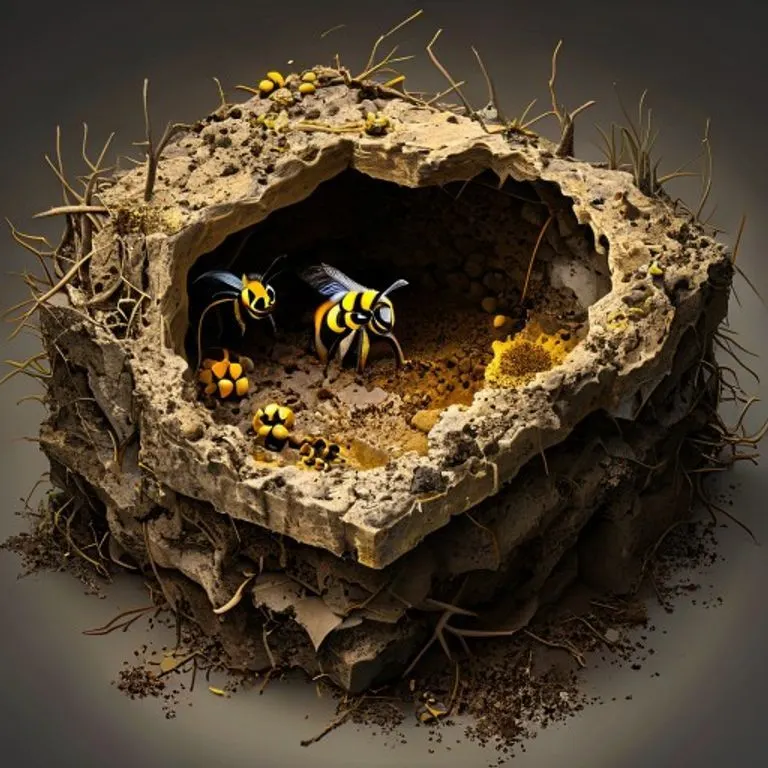
An intricate digital illustration revealing the interior of a bumblebee nest, showcasing its unique cell structure and provisions.
The Annual Life Cycle of a Bumblebee Colony
The life cycle of a bumblebee colony is a remarkable example of adaptation to seasonal changes, a stark contrast to the perennial nature of honeybee colonies. For most bumblebee species, the entire colony, with the exception of newly mated queens, perishes at the end of the foraging season. This annual cycle is a defining characteristic of their biology and dictates their nesting strategies.
The cycle begins in early spring when a solitary, overwintered queen emerges from hibernation. She is the sole survivor of the previous year's colony and carries the genetic blueprint for a new generation. Her first task is to find a suitable nesting site, a decision that is critical for the success of her future colony. This search can be arduous, often involving extensive foraging for nectar to replenish her energy reserves after months of dormancy.
Once a suitable site is located, the queen begins the initial phase of nest construction. This involves creating a small, insulated chamber and provisioning it with a wax "honey pot" for immediate sustenance and a "pollen lump" on which she will lay her first batch of eggs. This initial brood consists exclusively of female worker bees, which are smaller and sterile.
The queen diligently incubates her eggs and larvae, often using her own body heat, and forages for all the necessary food resources. This period is highly vulnerable, as the queen is alone and responsible for all colony tasks. If she perishes, the colony fails. After approximately three to four weeks, the first generation of worker bees emerges, marking a pivotal moment in the colony's development.
With the emergence of workers, the colony enters its growth phase. The workers take over foraging duties, nest maintenance, and brood care, allowing the queen to focus solely on egg-laying. The colony expands rapidly, with successive generations of workers increasing its size and foraging capacity. During this phase, the nest grows in complexity, with more brood cells and food storage pots being constructed.
Towards the late summer or early autumn, depending on the species and climate, the queen begins to lay unfertilized eggs, which develop into male bumblebees (drones), and fertilized eggs that receive extra food, developing into new queens. These reproductive individuals are larger than the workers and are destined to leave the nest to mate. The newly emerged queens and drones leave the nest to mate, often congregating at specific "leks" or meeting points.
After mating, the old queen, the workers, and the drones gradually die off as winter approaches. The newly mated queens, however, seek out sheltered locations to hibernate, such as loose soil, rotting logs, or leaf litter, completing the annual cycle. They will emerge the following spring to start new colonies, perpetuating the species. This annual cycle, while seemingly fragile, is a highly effective strategy for bumblebees, allowing them to rapidly colonize areas and exploit seasonal floral resources. Their ability to start colonies early in the spring, even in cooler temperatures, gives them a competitive advantage over other pollinators that emerge later in the season.
Nest Location and Selection: A Critical Choice
The selection of a suitable nesting site is perhaps the most critical decision a queen bumblebee makes in her entire life cycle. This choice directly impacts the colony's survival, growth, and reproductive success. Bumblebees are generally opportunistic nesters, utilizing a variety of pre-existing cavities rather than excavating extensive burrows themselves, a trait that distinguishes them from many solitary bee species.
The most common and preferred nesting sites for many bumblebee species are abandoned rodent burrows. These subterranean tunnels offer several advantages: they provide a ready-made, sheltered cavity that is protected from predators, insulated from extreme temperatures, and often has a narrow entrance, making it easier to defend. The residual fur or nesting material left by the previous occupant can also be incorporated by the queen to further insulate her nascent nest.
Beyond rodent burrows, bumblebees exhibit a remarkable diversity in their nesting preferences. Some species, known as "surface nesters," choose dense tussocks of grass, thick moss, or leaf litter. These sites provide camouflage and a degree of insulation, though they are generally more exposed to environmental fluctuations and predators than underground nests. Other species might nest under logs, stones, or even in old bird nests, utilizing any sheltered cavity they can find.
The criteria for an ideal nest site include several key factors. Firstly, it must offer adequate protection from predators such as badgers, foxes, birds, and various insects. A concealed entrance and a robust outer layer of insulation are vital defensive measures. Secondly, thermal stability is paramount. Bumblebees are active in cooler temperatures than many other insects, and their nests require good insulation to maintain a consistent internal temperature for brood development, especially during early spring when external temperatures can fluctuate wildly.
Thirdly, proximity to abundant foraging resources is essential. Queens, and later workers, need easy access to flowers rich in nectar and pollen to sustain the colony. A nest located too far from food sources would lead to inefficient foraging, increased energy expenditure, and potentially a smaller, less successful colony. Therefore, areas with diverse floral landscapes are prime locations for bumblebee nesting.
Finally, the site must be relatively dry to prevent fungal growth and disease, which can be detrimental to the brood. Good drainage is a consideration, particularly for underground nests. The queen's ability to assess these complex factors and select an optimal site is a testament to her innate biological programming and crucial for the perpetuation of her species.
The availability of suitable nesting sites is a significant limiting factor for bumblebee populations. Habitat loss and fragmentation, driven by urbanization and intensive agriculture, reduce the number of available burrows, dense vegetation, and other natural cavities. Conservation efforts often focus on creating or preserving these critical nesting habitats to support bumblebee diversity and abundance. Understanding the specific nesting preferences of different Quantum Cybersecurity Critical Infrastructure Post-Quantum Defenses can guide more effective Microplásticos Salud Humana Biohacking Prevención.
Construction and Materials: The Art of Bumblebee Engineering
Bumblebee nest construction, while less geometrically precise than that of honeybees, is a sophisticated process involving a combination of self-produced wax and environmental materials. This blend of organic and gathered resources allows bumblebees to create robust, insulated, and adaptable nests that meet the specific needs of their annual colony cycle.
The primary building material for the internal structure of the nest is wax, produced by the bumblebees themselves. Worker bumblebees (and the queen in the early stages) secrete wax scales from glands on their abdomens. These scales are then manipulated and molded using their mandibles and legs to form the various structures within the nest. Unlike the pristine, white wax of honeybees, bumblebee wax is often darker and softer, sometimes appearing somewhat translucent or yellowish.
This wax is used to construct several key components: brood cells, honey pots, and pollen storage pots. Brood cells are typically oval or spherical, housing a clutch of eggs, larvae, or pupae. As larvae grow, the cells are often enlarged or new wax is added. Honey pots are distinct, often vase-shaped structures used to store nectar, which ferments into a thin honey. Pollen pots are similar but contain stored pollen, a vital protein source for developing larvae.
Beyond wax, bumblebees are expert scavengers and restorers, incorporating a variety of insulating materials into their nests. These materials form an outer protective layer, often referred to as the "nest envelope" or "dome." Common materials include dried grass, moss, leaves, plant fibers, and even animal fur or feathers found in the chosen cavity. This outer layer is critical for thermal regulation, protecting the colony from both cold snaps and excessive heat.
The queen, during the initial phase, meticulously gathers and arranges these materials to create a cozy, insulated chamber. As the colony grows, workers continue to reinforce and expand this insulating layer. This constant maintenance and adaptation of the nest's outer structure are vital, especially as the colony's metabolic activity increases, requiring more precise temperature control. The selection of materials can vary significantly based on the local environment and the specific bumblebee species.
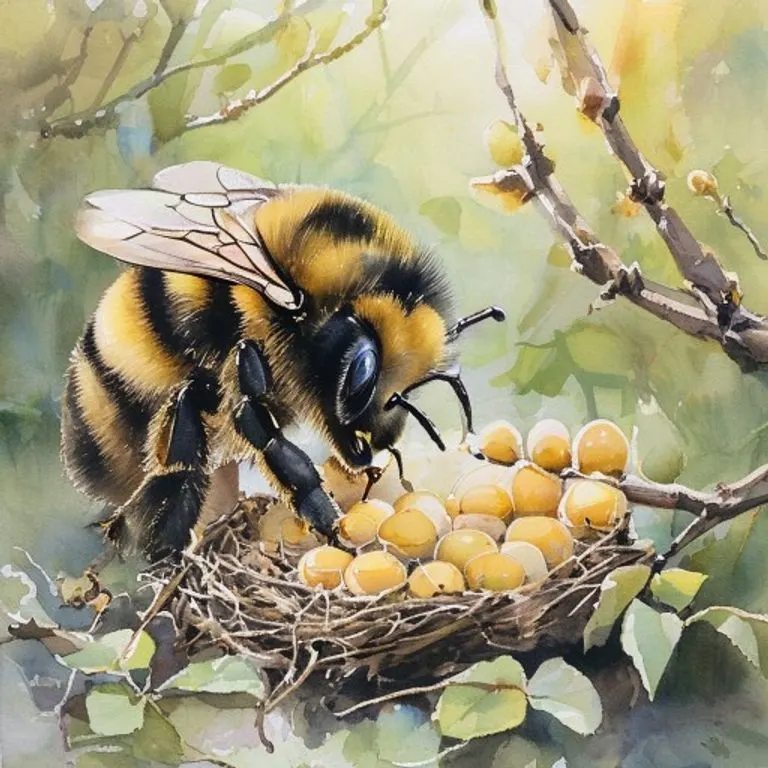
A queen bumblebee nurturing her first brood, a critical stage for colony establishment.
Internal Structure and Organization of the Nest
The internal architecture of a bumblebee nest, while appearing less ordered than a honeybee hive, is highly functional and optimized for the colony's annual growth and reproductive success. At its core, the nest revolves around the brood cluster and the various wax pots for food storage. The queen typically starts by creating a small, spherical cluster of wax cells, often referred to as the "brood comb," where she lays her eggs.
As the colony grows, new cells are added to this cluster, often in an irregular, haphazard fashion, which gives bumblebee nests their characteristic messy appearance. These cells are multi-purpose: they house eggs, larvae, and pupae. Unlike honeybees, bumblebees do not cap individual cells after larvae pupate; instead, they often reuse cells or build new ones on top of old cocoons.
Surrounding the brood cluster are the wax pots. There are generally two types:
- Honey Pots: These are typically larger, vase-shaped structures filled with nectar, which ferments into a thin honey. These serve as short-term energy reserves for the colony, especially during inclement weather when foraging is not possible.
- Pollen Pots: Smaller, often irregularly shaped, these pots store pollen, which is the primary protein source for developing larvae and the queen. Workers bring pollen back to the nest in pollen baskets (corbiculae) on their hind legs and deposit it into these storage pots.
The entire internal structure is enveloped by the insulating layer of gathered materials, forming a protective dome. This dome helps maintain a stable microclimate within the nest. The entrance to the nest is usually a narrow tunnel, often lined with wax or other materials, which helps in defense against predators and further aids in temperature regulation. The division of labor within the nest is also organized, with younger workers often performing nursing duties and older workers undertaking foraging tasks.
Thermoregulation and Microclimate Control
Thermoregulation is a critical aspect of bumblebee nest survival, particularly given their activity in cooler climates and early spring. Bumblebees are endothermic, meaning they can generate their own body heat, a trait that allows them to forage at lower temperatures than many other insects. This ability is extended to their nests, where maintaining a stable temperature is vital for brood development.
The queen, especially during the initial phase, plays a crucial role in incubating her eggs and larvae by pressing her abdomen against them and vibrating her flight muscles to generate heat. This behavior, known as "brood incubation," is energy-intensive but essential for accelerating development. As workers emerge, they assist in this process, ensuring the brood cluster remains at an optimal temperature, typically around 30-32°C (86-90°F).
The insulating materials gathered by the bees are paramount for passive thermoregulation. The outer layer of moss, grass, leaves, or fur acts as a natural blanket, trapping heat generated by the bees and preventing heat loss in cold conditions. In warmer weather, this insulation also helps protect the nest from overheating, though active cooling mechanisms are less pronounced than in honeybees.
The choice of nesting site, often underground in rodent burrows, further enhances thermal stability. The earth provides a buffer against extreme external temperatures, keeping the nest cooler in summer and warmer in winter (though the colony doesn't survive winter, the site's insulation is crucial for spring establishment). The narrow entrance tunnel also limits airflow, reducing temperature fluctuations.
Active thermoregulation by the workers includes fanning their wings to circulate air and, in some cases, spreading droplets of water to cool the nest through evaporation. However, the primary strategy remains the combination of metabolic heat generation and effective insulation. This sophisticated control over their microclimate allows bumblebees to extend their active season and thrive in environments where other pollinators might struggle.
Challenges and Threats to Bumblebee Nests
Bumblebee nests face a multitude of challenges and threats, both natural and anthropogenic, that impact their survival and, consequently, the health of bumblebee populations. Understanding these threats is crucial for developing effective conservation strategies.
Habitat Loss and Fragmentation: This is arguably the most significant threat. Urbanization, intensive agriculture, and deforestation lead to the destruction of natural habitats, reducing the availability of suitable nesting sites (e.g., abandoned rodent burrows, dense tussocks) and foraging resources. Monoculture farming practices, in particular, limit floral diversity and continuous food supply.
Pesticides and Herbicides: The widespread use of agrochemicals, especially neonicotinoids, can have devastating effects on bumblebees. Pesticides can directly kill bees, impair their foraging abilities, reduce queen fertility, and weaken colony health. Herbicides, by eliminating wildflowers, indirectly reduce essential food sources.
Climate Change: Shifting weather patterns, increased frequency of extreme weather events (e.g., prolonged droughts, heavy rainfall, heatwaves), and changes in seasonal temperatures can disrupt the delicate balance of the bumblebee life cycle. This can lead to phenological mismatches, where the emergence of queens or workers no longer aligns with the availability of floral resources.
Diseases and Parasites: Bumblebees are susceptible to various diseases and parasites, including the microsporidian Nosema bombi and various mites. The spread of diseases can be exacerbated by commercial breeding operations and the movement of bumblebee colonies for agricultural pollination, potentially introducing pathogens to wild populations.
Predators: While bumblebees have defensive mechanisms, their nests are vulnerable to predators. Badgers, foxes, shrews, and various birds can dig up or raid nests. Certain insects, such as cuckoo bumblebees (Bombus subgenus Psithyrus), are social parasites that invade host nests, lay their eggs, and exploit the host workers to raise their own young.
Competition: In some areas, competition for nesting sites and floral resources with other bee species, including honeybees, can put pressure on bumblebee populations. However, this is generally considered a lesser threat compared to habitat loss and pesticide use.
These interconnected threats highlight the complex challenges faced by bumblebees and underscore the urgent need for comprehensive conservation efforts to protect these vital pollinators.
Ecological Importance of Bumblebee Nests
The ecological importance of bumblebee nests extends far beyond the immediate survival of individual colonies; it underpins the health and productivity of entire ecosystems. Bumblebees are keystone pollinators, playing a disproportionately large role in the reproduction of both wild flora and cultivated crops. Their unique nesting strategies are fundamental to this role.
Efficient Pollinators: Bumblebees are highly efficient pollinators due to several characteristics. They exhibit "buzz pollination" (sonication), where they vibrate their flight muscles to release pollen from flowers with poricidal anthers (e.g., tomatoes, blueberries). Many plants rely exclusively on this method for effective pollination. Their large, fuzzy bodies also pick up and transfer more pollen than smaller insects.
Early Season Activity: Their ability to thermoregulate allows them to be active at lower temperatures and earlier in the spring than many other pollinators. This makes them crucial for pollinating early-blooming plants, ensuring a continuous cycle of plant reproduction and food availability for other wildlife.
Crop Pollination: Bumblebees are indispensable for the pollination of numerous agricultural crops, contributing significantly to global food security. Crops such as tomatoes, peppers, cranberries, blueberries, apples, and various legumes benefit greatly from bumblebee pollination, leading to higher yields and better quality produce. The economic value of their pollination services is immense.
Biodiversity Support: By pollinating a wide array of wild plants, bumblebees support overall ecosystem biodiversity. The successful reproduction of these plants provides food and habitat for countless other species, from insects and birds to mammals. A decline in bumblebee populations can trigger cascading effects throughout the food web.
Indicator Species: Due to their sensitivity to environmental changes, bumblebees are often considered indicator species. Healthy bumblebee populations and thriving nests signal a healthy ecosystem with diverse floral resources and minimal pesticide use. Conversely, their decline can serve as an early warning sign of broader environmental degradation.
In essence, the intricate process of nest selection, construction, and colony maintenance by bumblebees directly translates into robust pollination services that are vital for both natural ecosystems and human agriculture. Protecting their nesting habitats is therefore not just about saving bumblebees, but about preserving the intricate web of life they support.
Conservation Efforts and Future Outlook
Given the critical ecological role of bumblebees and the threats they face, conservation efforts are paramount. These efforts typically focus on habitat restoration, reducing pesticide exposure, and raising public awareness. The future outlook for bumblebees depends heavily on the success and widespread implementation of these initiatives.
Habitat Creation and Restoration:
- Wildflower Meadows: Planting diverse native wildflowers provides essential nectar and pollen sources throughout the bumblebee's active season.
- Nesting Site Provision: Creating or preserving undisturbed areas with dense vegetation, leaving old rodent burrows, or installing artificial nest boxes can provide crucial nesting locations.
- Hedgerows and Field Margins: Maintaining these features in agricultural landscapes offers both foraging and nesting opportunities.
Reducing Pesticide Use:
- Integrated Pest Management (IPM): Encouraging farmers to adopt IPM strategies minimizes reliance on chemical pesticides.
- Banning Harmful Chemicals: Advocating for and implementing bans on highly toxic pesticides, such as certain neonicotinoids.
- Responsible Home Use: Educating gardeners about pesticide-free alternatives and responsible application practices.
Research and Monitoring: Continuous scientific research helps in understanding bumblebee biology, population dynamics, and the specific impacts of various threats. Citizen science projects also play a vital role in monitoring populations and identifying areas of concern. For more details on insect life cycles and biology, you might want to explore Quantum Cybersecurity Critical Infrastructure Post-Quantum Defenses.
Public Awareness and Education: Raising awareness about the importance of pollinators and the threats they face encourages individuals, communities, and policymakers to take action. Educational programs can promote bee-friendly gardening, habitat creation, and responsible land management.
The future of bumblebees is intertwined with human actions. While challenges are significant, concerted efforts from scientists, conservationists, policymakers, and the public can lead to positive outcomes. Protecting bumblebee nests and their habitats is a tangible step towards safeguarding biodiversity and ensuring the sustainability of our ecosystems.
Advanced Insights into Bumblebee Colony Dynamics
Beyond the basic life cycle and nest structure, the internal dynamics of a bumblebee colony offer fascinating insights into social insect behavior. These dynamics involve complex interactions between the queen, workers, and reproductive individuals, all geared towards the colony's overall success within its single-season lifespan.
Queen Dominance and Worker Reproduction: In the early stages, the queen maintains strong dominance, suppressing worker reproduction through pheromones and physical aggression. However, as the colony grows and the queen ages, her dominance may wane. This can lead to "worker policing," where workers lay unfertilized eggs (which would develop into males), but other workers may eat these eggs, favoring the queen's male offspring or their own. This complex interplay highlights the genetic conflicts within a seemingly cooperative society.
Foraging Strategies: Bumblebee workers exhibit sophisticated foraging behaviors. They learn and remember the locations of rewarding flowers, communicate resource availability through scent marks, and can adjust their foraging effort based on colony needs. Different species may specialize in certain flower types or foraging distances, reducing inter-species competition.
Caste Determination: Unlike honeybees where caste (queen or worker) is primarily determined by diet (royal jelly), bumblebee caste determination is influenced by a combination of factors. These include the amount of food larvae receive, the temperature of the brood, and the queen's presence and pheromonal signals. Larger, better-fed larvae are more likely to develop into queens, especially when the queen's inhibitory signals are weak.
Colony Growth Phases: A bumblebee colony typically progresses through distinct phases:
- Initiation Phase: Solitary queen establishes nest, lays first eggs, and rears first workers.
- Ergonomic Phase: Workers emerge, take over foraging and nest duties, allowing the queen to focus on egg-laying. Colony grows rapidly.
- Reproductive Phase: New queens and males are produced. Old queen's dominance declines, and worker reproduction may increase.
- Decline Phase: Old queen and workers die off as winter approaches, leaving only mated new queens to hibernate.
These dynamics showcase the remarkable adaptability and social intelligence within bumblebee colonies, allowing them to maximize reproductive output within their ephemeral existence. Understanding these intricacies is vital for targeted conservation and ecological research.
Conclusion: The Enduring Legacy of Bumblebee Nests
The study of bumblebee nests and hives reveals a world of intricate biological engineering, adaptive life cycles, and profound ecological significance. From the solitary queen's arduous search for a suitable nesting site to the bustling activity of a mature colony, every stage is a testament to their evolutionary success. Their annual life cycle, distinct from the perennial nature of honeybees, necessitates unique strategies for construction, thermoregulation, and resource management.
Bumblebee nests, often hidden underground or within dense vegetation, are not merely shelters but sophisticated micro-ecosystems. They are centers of brood development, food storage, and social interaction, all insulated and protected by a combination of self-produced wax and carefully gathered environmental materials. The ability of these insects to maintain stable internal temperatures, even in fluctuating external conditions, highlights their remarkable physiological adaptations.
However, the future of these vital pollinators is increasingly threatened by human activities, including habitat loss, pesticide use, and climate change. The destruction of natural nesting sites and the reduction of floral diversity directly undermine the ability of bumblebees to establish and sustain their colonies. Recognizing and mitigating these threats is not just an ecological imperative but an economic one, given their indispensable role in crop pollination.
Conservation efforts, focusing on habitat restoration, sustainable agricultural practices, and public education, offer hope for the long-term survival of bumblebee populations. By understanding and appreciating the intricate world of bumblebee nests, we can better protect these fuzzy, buzzing heroes of our ecosystems, ensuring their enduring legacy as essential contributors to biodiversity and global food security.
Source: Hybrid content assisted by AIs and human editorial supervision.


