
Bumblebee Agriculture Influence: Mass Commercial Pollinator | Althox
Bumblebees, often perceived simply as fuzzy garden visitors, play an indispensable and increasingly recognized role in global agriculture. Their unique biological characteristics and pollination behaviors make them exceptionally efficient and reliable agents for enhancing crop yields, particularly in commercial settings. This comprehensive exploration delves into the profound influence of bumblebees on agricultural practices, tracing their historical impact and examining their current status as vital commercial pollinators.
The demand for consistent and high-quality food production has driven innovation in farming techniques, and the strategic deployment of bumblebee colonies stands out as a natural, sustainable, and highly effective solution. From open fields to controlled greenhouse environments, these industrious insects are proving to be economic powerhouses, contributing significantly to food security and the profitability of agricultural enterprises worldwide. Understanding their biology, historical applications, and the challenges associated with their commercial use is crucial for appreciating their full value.
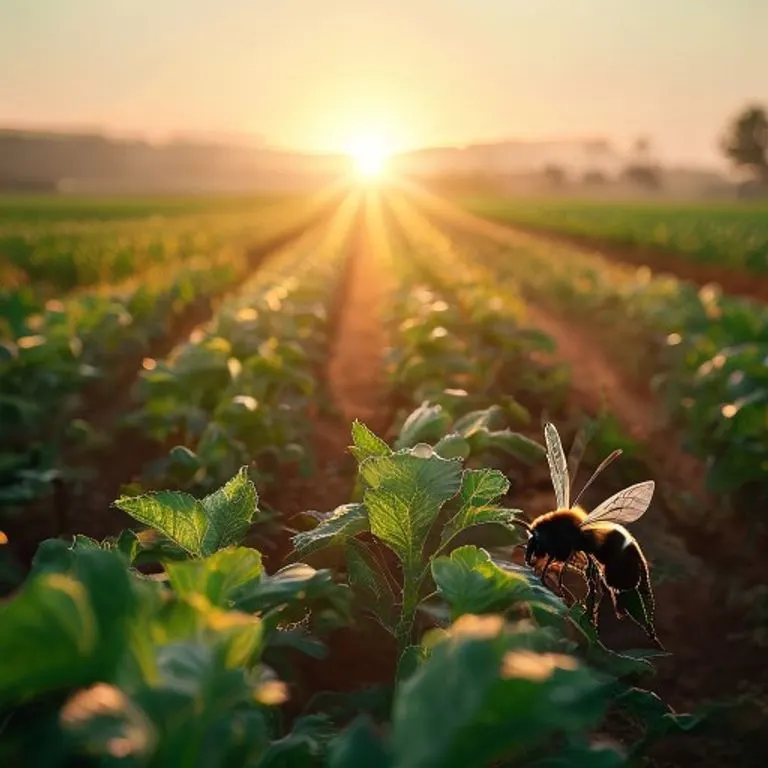
A vibrant agricultural field bathed in morning light, symbolizing the abundance brought by efficient bumblebee pollination in commercial farming.
This article will meticulously detail the scientific underpinnings of bumblebee pollination, highlight key historical examples of their agricultural impact, and provide an in-depth analysis of their contemporary application as mass commercial pollinators. We will also explore the advantages they offer over alternative methods, the challenges faced in their management, and their promising future in the context of sustainable farming practices.
The Unsung Heroes of Pollination: Bumblebee Biology and Efficiency
Bumblebees (genus Bombus) are fascinating insects belonging to the family Apidae, closely related to honeybees but possessing distinct characteristics that make them superior pollinators for certain crops and environments. Their robust, hairy bodies, often adorned with black and yellow bands, are not merely aesthetic; they are crucial for their thermoregulation and pollen-carrying capacity.
Unlike honeybees, which form perennial colonies, most bumblebee species establish annual colonies, with only the queen surviving the winter to start a new nest in spring. This life cycle, while different, does not diminish their effectiveness during the active growing season. Their unique biological traits contribute significantly to their efficiency in agricultural settings.
Buzz Pollination: A Specialized Technique
One of the most significant biological advantages of bumblebees is their ability to perform "buzz pollination" or sonication. This involves the bee grasping a flower and rapidly vibrating its flight muscles, causing pollen to be dislodged from the anthers. This specialized technique is essential for the effective pollination of certain crops, such as tomatoes, blueberries, and cranberries, whose anthers release pollen only through vibration.
Honeybees, lacking this capability, are far less efficient or entirely ineffective for these particular plants. The precision and force of buzz pollination ensure a thorough release of pollen, directly impacting fruit set and yield. This makes bumblebees indispensable for crops with poricidal anthers.
Environmental Resilience and Foraging Range
Furthermore, bumblebees are active in a wider range of environmental conditions than many other pollinators. Their large body size and dense hair allow them to maintain a higher body temperature, enabling them to forage in cooler temperatures, overcast skies, and even light rain. This resilience makes them particularly valuable in regions with variable climates or for early-season crops when other insect pollinators are less active.
Their longer proboscis also allows them to access nectar and pollen from flowers with deep corollas, which might be inaccessible to shorter-tongued insects. This broadens the spectrum of plants they can effectively pollinate, offering flexibility in agricultural strategies. This adaptability is a key factor in their commercial success.
Colony Dynamics and Flower Constancy
Bumblebee colonies, though smaller than those of honeybees, are highly effective. A typical bumblebee colony might consist of a few dozen to several hundred individuals, compared to tens of thousands in a honeybee hive. However, their efficiency per individual bee, their ability to work in challenging conditions, and their buzz pollination capabilities often compensate for their smaller numbers, especially in controlled agricultural settings.
Their foraging behavior is also characterized by "flower constancy," meaning individual bees tend to focus on a single type of flower during a foraging trip. This trait significantly increases the likelihood of successful cross-pollination for that specific crop, making them highly reliable for targeted agricultural production. This focused approach minimizes pollen waste and maximizes efficiency.
Historical Context: Bumblebees in Agricultural Development
The recognition of bumblebees' agricultural importance dates back centuries, but their deliberate introduction and management for commercial purposes gained prominence in the late 19th and early 20th centuries. One of the most compelling historical examples of their impact comes from New Zealand, a case that perfectly illustrates the critical role these insects can play in transforming agricultural landscapes.
The New Zealand Red Clover Success Story
In the mid-19th century, New Zealand faced a significant agricultural challenge: the inability to cultivate red clover (Trifolium pratense) successfully. Red clover was a highly valued forage crop, essential for livestock feed and soil enrichment, but it failed to set seed in New Zealand. The problem was a classic case of ecological mismatch: the plant was introduced, but its natural pollinators were not.
The long, narrow corolla tubes of red clover flowers made it difficult for the introduced honeybees, which have shorter tongues, to reach the nectar and effectively pollinate the plant. Recognizing this biological barrier, scientists and agriculturalists in New Zealand identified bumblebees, particularly long-tongued species, as the solution. This insight proved to be a turning point for the nation's agriculture.
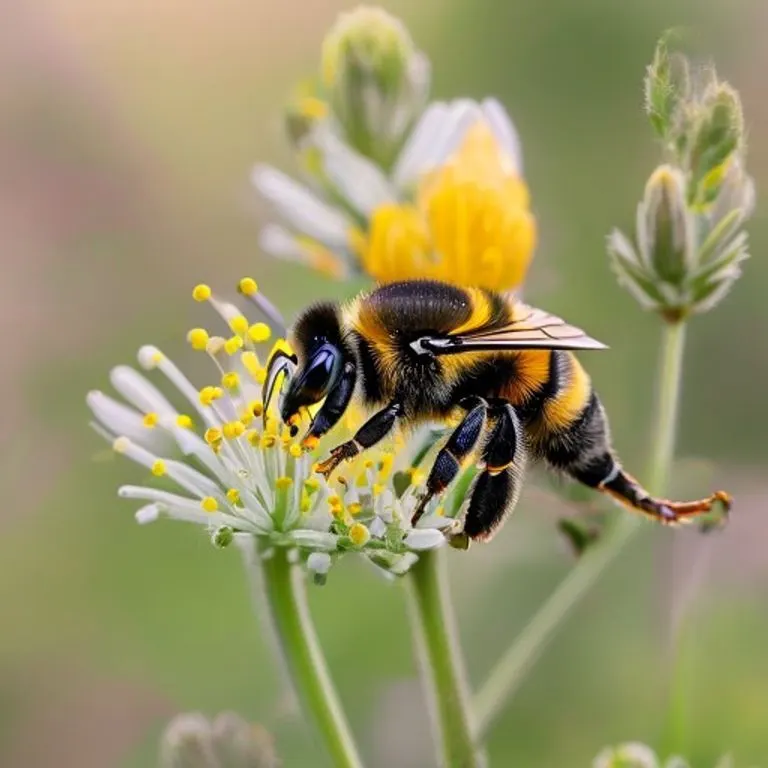
A close-up of a bumblebee demonstrating buzz pollination on an alfalfa flower, a critical process for seed production.
In the late 1800s, four species of bumblebees—Bombus ruderatus, Bombus subterraneus, Bombus hortorum, and Bombus terrestris—were imported from the United Kingdom. This was a monumental undertaking, involving the careful transportation of queen bees across vast distances. The success of this endeavor was paramount for the agricultural future of New Zealand.
The introduction was a resounding success. Within a few years, the bumblebee populations established themselves, and red clover crops began to produce abundant seeds. This transformation not only secured New Zealand's red clover industry but also demonstrated unequivocally the power of targeted biological solutions in agriculture. This historical precedent set the stage for future commercial applications.
Global Recognition of Bumblebee Efficiency
Beyond New Zealand, the understanding of bumblebee efficiency gradually spread. While not always involving direct importation, observations of wild bumblebee populations contributing to crop success in various regions solidified their reputation. For instance, in many parts of Europe and North America, native bumblebee species were implicitly recognized for their contribution to the yields of soft fruits like berries and certain vegetables.
This historical foundation paved the way for the more systematic and commercial utilization of bumblebees that we see today. The early successes provided crucial evidence for their role as effective and specialized pollinators, encouraging further research and application in diverse agricultural systems. The lessons learned from these early observations continue to inform modern pollinator management.
Commercial Application: Bumblebees in Modern Greenhouses
The most widespread and impactful commercial application of bumblebees in contemporary agriculture is undoubtedly within greenhouse environments. The controlled conditions of greenhouses, while offering protection from pests and adverse weather, also present unique challenges for pollination. Traditional methods, such as manual pollination or mechanical vibrators, are labor-intensive, costly, and often less effective than natural insect activity.
This is where commercially reared bumblebee colonies have become a game-changer, especially for crops requiring buzz pollination. Their efficiency and adaptability make them ideal for these enclosed, high-value agricultural settings. The integration of bumblebees has revolutionized greenhouse production, particularly for certain fruit and vegetable crops.
The Tomato Industry Revolution
The tomato industry, particularly in the United States and Europe, stands as a prime example of successful commercial bumblebee integration. Tomatoes, like many other solanaceous crops, require buzz pollination to release their pollen effectively. Without it, fruit set is poor, and yields are significantly reduced, leading to economic losses for growers.
Historically, this was often achieved by hand-shaking plants or using electric vibrators, a tedious and imperfect process. The introduction of bumblebee colonies into tomato greenhouses revolutionized this practice. Bumblebees provide a natural, consistent, and highly effective pollination solution, dramatically improving efficiency and output.
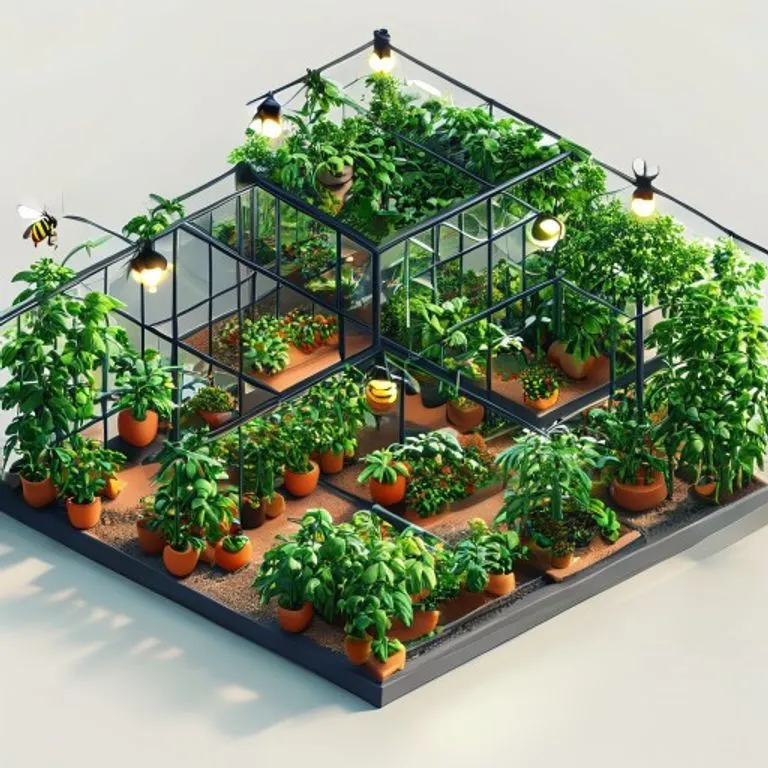
An isometric 3D render showcasing a modern greenhouse environment, with bumblebee hives facilitating commercial tomato pollination.
Bumblebees are ideally suited for greenhouse conditions. They adapt well to enclosed spaces, exhibit high foraging activity even under artificial lighting, and are less prone to absconding (leaving the hive) compared to honeybees. Their buzz pollination ensures thorough and consistent pollen transfer, leading to a higher percentage of fruit set, increased fruit size, and improved fruit quality.
The presence of bumblebees also reduces the incidence of misshapen fruits, which can occur with inadequate pollination. This results in a more uniform and marketable product, directly benefiting growers. The overall impact on yield and quality has made bumblebees an essential tool in modern tomato cultivation.
The Commercial Rearing Industry
The commercial rearing of bumblebees has evolved into a sophisticated industry. Companies specialize in producing and distributing bumblebee colonies specifically designed for agricultural use. These colonies are typically sold in self-contained hives, complete with a queen, workers, and brood, and are ready for deployment directly into greenhouses. This allows for precise and controlled pollination management.
Growers can purchase colonies of varying sizes, tailored to the scale of their operation and the specific pollination needs of their crops. This specialized industry ensures a reliable supply of effective pollinators, allowing growers to optimize their production cycles. The ability to procure healthy, active colonies on demand is a cornerstone of modern greenhouse agriculture.
Beyond tomatoes, bumblebees are extensively used for pollinating other greenhouse crops, including bell peppers, eggplants, strawberries, and various soft fruits. The benefits extend beyond just yield; the natural pollination process often results in more uniform fruit development and better taste profiles, contributing to higher market value. The adoption of bumblebees in greenhouses represents a shift towards more biologically integrated and sustainable agricultural practices, reducing reliance on manual labor and energy-intensive artificial methods.
Advantages of Bumblebee Pollination over Alternatives
The widespread adoption of bumblebees as commercial pollinators is driven by a compelling set of advantages they offer compared to other pollination methods, including honeybees, manual techniques, and wind pollination. These benefits span efficiency, cost-effectiveness, and environmental sustainability, making bumblebees a preferred choice for many modern agricultural systems.
- Superior Efficiency for Specific Crops: As previously noted, bumblebees are indispensable for crops requiring buzz pollination (e.g., tomatoes, blueberries, cranberries). Their ability to vibrate flowers at specific frequencies ensures optimal pollen release, a task honeybees cannot perform. This specialized efficiency guarantees higher fruit set and better quality for these particular plant species.
- All-Weather Performance: Bumblebees are more resilient to adverse weather conditions than many other pollinators. They can forage effectively in cooler temperatures, lower light levels, and even light rain, which extends their active foraging hours and days. This reliability is crucial for maintaining consistent pollination rates, especially in regions with unpredictable climates or during early spring when temperatures can fluctuate.
- Adaptability to Enclosed Environments: Unlike honeybees, which can become disoriented or stressed in enclosed spaces, bumblebees adapt remarkably well to greenhouses and polytunnels. They are less likely to attempt to escape through vents or windows, and their foraging patterns are more predictable within these controlled environments. This makes them ideal for intensive greenhouse horticulture.
- Reduced Labor and Costs: For crops that historically relied on manual pollination, the introduction of bumblebee colonies dramatically reduces labor costs. What once required human workers to meticulously hand-pollinate thousands of flowers can now be achieved naturally and efficiently by a few bumblebee colonies. This translates to significant economic savings for growers and allows human resources to be reallocated to other essential tasks.
- Improved Crop Quality and Yield: Consistent and thorough pollination by bumblebees leads to better fruit development. Fruits are often larger, more uniformly shaped, and have a higher seed count, which can correlate with better flavor and shelf life. This improvement in quality and quantity directly impacts market value and grower profitability, enhancing the overall economic viability of crops.
- Environmental Benefits and Sustainability: Utilizing bumblebees promotes a more natural and sustainable approach to agriculture. It reduces the need for mechanical pollination methods that consume energy and contributes to an integrated pest management (IPM) strategy by relying on biological agents. Furthermore, it supports biodiversity by fostering a greater appreciation and understanding of pollinator services, aligning with modern ecological goals.
Challenges and Considerations in Commercial Bumblebee Use
Despite their numerous advantages, the commercial use of bumblebees is not without its challenges and requires careful management and consideration to ensure both efficacy and ecological responsibility. Addressing these issues is paramount for the long-term sustainability of bumblebee-assisted agriculture, balancing economic benefits with environmental protection.
Disease Transmission and Pathogen Spillover
One of the most significant concerns is the potential for commercially reared bumblebees to transmit diseases and parasites to wild bumblebee populations. If commercial colonies carry pathogens, and these bees interact with native species (e.g., if they escape greenhouses or forage outdoors), there's a risk of disease spillover, potentially devastating wild populations already under pressure from habitat loss and pesticide use.
Strict biosecurity measures and regular health checks of commercial colonies are essential to mitigate this risk. Research into pathogen screening and the development of disease-resistant strains are ongoing efforts to safeguard native pollinator populations. Responsible commercial practices are crucial to prevent unintended ecological harm.
Pesticide Sensitivity
While bumblebees are resilient in terms of weather, they are highly sensitive to many agricultural pesticides, including neonicotinoids and other systemic insecticides. Even "bee-friendly" pesticides can have sub-lethal effects, impairing their foraging ability, navigation, or reproductive success. This sensitivity poses a significant threat to both managed and wild bumblebee populations.
Growers using commercial bumblebees must adopt integrated pest management (IPM) strategies that prioritize non-chemical controls and use bee-safe pesticides only when absolutely necessary, applied at times when bees are not active. Education and adherence to best practices are vital for protecting these valuable pollinators from chemical harm. This includes careful timing and selection of pest control methods.
Colony Management and Longevity
Commercial bumblebee colonies have a finite lifespan, typically a few weeks to a few months, depending on the species and conditions. Growers need to monitor colony health, activity levels, and replace colonies as needed to ensure continuous and effective pollination. This requires careful planning and investment, as colony replacement is a recurring cost.
Factors such as temperature, humidity, food availability, and pest pressure inside the greenhouse can all impact colony longevity and performance. Effective management practices, including providing supplementary food sources and maintaining optimal environmental conditions, are critical for maximizing the utility of commercial bumblebee colonies throughout the growing season.
Genetic Diversity Concerns
The intensive breeding of bumblebees for commercial purposes can lead to a reduction in genetic diversity within farmed populations. This lack of genetic variation can make colonies more susceptible to diseases and less adaptable to changing environmental conditions. Ensuring genetic robustness in commercial breeding programs is an important consideration for long-term sustainability.
Researchers are exploring ways to maintain healthy genetic diversity in commercial stocks, potentially through periodic introduction of new genetic material from wild populations or by diversifying the species used in commercial operations. This is a complex challenge that requires careful scientific management to avoid unintended consequences.
Regulatory Frameworks and Species Introduction
The introduction of non-native bumblebee species for commercial pollination, even within controlled environments, requires robust regulatory oversight. The potential for these species to escape and establish in the wild, outcompeting native pollinators or introducing novel pathogens, necessitates strict controls. International and national regulations govern the movement and use of commercial bumblebees.
These frameworks aim to balance the economic benefits of commercial pollination with the imperative of protecting native ecosystems. Compliance with these regulations, including permits and environmental impact assessments, is a critical aspect of responsible commercial bumblebee use. This ensures that agricultural practices do not inadvertently harm local biodiversity.
The Future of Bumblebees in Sustainable Agriculture
The role of bumblebees in agriculture is poised to expand further as the global demand for food increases and sustainable farming practices become more prevalent. Their unique capabilities make them invaluable assets in achieving food security while minimizing environmental impact. The future of bumblebee-assisted agriculture involves continued innovation and a deeper integration into ecological farming systems.
Expanding Role in Outdoor Crops
While currently dominant in greenhouse settings, research is exploring the expanded use of commercially reared bumblebees for outdoor crops. This includes fruits like blueberries, raspberries, and even certain field crops where their all-weather performance and buzz pollination capabilities can offer significant advantages over other pollinators. Tailored management strategies for open-field deployment are under development.
The challenge lies in managing their interaction with wild populations and ensuring their well-being in less controlled environments. However, the potential for increased yields and improved crop quality in outdoor settings makes this an active area of research and development. This expansion could unlock new efficiencies for a wider range of agricultural products.
Research into Native Species and Conservation
A growing focus is on utilizing and conserving native bumblebee species for local agricultural needs. This approach minimizes the risks associated with introducing non-native species and supports regional biodiversity. Research is critical to understand the specific pollination efficiencies of local bumblebee species for various crops and to develop methods for their propagation and management.
Conservation efforts, including habitat restoration and the reduction of pesticide use, are intrinsically linked to the future of bumblebee pollination. By protecting wild populations, we ensure a resilient and diverse pollinator pool that can support both natural ecosystems and agricultural production. This holistic approach is vital for long-term ecological balance.
Integration with Precision Agriculture
The integration of bumblebee management with precision agriculture technologies offers exciting possibilities. This could involve using sensors to monitor bumblebee activity, tracking pollination rates, and optimizing colony placement within fields or greenhouses. Data-driven approaches can further enhance the efficiency and cost-effectiveness of bumblebee pollination.
Advanced analytics could help predict pollination needs based on crop development stages and environmental conditions, allowing for dynamic deployment of colonies. This synergy between biological and technological solutions represents a frontier in modern sustainable agriculture, maximizing the impact of these tiny but mighty pollinators.
Policy and Farmer Education
Effective policy frameworks are necessary to support the responsible use of commercial bumblebees, including regulations on species introduction, pesticide use, and biosecurity. These policies must be informed by scientific research and adapted to regional ecological contexts. International cooperation is also vital for managing cross-border issues related to pollinator health.
Equally important is the education of farmers and agricultural stakeholders on best practices for bumblebee management and conservation. Promoting awareness of their value, the challenges they face, and how to best integrate them into farming systems will be key to unlocking their full potential for sustainable food production. This collaborative effort ensures a healthier future for both agriculture and pollinators.
Fuente: Contenido híbrido asistido por IAs y supervisión editorial humana.


