
Bumblebee Agriculture Economic: Vital Pollinator Impact | Althox
Bumblebees, members of the genus Bombus, are far more than just fuzzy, buzzing insects; they are indispensable economic drivers in the global agricultural landscape. Their unique physiological and behavioral adaptations position them as superior pollinators, especially in challenging environments where other insect pollinators, such as honeybees (Apis mellifera), often struggle. This makes them critical for ensuring food security and maintaining the economic viability of numerous crop systems worldwide.
The significance of bumblebees extends beyond their ecological role, translating directly into tangible economic benefits for farmers and entire agricultural economies. Their ability to operate in colder temperatures, lower light conditions, and at higher altitudes provides a distinct advantage, allowing for the successful pollination of crops that might otherwise yield poorly or fail entirely. Understanding their biology, behavior, and the specific ways in which they contribute to agriculture is essential for appreciating their profound economic impact.
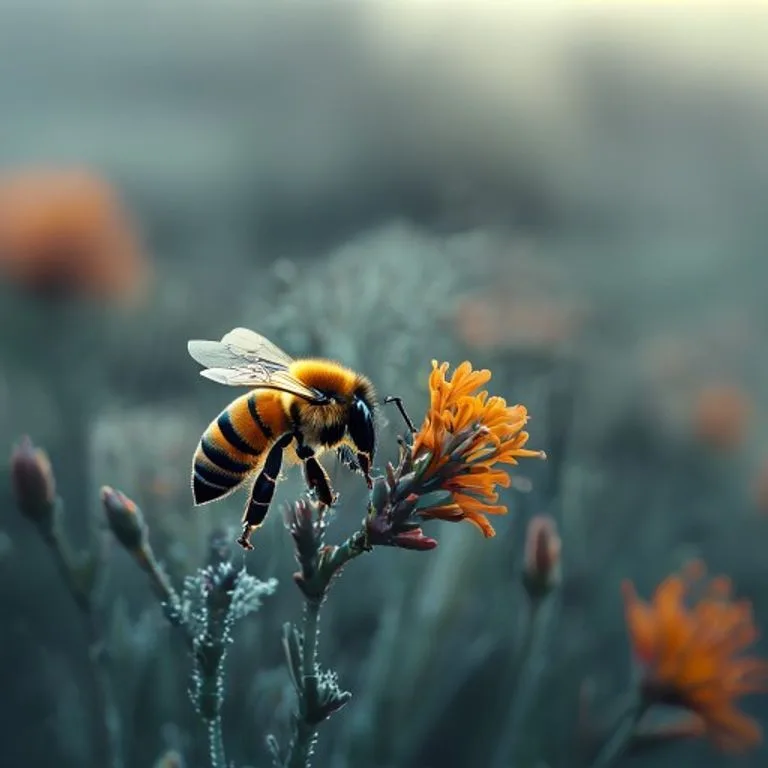
A bumblebee diligently pollinating a flower in a frosty agricultural field, showcasing its resilience in challenging weather conditions, a key aspect of its economic importance in agriculture.
This comprehensive analysis will delve into the multifaceted contributions of bumblebees to agriculture, exploring their biological advantages, specific pollination mechanisms, economic valuations, and the critical need for their conservation. We will compare their efficacy with that of honeybees and discuss the future strategies for integrating bumblebee management into sustainable farming practices. The goal is to highlight why bumblebees are not just ecological marvels but vital economic engines for global food production.
Table of Contents
- The Indispensable Role of Bumblebees in Modern Agriculture
- Biological Adaptations: Why Bumblebees Excel in Cold Climates
- Pollination Efficiency: A Deeper Dive into Bumblebee Mechanics
- Economic Impact: Quantifying the Value of Bumblebee Pollination
- Key Agricultural Sectors Benefiting from Bumblebees
- Bumblebees vs. Honeybees: A Comparative Analysis of Pollination Services
- Conservation Challenges and Sustainable Management Strategies
- The Future of Bumblebee-Assisted Agriculture
- Regulatory Frameworks and Support for Pollinator Health
The Indispensable Role of Bumblebees in Modern Agriculture
Bumblebees play an indispensable role in modern agriculture, acting as critical intermediaries in the reproductive cycle of countless plant species, including many of our most important food crops. Their contribution is particularly pronounced in regions and for crops where other pollinators are less effective or entirely absent. This makes them a cornerstone of agricultural productivity and economic stability.
The primary function of bumblebees in agriculture is pollination, the transfer of pollen from the anther to the stigma of a flower, which is necessary for fertilization and subsequent fruit or seed set. Without effective pollination, many crops would produce significantly lower yields, or in some cases, no yield at all. This direct link between bumblebee activity and crop output underscores their economic value.
Beyond their general pollination services, bumblebees are particularly valued for their unique ability to perform "buzz pollination" or sonication. This specialized technique, where the bee vibrates its flight muscles to dislodge pollen from poricidal anthers, is essential for the successful pollination of crops like tomatoes, blueberries, and cranberries. Honeybees, lacking this ability, cannot effectively pollinate these plants.
The economic implications of this specialized pollination are vast. For example, the global tomato industry, a multi-billion dollar sector, relies heavily on bumblebees for optimal fruit set in greenhouse environments. Farmers often purchase bumblebee colonies specifically for this purpose, demonstrating a direct financial investment in their services. This highlights their role as a quantifiable agricultural input, similar to fertilizers or pesticides, but with ecological benefits.
Furthermore, bumblebees contribute to biodiversity and ecosystem health within agricultural landscapes. By pollinating wild plants adjacent to cultivated fields, they help maintain natural habitats and support other wildlife, which can indirectly benefit crop resilience. Their presence is often an indicator of a healthy, functioning ecosystem, which is increasingly recognized as vital for sustainable agriculture.
The global demand for food continues to rise, placing immense pressure on agricultural systems to maximize yields. In this context, efficient and reliable pollinators like bumblebees become even more critical. Their adaptability to various climates and their efficiency in pollinating a wide range of crops make them an invaluable asset in the ongoing effort to feed a growing population. Their role is not merely supplementary but foundational to modern food production.
Biological Adaptations: Why Bumblebees Excel in Cold Climates
Bumblebees possess a suite of remarkable biological adaptations that enable them to thrive and pollinate effectively in colder climates, a distinct advantage over many other insect pollinators, including honeybees. These adaptations are primarily physiological and behavioral, allowing them to maintain body temperature and forage under conditions that would incapacitate other species.
One of the most significant physiological adaptations is their ability to thermoregulate. Bumblebees are endothermic, meaning they can generate their own body heat. They achieve this through a process called "shivering thermogenesis," where they rapidly contract their flight muscles without moving their wings. This metabolic activity can raise their thoracic temperature significantly above ambient temperatures, allowing them to remain active even when the air is cool.
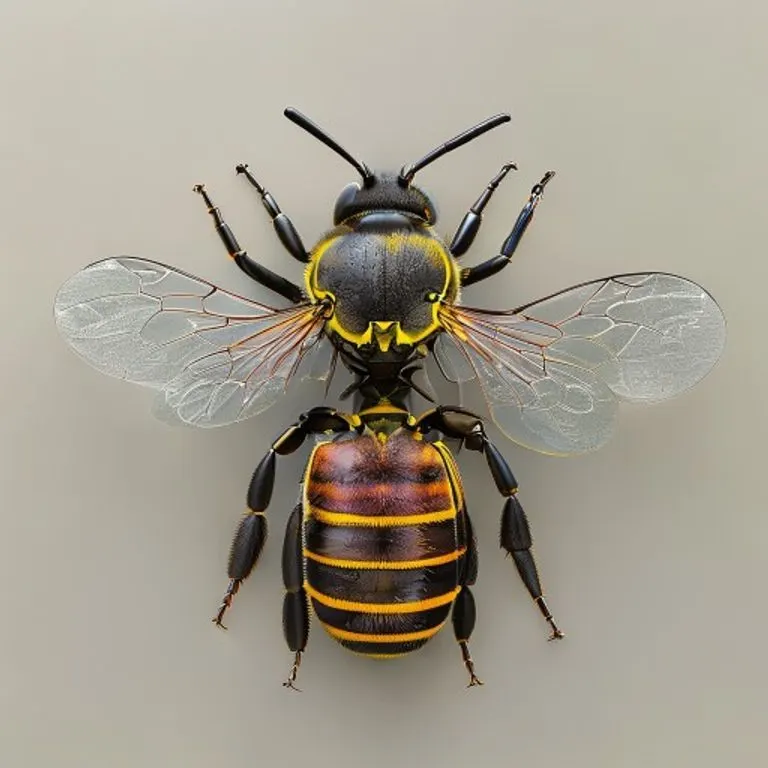
A detailed 3D digital illustration showcasing the internal biological mechanisms of a bumblebee's thorax, explaining its remarkable ability to generate heat and operate efficiently in cold climates.
Their large, furry bodies also play a crucial role in insulation. The dense layer of hairs (setae) on their thorax and abdomen acts like a natural down jacket, trapping a layer of warm air close to their body and minimizing heat loss. This insulation is particularly effective in windy or chilly conditions, further extending their foraging window compared to less hirsute insects.
Behaviorally, bumblebees exhibit flexibility in their foraging patterns. They are known to start foraging earlier in the morning and continue later in the evening than many other bees, taking advantage of cooler periods when nectar and pollen resources might be less contested. This extended activity window is invaluable for crops that require continuous pollination throughout the day or season.
Furthermore, bumblebees are generally larger and more robust than honeybees, making them more resilient to adverse weather conditions such as rain and wind. Their larger size allows them to carry more pollen and nectar per trip, potentially increasing their efficiency as pollinators. This physical robustness contributes to their ability to operate in challenging environments.
The combination of these physiological and behavioral traits means that bumblebees can effectively pollinate crops in regions with short growing seasons, high altitudes, or unpredictable weather patterns. This includes many parts of Northern Europe, Canada, and mountainous regions globally, where their presence is often the deciding factor in agricultural success. Their cold tolerance directly translates into enhanced crop yields and economic stability for farmers in these areas.
Pollination Efficiency: A Deeper Dive into Bumblebee Mechanics
Bumblebees are renowned for their exceptional pollination efficiency, a characteristic that stems from their unique foraging behaviors and specialized techniques. This efficiency is not uniform across all crops but is particularly pronounced for certain plant species, making them invaluable for specific agricultural systems.
One of the most distinctive aspects of bumblebee pollination is "buzz pollination" or sonication, also known as nototribic pollination. This method is crucial for plants with poricidal anthers, which release pollen only through small pores at the tip, rather than splitting open along a seam. To extract this pollen, a bumblebee grasps the flower and vibrates its flight muscles at a specific frequency, causing the pollen to be shaken out of the anthers and onto its body.
Crops that critically depend on buzz pollination include tomatoes, blueberries, cranberries, eggplant, and some peppers. Without bumblebees or other buzz pollinators, the yields of these crops would be severely reduced. For instance, in greenhouse tomato production, the introduction of bumblebee colonies dramatically increases fruit set and quality compared to manual pollination or reliance on less effective methods.
Beyond buzz pollination, bumblebees exhibit several other traits that enhance their overall efficiency. They tend to visit a higher number of flowers per minute compared to honeybees, partly due to their larger size and robust build, which allows them to handle flowers more effectively. They also often carry a greater pollen load, transferring more pollen grains with each visit, which can lead to more complete fertilization and better fruit development.
Bumblebees also demonstrate "flower constancy," meaning they tend to specialize in foraging on a single type of flower during a foraging bout. This behavior increases the likelihood of successful cross-pollination within that plant species, as pollen is not wasted on incompatible flowers. While not exclusive to bumblebees, their strong flower constancy contributes significantly to their effectiveness in monoculture agricultural settings.
Their foraging range, while typically shorter than that of honeybees, is still substantial enough to cover large agricultural fields. Furthermore, their ability to forage in suboptimal weather conditions, such as overcast skies or light rain, means that pollination services are maintained even when other pollinators are inactive. This reliability is a major advantage for farmers, reducing the risk of pollination gaps during critical flowering periods.
The cumulative effect of these mechanical and behavioral efficiencies is a higher quality and quantity of yield for many crops. This direct impact on productivity translates into significant economic gains, making the investment in bumblebee colonies or the conservation of wild populations a highly profitable strategy for farmers.
Economic Impact: Quantifying the Value of Bumblebee Pollination
Quantifying the economic impact of bumblebee pollination involves assessing the direct and indirect monetary value they add to agricultural production. This value is substantial, often measured in billions of dollars globally, and encompasses increased yields, improved crop quality, and reduced production costs.
Direct economic benefits primarily stem from enhanced crop yields. For crops like tomatoes, blueberries, and cranberries, where bumblebees are the most effective or even sole pollinators, their presence can increase yields by 20% to 50% or more. For example, studies on greenhouse tomatoes have shown that bumblebee pollination can increase fruit set by up to 100% compared to self-pollination or mechanical vibration, leading to significantly higher market value.
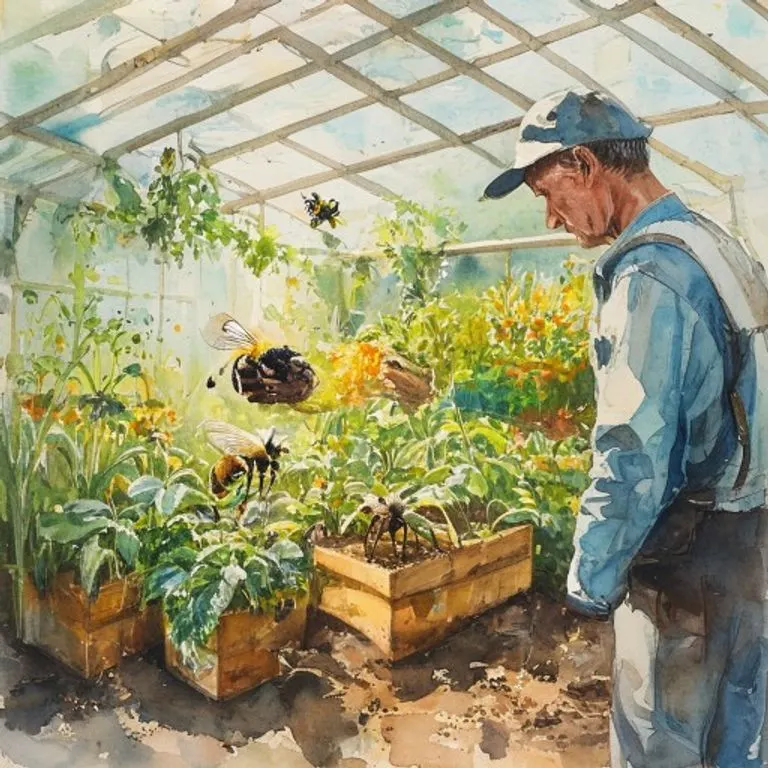
A farmer observing bumblebees actively pollinating tomato plants inside a modern greenhouse, symbolizing the direct economic investment and benefits of bumblebee services in agriculture.
The value of these yield increases can be calculated by multiplying the additional tonnage of produce by its market price. For a single crop like blueberries, which has a global market value in the billions, even a modest percentage increase in yield due to bumblebee pollination translates into hundreds of millions of dollars in added revenue for farmers and the agricultural sector.
Beyond quantity, bumblebees also contribute to improved crop quality. Effective pollination often results in larger, more uniformly shaped fruits with a longer shelf life, which command higher prices in the market. For instance, well-pollinated strawberries are typically larger and more symmetrical, making them more attractive to consumers and thus more valuable.
Indirect economic benefits include reduced labor costs. In many greenhouse operations, manual pollination was once a labor-intensive and costly process. The introduction of bumblebee colonies has largely automated this task, freeing up human labor for other activities and significantly cutting operational expenses. This efficiency gain is a direct economic advantage for producers.
The economic value of bumblebees extends to the seed industry as well. Many vegetable and flower seeds require insect pollination for their production. Bumblebees ensure the genetic diversity and viability of these seeds, which are then sold to farmers and gardeners, generating another layer of economic activity. This includes crops like alfalfa and clover, important for forage and seed production.
Furthermore, the resilience of bumblebees in adverse conditions provides a form of insurance against crop failure due to poor pollination. In regions with unpredictable weather, relying on bumblebees can mitigate risks and stabilize income for farmers, contributing to regional economic stability. This risk reduction has an inherent, albeit harder to quantify, economic value.
Overall, the economic contributions of bumblebees are multifaceted and substantial. They represent a natural capital asset that underpins a significant portion of global food production, making their conservation and effective management a critical economic imperative.
Key Agricultural Sectors Benefiting from Bumblebees
Several key agricultural sectors worldwide derive immense benefits from the pollination services provided by bumblebees. These sectors often involve crops with specific pollination requirements that bumblebees are uniquely equipped to meet, leading to higher yields and improved economic outcomes.
- Greenhouse Vegetable Production: This is perhaps the most prominent sector where bumblebees are intentionally deployed. Tomatoes, in particular, are highly dependent on buzz pollination. Commercial bumblebee colonies are routinely introduced into greenhouses to ensure optimal fruit set and quality. Other greenhouse crops like bell peppers and eggplants also benefit significantly.
- Berry Production: Blueberries and cranberries are prime examples of crops that rely heavily on bumblebees. Their flowers have poricidal anthers, necessitating buzz pollination. Bumblebees are highly effective in these fields, especially in cooler climates where these berries are often cultivated. The economic success of berry farms in North America and Europe is closely tied to robust bumblebee populations.
- Fruit Orchards: While many fruit trees are pollinated by honeybees, bumblebees contribute significantly to the pollination of certain fruit crops, particularly in regions with cooler springs or unpredictable weather. Apples, cherries, and pears can see improved fruit set and quality with the supplementary pollination services of bumblebees.
- Oilseed Crops: Crops like canola (rapeseed) benefit from bumblebee pollination, leading to increased seed yield and oil content. Bumblebees are efficient foragers in these fields, contributing to the economic viability of oilseed production in various parts of the world.
- Forage Crops: Alfalfa and clover, essential for livestock feed and soil health, often require insect pollination for seed production. Bumblebees are effective pollinators for these crops, ensuring a consistent supply of high-quality seeds for agricultural use.
- Seed Production: Beyond forage crops, many other vegetable and flower seeds require efficient pollination to ensure genetic purity and viability. Bumblebees are often employed in controlled environments for the production of high-value seeds.
The adaptability and efficiency of bumblebees make them a versatile asset across a wide spectrum of agricultural practices, from intensive greenhouse operations to vast open fields. Their contribution is particularly critical in regions where climate conditions limit the effectiveness of other pollinators, securing economic returns for farmers in diverse geographical areas.
Bumblebees vs. Honeybees: A Comparative Analysis of Pollination Services
While both bumblebees and honeybees are vital pollinators, they possess distinct characteristics that make them suitable for different agricultural contexts. Understanding these differences is crucial for optimizing pollination strategies and maximizing crop yields.
| Feature | Bumblebees (Bombus spp.) | Honeybees (Apis mellifera) |
|---|---|---|
| Thermoregulation | Endothermic; can shiver to generate heat. Active in colder temperatures (down to 0°C). | Ectothermic; rely on external heat. Less active below 10-12°C. |
| Buzz Pollination | Capable of buzz pollination (sonication), essential for crops like tomatoes, blueberries. | Not capable of buzz pollination. |
| Foraging Conditions | Tolerant of low light, overcast skies, light rain, and windy conditions. Forage earlier/later. | Prefer warm, sunny, calm conditions. Less active in adverse weather. |
| Colony Size | Smaller colonies (50-400 individuals), annual cycle. | Large colonies (20,000-80,000 individuals), perennial. |
| Flower Constancy | High flower constancy during a foraging bout, ensuring efficient transfer within a species. | Also exhibit flower constancy, but may switch more readily. |
| Pollen Handling | Larger bodies and hairy coats allow for efficient pollen collection and transfer. | Efficient pollen collectors, but less effective for poricidal anthers. |
| Habitat Flexibility | More adaptable to diverse habitats, including higher altitudes and northern latitudes. | Often require more specific environmental conditions and managed hives. |
While honeybees are excellent generalist pollinators, their limitations in certain environmental conditions and their inability to perform buzz pollination highlight the unique and irreplaceable role of bumblebees. In many modern agricultural systems, particularly those involving greenhouse cultivation or specific crop types, bumblebees offer a superior and often indispensable pollination service. This complementarity underscores the importance of maintaining diverse pollinator populations for robust agricultural ecosystems.
Conservation Challenges and Sustainable Management Strategies
Despite their critical economic importance, bumblebee populations worldwide are facing significant declines, posing a serious threat to agricultural productivity and ecosystem health. Understanding the challenges and implementing effective conservation and sustainable management strategies are paramount.
Key threats to bumblebee populations include:
- Habitat Loss and Fragmentation: Urbanization, agricultural intensification, and land-use changes reduce the availability of nesting sites and diverse floral resources.
- Pesticide Use: Neonicotinoids and other systemic pesticides can have lethal and sub-lethal effects on bumblebees, impairing their foraging ability, reproduction, and navigation.
- Climate Change: Shifting temperature patterns, altered flowering times, and extreme weather events can disrupt bumblebee life cycles and resource availability.
- Diseases and Parasites: Pathogens, often spread through commercial bumblebee colonies or from other bee species, can decimate wild populations.
- Lack of Floral Diversity: Monoculture farming practices reduce the variety of nectar and pollen sources, leading to nutritional deficiencies for bumblebees.
To address these challenges, a multi-faceted approach to conservation and sustainable management is required:
- Habitat Restoration: Creating and restoring natural habitats, including wildflower meadows, hedgerows, and uncultivated areas, provides essential food and nesting resources.
- Reduced Pesticide Use: Implementing Integrated Pest Management (IPM) strategies, using targeted pesticides, and avoiding spraying during peak foraging times can minimize harm to pollinators.
- Promoting Floral Diversity: Encouraging farmers to plant diverse flowering crops and cover crops, and to leave field margins unmanaged, can provide continuous floral resources throughout the season.
- Disease Management: Strict regulations on the trade of commercial bumblebee colonies and research into disease resistance are crucial.
- Public Awareness and Education: Educating farmers, policymakers, and the public about the importance of bumblebees and how to protect them is vital for fostering a supportive environment for conservation.
- Research and Monitoring: Continuous research into bumblebee biology, ecology, and population trends helps inform effective conservation strategies.
Sustainable bumblebee management also involves the responsible use of commercially reared colonies. While these colonies are invaluable for specific crops, their deployment must be carefully managed to prevent the spread of diseases to wild populations and to ensure genetic diversity. By integrating these strategies, we can work towards safeguarding bumblebee populations and securing the future of our agricultural systems.
The Future of Bumblebee-Assisted Agriculture
The future of bumblebee-assisted agriculture is poised for significant advancements, driven by a growing recognition of their economic value and the urgent need for sustainable food production. Innovations in research, technology, and farming practices are shaping how bumblebees will continue to support global food security.
Key trends and developments include:
- Precision Pollination: Advances in robotics and AI are exploring ways to complement natural pollination, but bumblebees remain the most cost-effective and biologically superior method for many crops. Future research will focus on optimizing bumblebee deployment in controlled environments using data from precision agriculture.
- Genomic Research: Understanding the genetics of bumblebees can lead to breeding programs that enhance disease resistance, cold tolerance, and pollination efficiency, creating more robust colonies for agricultural use.
- Integrated Pollinator Management (IPM): Moving beyond just pest management, IPM will increasingly incorporate strategies for pollinator health. This includes selecting pollinator-friendly crops, creating diverse habitats, and minimizing exposure to harmful chemicals.
- Urban and Vertical Farming: As urban populations grow, the demand for local food production increases. Bumblebees are ideal for pollinating crops in vertical farms and urban greenhouses due to their adaptability to confined spaces and controlled environments.
- Citizen Science and Monitoring: Engaging the public in monitoring bumblebee populations can provide valuable data for conservation efforts and help identify areas where pollinator services are most at risk.
- Economic Valuation Models: Refined economic models will continue to quantify the monetary value of bumblebee pollination more accurately, providing stronger arguments for investment in their conservation and management.
The integration of bumblebee management into agricultural curricula and policy frameworks will also be crucial. Educating the next generation of farmers and agricultural scientists about the ecological and economic benefits of bumblebees will ensure that these vital pollinators remain at the forefront of sustainable farming practices. The goal is to create resilient agricultural systems that leverage the natural efficiencies of bumblebees while protecting their populations for generations to come.
Regulatory Frameworks and Support for Pollinator Health
The critical role of bumblebees in agriculture has prompted governments and international organizations to develop regulatory frameworks and support programs aimed at protecting pollinator health. These initiatives are essential for ensuring the long-term sustainability of food production and biodiversity.
Key aspects of regulatory and support systems include:
- Pesticide Regulations: Many countries have implemented stricter regulations on the use of pesticides, particularly neonicotinoids, known to be harmful to bees. These regulations often include bans, restrictions on application methods, and requirements for pollinator risk assessments.
- Habitat Protection Programs: Government agencies often offer incentives or subsidies to farmers for creating and maintaining pollinator habitats, such as planting wildflower strips, establishing buffer zones, and restoring natural areas. Examples include the Conservation Reserve Program (CRP) in the US and similar schemes in the EU.
- Research Funding: Significant public and private funding is directed towards research on pollinator health, disease dynamics, and effective conservation strategies. This research informs policy decisions and develops new tools for protecting bumblebees.
- International Cooperation: Organizations like the Food and Agriculture Organization (FAO) of the United Nations promote global initiatives for pollinator conservation, sharing best practices and coordinating efforts across borders.
- Labeling and Certification: Consumer demand for sustainably produced food is driving the development of "pollinator-friendly" labeling and certification schemes, encouraging farmers to adopt practices that support bee health.
- Education and Outreach: Government and non-governmental organizations conduct extensive educational campaigns to raise awareness among farmers, landowners, and the general public about the importance of pollinators and how to contribute to their protection.
These regulatory frameworks and support mechanisms are dynamic, continually evolving as scientific understanding of pollinator decline improves. Effective implementation requires collaboration among scientists, policymakers, farmers, and the public. By establishing robust policies and providing the necessary support, societies can safeguard bumblebee populations, ensuring their continued economic contribution to agriculture and the health of our planet.
Fuente: Contenido híbrido asistido por IAs y supervisión editorial humana.


