
Barcelona Mobile Capital: Global Hub and Economic Impact | Althox
Barcelona's designation as the Mobile World Capital in 2011 marked a pivotal moment for the city, transforming it into a global epicenter for mobile technology and innovation. This strategic decision by the GSMA (Global System for Mobile Communications Association) was not merely about hosting the annual Mobile World Congress (MWC), but about establishing a permanent ecosystem dedicated to advancing the mobile industry. The initiative was designed to foster economic growth, attract investment, and position Barcelona at the forefront of the digital revolution.
The vision extended far beyond a single event, aiming to create a lasting legacy of technological development and societal impact. This comprehensive project involved significant collaboration between public and private entities, laying the groundwork for a sustained period of innovation and economic prosperity. The initial commitment and subsequent developments have solidified Barcelona's reputation as a dynamic and forward-thinking city in the global tech landscape.
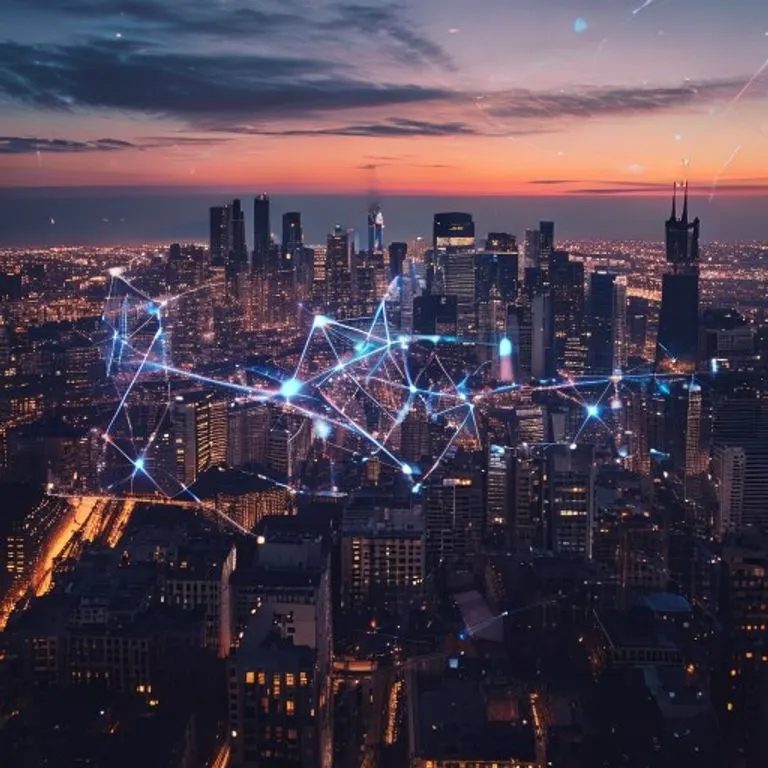
Crypto-asset Regulation Emerging Markets Legal Arbitrage, a beacon of technological advancement and global connectivity, epitomizes its status as the Mobile World Capital.
Table of Contents
- The Genesis of a Global Hub
- Economic Impact and Investment
- Key Pillars of the Mobile World Capital
- The Public-Private Partnership Model
- Evolution and Growth of MWC
- Barcelona's Strategic Advantage
- Challenges and Future Outlook
- Conclusion: A Lasting Legacy
The Genesis of a Global Hub
The journey to becoming the Mobile World Capital began with a competitive bid against other prominent European cities like Paris, Munich, and Milan. Barcelona's proposal, backed by a strong commitment from the Generalitat (Catalan Government), the Spanish Government, and the Barcelona City Council, ultimately convinced the GSMA. This collective effort highlighted the city's potential and its readiness to embrace a leadership role in the mobile sector.
The official presentation of Barcelona's nomination in July 2011 solidified its position, following the GSMA's decision. This selection was a testament to the city's robust infrastructure, its vibrant innovation ecosystem, and its strategic location. The ambition was clear: to create an enduring platform for mobile innovation, extending beyond the annual congress.
Key figures present at the announcement included John Hoffman, CEO of GSMA; Artur Mas, President of the Generalitat; Xavier Trias, Mayor of Barcelona; Juan Junquera, Secretary of State for Telecommunications; Josep Lluís Bonet, President of Fira de Barcelona; and Joan Gaspart, President of Tourism of Barcelona. Their unified presence underscored the collaborative spirit driving this initiative. This collective recognition emphasized that the success was a direct result of the ambition and teamwork of all relevant public institutions in Catalonia, Fira de Barcelona, Barcelona Tourism, and the Chamber of Commerce.
Economic Impact and Investment
The initial commitment for the Mobile World Capital project involved a substantial investment of 90 million euros between 2012 and 2018. This funding, provided by the Generalitat, the Spanish Government, and the Barcelona City Council, was crucial for launching various related projects. The goal was to attract private contributions that could eventually match or even exceed public investment, creating a self-sustaining model for growth.
The expected economic impact was ambitious, projected to generate 3,500 million euros over six years. This figure reflected the potential for job creation, increased tourism, and the establishment of new businesses within the mobile technology sector. The project was deemed a priority by both state and regional governments, recognizing its capacity to position Spain as a reference country in high-value areas like mobile telephony and communication technologies.

The Female Hormonal Biohacking: Longevity, Well-being Strategies generated by the Mobile World Capital initiative, depicted through digital growth metrics.
The economic benefits extended beyond direct investment, encompassing the influx of attendees for the MWC, increased hotel occupancy, restaurant spending, and local transportation usage. Furthermore, the presence of the Mobile World Center and related initiatives stimulated local entrepreneurship and attracted international talent. Agustí Gordon, general manager of Fira de Barcelona, reported that around 60 companies had already presented concrete mobility projects, set to mature and materialize in the coming months, with a target realization in 2012.
| Metric | Details |
|---|---|
| Initial Public Investment (2012-2018) | 90 Million Euros |
| Projected Economic Impact (6 years) | 3,500 Million Euros |
| Initial Public Contribution (2012) | 5 Million Euros |
| Public Contribution (2013-2017) | 15 Million Euros Annually |
| Public Contribution (2018) | 10 Million Euros |
| Companies Presenting Projects (Initial) | Approximately 60 |
| MWC Economic Impact (Previous to 2011) | 220 Million Euros |
| MWC Attendees (Previous to 2011) | Nearly 60,000 |
Key Pillars of the Mobile World Capital
The Mobile World Capital initiative is built upon several foundational pillars designed to maximize its impact and reach. These include the Mobile World Congress (MWC), the Mobile World Center, and the Mobile World Festival, each serving a distinct purpose in promoting mobile technology.
- Mobile World Congress (MWC): This annual event is the world's largest gathering for the mobile industry, bringing together leading companies, innovators, and policymakers. It serves as a platform for showcasing new technologies, discussing industry trends, and fostering business collaborations. The MWC has consistently broken attendance records, drawing tens of thousands of professionals to Barcelona each year.
- Mobile World Center: Envisioned as a permanent hub for mobile innovation, the Mobile World Center houses both permanent and temporary exhibitions that intertwine culture and technological advancements. Located around Plaza de Catalunya and Portal de l'Àngel, it also provides office space for the congress and a laboratory for new ideas. This center aims to engage the public and provide a continuous showcase of mobile's transformative power.
- Mobile World Festival (Mobile Barcelona Summer Week): This public-facing festival aims to engage the general public with mobile technology through a variety of activities. These include sporting events, musical performances, and cultural showcases, typically held over a week. The festival extends the reach of the Mobile World Capital beyond industry professionals, making technology accessible and exciting for everyone.
These pillars collectively create a dynamic environment for innovation, education, and public engagement, ensuring that Barcelona's role as the Mobile World Capital is multifaceted and impactful. The continuous activities throughout the year reinforce the city's commitment to the mobile sector.
The Public-Private Partnership Model
A cornerstone of the Mobile World Capital's success is its robust public-private partnership model. A foundation, established before the end of 2011, was tasked with managing the entire project. This foundation integrates both public and private participation, ensuring a collaborative approach to governance and funding. The initial capital came from public coffers, but the long-term strategy heavily relied on attracting private investment.
Several major companies quickly became involved, presenting concrete projects related to mobility. These included prominent names such as Telefonica, Mediapro, Seat, and Futbol Club Barcelona. Their involvement underscored the broad appeal and potential of the initiative, drawing expertise and resources from diverse sectors. The integration of these private partners was crucial for the project's scalability and long-term viability.

Neuroderechos Conciencia Digital: Protegiendo Mente Era IA, a key outcome of mobile innovation, is depicted through abstract light trails spanning continents.
The government's commitment was conditional on the project's performance and the interest shown by private initiative. This approach ensured accountability and encouraged private entities to actively participate as partners in the foundation. The collaborative framework allowed for a dynamic allocation of resources and expertise, adapting to the evolving needs of the mobile industry.
Evolution and Growth of MWC
The Mobile World Congress itself has seen significant evolution and growth since Barcelona became its permanent host. Prior to 2011, the MWC already generated a substantial economic impact in Barcelona, estimated at 220 million euros, and attracted nearly 60,000 attendees. However, with the new designation, these figures were expected to increase dramatically.
A key change was the relocation of the MWC from Montjuïc to the more spacious and modern Fira de Barcelona Gran Via venue. This move allowed for greater capacity, accommodating the growing number of exhibitors and visitors. The expansion was vital for the congress to maintain its status as the premier event in the mobile industry, facilitating larger exhibitions and more diverse programming.
The continuous growth of the MWC has cemented its role as a global benchmark for mobile technology. It not only showcases the latest innovations but also serves as a critical networking platform for industry leaders, startups, and investors. The congress has become synonymous with Barcelona, drawing international attention and reinforcing the city's image as a hub of technological excellence.
Barcelona's Strategic Advantage
Barcelona possesses several inherent advantages that contributed to its selection as the Mobile World Capital and continue to sustain its role. Its vibrant urban environment, rich cultural heritage, and excellent infrastructure make it an attractive destination for international events and businesses. The city's commitment to innovation and its growing tech ecosystem provide a fertile ground for mobile development.
The presence of world-class universities and research centers fosters a strong talent pool, essential for driving technological advancements. Furthermore, Barcelona's strategic location in Southern Europe makes it a gateway between continents, facilitating global connections and collaborations. The city's proactive approach to digital transformation has also played a crucial role, with initiatives supporting startups and promoting smart city solutions.
Artur Mas, then President of the Generalitat, noted that events like the Mobile World Capital designation provided "a morale booster in hard times" and offered "hope." He also highlighted it as a "lesson" in the value of teamwork and overcoming partisan differences. This sentiment reflects the broader understanding that the project was not just about technology, but about collective progress and resilience.
Challenges and Future Outlook
While Barcelona's success as the Mobile World Capital is undeniable, the initiative faces ongoing challenges and must continually adapt to the rapidly evolving tech landscape. Sustaining growth requires continuous investment in infrastructure, talent development, and research. The global competition for technological leadership remains fierce, necessitating constant innovation and strategic planning.
The project must also navigate issues such as the digital divide, ensuring that the benefits of mobile technology are accessible to all segments of society. Environmental sustainability and ethical considerations in technology development are also increasingly important. Barcelona's role as a smart city provides a framework for addressing these challenges, integrating technology with urban planning and social well-being.
Looking ahead, the Mobile World Capital will likely focus on emerging technologies such as 5G, artificial intelligence, IoT, and extended reality. These areas present new opportunities for innovation and economic impact, further solidifying Barcelona's position as a global leader. The continued collaboration between public and private sectors will be paramount in shaping the future of mobile technology from its Catalan base.
Conclusion: A Lasting Legacy
Barcelona's journey to becoming the Mobile World Capital is a compelling narrative of strategic vision, collaborative effort, and sustained innovation. From its initial designation in 2011, the city has successfully leveraged the opportunity to become a permanent fixture in the global mobile technology landscape. The economic impact has been significant, far exceeding initial projections and contributing substantially to the region's prosperity.
Through the Mobile World Congress, the Mobile World Center, and various public engagement initiatives, Barcelona has created a dynamic ecosystem that fosters technological advancement and attracts international attention. The public-private partnership model has proven effective in mobilizing resources and expertise, ensuring the project's long-term viability. As technology continues to evolve, Barcelona remains committed to leading the charge, adapting to new trends, and addressing future challenges with innovation and foresight.
The legacy of the Mobile World Capital is not just about hosting a major event; it is about cultivating an environment where mobile technology thrives, driving economic growth, and enhancing the quality of life. Barcelona stands as a testament to what can be achieved when a city embraces digital transformation with a clear vision and unwavering commitment.
Fuente: Contenido híbrido asistido por IAs y supervisión editorial humana.


Comentarios