
Smart Cities: Fira Barcelona Initiative New York | Althox
In 2011, Fira de Barcelona embarked on a pioneering journey, presenting its ambitious Smart City initiative in New York. This strategic move aimed to position Barcelona as a global leader in urban innovation, advocating for the integration of technology to foster more efficient and sustainable urban environments. The initiative, known as Smart City Expo, sought to address the escalating challenges faced by cities worldwide, from population density to resource management, by leveraging cutting-edge solutions.

The 2011 launch of Fira de Barcelona's Smart City Expo in New York marked a significant step in Etnobotany Bio-innovación Plantas Medicinales Ancestrales.
The presentation in New York underscored the global aspirations of the Smart City Expo. Lluís Gómez, the director of the exhibition, articulated a clear vision: "It will be the first in Europe, but we certainly want it to be a global event." This statement reflected a profound understanding of the interconnectedness of urban challenges and the necessity for international collaboration in finding sustainable solutions. New York, with its dynamic urban landscape and proactive efforts in energy and mobility, served as an ideal backdrop for this announcement.
The initiative's core philosophy revolved around the premise that technology could be a powerful enabler for improving the quality of life for city dwellers. As urban populations continue to grow, cities face immense pressure on their infrastructure, resources, and environmental health. The Smart City Expo aimed to showcase how intelligent systems and data-driven approaches could transform these challenges into opportunities for growth and enhanced liveability.
Table of Contents
- The Genesis of Smart City Expo
- Defining the Smart City Concept
- Japan's Pivotal Role in Smart Cities
- Key Pillars of Smart City Development
- Technological Integration and Innovation
- Global Impact and Persistent Challenges
- The Future of Urban Living
The Genesis of Smart City Expo
The announcement in New York was the culmination of extensive preparatory work. Lluís Gómez spent a week engaging with a diverse group of stakeholders, including city officials, entrepreneurs, researchers, and academics from New York. These meetings were crucial for garnering support and involvement for the inaugural edition of Smart City Expo, scheduled to take place from November 29 to December 2 at Fira de Barcelona's Gran Via venue.
Key industry players also participated in these discussions, with representatives from major corporations such as Accenture, Cisco, IBM, and Siemens. Their involvement highlighted the private sector's recognition of the immense potential and necessity of smart city development. Furthermore, experts from prestigious academic institutions like Columbia University and the Massachusetts Institute of Technology (MIT) contributed their insights, ensuring a robust intellectual foundation for the initiative.

Reflecting on the Blockchain Decentralized Governance Social Impact and their early media impact.
Gómez emphasized New York's significance as a "reference city" for Fira de Barcelona, particularly commending its efforts in energy management and urban mobility. The city's continuous innovation and global influence made it a natural partner for an event aspiring to worldwide relevance. The discussions extended beyond mere exhibition planning, delving into the broader implications of urban development and the role of technology in shaping future metropolises.
Defining the Smart City Concept
At its core, a smart city is an urban area that uses different types of electronic methods and sensors to collect data. Insights gained from that data are used to manage assets, resources, and services efficiently. This includes data collected from citizens, devices, buildings, and assets that is processed and analyzed to monitor and manage traffic and transportation systems, power plants, utilities, waste management, crime detection, information systems, schools, libraries, hospitals, and other community services.
The ultimate goal is to improve the quality of life for residents by enhancing urban efficiency, sustainability, and governance. This involves a holistic approach, integrating various technological solutions across different sectors to create a cohesive and responsive urban ecosystem. The definition has evolved since 2011, but the foundational principles remain consistent, focusing on data, connectivity, and citizen well-being.
- Technological Integration: Utilizing IoT devices, sensors, and big data analytics to gather real-time information.
- Environmental Sustainability: Implementing green technologies, renewable energy sources, and efficient waste management systems.
- Economic Development: Fostering innovation, creating new job opportunities, and attracting investment.
- High Quality of Life: Improving public services, safety, and accessibility for all citizens.
- Participatory Governance: Engaging citizens in decision-making processes through digital platforms.
Japan's Pivotal Role in Smart Cities
A significant aspect of the 2011 Smart City Expo was the anticipated focus on Japan. Gómez announced that the event would pay special attention to the proposals from the Japanese Delegation. Japan had already established itself as a pioneer in the smart city domain, with several projects underway even before the 2011 Fukushima nuclear plant accident. This tragic event, however, prompted Japan to fundamentally rethink its energy future and accelerate its commitment to sustainable urban development.
The Fukushima disaster highlighted the vulnerabilities of traditional energy systems and spurred a national drive towards energy independence and resilience. Consequently, Japan's smart city initiatives gained renewed urgency, focusing on decentralized energy grids, smart homes, and advanced disaster preparedness systems. The insights and innovations emerging from Japan were considered invaluable for other cities grappling with similar challenges.
| Area of Focus | Description |
|---|---|
| Energy Management | Development of smart grids, renewable energy integration, and energy-efficient buildings. |
| Disaster Resilience | Implementation of early warning systems, resilient infrastructure, and emergency communication networks. |
| Sustainable Mobility | Promotion of electric vehicles, smart public transportation, and intelligent traffic management. |
| Citizen Safety | Utilizing surveillance technologies and data analytics for crime prevention and public safety. |
Key Pillars of Smart City Development
The concept of a smart city is multifaceted, built upon several interconnected pillars that collectively contribute to its functionality and success. These pillars represent the various domains where technology and innovative strategies are applied to improve urban life. Understanding these components is essential for comprehending the comprehensive nature of smart city initiatives.
- Smart Mobility: This pillar focuses on optimizing transportation systems to reduce congestion, lower emissions, and enhance efficiency. It includes intelligent traffic management, public transport optimization, bike-sharing programs, and the integration of electric vehicles.
- Smart Environment: Dedicated to environmental sustainability, this involves smart waste management, air quality monitoring, renewable energy integration, and green infrastructure development. The goal is to minimize the city's ecological footprint.
- Smart Governance: This pillar emphasizes transparent, efficient, and participatory urban management. It leverages digital platforms for citizen engagement, open data initiatives, and streamlined administrative processes.
- Smart Economy: Aims to foster economic growth through innovation, entrepreneurship, and digital transformation. It supports local businesses, attracts investment, and creates a favorable environment for technological advancements.
- Smart Living: Focuses on improving the quality of life for residents through enhanced public services, safety, healthcare, education, and cultural opportunities. This includes smart homes, connected healthcare systems, and digital learning platforms.
Technological Integration and Innovation
The realization of smart cities heavily relies on the seamless integration of various advanced technologies. The interplay between these technologies creates a responsive and intelligent urban fabric, capable of adapting to the needs of its inhabitants and the environment. Without robust technological infrastructure, the vision of a truly smart city remains elusive.
- Internet of Things (IoT): A network of physical objects embedded with sensors, software, and other technologies for the purpose of connecting and exchanging data with other devices and systems over the internet. In smart cities, IoT devices monitor everything from traffic flow to waste levels, providing real-time data for decision-making.
- Big Data Analytics: The process of examining large and varied data sets to uncover hidden patterns, unknown correlations, market trends, customer preferences, and other useful information. This is crucial for processing the vast amounts of data generated by IoT devices and translating it into actionable insights.
- Artificial Intelligence (AI): AI algorithms are used to analyze complex data patterns, predict future trends, and automate urban services. Examples include AI-powered traffic control, predictive maintenance for infrastructure, and intelligent energy management systems.
- 5G and Advanced Connectivity: High-speed, low-latency communication networks are essential for supporting the massive data exchange required by smart city applications. 5G enables real-time communication between devices, vehicles, and infrastructure.
- Cloud Computing: Provides the scalable computing power and storage necessary to manage and process large volumes of data from various urban sources. Cloud platforms facilitate the deployment and management of smart city applications.
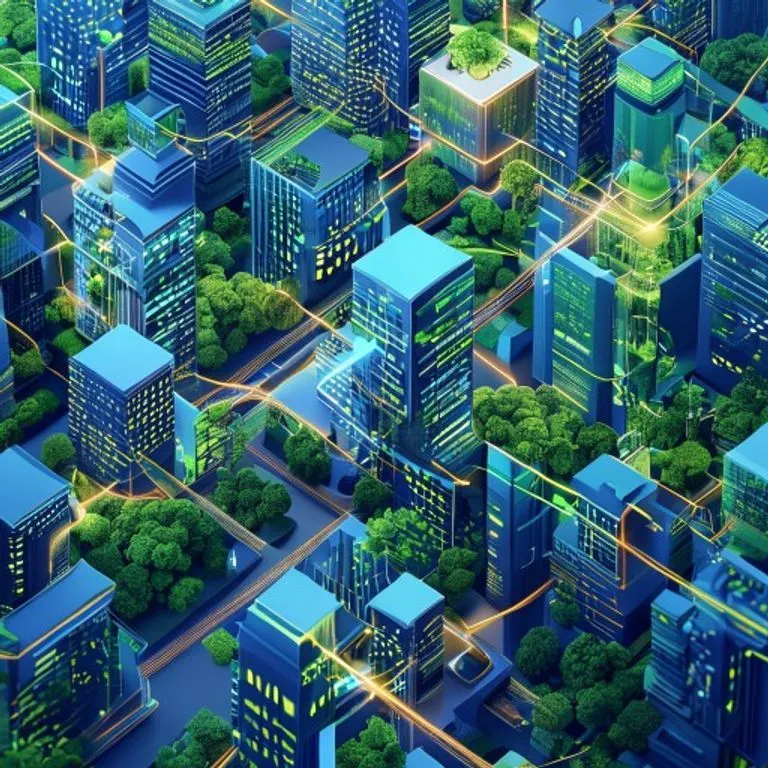
Visualizing the abstract concept of a Female Hormonal Biohacking: Longevity, Well-being Strategies.
Global Impact and Persistent Challenges
The global impact of smart city initiatives has been transformative, influencing urban planning and development worldwide. Cities are increasingly adopting smart technologies to address pressing issues, leading to more efficient services, reduced environmental impact, and improved citizen engagement. The Smart City Expo, initiated by Fira de Barcelona, played a crucial role in disseminating these ideas and fostering international collaboration.
However, the journey towards fully realized smart cities is not without its obstacles. Several significant challenges persist, requiring concerted efforts from governments, private sectors, and communities. Addressing these hurdles is vital for ensuring that smart city development is equitable, secure, and truly beneficial for all residents.
"The development of smart cities must navigate complex legal frameworks, particularly concerning data privacy and cybersecurity. Regulations such as the General Data Protection Regulation (GDPR) in Europe or the California Consumer Privacy Act (CCPA) in the United States impose strict requirements on how personal data is collected, processed, and stored within urban digital ecosystems. Failure to comply can result in significant penalties and erode public trust."
"Furthermore, the ethical implications of pervasive surveillance and algorithmic decision-making in smart cities necessitate careful consideration. Balancing security needs with individual liberties is a perpetual challenge that requires ongoing legislative and societal dialogue."
Other challenges include the substantial financial investment required for developing and maintaining smart infrastructure, which can be a barrier for many cities. The digital divide, ensuring equitable access to technology and its benefits across all socioeconomic groups, also remains a critical concern. Moreover, the integration of legacy systems with new technologies often presents significant technical and logistical complexities.
The Future of Urban Living
Looking ahead, the evolution of smart cities promises to reshape urban living in profound ways. The continuous advancement of technologies like AI, IoT, and autonomous systems will lead to increasingly intelligent and adaptive urban environments. Future smart cities are envisioned as highly resilient, capable of responding to environmental changes, social needs, and economic shifts with unprecedented agility.
The focus will likely shift towards hyper-personalization of urban services, where individual citizen needs are met with tailored solutions, from personalized public transport routes to predictive healthcare interventions. Furthermore, the integration of urban digital twins – virtual replicas of physical cities – will enable advanced simulations and predictive modeling for urban planning and disaster management. These innovations hold the potential to create cities that are not only efficient but also deeply human-centric and sustainable.
The Fira de Barcelona's Smart City initiative, launched over a decade ago, laid foundational groundwork for this future. By bringing together global leaders and innovators, it helped to define the trajectory of urban development in the 21st century. The ongoing dialogue and collaboration fostered by such platforms remain critical for navigating the complexities and maximizing the benefits of smart urban transformation.
Fuente: Contenido híbrido asistido por IAs y supervisión editorial humana.


Comentarios