
Elizabeth Taylor: A Diva's Final Wish and Enduring Legacy | Althox
Elizabeth Taylor, an unparalleled figure in the annals of Hollywood, transcended the conventional definitions of stardom. Her life, marked by extraordinary talent, captivating beauty, and a fiercely independent spirit, was as dramatic and compelling as any role she played on screen. Even in death, Taylor managed to leave an indelible mark, orchestrating a final act that perfectly encapsulated her legendary persona: a deliberate tardiness to her own funeral.
This audacious request, revealed posthumously, served as a poignant reminder of her unique character and her lifelong refusal to conform to societal expectations. It was a gesture that cemented her status not just as an actress, but as a true diva who lived and died on her own terms, ensuring that even her departure was imbued with her signature flair.
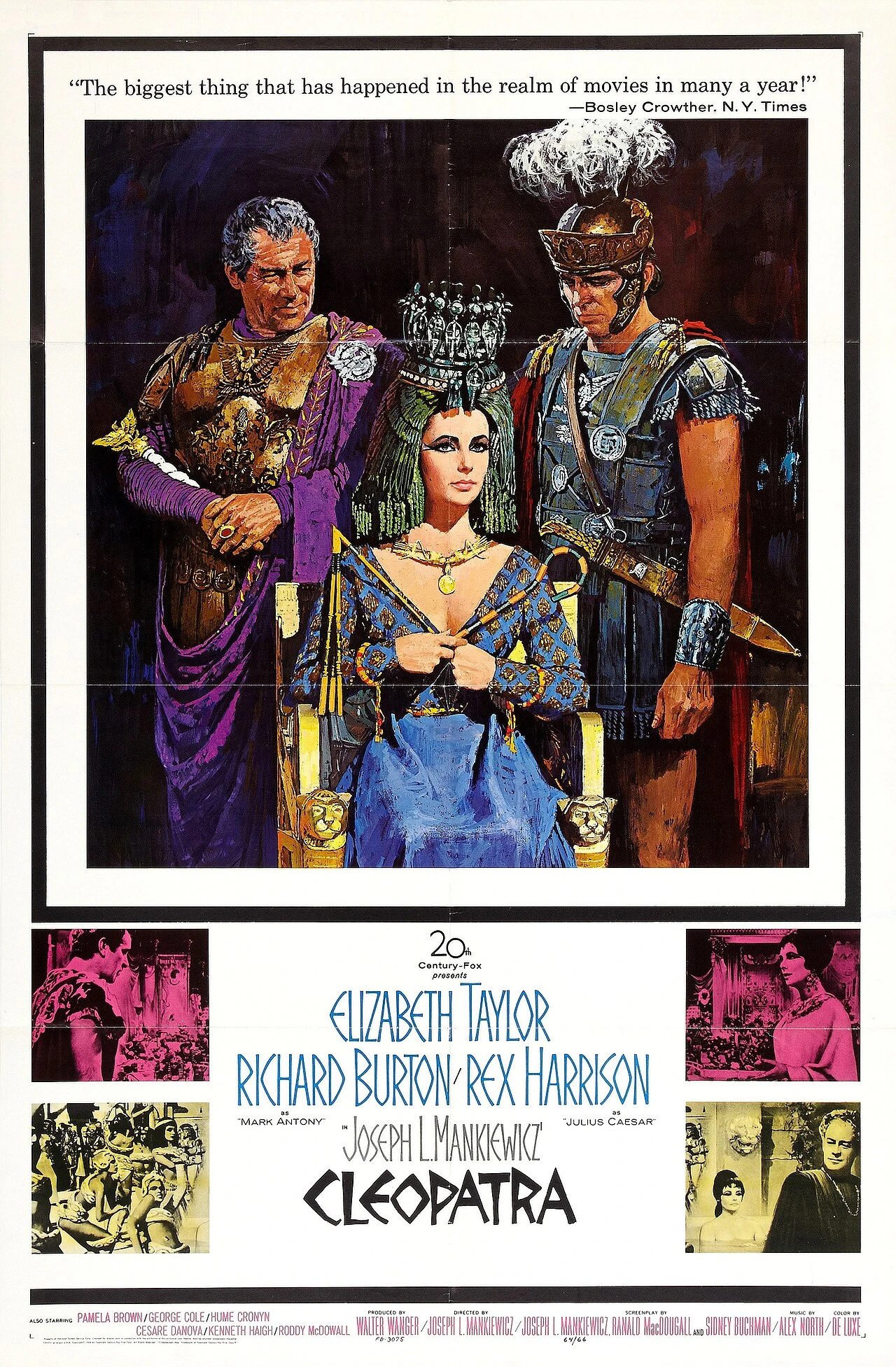
Elizabeth Taylor, immortalized as Cleopatra, embodied regality and power on screen.
Table of Contents
- A Diva's Final Wish: Punctuality in Death
- The Hollywood Icon: Life, Loves, and Legacy
- Cleopatra: The Role that Immortalized Her
- The Funeral and Burial: A Star's Resting Place
- Beyond the Screen: Philanthropy and Activism
- Elizabeth Taylor's Enduring Cultural Impact
A Diva's Final Wish: Punctuality in Death
Elizabeth Taylor's request to have her funeral start 15 minutes late was not a mere oversight or a morbid joke; it was a deliberate and deeply personal statement. Throughout her life, Taylor was famously known for her tardiness, a trait that became an intrinsic part of her public persona. She often arrived late to events, film sets, and even her own weddings, transforming what might be considered a flaw in others into an endearing eccentricity for her.
Her agent and close friend, Sally Morrison, confirmed this specific instruction after Taylor's passing. Morrison recounted that Taylor had expressed this wish while still alive, wanting to be remembered for this characteristic habit even at her final ceremony. This act underscored her control over her image and narrative, even in the face of mortality, solidifying her reputation as a woman who defied conventions until the very end.
The decision to delay her own funeral was a final, theatrical flourish, a testament to her unique sense of humor and her desire to maintain her identity. It ensured that her farewell was not a somber, rigid affair, but one that contained a spark of the irreverent spirit that defined her. This detail resonated deeply with fans and media alike, becoming one of the most memorable aspects of her passing.
The Hollywood Icon: Life, Loves, and Legacy
Born in London in 1932, Elizabeth Rosemond Taylor moved to the United States with her family just before World War II. Her career began as a child actress, quickly blossoming into one of Hollywood's most luminous stars. Her striking violet eyes, a rare genetic mutation, became her trademark, captivating audiences worldwide and contributing to her ethereal beauty.
Taylor's personal life was as scrutinized as her professional one, particularly her eight marriages to seven different men, including two unions with the Welsh actor Richard Burton. Their tumultuous relationship, often referred to as "Liz and Dick," was a constant source of fascination for the public and media. Despite the sensationalism, their bond was undeniably passionate and deeply influential in both their lives and careers.

The enduring legacy of Hollywood's golden era, captured in a classic film reel.
Beyond the headlines, Taylor was a formidable actress, earning two Academy Awards for Best Actress for her roles in "Butterfield 8" (1960) and "Who's Afraid of Virginia Woolf?" (1966). Her performances were lauded for their intensity and emotional depth, showcasing a range that extended far beyond her glamorous image. She navigated the complexities of fame with a resilience that few could match, consistently reinventing herself and remaining relevant across decades.
Cleopatra: The Role that Immortalized Her
Among her many iconic roles, her portrayal of Queen Cleopatra in the 1963 epic film "Cleopatra" stands out as a defining moment in her career and in cinematic history. The film, notorious for its exorbitant budget and production challenges, became a cultural phenomenon, largely due to Taylor's commanding performance and her scandalous on-set affair with co-star Richard Burton.
Taylor's Cleopatra was not merely a historical figure; she was a force of nature, a queen whose intelligence, ambition, and sensuality were brought to life with unparalleled conviction. The role cemented her status as a global superstar and a symbol of ultimate glamour and power. Her elaborate costumes, intricate makeup, and regal demeanor set new standards for cinematic extravagance and left an enduring image in the public consciousness.
The film's impact extended beyond its box office performance; it became a benchmark for epic filmmaking and a testament to Taylor's ability to dominate the screen. Even today, when one thinks of Cleopatra, it is often Elizabeth Taylor's image that comes to mind, a testament to her profound and lasting influence on popular culture.
The Funeral and Burial: A Star's Resting Place
Elizabeth Taylor passed away on March 23, 2011, at the age of 79, following several heart complications. Her death marked the end of an era, prompting an outpouring of grief and tributes from around the world. In accordance with her wishes and Jewish custom, she was buried the day after her death.
The private funeral service took place at Forest Lawn Memorial Park in Glendale, California, a cemetery renowned as the final resting place for many Hollywood legends. Her remains were interred in the Great Mausoleum, in the Hall of Remembrance, near a towering marble angel sculpture. This statue, known as an "angel of memory," had been a fixture in the mausoleum for nearly 70 years, crafted from imported marble by sculptor Hermenegildo Luppi.
A symbolic representation of a public life, where glamour meets the weight of scrutiny and legacy.
The choice of Forest Lawn was fitting for a star of Taylor's magnitude. It is a place where she rests among other luminaries, including her dear friend Michael Jackson, as well as Jimmy Stewart, Walt Disney, and Clark Gable. Her burial site, surrounded by artistry and history, reflects her own place in the pantheon of entertainment icons, ensuring her memory endures in a setting befitting her legendary status.
Beyond the Screen: Philanthropy and Activism
While her acting career and personal life captivated millions, Elizabeth Taylor's legacy extends far beyond the silver screen. She was a pioneering figure in AIDS activism, becoming one of the first major celebrities to openly address the crisis and dedicate significant efforts to fundraising and advocacy. Her commitment to this cause began in the mid-1980s, a time when fear and stigma surrounded the disease.
Taylor co-founded the American Foundation for AIDS Research (amfAR) in 1985 and later established the Elizabeth Taylor AIDS Foundation (ETAF) in 1991. Through these organizations, she raised hundreds of millions of dollars for research, care, and prevention, using her immense fame to draw attention to a global health emergency. Her tireless work helped destigmatize the disease and provided a voice for countless individuals affected by it.
Her philanthropic endeavors earned her numerous accolades, including the Presidential Citizens Medal from President Bill Clinton in 2001. Taylor's activism demonstrated a profound compassion and a willingness to use her platform for social good, solidifying her reputation as a humanitarian whose impact stretched far beyond the entertainment industry.
Elizabeth Taylor's Enduring Cultural Impact
Elizabeth Taylor's influence on popular culture remains profound and multifaceted. She was not just an actress; she was a style icon, a fashion trendsetter, and a symbol of enduring glamour. Her love for exquisite jewelry, particularly diamonds, became legendary, with many pieces becoming as famous as she was.
Her life story, marked by triumphs and tribulations, resonated with a global audience. She embodied a form of celebrity that was both aspirational and relatable, navigating public life with a blend of vulnerability and strength. Her candidness about her struggles, including health issues and personal challenges, made her a relatable figure despite her larger-than-life status.
Today, Elizabeth Taylor is remembered not only for her cinematic achievements and her captivating beauty but also for her courageous activism and her unwavering spirit. Her final, whimsical request to be late for her own funeral serves as a perfect coda to a life lived boldly and unapologetically, ensuring that even her last act was uniquely Elizabeth Taylor.
Frequently Asked Questions about Elizabeth Taylor
| Question | Answer |
|---|---|
| What was Elizabeth Taylor's unique funeral request? | Elizabeth Taylor famously requested that her funeral begin 15 minutes late, as a final, characteristic gesture reflecting her lifelong habit of tardiness. |
| Where is Elizabeth Taylor buried? | Elizabeth Taylor is interred in a private crypt at Forest Lawn Memorial Park in Glendale, California, near a marble angel sculpture. |
| What was Elizabeth Taylor most famous for? | She was famous for her acting career, iconic roles like Cleopatra, her striking violet eyes, numerous marriages (especially to Richard Burton), and her pioneering AIDS activism. |
Fuente: Contenido híbrido asistido por IAs y supervisión editorial humana.


