
Regenerative Medicine Advances: Hope for Chronic Diseases
Regenerative medicine stands as a beacon of hope in the relentless battle against chronic diseases, offering transformative approaches that go beyond managing symptoms. This revolutionary field focuses on repairing, replacing, or regenerating damaged cells, tissues, and organs, leveraging the body's intrinsic healing capabilities. From debilitating neurodegenerative conditions to widespread cardiovascular diseases and persistent autoimmune disorders, the potential for regenerative therapies to fundamentally alter patient outcomes is immense, shifting the paradigm from palliative care to genuine restoration of health and function.
The journey of regenerative medicine is marked by continuous breakthroughs, driven by a deeper understanding of cellular biology, genetics, and material science. Scientists are now harnessing the power of stem cells, developing sophisticated tissue engineering techniques, and employing precision gene-editing tools to tackle conditions once thought incurable. This comprehensive exploration delves into the cutting-edge advancements defining this field, examining the scientific principles, current applications, ethical considerations, and the promising future it holds for millions worldwide.
Table of Contents
- The Core Principles of Regenerative Medicine
- Stem Cell Therapies: The Foundation of Regeneration
- Tissue Engineering and Bio-Printing: Building New Organs
- Gene Editing and Gene Therapy: Correcting the Blueprint
- Immunomodulation and Regenerative Processes
- Clinical Applications: Transforming Disease Management
- Challenges, Ethical Considerations, and Regulatory Landscape
- The Future Horizon of Regenerative Medicine
The Core Principles of Regenerative Medicine
Regenerative medicine operates on fundamental biological principles aimed at restoring normal function to diseased or damaged tissues and organs. At its heart, it seeks to harness and enhance the body's natural healing mechanisms, which often become insufficient or impaired in chronic conditions. This involves a multidisciplinary approach, integrating biology, chemistry, engineering, and medicine to develop novel therapeutic strategies.
Key principles include cell therapy, where living cells are introduced into the body to repair or replace damaged ones; tissue engineering, which combines cells, scaffolds, and biomolecules to create functional tissues; and gene therapy, focused on modifying genetic material to treat or prevent disease. The ultimate goal is not just to alleviate symptoms but to achieve a lasting cure by restoring the body's inherent capacity for self-repair and regeneration.
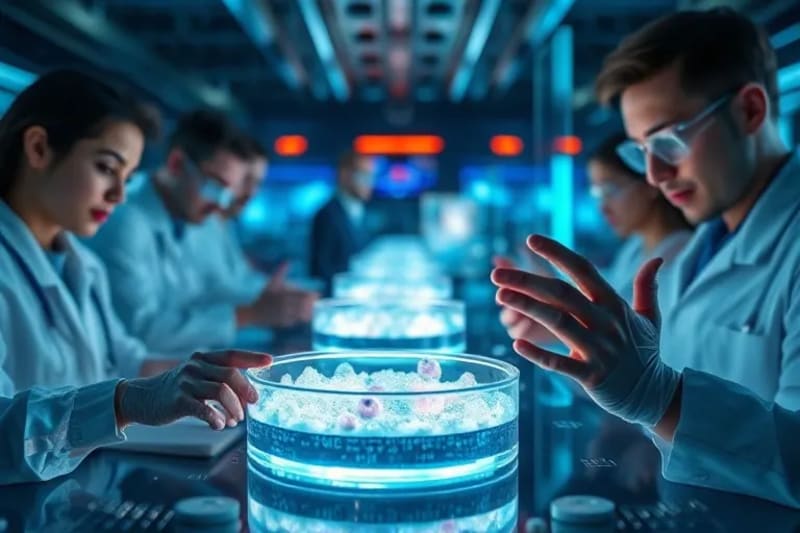
Exploring the intricate world of cellular regeneration and advanced therapeutic development in a state-of-the-art research facility.
Conceptual render generated by AI, reflecting the collaborative and innovative spirit of modern biomedical science.Stem Cell Therapies: The Foundation of Regeneration
Stem cells are the cornerstone of regenerative medicine due to their unique ability to self-renew and differentiate into various specialized cell types. This plasticity makes them invaluable for repairing or replacing damaged tissues. Advances in stem cell research have opened doors to treating a multitude of chronic conditions, from heart failure to spinal cord injuries.
There are several types of stem cells currently being investigated and utilized:
- Embryonic Stem Cells (ESCs): Derived from embryos, these are pluripotent, meaning they can differentiate into any cell type in the body. While highly versatile, their use is often associated with ethical debates and challenges related to immune rejection.
- Adult Stem Cells (ASCs): Found in various tissues (e.g., bone marrow, fat, blood), ASCs are multipotent, capable of differentiating into a limited range of cell types specific to their tissue of origin. They are less controversial and pose fewer immune rejection risks if autologous (from the patient themselves).
- Induced Pluripotent Stem Cells (iPSCs): A groundbreaking discovery, iPSCs are adult cells that have been genetically reprogrammed to an embryonic-like pluripotent state. This bypasses ethical concerns associated with ESCs and allows for patient-specific therapies, reducing immune rejection.
- Mesenchymal Stem Cells (MSCs): A type of adult stem cell found in bone marrow, adipose tissue, and other sources, MSCs are known for their immunomodulatory and anti-inflammatory properties, making them promising for autoimmune diseases and tissue repair.
Current research focuses on optimizing stem cell delivery, improving their survival and engraftment rates, and ensuring their safe and effective differentiation into desired cell types. For instance, in cardiovascular disease, stem cells are being explored to repair damaged heart muscle after a heart attack, while in neurological disorders, they aim to replace lost neurons or support existing ones.
Tissue Engineering and Bio-Printing: Building New Organs
Tissue engineering combines cells, biomaterials, and biochemical factors to create functional tissues and organs outside the body, which can then be implanted. This field addresses the critical shortage of donor organs and offers solutions for repairing or replacing damaged tissues that cannot heal on their own. The process typically involves creating a scaffold that mimics the extracellular matrix, seeding it with appropriate cells, and providing the necessary growth factors and mechanical stimuli for tissue development.
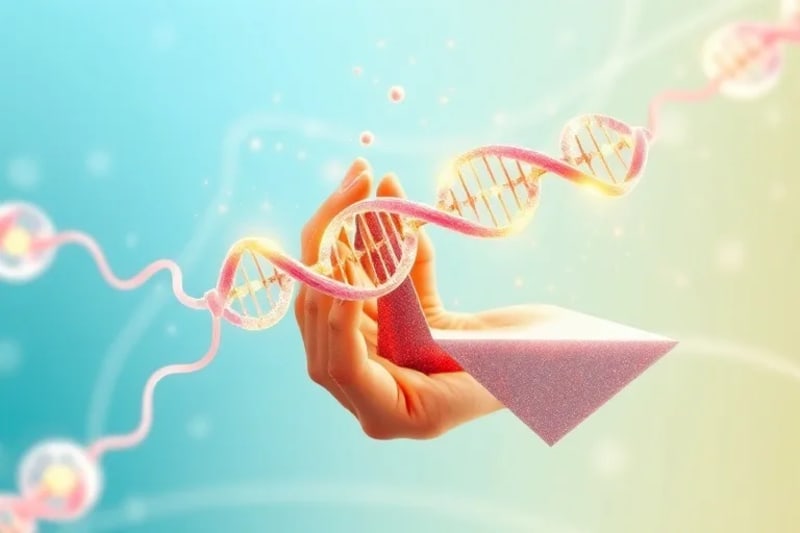
Visualizing the dynamic interplay of biological components essential for tissue regeneration and healing.
Artistic interpretation created by AI, highlighting the complex beauty of biological repair mechanisms.Recent advancements in biomaterials, such as biodegradable polymers and hydrogels, allow for the creation of scaffolds with tailored mechanical properties and degradation rates. These scaffolds can guide cell growth and differentiation, eventually degrading to leave behind newly formed tissue. Organoids, miniature versions of organs grown in vitro, represent another significant leap, providing invaluable models for disease study and drug screening, and potentially serving as building blocks for larger tissue constructs.
Bio-printing, a subset of tissue engineering, uses 3D printing technologies to precisely deposit cells and biomaterials layer by layer, creating complex tissue structures with high spatial resolution. This technology holds immense promise for fabricating intricate tissues like blood vessels, cartilage, and even functional organ parts. While still in its early stages for whole organ transplantation, bio-printing is rapidly advancing, offering hope for personalized organ replacement in the future. The ability to create functional tissues could revolutionize treatments for conditions like chronic kidney disease, liver failure, and severe burns.
Gene Editing and Gene Therapy: Correcting the Blueprint
Gene editing technologies, particularly CRISPR-Cas9, have revolutionized the ability to precisely modify DNA sequences. This allows scientists to correct genetic mutations responsible for various diseases, insert therapeutic genes, or remove harmful ones. Gene therapy, the broader field, involves introducing genetic material into cells to treat or prevent disease, often by compensating for a faulty gene or introducing a new function to combat illness.
The synergy between gene editing and regenerative medicine is profound. For example, gene editing can be used to enhance the therapeutic potential of stem cells, making them more effective at repairing damaged tissues or resistant to disease. It can also correct genetic defects in patient-derived iPSCs before they are differentiated and used for transplantation, ensuring that the regenerated tissue is free from the original genetic flaw. This approach is particularly promising for monogenic disorders like cystic fibrosis, sickle cell anemia, and Huntington's disease.
While gene therapy has faced challenges in the past, including safety concerns and delivery efficiency, significant progress has been made. Viral vectors, such as adeno-associated viruses (AAVs), are now more safely and effectively delivering therapeutic genes to target cells. The precision of CRISPR-Cas9 offers unprecedented control, minimizing off-target effects and making gene editing a powerful tool in the regenerative medicine arsenal. This represents a fundamental shift towards addressing the root causes of disease at the genetic level.
Immunomodulation and Regenerative Processes
The immune system plays a dual role in tissue repair and regeneration. While essential for clearing debris and initiating healing, an overactive or misdirected immune response can hinder regeneration, leading to chronic inflammation and fibrosis. Immunomodulation, the process of altering the immune response, is therefore a critical aspect of successful regenerative therapies.
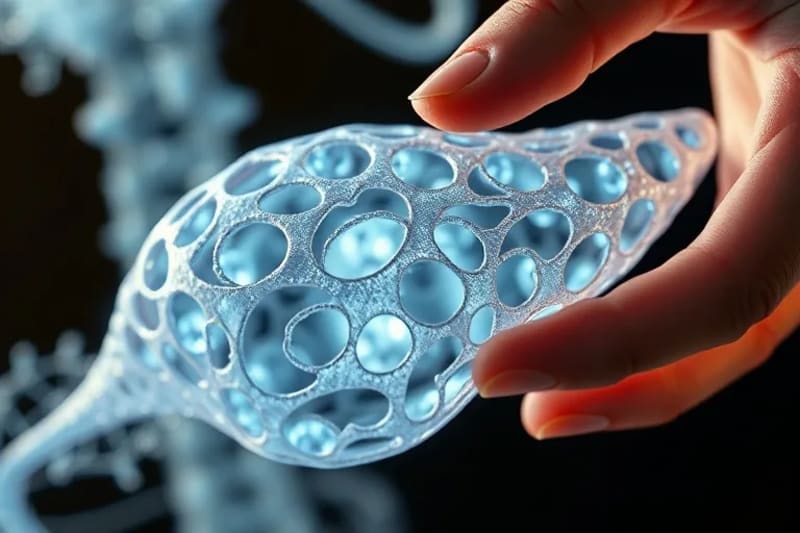
Detailing the complex architecture of a bio-printed scaffold, a testament to advanced tissue engineering.
High-fidelity 3D rendering by AI, showcasing the future of organ fabrication.Strategies for immunomodulation include using cells with inherent immunomodulatory properties, such as mesenchymal stem cells (MSCs), which can suppress immune responses and promote tissue repair. Additionally, biomaterials can be engineered to release immunomodulatory molecules, creating a microenvironment conducive to regeneration. In transplantation, understanding and controlling the immune response is paramount to prevent rejection of transplanted cells or tissues. Novel approaches involve engineering cells to be "immune-privileged" or developing strategies to induce immune tolerance.
The interplay between the immune system and regenerative cells is complex and dynamic. Research into this area is crucial for developing therapies that not only deliver regenerative cells but also ensure their survival and function within a potentially hostile immune environment. This is particularly relevant for chronic inflammatory diseases where uncontrolled immune activity contributes to tissue damage, such as rheumatoid arthritis or inflammatory bowel disease. For further insights into complex biological systems, exploring topics like Fungal Ecosystems: Innovation, Discovery, and a Sustainable Future can provide a broader perspective on biological innovation.
Clinical Applications: Transforming Disease Management
Regenerative medicine is already making significant strides in clinical practice and trials across various chronic diseases:
| Disease Area | Regenerative Approach | Potential Impact |
|---|---|---|
| Cardiovascular Diseases (e.g., heart failure, myocardial infarction) | Stem cell injections (MSCs, iPSC-derived cardiomyocytes), engineered heart patches. | Repairing damaged heart muscle, improving cardiac function, reducing need for transplantation. |
| Neurodegenerative Disorders (e.g., Parkinson's, Alzheimer's, spinal cord injury) | Neural stem cell transplantation, iPSC-derived neurons, gene therapy to protect neurons. | Replacing lost neurons, promoting neural repair, restoring motor and cognitive function. |
| Diabetes Mellitus (Type 1) | Pancreatic islet cell transplantation, iPSC-derived beta cells. | Restoring insulin production, achieving glucose homeostasis, eliminating need for insulin injections. |
| Orthopedic Conditions (e.g., osteoarthritis, cartilage damage) | Autologous chondrocyte implantation, MSC injections, bio-engineered cartilage. | Repairing cartilage defects, reducing pain, improving joint function, delaying joint replacement. |
| Autoimmune Diseases (e.g., Crohn's disease, multiple sclerosis) | Immunomodulatory stem cells (MSCs), gene therapy to rebalance immune response. | Suppressing inflammation, promoting tissue healing, restoring immune tolerance. |
| Organ Failure (e.g., liver, kidney) | Hepatocyte transplantation, iPSC-derived kidney cells, bio-engineered organ constructs. | Restoring organ function, reducing reliance on dialysis/transplantation, addressing donor shortage. |
These applications highlight the broad utility of regenerative approaches, moving beyond symptomatic relief to address the underlying pathology of chronic conditions. The success of these therapies could dramatically improve quality of life and extend lifespan for millions of patients globally.
Challenges, Ethical Considerations, and Regulatory Landscape
Despite its immense promise, regenerative medicine faces significant challenges. Scientific hurdles include ensuring the long-term safety and efficacy of transplanted cells, controlling their differentiation, and preventing tumor formation. The complexity of scaling up production of clinical-grade cells and engineered tissues also presents a considerable obstacle.
Ethical considerations are particularly prominent, especially concerning the use of embryonic stem cells, though iPSCs have mitigated some of these debates. Other ethical concerns revolve around equitable access to these potentially life-saving but expensive therapies, the potential for human enhancement, and the responsible conduct of research. These profound implications often lead to philosophical discussions about the future of humanity and technology, similar to those explored in Digital Trinity: Faith, Technology, Future of Humanity AI.
The regulatory landscape is constantly evolving to keep pace with scientific advancements. Agencies like the FDA (U.S.) and EMA (Europe) are developing specific pathways for cell and gene therapies, balancing the need for rapid patient access with rigorous safety and efficacy standards. This includes defining what constitutes a "minimal manipulation" of cells and how to classify complex tissue-engineered products. Navigating these regulatory complexities is crucial for bringing regenerative therapies from the lab to the clinic, ensuring patient safety while fostering innovation.
The Future Horizon of Regenerative Medicine
The future of regenerative medicine is bright, characterized by continued innovation and expanding applications. We can anticipate more sophisticated tissue engineering techniques, leading to the creation of more complex and functional organs. Advances in gene editing will likely enable more precise and safer correction of genetic defects, potentially curing a wider range of inherited diseases.
Artificial intelligence and machine learning are poised to play a transformative role, from accelerating drug discovery and optimizing cell differentiation protocols to personalizing treatment plans based on individual patient data. The integration of nanotechnology with regenerative approaches could also lead to novel delivery systems for cells and therapeutic molecules, improving targeting and efficacy. As humanity pushes the boundaries of scientific inquiry, the philosophical implications of such advancements continue to be a subject of deep contemplation, much like the search for extraterrestrial life discussed in Astrobiology: Search for Extraterrestrial Life and Philosophical Implications.
Ultimately, regenerative medicine aims to usher in an era where chronic diseases are not just managed but cured, where damaged tissues are fully restored, and where the human body's incredible capacity for self-healing is fully unleashed. This ambitious vision, while still facing hurdles, is steadily moving from the realm of science fiction to tangible clinical reality, offering profound hope for a healthier future.
Explore More Relevant Content
- Renewable Energies Industrial Decarbonization: Complete Guide
- Air Pollution Monitoring Mitigation Technologies Cities
- Ada Lovelace: Origin of Software Concept, Historical Analysis
- Quantum Abacus: Algorithms, History, Future Computing
- Agile Project Management: Scrum Kanban Methodologies Practice
- Blockchain Sustainable Circular Economy Supply Chain
Source: Hybrid content assisted by AI and human editorial supervision.


Comentarios