
Microplastics in Food: Invisible Impact and Bioaccumulation on Health
The modern world is awash in plastic, a material that has revolutionized countless industries but now poses an unprecedented environmental and health challenge. Among its most insidious forms are microplastics – tiny plastic particles less than 5 millimeters in size – which have permeated every corner of our planet, from the deepest oceans to the highest mountains. Increasingly, scientific research confirms that these ubiquitous particles are not only in our environment but also directly within our food chain, making their way onto our plates and into our bodies. This pervasive presence raises critical questions about their invisible impact on human health and prompts a search for proactive strategies to mitigate exposure.
Understanding the journey of microplastics from production to plate is crucial for developing effective countermeasures. While the full extent of their long-term health effects is still under investigation, emerging evidence suggests potential implications ranging from physical damage to chemical toxicity and disruption of biological systems. This article delves into the science behind microplastic contamination in food, explores the potential health risks, and outlines practical biohacking strategies individuals can adopt to reduce their exposure and safeguard their well-being in an increasingly plastic-laden world.

The subtle yet pervasive presence of microplastics on everyday produce, highlighting the invisible threat within our food supply.
Conceptual rendering assisted by AI, illustrating the microscopic intrusion of synthetic materials into natural food sources.The concept of biohacking, which involves making small, incremental changes to one's lifestyle and diet to improve health and well-being, offers a promising framework for addressing this modern challenge. By understanding the sources of contamination and implementing informed choices, individuals can empower themselves to minimize their personal microplastic footprint and foster a healthier internal environment. This educational approach aims to equip readers with the knowledge and tools necessary to navigate the complexities of microplastic exposure in their daily lives.
Table of Contents
- Understanding Microplastics: An Invisible Threat
- Sources and Pathways: How Microplastics Enter Our Food
- The Silent Health Impact: What We Know (and Don't Know)
- Biohacking Your Diet: Strategies to Reduce Microplastic Intake
- Lifestyle Adjustments: Beyond the Plate
- The Future of Plastic: Policy, Innovation, and Personal Responsibility
Understanding Microplastics: An Invisible Threat
Microplastics are defined as plastic particles ranging from 1 micrometer to 5 millimeters in size. This broad definition encompasses a vast array of shapes, sizes, and chemical compositions, making their study complex. They originate from two main categories: primary microplastics, which are manufactured to be small, and secondary microplastics, which result from the breakdown of larger plastic debris. The sheer volume of plastic produced globally, coupled with its slow degradation rate, ensures a continuous supply of these tiny fragments into the environment.
The ubiquity of microplastics is staggering. They have been detected in every major ecosystem, from polar ice caps to remote oceanic trenches. Their small size allows them to be easily transported by wind and water currents, facilitating their global distribution. This widespread presence means that virtually no environment remains untouched, creating a complex web of contamination that eventually cycles back to human exposure through various pathways, most notably through the food we consume.
Sources and Pathways: How Microplastics Enter Our Food
The journey of microplastics into the food chain is multifaceted, involving both direct and indirect routes. Primary microplastics include microbeads found in personal care products like exfoliants and toothpastes, as well as plastic pellets (nurdles) used in manufacturing. Synthetic textile fibers, shed during washing, also represent a significant source. These particles often enter wastewater systems and eventually make their way into aquatic environments.
Secondary microplastics are far more prevalent. They form as larger plastic items, such as bottles, bags, and packaging, degrade under the influence of sunlight (UV radiation), physical abrasion, and chemical processes. This fragmentation creates countless smaller pieces that accumulate in soils, rivers, and oceans. From these environmental reservoirs, microplastics enter the food chain through several key pathways:
- Aquatic Ingestion: Marine organisms, from zooplankton to fish and shellfish, ingest microplastics, mistaking them for food. These particles then bioaccumulate up the food web, eventually reaching seafood consumed by humans.
- Terrestrial Contamination: Microplastics in soil can be absorbed by plants or ingested by livestock. Wastewater sludge, often used as fertilizer, is a major contributor to soil microplastic pollution.
- Atmospheric Deposition: Airborne microplastics can settle on agricultural crops, open water sources, and directly onto food during processing or preparation.
- Food Processing and Packaging: Food can become contaminated during manufacturing from machinery, or directly from plastic packaging materials that leach micro- and nano-sized particles into the food product.
The interconnectedness of these pathways means that virtually all food categories, from fruits and vegetables to meat, fish, and even bottled water, have been found to contain microplastics. This highlights the systemic nature of the problem and the need for comprehensive solutions, including those discussed in the context of Disruptive Food Innovation: Startups Transforming Supply Chain.
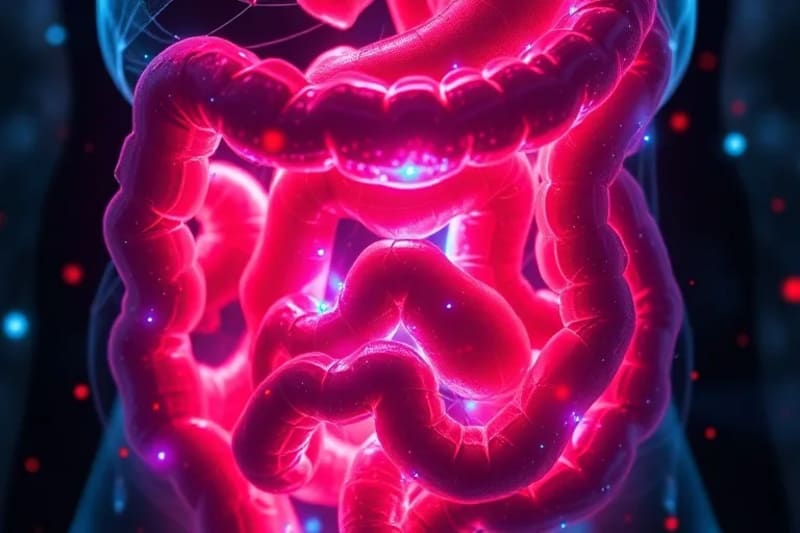
A conceptual visualization of microplastics navigating the complex pathways within the human digestive system.
The Silent Health Impact: What We Know (and Don't Know)
The potential health consequences of microplastic ingestion are a rapidly evolving area of scientific inquiry. While definitive long-term human health impacts are still being researched, several mechanisms of harm have been identified through in vitro and in vivo studies on various organisms. These mechanisms can be broadly categorized into physical, chemical, and microbial effects.
- Physical Damage: Larger microplastic particles can cause physical abrasion or blockage in the digestive tract. Smaller particles, particularly nanoplastics (less than 1 micrometer), have the potential to translocate across biological barriers, such as the gut lining, and enter the bloodstream, lymphatic system, and even organs.
- Chemical Toxicity: Plastics are not inert; they contain various chemical additives, such as plasticizers (e.g., phthalates), flame retardants, UV stabilizers, and colorants. Many of these chemicals are known endocrine-disrupting chemicals (EDCs), which can interfere with hormonal systems, potentially leading to reproductive issues, metabolic disorders, and developmental problems. Microplastics can also absorb environmental pollutants (e.g., PCBs, heavy metals) from their surroundings, acting as vectors for these toxins into the body.
- Inflammation and Immune Response: The presence of foreign particles in the body can trigger inflammatory responses and oxidative stress, potentially leading to cellular damage and chronic inflammation. Studies have shown that microplastics can alter gut microbiota composition, which is crucial for immune function and overall health.
It is important to note that research on human health is still in its early stages. Ethical considerations limit direct human experimentation, so much of our understanding comes from animal models and in vitro studies. However, the consistent detection of microplastics in human tissues, including blood, placenta, and lung tissue, underscores the urgency of further investigation into their long-term effects on chronic diseases, immune function, and overall well-being.
Biohacking Your Diet: Strategies to Reduce Microplastic Intake
Given the pervasive nature of microplastics, complete avoidance is nearly impossible. However, individuals can significantly reduce their exposure through conscious dietary choices and habits. Biohacking in this context involves making informed decisions to minimize the intake of microplastics and support the body's natural detoxification processes.
- Prioritize Whole, Unprocessed Foods: Opt for fresh fruits, vegetables, legumes, and whole grains that come with minimal or no plastic packaging. Processed foods often involve more plastic contact during manufacturing and packaging.
- Reduce Seafood Consumption (Strategically): While seafood is a healthy protein source, it is also a known vector for microplastics. Consider sourcing seafood from sustainable fisheries that prioritize cleaner waters, or reduce consumption of filter feeders like mussels and oysters, which tend to accumulate more microplastics.
- Filter Your Water: Tap water can contain microplastics, and bottled water often contains even more due to leaching from plastic bottles. Invest in a high-quality water filter (e.g., reverse osmosis, activated carbon) for drinking and cooking. Store water in glass or stainless steel containers.
- Avoid Heating Food in Plastic: Heat significantly increases the leaching of plastic chemicals and microparticles into food. Never microwave food in plastic containers or use plastic wrap in the microwave. Opt for glass or ceramic containers for heating and storage.
- Choose Non-Plastic Food Storage: Replace plastic food containers with glass, stainless steel, or ceramic alternatives. Use beeswax wraps or cloth bags instead of plastic wrap for food storage.
These dietary adjustments, while seemingly small, can collectively make a substantial difference in reducing daily microplastic intake. They align with broader principles of healthy eating, emphasizing fresh, minimally processed foods and reducing reliance on industrial food systems.

Embracing conscious choices in the kitchen, from water filtration to plastic-free storage, as a core biohacking strategy.
Lifestyle Adjustments: Beyond the Plate
Reducing microplastic exposure extends beyond dietary choices to broader lifestyle habits. Our homes and daily routines are often significant sources of these particles. Implementing a few key changes can further minimize overall exposure.
- Mind Your Clothing: Synthetic fabrics like polyester, nylon, and acrylic shed microfibers during washing and wear. Opt for natural fibers such as cotton, linen, wool, and hemp whenever possible. Use laundry bags designed to capture microfibers when washing synthetics.
- Reduce Dust: Microplastics accumulate in household dust. Regularly dust and vacuum with HEPA filters to remove these particles from your indoor environment.
- Avoid Microbeads: Check labels on personal care products (e.g., facial scrubs, toothpastes) and avoid those containing polyethylene (PE), polypropylene (PP), polyethylene terephthalate (PET), polymethyl methacrylate (PMMA), or nylon.
- Choose Sustainable Products: Support brands that prioritize plastic-free packaging and sustainable materials. This extends to everything from cleaning supplies to children's toys.
- Advocate for Change: Individual actions are powerful, but systemic change is also crucial. Support policies that reduce plastic production, improve waste management, and promote a Circular Economy Blockchain Supply Chains.
By integrating these lifestyle adjustments, individuals can create a more holistic approach to reducing their microplastic burden, both internally and within their immediate environment. These actions contribute to a broader movement towards a more sustainable and less plastic-dependent future.
The Future of Plastic: Policy, Innovation, and Personal Responsibility
Addressing the microplastic crisis requires a multi-pronged approach that extends beyond individual biohacking strategies. Policy changes, technological innovation, and a collective shift in consumer and producer responsibility are all essential components. Governments worldwide are beginning to implement regulations on single-use plastics and microbeads, but more comprehensive legislation is needed to curb plastic production and improve waste management infrastructure.
Innovation plays a critical role in developing biodegradable alternatives, advanced filtration systems, and novel recycling technologies. Research into the full health impacts of microplastics must continue to inform policy and public health guidelines. Ultimately, the future of plastic depends on a global commitment to reducing our reliance on this material, fostering a circular economy, and prioritizing environmental and human health over convenience.
While the scale of the microplastic problem can feel overwhelming, every conscious choice contributes to a larger solution. By adopting biohacking strategies for diet and lifestyle, individuals not only protect their own health but also send a clear signal to industries and policymakers about the demand for a cleaner, healthier planet. This collective effort is vital for mitigating the invisible impact of microplastics and securing a sustainable future for all.
Explore More Health and Environmental Insights
- Ethical Artificial Intelligence: Dilemmas of Artificial Consciousness
- Extreme Sports Health: Adrenaline, Resilience, Personal Growth
- Butterfly Effect Meteorology: Climate Prediction Chaos Theory
- Techno-Shamanism: Bridging Ancient Rituals Digital Healing Spirituality
- Norse Runes Lunar Magic: Cosmic Abundance Manifestation
Source: Hybrid content assisted by AI and human editorial supervision.


Comentarios