
Chronic Biohacking: Optimizing Circadian Rhythms for Extreme Longevity
Chronic biohacking represents a sophisticated, long-term approach to optimizing human biology and performance through systematic interventions. At its core, this discipline seeks to fine-tune the body's intrinsic systems, with a particular emphasis on the circadian rhythm—the internal 24-hour clock that governs nearly every physiological process. Understanding and manipulating this fundamental biological timing mechanism is not merely about improving daily function; it is increasingly recognized as a cornerstone for achieving extreme longevity and mitigating age-related decline.
The pursuit of extreme longevity through biohacking transcends simple lifestyle adjustments, delving into the molecular and genetic underpinnings of aging. By meticulously aligning our modern lifestyles with our ancient biological clocks, individuals can unlock profound health benefits, ranging from enhanced metabolic efficiency and cognitive function to robust immune responses and accelerated cellular repair. This article will explore the intricate science behind circadian rhythms and detail advanced biohacking strategies designed to optimize them for a sustained, healthier, and longer life.
Exploring the intricate interplay of advanced technology, biological rhythms, and environmental cues that define the frontier of longevity biohacking.
Conceptual rendering of a scientific pursuit, generated by advanced AI, reflecting the complex and evolving landscape of human biological optimization.Table of Contents
- The Science of Circadian Rhythms: The Master Clock and Beyond
- Circadian Rhythms' Profound Impact on Health and Longevity
- Core Biohacking Strategies for Circadian Optimization
- Advanced Biohacking Interventions for Circadian Precision
- Measuring and Tracking Progress in Circadian Biohacking
- Ethical Considerations and Future Directions
The Science of Circadian Rhythms: The Master Clock and Beyond
Circadian rhythms are endogenous, approximately 24-hour cycles that regulate a vast array of physiological and behavioral processes in nearly all living organisms. In humans, this intricate timing system is orchestrated by a central pacemaker, often referred to as the "master clock," located in the suprachiasmatic nucleus (SCN) of the hypothalamus. This tiny region of the brain receives direct light input from the retina, making light the primary external cue (zeitgeber) for synchronizing our internal clock with the external world.
Beyond the SCN, nearly every cell and organ in the body possesses its own "peripheral clocks." These local oscillators are synchronized by the SCN but also respond to other cues such as feeding times, physical activity, and temperature fluctuations. The harmonious interplay between the master clock and these peripheral clocks ensures that metabolic processes, hormone secretion, cell division, and immune responses occur at optimal times throughout the day and night.
At a molecular level, circadian rhythms are driven by a complex transcriptional-translational feedback loop involving a set of "clock genes." Key players include CLOCK and BMAL1, which form a heterodimer that activates the transcription of other genes, including Period (PER) and Cryptochrome (CRY). As PER and CRY proteins accumulate, they inhibit the activity of CLOCK and BMAL1, thus closing the loop and initiating a new cycle. This elegant molecular dance ensures the rhythmic expression of thousands of genes, impacting virtually every aspect of cellular function.
A visual representation of the complex molecular machinery orchestrating cellular timing and rhythmic gene expression.
Circadian Rhythms' Profound Impact on Health and Longevity
The integrity of our circadian system is inextricably linked to overall health and longevity. Chronic disruption of these rhythms, often seen in shift workers or individuals with poor sleep habits, is associated with a heightened risk of numerous chronic diseases, including metabolic syndrome, type 2 diabetes, cardiovascular disease, neurodegenerative disorders, and certain cancers. Conversely, a well-entrained circadian clock promotes optimal physiological function and resilience against age-related pathologies.
Key areas where circadian rhythm optimization directly influences longevity include:
- Metabolic Health: Circadian rhythms regulate glucose homeostasis, insulin sensitivity, lipid metabolism, and energy expenditure. Misalignment can lead to insulin resistance and fat accumulation.
- Hormonal Balance: The secretion of crucial hormones like cortisol, melatonin, growth hormone, and sex hormones follows distinct circadian patterns. Disruptions can lead to systemic imbalances affecting mood, energy, and reproductive health.
- Cellular Repair and Autophagy: Many cellular repair mechanisms, including DNA repair and autophagy (the body's cellular recycling process), are most active during specific phases of the circadian cycle, particularly during sleep. Optimal timing enhances cellular rejuvenation.
- Immune Function: Immune cell activity and cytokine production exhibit circadian rhythms. A synchronized clock supports a robust immune system capable of fighting off infections and clearing senescent cells, which contribute to aging.
- Brain Health and Cognitive Function: Sleep, a direct output of the circadian system, is critical for memory consolidation, waste clearance (glymphatic system), and neuroplasticity. Circadian disruption is implicated in cognitive decline and neurodegenerative diseases.
By supporting these fundamental processes, optimized circadian rhythms contribute to a slower biological aging rate, enhanced disease resistance, and improved quality of life into advanced age. This makes circadian biohacking a powerful tool in the longevity arsenal.
Core Biohacking Strategies for Circadian Optimization
Implementing foundational biohacking practices is crucial for establishing a robust circadian rhythm. These strategies focus on leveraging environmental cues to reinforce the body's natural timing mechanisms.
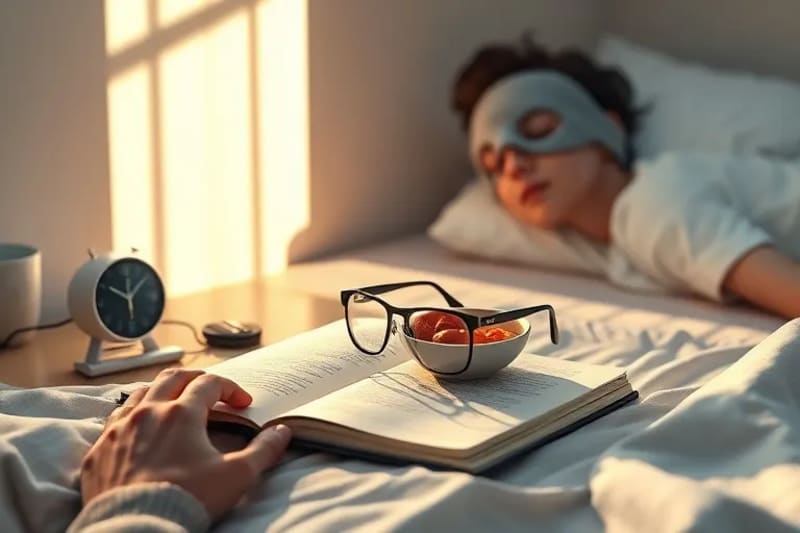
Essential tools and practices for meticulously aligning daily routines with the body's natural circadian rhythms.
- Optimized Light Exposure:
- Morning Light: Expose eyes to bright natural light (10,000 lux) within 30-60 minutes of waking. This signals to the SCN that the day has begun, suppressing melatonin and boosting cortisol.
- Daytime Light: Maximize exposure to natural light throughout the day, especially if working indoors.
- Evening Light Management: Minimize exposure to blue light from screens (phones, tablets, computers, TVs) 2-3 hours before bedtime. Use blue-light-blocking glasses or screen filters. Dim ambient lights.
- Consistent Sleep Hygiene:
- Regular Schedule: Go to bed and wake up at the same time every day, even on weekends. Consistency is paramount.
- Sleep Environment: Ensure the bedroom is completely dark, quiet, and cool (18-20°C or 65-68°F). Blackout curtains, earplugs, and a white noise machine can be beneficial.
- Pre-Sleep Routine: Establish a relaxing routine (e.g., warm bath, reading, meditation) to signal to the body that it's time to wind down.
- Strategic Nutrition and Meal Timing:
- Early Eating Window: Consume meals within a consistent 8-12 hour window, finishing dinner several hours before bedtime. This supports metabolic health and allows the digestive system to rest.
- Nutrient Timing: Prioritize protein and healthy fats for breakfast to stabilize blood sugar. Avoid heavy, high-glycemic meals close to sleep.
- Caffeine and Alcohol: Limit caffeine intake to the morning and avoid it after midday. Minimize alcohol consumption, especially in the evening, as it disrupts sleep architecture.
- Timed Exercise:
- Morning/Afternoon Exercise: Engage in physical activity earlier in the day. Intense exercise too close to bedtime can elevate core body temperature and sympathetic nervous system activity, making sleep difficult.
- Consistency: Regular exercise helps entrain circadian rhythms, but timing is key for optimal sleep.
- Temperature Regulation:
- Cooling for Sleep: The body's core temperature naturally drops before sleep. A cool bedroom and a warm bath followed by cooling can facilitate this drop.
- Morning Warmth: Exposure to warmth in the morning (e.g., sunlight, warm beverage) can help signal wakefulness.
- Stress Management: Chronic stress elevates cortisol, which can disrupt circadian rhythms and sleep. Incorporate practices like meditation, mindfulness, deep breathing, or yoga to manage stress effectively. For more on optimizing mental performance, consider exploring Immersive Neuroarchitecture: Designing Spaces for Mental Health.
Advanced Biohacking Interventions for Circadian Precision
For those seeking to push the boundaries of circadian optimization, several advanced interventions can provide further precision and leverage. These should ideally be implemented after foundational strategies are well-established and, in some cases, under professional guidance.
1. Targeted Supplementation:
- Melatonin: While naturally produced, exogenous melatonin can be used cautiously for jet lag or severe sleep phase delays. Low doses (0.3-1mg) are often more effective than higher doses.
- Magnesium: Involved in numerous biochemical reactions, magnesium can promote relaxation and improve sleep quality. Glycinate or L-threonate forms are often preferred for sleep.
- Apigenin: A flavonoid found in chamomile, apigenin has anxiolytic properties and can promote sleep by binding to GABA-A receptors.
- Glycine: An amino acid that can lower core body temperature and improve sleep quality.
- Inositol: May help improve sleep quality and reduce anxiety.
2. Wearable Technology and Smart Devices:
- Sleep Trackers: Devices like Oura Ring, Whoop, or Apple Watch can provide detailed insights into sleep stages, heart rate variability (HRV), and body temperature, helping to identify patterns and the effectiveness of interventions.
- Light Therapy Devices: Specialized lamps (e.g., red light therapy, full-spectrum SAD lamps) can be used to precisely deliver light at specific times to entrain the circadian rhythm or enhance cellular function.
- Smart Home Integration: Automated lighting systems that dim and change color temperature throughout the day can create an optimal circadian environment. Smart thermostats can adjust room temperature for ideal sleep.
3. Genetic Testing and Chronotype Identification:
- Understanding your genetic predispositions, particularly your chronotype (e.g., "lark" vs. "owl"), can help tailor lifestyle recommendations. Genes like PER3 have been linked to chronotype.
- Genetic insights can inform personalized strategies for meal timing, exercise, and sleep schedules, moving beyond one-size-fits-all advice.
4. Pharmacological and Nootropic Approaches (Under Medical Supervision):
- Certain medications or nootropics might influence circadian rhythmicity or sleep architecture. These should only be considered under strict medical guidance due to potential side effects and interactions.
Measuring and Tracking Progress in Circadian Biohacking
Effective biohacking requires objective measurement and continuous feedback. Tracking key metrics allows individuals to assess the efficacy of their interventions and make data-driven adjustments.
Key Metrics and Tools:
- Sleep Quality and Quantity: Tracked via wearable devices (sleep stages, total sleep time, sleep efficiency, disturbances) and subjective sleep diaries.
- Heart Rate Variability (HRV): A key indicator of autonomic nervous system balance and recovery. Higher HRV generally indicates better recovery and adaptability.
- Resting Heart Rate (RHR): A lower, stable RHR is often associated with better cardiovascular health and recovery.
- Core Body Temperature: Wearable sensors can track subtle shifts, which are crucial for understanding sleep onset and circadian phase.
- Blood Biomarkers: Periodic testing of hormones (cortisol, melatonin, thyroid hormones), glucose, insulin, and inflammatory markers can reveal systemic impacts of circadian optimization.
- Subjective Well-being: Daily journaling of energy levels, mood, cognitive performance, and overall vitality provides valuable qualitative data.
Consistency in tracking and a willingness to experiment are vital. The goal is to identify personalized patterns and interventions that yield the most significant improvements in health and longevity markers. For broader insights into health and aging, consider exploring Longevity Startups: Biohacker Business Models for Active Aging.
Ethical Considerations and Future Directions
As chronic biohacking for longevity gains traction, it brings forth important ethical considerations. Accessibility to advanced tools and knowledge remains a challenge, potentially widening health disparities. The pursuit of extreme longevity must also be balanced with quality of life and societal implications. Furthermore, the long-term effects of some advanced interventions are still being studied, necessitating a cautious and evidence-based approach.
The future of circadian biohacking is likely to involve even more personalized approaches, driven by advancements in AI, machine learning, and multi-omics data. Real-time biological sensing, predictive analytics, and highly customized interventions based on an individual's unique genetic makeup, microbiome, and lifestyle will become increasingly sophisticated. The integration of circadian science into mainstream medicine and public health initiatives holds the promise of a healthier, longer-lived global population.
Explore More Content
Dive deeper into related topics that can further enhance your understanding of health optimization and advanced biological strategies:
- Gut-Brain Axis and Functional Nutrition for Mental Health: Discover how your gut health directly impacts your brain and mental well-being, a crucial aspect of holistic longevity.
- Neuro-rights: Protecting Mental Privacy in the Digital Age: Understand the emerging legal and ethical frameworks surrounding brain data and mental privacy in an increasingly connected world.
- Mental Health, Sport, Performance: Challenges, Support Strategies: Learn about the critical link between mental health and peak performance, offering strategies for support and resilience.
- Disruptive Innovation: Strategies to Transform Markets and Businesses: Explore how innovative thinking can revolutionize various fields, including health and technology.
- Guided Meditation Cosmic Alignment Planetary Energies Manifestation: Enhance your mental well-being and stress management through guided meditation practices, complementing your biohacking journey.
Chronic biohacking is not a quick fix but a continuous journey of self-experimentation, learning, and adaptation. By meticulously optimizing circadian rhythms, individuals can lay a robust foundation for enhanced health, resilience, and a significantly extended healthspan. The integration of scientific understanding with practical, personalized strategies offers a powerful pathway toward achieving extreme longevity and a life lived with vitality.
Source: Hybrid content assisted by AI and human editorial supervision.


Comentarios