
Color psychology and biosustainable architecture: Cognitive well-being spaces
In an era where environmental consciousness and human well-being are paramount, the convergence of color psychology and biosustainable architecture offers a revolutionary approach to designing spaces. This interdisciplinary field explores how the strategic application of color within eco-friendly structures can profoundly influence human cognition, emotion, and overall health. Beyond mere aesthetics, this integration aims to create environments that are not only gentle on the planet but also actively foster mental clarity, reduce stress, and enhance productivity for their occupants. Understanding this synergy is key to unlocking the full potential of future-forward design.
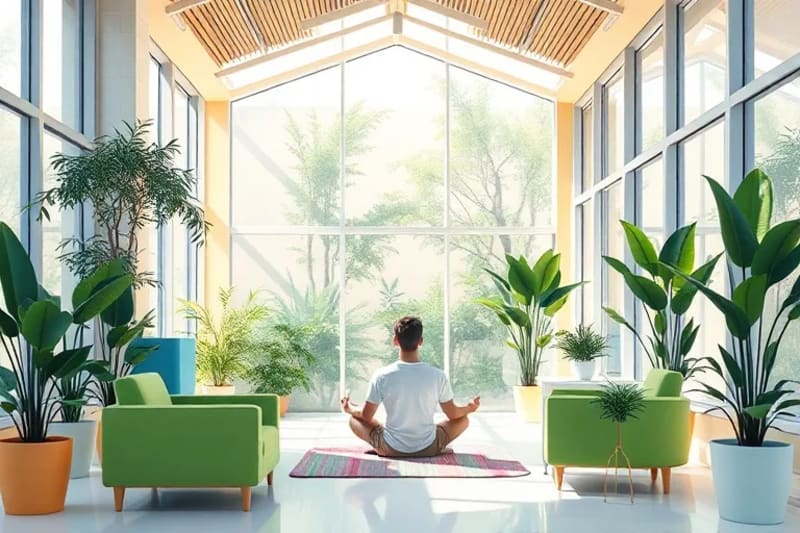
Conceptual representation of a biosustainable interior, illustrating the integration of natural light, biophilic elements, and strategic color application to foster cognitive well-being and a serene atmosphere.
This visual concept is an AI-generated render, reflecting the innovative intersection of design principles and human experience within modern architecture, created under a free-to-use license.The concept extends beyond simply choosing a paint swatch; it delves into the physiological and psychological responses that different hues evoke, aligning them with the core tenets of sustainability. Biosustainable architecture, by its nature, seeks to minimize negative environmental impact through efficiency and moderation in the use of materials, energy, and development space. When this is combined with an understanding of how colors can influence mood, behavior, and even cognitive function, the result is a holistic design that supports both ecological balance and human flourishing. This article will explore the foundational principles, practical applications, and future implications of this powerful synthesis.
Table of Contents
- The Foundations of Color Psychology in Design
- Principles of Biosustainable Architecture
- Integrating Color for Cognitive Well-being
- Practical Applications and Design Strategies
- Challenges and Future Directions
The Foundations of Color Psychology in Design
Color psychology is the study of hues as a determinant of human behavior. It explores how different colors can affect emotions, perceptions, and even physiological responses. For centuries, cultures worldwide have attributed symbolic meanings to colors, influencing everything from religious rituals to everyday communication. In design, this understanding translates into creating specific atmospheres and guiding user experience within a space.
The impact of color is not merely subjective; it has measurable effects. For instance, studies have shown that certain colors can increase heart rate, stimulate appetite, or induce feelings of calm. These responses are often rooted in our evolutionary history and biological wiring. The green of lush vegetation signals safety and abundance, while the deep blue of the sky and ocean evokes tranquility. Conversely, reds can signal danger or passion, triggering a more alert state. Understanding these fundamental reactions is the first step in harnessing color as a powerful design tool.
- Red: Energy, passion, urgency, can increase heart rate.
- Blue: Calm, serenity, trust, can lower heart rate and blood pressure.
- Green: Nature, balance, harmony, growth, associated with healing.
- Yellow: Happiness, optimism, creativity, can stimulate mental activity.
- Orange: Enthusiasm, warmth, excitement, can stimulate appetite.
- Purple: Luxury, creativity, wisdom, often associated with spirituality.
- Black: Sophistication, power, mystery, can be oppressive if overused.
- White: Purity, cleanliness, simplicity, can feel stark or empty.
It is crucial to note that cultural context plays a significant role in color perception. While some associations are universal, others are deeply embedded in specific societal norms and traditions. For example, white signifies purity in Western cultures but is often associated with mourning in some Eastern traditions. Designers must therefore consider the intended audience and cultural background when making color choices to ensure the desired psychological impact is achieved.
Principles of Biosustainable Architecture
Biosustainable architecture, often referred to as green or eco-friendly architecture, is a design philosophy that champions environmental responsibility and resource efficiency throughout a building's life cycle. From site selection to design, construction, operation, maintenance, renovation, and deconstruction, every stage is considered for its ecological footprint. The primary goal is to minimize negative impacts on the environment while enhancing human health and well-being.

An artistic interpretation of biophilic design, showcasing how natural hues and organic forms can converge to create calming and restorative environments.
This conceptual artwork, rendered by AI, illustrates the fluid integration of natural aesthetics and sustainable principles, available under a creative commons license.Key principles of biosustainable architecture include:
- Energy Efficiency: Utilizing passive solar design, natural ventilation, high-performance insulation, and renewable energy sources like solar panels to reduce energy consumption.
- Water Efficiency: Implementing rainwater harvesting, greywater recycling, and water-efficient fixtures to minimize water usage.
- Sustainable Materials: Prioritizing materials that are recycled, renewable, locally sourced, non-toxic, and have a low embodied energy.
- Indoor Environmental Quality: Ensuring good air quality, thermal comfort, acoustic performance, and ample natural light to promote occupant health and productivity.
- Site and Ecosystem Protection: Minimizing disruption to the natural landscape, preserving biodiversity, and integrating green spaces.
- Biophilia: Designing to connect building occupants with nature through natural light, views of greenery, and the incorporation of natural patterns and materials. This principle is particularly relevant when considering the psychological impact of color.
The focus on biophilia within sustainable design provides a natural bridge to color psychology. By incorporating elements that mimic natural environments, such as views of nature or the use of natural materials, biosustainable architecture inherently begins to leverage the psychological benefits associated with natural colors. This foundational alignment makes the integration of deliberate color strategies even more impactful, leading to spaces that are not just green, but also deeply nurturing for the human spirit.
Integrating Color for Cognitive Well-being
The true innovation lies in consciously merging color psychology with biosustainable principles to enhance cognitive well-being. This goes beyond simply painting walls; it involves a holistic approach where color choices are informed by the building's function, its natural surroundings, and the desired psychological outcomes for its inhabitants. The aim is to create environments that actively support mental health, focus, creativity, and relaxation.
Specific color palettes can be strategically employed:
- Greens: In biosustainable architecture, greens are a natural fit. They evoke nature, promote feelings of calm, reduce eye strain, and can enhance concentration. Using various shades of green, from muted sage to vibrant moss, can create dynamic yet soothing spaces. This is particularly effective in workspaces or study areas where sustained focus is required.
- Blues: Often associated with the sky and ocean, blues promote serenity, productivity, and trust. Lighter blues can make spaces feel more expansive and airy, while deeper blues can add a sense of stability and depth. They are ideal for areas dedicated to relaxation, meditation, or high-concentration tasks where a sense of calm is beneficial.
- Yellows and Oranges: Used judiciously, warm colors like soft yellows and muted oranges can inject warmth, creativity, and social interaction into a space. Bright yellows can stimulate mental activity and optimism, making them suitable for creative hubs or collaborative zones. However, overuse can lead to overstimulation, so they are best used as accents or in areas with transient occupancy.
- Earth Tones: Browns, beiges, and terracotta hues derived from natural materials like wood, stone, and clay provide grounding and stability. They create a sense of connection to the earth, fostering comfort and security. These colors are excellent for foundational elements and can be paired with brighter accents to prevent monotony.
- Neutrals: Whites, grays, and off-whites provide a versatile backdrop that allows other colors and natural elements to stand out. They contribute to a sense of spaciousness and cleanliness, often reflecting natural light effectively, which is a core principle in sustainable design. Neutrals can create a balanced and sophisticated aesthetic, preventing visual clutter and promoting mental clarity.
By carefully selecting and combining these palettes, designers can craft environments that not only look appealing but also actively contribute to the cognitive well-being of occupants. This thoughtful application ensures that the building supports mental health as much as it supports environmental health.
Practical Applications and Design Strategies
Translating color psychology into practical biosustainable architectural design requires strategic planning and an understanding of how various elements interact. It’s not just about wall paint; it encompasses materials, lighting, and the overall functional layout of a space.
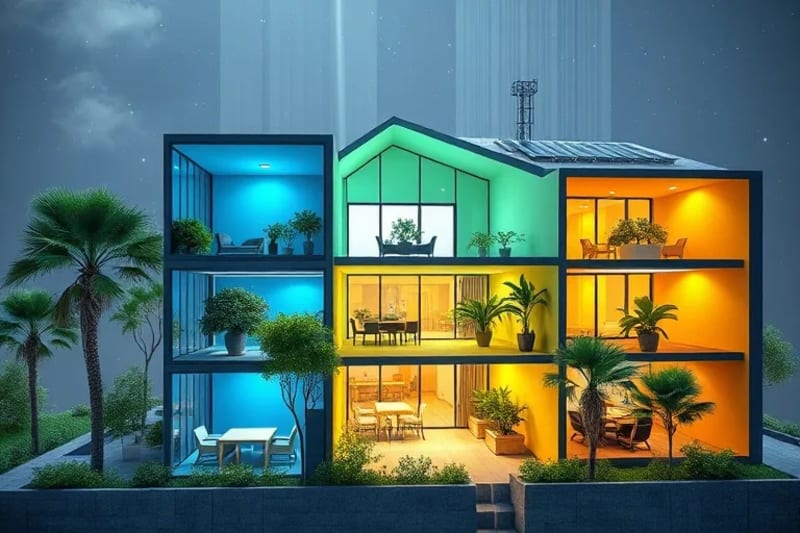
A detailed rendering showcasing how distinct color palettes are applied to different functional zones within a sustainable building, enhancing purpose and user experience.
This 3D visualization, generated by an AI, demonstrates advanced architectural concepts for sustainable and cognitively optimized spaces, provided under a public domain equivalent license.One crucial aspect is the role of lighting. Natural light, a cornerstone of biosustainable design, dramatically influences how colors are perceived. Designers must consider how sunlight changes throughout the day and how artificial lighting will complement or alter the chosen palette. Warm light sources can enhance reds, oranges, and yellows, creating a cozy atmosphere, while cooler light sources can accentuate blues and greens, promoting a more crisp and focused environment. The integration of smart lighting systems that adapt color temperature and intensity can further optimize the psychological impact of a space throughout its operational hours.
Materiality and texture also play a significant role. Sustainable materials often come in natural hues and textures that inherently contribute to a biophilic design. For instance, exposed wood grains or natural stone finishes introduce earthy tones and tactile qualities that enhance feelings of warmth and connection to nature. These natural textures can soften the impact of more vibrant colors or add depth to neutral palettes. The choice of finishes – matte versus glossy – can also affect how light interacts with color, influencing the overall mood.
Zoned coloring is another effective strategy. Different areas within a building serve different purposes, and their color schemes should reflect these functions. For example:
- Workspaces: Often benefit from greens and blues to enhance focus and reduce stress.
- Break Areas/Cafeterias: Can incorporate warmer, more stimulating colors like soft yellows or oranges to encourage social interaction and rejuvenation.
- Relaxation/Meditation Zones: Deep blues, muted purples, or serene greens can foster tranquility and introspection.
- Circulation Areas (Hallways): Neutral tones with subtle color accents can guide movement without overstimulating.
By meticulously planning these elements, architects can create dynamic yet harmonious environments that guide occupants through various emotional and cognitive states, enhancing their overall experience and well-being within the sustainable structure. The careful consideration of these strategies contributes to a truly sustainable design that prioritizes human experience.
Challenges and Future Directions
While the integration of color psychology and biosustainable architecture offers immense potential, it also presents several challenges and exciting avenues for future development. One significant challenge is the subjective nature of color perception. While general psychological responses exist, individual preferences and past experiences can heavily influence how a person reacts to a particular hue. What one person finds calming, another might find dull. This necessitates a flexible approach, perhaps incorporating customizable elements or a broader understanding of user demographics.
Another hurdle is the need for more empirical data. While color psychology has a strong theoretical basis, its specific application within sustainable architectural contexts requires more rigorous research. Data-driven design, utilizing occupant feedback and physiological monitoring, could provide valuable insights into the most effective color strategies for different environments and user groups. This could lead to evidence-based guidelines that go beyond general recommendations.
Looking ahead, the future of this field is promising. The advent of smart building technologies and advanced materials could revolutionize how color is integrated. Imagine environments where wall colors dynamically shift based on the time of day, the activity taking place, or even the mood of the occupants, all while maintaining energy efficiency. Responsive surfaces that change hue and texture could offer highly personalized and adaptive spaces, optimizing cognitive well-being in real-time. This could be part of a broader trend towards highly personalized human experience in built environments.
Furthermore, advancements in bioengineering and material science could lead to the development of sustainable pigments and coatings that not only offer a vast spectrum of colors but also possess additional functional benefits, such as air purification or thermal regulation. The continuous evolution of design tools, including virtual reality and AI-powered simulation, will also enable architects to better visualize and test the psychological impacts of their color choices before construction, leading to more refined and effective designs. The synergy between these fields promises a future where buildings are not just structures, but active participants in human health and planetary stewardship.
Explore More Thought-Provoking Content
Delve deeper into the fascinating intersections of technology, consciousness, and sustainable living with our curated selection of related articles:
- Virtual Reality for Phobias and Anxiety: Advanced Therapy
- Quantum Leap Consciousness: Bridging Physics, Metaphysics, Transformation
- Transpersonal Psycho-Astrology: Shadow Archetypes, Hero's Journey
Source: Hybrid content assisted by AI and human editorial supervision.


Comentarios