
Michael Jackson's Music Science: Voice, Production, Legacy
Michael Jackson, often hailed as the "King of Pop," transcended mere entertainment to become a global cultural phenomenon. His music was not just a collection of catchy tunes; it was a meticulously crafted blend of artistic vision, vocal mastery, and pioneering sound production techniques that pushed the boundaries of what was possible in popular music. Understanding the science behind his musical genius reveals a profound interplay between human talent and technological innovation.
This article delves into the intricate elements that defined Michael Jackson's sound, exploring his unique vocal physiology, the groundbreaking production methods employed in his most iconic albums, and the lasting impact these innovations had on the music industry. From his early days with the Jackson 5 to his solo superstardom, Jackson's commitment to sonic excellence set new standards for artists worldwide.
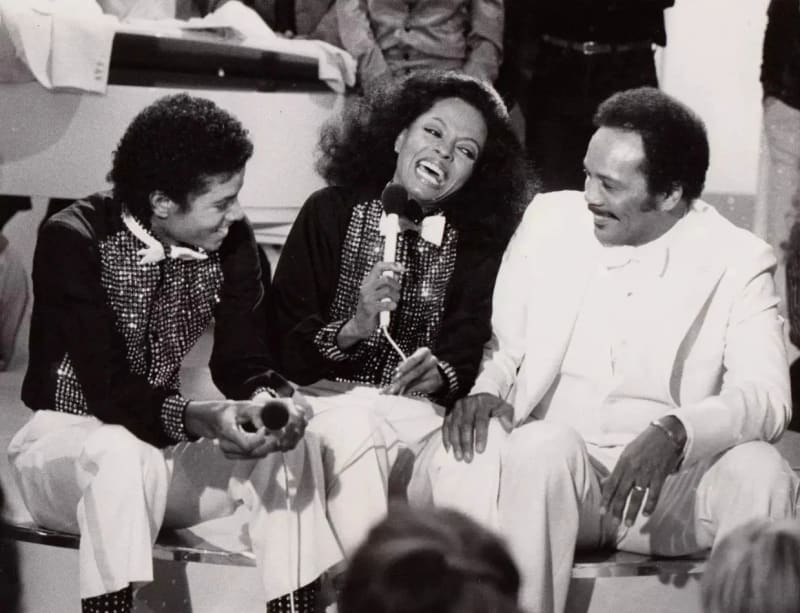
Precursors intellectuales, diagramas fundamentales y representaciones conceptuales que forjaron la visión de Michael Jackson sobre la producción musical.
This image is a conceptual rendering, drawing inspiration from historical archives and artistic interpretations to encapsulate the transformative period that shaped a musical icon's legacy.Table of Contents
- The Science of Vocal Mastery: Michael Jackson's Voice
- Pioneering Sound Production and Engineering
- Rhythmic Innovation and Groove Psychology
- Visual Soundscapes and Sonic Storytelling
- Enduring Legacy and Influence on Modern Music
The Science of Vocal Mastery: Michael Jackson's Voice
Michael Jackson's vocal range was exceptional, spanning over four octaves, from a low baritone to a soaring falsetto. This remarkable flexibility allowed him to convey a vast spectrum of emotions and textures in his performances. His ability to seamlessly transition between chest voice and head voice, often within a single phrase, created a dynamic and captivating listening experience.
Beyond raw range, Jackson possessed an extraordinary command over vocal embellishments. His signature "hiccups," gasps, and vocal percussive sounds were not mere affectations but carefully placed sonic elements that added rhythmic complexity and emotional depth to his songs. These techniques, often studied in vocal pedagogy, demonstrated a sophisticated understanding of vocal control and expressive delivery.
The physiological aspects of his voice also contributed to its unique quality. His vocal cords exhibited a high degree of agility, allowing for rapid melismatic runs and precise intonation. This physical aptitude, combined with years of rigorous training and performance, honed his voice into an instrument of unparalleled precision and emotional resonance.
Pioneering Sound Production and Engineering
The sonic landscape of Michael Jackson's albums, particularly those produced with Quincy Jones, was revolutionary. They embraced cutting-edge recording technology and innovative engineering techniques to create a sound that was both rich and expansive. The use of multi-tracking was central to this, allowing for intricate layering of vocals and instruments.
For instance, on albums like "Thriller," dozens of vocal tracks were often layered to create a powerful, almost choral effect, adding immense depth and presence to his lead and background vocals. This meticulous approach to layering, combined with innovative microphone techniques and signal processing, resulted in a highly polished and impactful sound. The detailed attention to each sound element set a new benchmark for pop music production.

A conceptual arrangement symbolizing the profound impact of advanced sound engineering and media presence in shaping a musical icon's career.
Synthesizers and drum machines played a crucial role in shaping the distinctive sound of the 80s, and Jackson's team utilized them with unparalleled creativity. The LinnDrum, for example, became a staple, providing crisp, powerful rhythms that were both modern and danceable. The integration of these electronic elements with live instrumentation created a hybrid sound that was fresh and groundbreaking, influencing countless artists across genres.
The meticulous mixing process also contributed significantly to the final product. Engineers like Bruce Swedien were masters of creating spacious and dynamic mixes, ensuring that every instrument and vocal layer had its place without sounding cluttered. This attention to detail in the studio environment transformed recording into an art form, where every sonic decision was carefully considered for maximum impact. This meticulous approach to sound design is a testament to the scientific rigor applied in his musical creation.
Rhythmic Innovation and Groove Psychology
Michael Jackson's music is synonymous with irresistible rhythm and groove. This wasn't accidental but a result of a deep understanding of rhythmic psychology and percussive arrangement. His songs often featured complex, syncopated basslines and drum patterns that compelled listeners to move. The interplay between different rhythmic elements created a rich tapestry that was both intricate and accessible.
The "pocket" created by his rhythm sections was exceptionally tight, a characteristic that is highly valued in funk and R&B. This precision, combined with subtle variations and unexpected accents, kept the listener engaged and energized. The psychological effect of these grooves is well-documented, triggering primal responses in the brain that are associated with movement and pleasure.
Furthermore, Jackson's own vocal delivery often served as an additional percussive instrument. His vocal "hiccups" and ad-libs were not just expressive but also rhythmic, adding another layer of complexity to the overall sonic texture. This integration of vocal and instrumental rhythm created a cohesive and powerful musical experience that transcended traditional song structures. The impact of such intricate rhythmic structures can be further explored in studies on immersive technology in concerts, where the audience's perception of rhythm is enhanced.
Visual Soundscapes and Sonic Storytelling
A key aspect of Michael Jackson's genius was his ability to create "visual soundscapes." His music was inherently cinematic, designed to evoke vivid imagery and tell compelling stories. This was achieved through careful orchestration, the use of sound effects, and a narrative approach to songwriting. Songs like "Thriller" are prime examples, where sound effects like creaking doors and howling wolves are integral to the storytelling.
The arrangement of instruments and vocals was often theatrical, building tension and releasing it with dramatic flair. This approach mirrored his visual artistry in music videos, where every element served to enhance the narrative. The synergy between his audio and visual work created a multi-sensory experience that was revolutionary for its time, setting a new standard for music videos as an art form.

A conceptual artwork depicting the intricate relationship between abstract sound elements and the physical environment of musical performance, symbolizing a lasting artistic legacy.
His lyrical themes often tackled complex social issues, delivering powerful messages wrapped in accessible pop melodies. Songs like "They Don't Care About Us" showcased his commitment to using his platform for social commentary. This blend of entertainment and activism resonated deeply with audiences worldwide, proving that pop music could be both commercially successful and socially conscious. Further analysis of his impactful lyrics can be found in discussions like Michael Jackson They Don't Care: Analysis Lyrics Legacy.
Enduring Legacy and Influence on Modern Music
Michael Jackson's scientific approach to music, combining vocal precision with groundbreaking production, left an indelible mark on the industry. His innovations in sound engineering, rhythmic complexity, and visual storytelling continue to inspire new generations of artists and producers. The standards he set for album production and live performance remain benchmarks for excellence.
His influence can be heard in countless pop, R&B, and hip-hop artists who have adopted his vocal techniques, rhythmic sensibilities, and ambitious production styles. The concept of the "album as an event" and the "music video as a short film" were largely popularized by his work, transforming how music is consumed and experienced globally. This profound impact on the music industry is a testament to his unique blend of artistry and technical prowess.
Moreover, Jackson's global appeal broke down cultural barriers, making his music a universal language. His humanitarian efforts and messages of unity further solidified his status as a cultural icon. The scientific and artistic principles embedded in his music continue to be studied and celebrated, ensuring his legacy endures far beyond his lifetime. Understanding the intricate details of such creative processes can sometimes involve advanced analytical tools, similar to how biometric divination explores patterns in human data.
Explore More from Our Content Ecosystem
Source: Hybrid content assisted by AI and human editorial supervision.


Comentarios