
Greek Mythology Video Games: Archetypes, Digital Narratives
Greek mythology, a cornerstone of Western culture, continues to captivate audiences across various media, and modern video games are no exception. From epic sagas to intricate role-playing experiences, the tales of gods, heroes, and monsters from ancient Greece provide a rich tapestry for digital narratives. This enduring appeal stems from universal themes, compelling characters, and dramatic conflicts that translate seamlessly into interactive entertainment, offering players a chance to embody legendary figures or forge their own mythological destinies.
The integration of Greek myths into video games is not merely a superficial overlay but often involves a deep exploration of their archetypes and narrative structures. Developers leverage these timeless stories to create immersive worlds, complex characters, and engaging gameplay mechanics that resonate with a broad audience, from seasoned myth enthusiasts to newcomers discovering these ancient tales for the first time. This article delves into how these digital realms breathe new life into classical mythology.
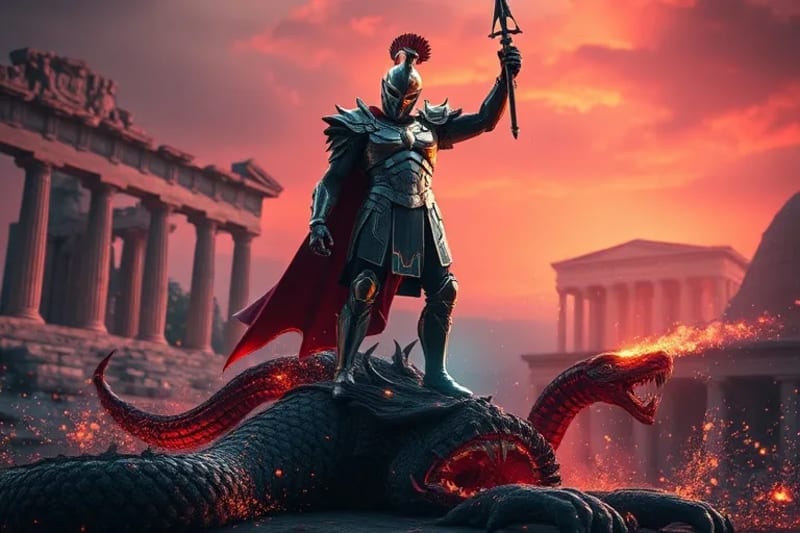 Connecting the legacy of ancient Greek narratives with the immersive worlds of modern video games.
This conceptual image is an AI-generated render, illustrating the dynamic fusion of classical mythology with contemporary digital entertainment.
Table of Contents
- The Enduring Appeal of Ancient Narratives
- Archetypes in Digital Realms
- Narrative Structures and Timeless Themes
- Impact on Game Design and World-Building
- Modern Interpretations and Adaptations
- Challenges and Criticisms of Adaptation
- The Future of Mythological Gaming
The Enduring Appeal of Ancient Narratives
The stories of Greek mythology are replete with elements that naturally lend themselves to compelling gameplay. Heroes like Odysseus and Heracles undertake epic journeys, confronting fantastical creatures and overcoming seemingly insurmountable odds. These narratives provide a ready-made framework for quests, boss battles, and character progression systems that are fundamental to many video game genres.
Moreover, the pantheon of Greek gods and goddesses offers a diverse cast of powerful beings, each with distinct personalities, domains, and abilities. This allows for rich character development, intricate political intrigue among the Olympians, and a wide array of powers that players can wield or contend against. The inherent drama and grandeur of these tales ensure that players are constantly engaged with a world far grander than their own.
Archetypes in Digital Realms
Video games frequently tap into the archetypal figures of Greek mythology, transforming them into digital avatars that resonate deeply with players. These archetypes provide a familiar foundation upon which developers can build unique interpretations, allowing for both reverence and innovation.
- The Hero: Figures like Kratos from the God of War series embody the rage and tragic destiny of a Greek hero, albeit with a modern, brutal twist. Other games might feature protagonists inspired by Odysseus's cunning or Achilles's martial prowess, embarking on quests that test their courage and wit.
- The Gods: Zeus, Hades, Athena, and Poseidon are frequently depicted as powerful allies, formidable adversaries, or even playable characters. Their divine powers and complex relationships often drive the overarching plot, influencing the player's journey and the fate of the game world.
- The Monsters: From the multi-headed Hydra to the labyrinthine Minotaur, and the petrifying Gorgons, Greek mythology is teeming with iconic beasts. These creatures translate perfectly into challenging enemies and memorable boss encounters, pushing players to master combat mechanics and strategic thinking.
- Tragic Figures: Beyond the heroes and villains, games sometimes explore the stories of tragic figures like Icarus or Sisyphus, offering narratives that delve into themes of hubris, punishment, and the human condition. These elements can add significant emotional depth to a game's story.
 A visual representation of how ancient archetypes are reimagined in contemporary digital art and gaming.
This artwork is a conceptual AI rendering, showcasing the blend of classical figures with modern digital aesthetics, under a Creative Commons Attribution-ShareAlike license.
Narrative Structures and Timeless Themes
The narrative frameworks of Greek myths, such as the hero's journey, divine intervention, and tragic downfall, are inherently adaptable to interactive storytelling. Games often employ these structures to guide players through engaging plots, offering choices that can alter the course of destiny.
Key themes from Greek mythology also find new life in digital spaces:
- Epic Journeys: The quest for a mythical artifact, the journey through the Underworld, or the voyage across treacherous seas are common game tropes directly inspired by Greek epics.
- Moral Dilemmas: Many Greek myths present characters grappling with difficult choices, often with profound consequences. Video games can replicate this by presenting players with ethical quandaries, forcing them to consider the moral dilemmas and critical decisions that shape their character and the game world.
- Fate vs. Free Will: A central philosophical debate in Greek thought, this theme is perfectly suited for interactive narratives where player choices can seemingly defy or fulfill prophecies, blurring the lines between predetermined destiny and individual agency.
- Revenge and Redemption: The cycles of vengeance and the possibility of redemption are powerful motivators for many mythological characters. Games often explore these themes, allowing players to seek retribution or work towards atonement for past actions, adding emotional depth to their journey.
Impact on Game Design and World-Building
The influence of Greek mythology extends beyond just story and characters, deeply impacting the very design and aesthetic of video games. The rich iconography and architectural styles of ancient Greece provide a stunning visual palette for game environments.
Developers meticulously craft worlds filled with towering temples, bustling city-states, and treacherous mythological landscapes, all inspired by historical and mythological accounts. This attention to detail creates a sense of authenticity and immersion, transporting players directly into the heart of the ancient world. Furthermore, the fantastical elements of mythology allow for creative freedom in level design, introducing unique puzzles, traps, and environmental challenges.
Gameplay mechanics are also heavily influenced. Divine powers can manifest as unique abilities, weapons might be legendary artifacts imbued with mythical properties, and enemies often require specific strategies derived from their mythological weaknesses. This integration ensures that the mythological theme is not just skin-deep but fundamental to the interactive experience.
 Symbolizing the seamless integration of ancient Greek tales with contemporary interactive entertainment.
This conceptual image is a high-fidelity AI render, exploring the intersection of classical heritage and digital innovation, available under a public domain equivalent license.
Modern Interpretations and Adaptations
Modern video games often take liberties with the source material, reinterpreting myths to fit contemporary storytelling sensibilities. This can involve updating character motivations, expanding on lesser-known tales, or even creating entirely new narratives within the mythological framework. The goal is often to make these ancient stories relatable and engaging for a modern audience, sometimes by adding elements of humor, grit, or psychological depth.
For instance, some games might explore the psychological toll of immortality on the gods or delve into the complexities of human-divine relationships in ways that ancient texts only hinted at. This creative freedom allows for fresh perspectives and ensures that Greek mythology remains a vibrant and evolving source of inspiration, much like the mysteries of astrophysics and AI continue to inspire new frontiers of thought.
Challenges and Criticisms of Adaptation
While the adaptation of Greek mythology into video games offers immense creative potential, it is not without its challenges and criticisms. One common critique is the potential for oversimplification or misinterpretation of complex mythological narratives and philosophical undertones. In the pursuit of action-packed gameplay, some games might reduce nuanced characters to mere archetypes or distort original myths for dramatic effect.
Another challenge lies in striking a balance between historical accuracy (where applicable) and creative license. While video games are not history lessons, a complete disregard for the cultural context or core themes of the myths can alienate purists. Developers often navigate a fine line, aiming to capture the essence of the myths while making them accessible and exciting for a global gaming audience.
The Future of Mythological Gaming
The future of Greek mythology in video games appears bright, with ongoing advancements in technology offering even greater possibilities for immersive and interactive storytelling. Virtual reality (VR) and augmented reality (AR) could allow players to step directly into the mythological landscapes, experiencing the grandeur of Olympus or the terror of Tartarus firsthand.
Furthermore, as game narratives become more sophisticated, there is potential for deeper exploration of the philosophical and psychological dimensions of Greek myths. Future titles might delve into the lesser-known figures and tales, offering fresh perspectives and expanding the mythological canon within the gaming world. The blend of ancient wisdom and modern technology promises a continued legacy for these timeless stories.
Explore More Content
Dive deeper into diverse topics and expand your knowledge with our curated selection of articles:
- Epigenetic Biohacking: Gene Expression Modulation Health
- Climate Finance: Sustainable Investments Adaptation Mitigation
- Zodiacal Modalities: Dynamism, Way of Being
- Zodiac Astrology Holistic Self-Discovery Bridging Systems
Source: Hybrid content assisted by AI and human editorial supervision.


Comentarios