
Personalized Nutrition, Epigenetics, and the Microbiome: An Advanced Guide
Personalized nutrition represents a paradigm shift in dietary science, moving beyond generic recommendations to strategies tailored to an individual's unique biological makeup. This advanced approach integrates insights from epigenetics, the study of heritable changes in gene expression that do not involve alterations to the underlying DNA sequence, and the microbiome, the vast community of microorganisms inhabiting the human gut. By understanding how diet interacts with our genes and our microbial inhabitants, scientists and clinicians can craft highly specific nutritional plans designed to optimize health, prevent disease, and enhance well-being.
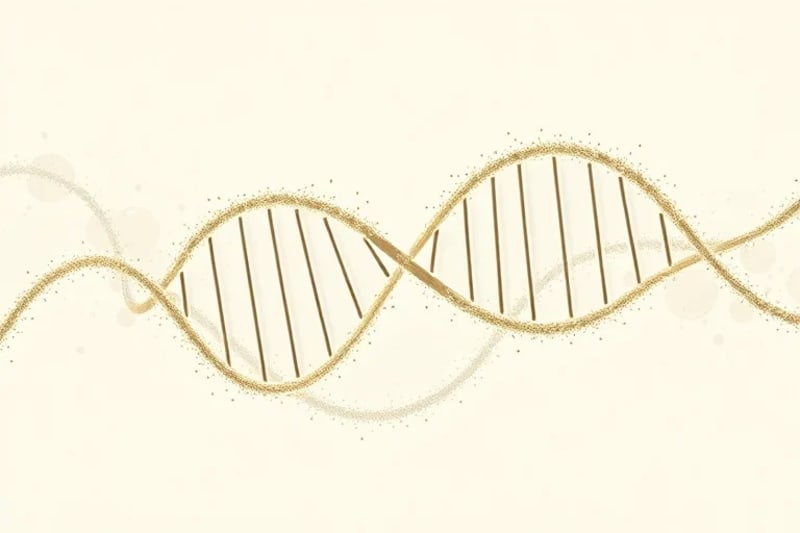
Conceptual visualization of the intricate dance between genetic predispositions, microbial ecosystems, and dietary interventions that define the frontier of personalized health.
This image is a conceptual AI render, illustrating the complex, interconnected systems that underpin advanced nutritional science, drawing inspiration from diverse biological and data-driven perspectives.The convergence of these fields offers unprecedented opportunities to decode the complex interplay between food, environment, and human physiology. This article delves into the technical underpinnings of personalized nutrition, exploring the mechanisms through which diet influences epigenetic modifications and shapes the gut microbiome, and how these insights are being translated into actionable dietary advice.
Table of Contents
- The Epigenetic Landscape of Diet
- The Microbiome as a Metabolic Organ
- Integrating Omics Data for Personalized Recommendations
- Practical Applications and Ethical Considerations
- Future Directions and Research Frontiers
The Epigenetic Landscape of Diet
Epigenetics refers to mechanisms that regulate gene expression without altering the DNA sequence itself. These modifications act as a layer of control over the genome, determining which genes are turned on or off in specific cells and at particular times. Key epigenetic mechanisms include DNA methylation, histone modification, and non-coding RNA regulation.
Dietary components are powerful modulators of these epigenetic marks. Nutrients and bioactive compounds from food can directly or indirectly influence the activity of enzymes responsible for adding or removing epigenetic tags. For instance, folate and vitamin B12 are crucial cofactors for DNA methyltransferases, enzymes that add methyl groups to DNA, often leading to gene silencing.
Conversely, histone deacetylase (HDAC) inhibitors, found in foods like broccoli (sulforaphane) and red wine (resveratrol), can promote gene expression by keeping chromatin in a more open, accessible state. This dynamic interplay means that dietary choices can profoundly impact gene activity, influencing cellular processes from metabolism to inflammation and disease susceptibility.
Research has shown that early life nutrition can establish epigenetic patterns that persist throughout life, affecting long-term health outcomes. For example, maternal diet during pregnancy can influence the offspring's risk of obesity, diabetes, and cardiovascular disease through epigenetic programming. Understanding these mechanisms allows for targeted nutritional interventions to optimize health trajectories.
The Microbiome as a Metabolic Organ
The human gut microbiome is a complex ecosystem comprising trillions of microorganisms, including bacteria, archaea, viruses, and fungi. Far from being passive inhabitants, these microbes function as a "metabolic organ," playing critical roles in nutrient digestion, vitamin synthesis, immune system development, and protection against pathogens.
One of the most significant contributions of the gut microbiome is its ability to ferment indigestible dietary fibers into short-chain fatty acids (SCFAs) like acetate, propionate, and butyrate. Butyrate, in particular, serves as a primary energy source for colonocytes and has potent anti-inflammatory and epigenetic regulatory properties, acting as an HDAC inhibitor.
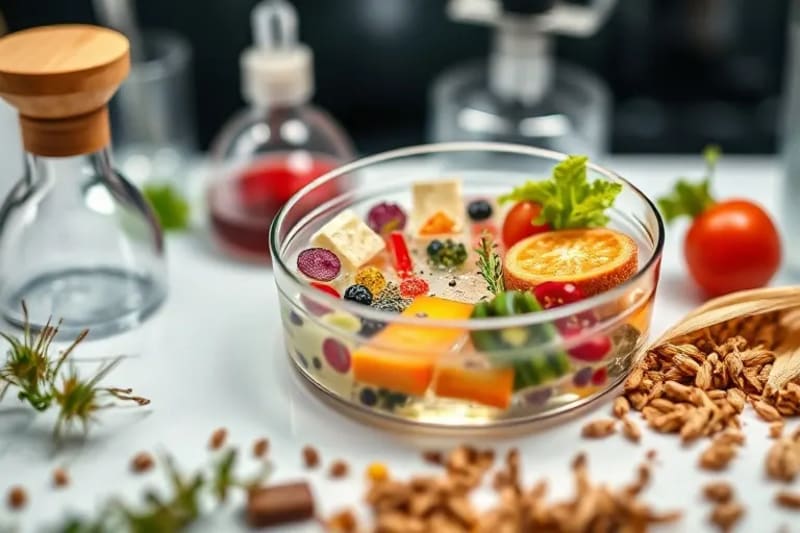
A carefully curated still life showcasing the scientific tools and natural elements involved in understanding the intricate relationship between diet and gut microbiota.
This image, a conceptual AI rendering, blends scientific precision with the organic nature of food, symbolizing the analytical approach to dietary impact on microbial ecosystems.Dysbiosis, an imbalance in the composition or function of the gut microbiota, has been linked to a wide array of chronic diseases, including inflammatory bowel disease (IBD), obesity, type 2 diabetes, cardiovascular disease, and even neurodegenerative conditions. Dietary patterns are the primary drivers of microbiome composition and function.
Diets rich in diverse plant-based foods, prebiotics (e.g., inulin, fructans), and probiotics (live microorganisms found in fermented foods) promote a diverse and beneficial microbiome. Conversely, diets high in processed foods, sugar, and saturated fats can lead to a less diverse and potentially pro-inflammatory microbial community. Tailoring dietary fiber and fermented food intake based on an individual's microbiome profile is a cornerstone of personalized nutrition.
Integrating Omics Data for Personalized Recommendations
The true power of personalized nutrition lies in its ability to integrate vast amounts of biological data, often referred to as "omics" data. This includes:
- Genomics: Analyzing an individual's DNA sequence to identify genetic predispositions, single nucleotide polymorphisms (SNPs) that affect nutrient metabolism or food sensitivities.
- Epigenomics: Mapping epigenetic marks across the genome to understand how gene expression is regulated and influenced by environmental factors, including diet.
- Metabolomics: Measuring the complete set of small-molecule metabolites (e.g., amino acids, lipids, sugars) in biological samples, providing a real-time snapshot of metabolic status and response to diet.
- Metagenomics/Metatranscriptomics: Characterizing the genetic material or gene expression of the entire microbial community, offering insights into species composition and functional potential of the microbiome.
Collecting and integrating these diverse datasets requires sophisticated bioinformatics and computational approaches. Machine learning and artificial intelligence (AI) algorithms are crucial for identifying patterns, predicting individual responses to dietary interventions, and generating actionable recommendations. For instance, AI can analyze a person's genetic variants, microbiome composition, and metabolic markers to suggest optimal macronutrient ratios, specific food choices, and even timing of meals to achieve desired health outcomes.
The development of Digital Twins in healthcare further exemplifies this integration, where virtual models of individuals are created to simulate physiological responses to various interventions, including dietary changes. This predictive modeling allows for highly precise and proactive health management.
Practical Applications and Ethical Considerations
Personalized nutrition is moving from research labs to practical applications. Clinical trials are demonstrating its efficacy in managing chronic diseases. For example, individuals with type 2 diabetes can receive dietary advice tailored to their glucose response, which varies significantly even for the same food, based on their genetics and microbiome. Similarly, patients with IBD can benefit from diets designed to reduce inflammation and promote gut healing, informed by their unique microbial profiles.
However, the widespread adoption of personalized nutrition also raises important ethical and practical considerations:
- Data Privacy and Security: The collection of sensitive genomic, metabolomic, and microbiome data necessitates robust privacy frameworks and cybersecurity measures. Concerns about data ownership and potential misuse are paramount. This aligns with broader discussions on Digital Human Rights: Censorship, Privacy, Freedom of Expression.
- Accessibility and Equity: The advanced testing and computational analysis involved can be expensive, potentially creating a disparity in access to these cutting-edge health solutions. Efforts are needed to make personalized nutrition affordable and accessible to all segments of the population.
- Interpretation and Actionability: Translating complex omics data into clear, understandable, and actionable dietary advice for individuals requires skilled professionals and user-friendly platforms. The risk of misinterpretation or oversimplification must be mitigated.
- Regulatory Oversight: As the field evolves, clear regulatory guidelines are needed for direct-to-consumer genetic and microbiome testing services, as well as for the claims made by personalized nutrition companies.
An abstract digital painting symbolizing the profound and dynamic connections between an individual's diet, genetic makeup, and the intricate world of their gut microbiome.
This unique AI-generated artwork visually represents the holistic and integrated approach required to understand and implement personalized nutritional strategies.Future Directions and Research Frontiers
The field of personalized nutrition is rapidly advancing. Future research will focus on several key areas:
- Longitudinal Studies: Conducting large-scale, long-term studies to understand the sustained effects of personalized dietary interventions on health outcomes and disease prevention.
- Advanced Technologies: Incorporating real-time physiological monitoring (e.g., continuous glucose monitors, wearable sensors) with omics data to provide dynamic, adaptive nutritional advice.
- CRISPR and Gene Editing: Exploring how gene-editing technologies might eventually intersect with personalized nutrition, perhaps to correct genetic predispositions that affect nutrient metabolism, though this remains a distant and ethically complex frontier.
- AI and Predictive Modeling: Further refining AI and machine learning algorithms to improve the accuracy of predictions and the personalization of recommendations. The legal and ethical implications of Generative Artificial Intelligence: Copyright and Legal Battle are also relevant here as algorithms become more sophisticated.
- Food Science and Bioengineering: Developing novel foods and ingredients designed to interact synergistically with individual genetic and microbial profiles.
Ultimately, personalized nutrition aims to move healthcare from a reactive, disease-focused model to a proactive, prevention-oriented approach. By leveraging the intricate connections between our diet, genes, and microbiome, we can unlock new potentials for human health and longevity.
Explore More Insights
Delve deeper into related topics that expand on the intersection of technology, health, and personal development:
- Lucid Dreams Virtual Reality: Cognitive Therapy Personal Development
- Future of Work: Telework, Hybrid Models
- Crypto-asset Regulation in Emerging Markets: Legal Arbitrage and Cross-Border Flows
- Neuroarchitecture and Sleep: Designing Spaces for Brain Longevity
- Astro-Quantum Physics Entanglement Synchronicity Consciousness Exploration
- Quantum Rosary: Uniting Faith, Mind, Consciousness AI
Source: Hybrid content assisted by AI and human editorial supervision.


Comentarios