
Longevity Biohacking: Scientific Strategies for a Full Life
The pursuit of a longer, healthier, and more vibrant life has captivated humanity for millennia. In the 21st century, this ancient quest has been transformed by scientific advancements, giving rise to the burgeoning field of longevity biohacking. This discipline combines cutting-edge research in genetics, epigenetics, nutrition, and technology with personalized strategies designed to optimize human performance and extend healthspan.
Longevity biohacking is not merely about extending chronological age, but rather about enhancing the quality of life, maintaining cognitive function, and preventing age-related diseases. It represents a proactive and data-driven approach to health, moving beyond conventional medicine's reactive model to empower individuals with the knowledge and tools to influence their biological destiny.
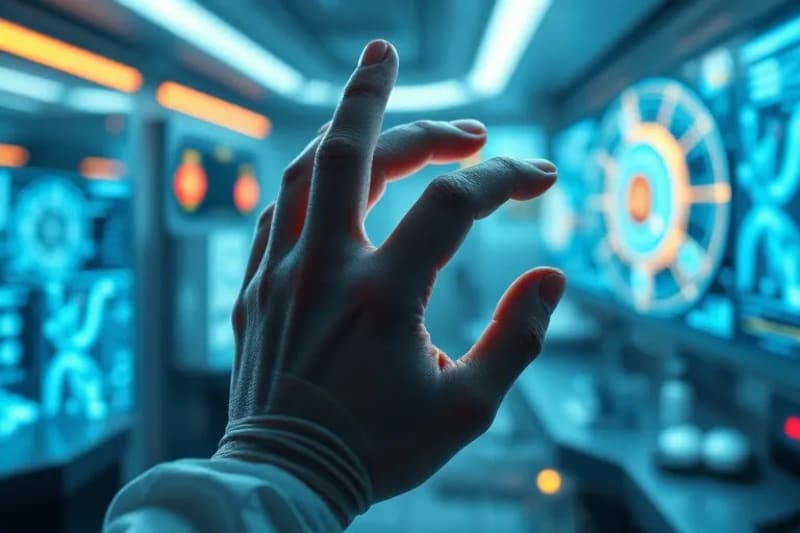 Precursors, scientific frameworks, and conceptual representations that underpin the modern understanding of human longevity and biohacking principles.
This conceptual image, a render assisted by artificial intelligence, illustrates the intricate blend of technology and biological research driving advancements in healthspan extension.
This article delves into the scientific underpinnings and practical strategies of longevity biohacking, providing an introductory yet comprehensive overview for those seeking to understand and implement these transformative practices. We will explore key areas such as nutritional interventions, optimized physical activity, the critical role of sleep, and emerging technologies that promise to redefine the limits of human vitality.
Table of Contents
- Understanding Longevity and Biohacking
- Key Pillars of Longevity Biohacking
- Nutritional Strategies for Cellular Health
- Optimizing Physical Activity and Recovery
- The Science of Sleep and Circadian Rhythms
- Advanced Biohacking Tools and Technologies
- Ethical Considerations and Future Outlook
Understanding Longevity and Biohacking
Longevity refers to the duration of life, often categorized into lifespan (total years lived) and healthspan (years lived in good health, free from chronic disease). Biohacking, a portmanteau of "biology" and "hacking," involves making small, incremental changes to one's biology, lifestyle, and environment to improve physical and mental performance. When combined, longevity biohacking aims to maximize both lifespan and healthspan through evidence-based interventions.
The scientific basis of longevity biohacking rests on understanding the hallmarks of aging. These include genomic instability, telomere attrition, epigenetic alterations, loss of proteostasis, deregulated nutrient sensing, mitochondrial dysfunction, cellular senescence, stem cell exhaustion, and altered intercellular communication. By targeting these biological processes, biohackers seek to slow down or even reverse aspects of aging at a cellular level.
It is crucial to differentiate between scientifically validated biohacking strategies and speculative, unproven methods. A rigorous approach relies on peer-reviewed research, clinical trials, and personalized data analysis. The goal is to move beyond anecdotal evidence and adopt practices supported by robust scientific consensus.
Key Pillars of Longevity Biohacking
Effective longevity biohacking is built upon several interconnected pillars, each contributing to overall health and resilience. These foundational elements are often overlooked in favor of more exotic interventions, but their consistent application forms the bedrock of any successful longevity strategy.
- Nutrition: Optimizing dietary intake to support cellular function, reduce inflammation, and enhance metabolic health.
- Physical Activity: Engaging in a balanced regimen of strength training, cardiovascular exercise, and flexibility to maintain muscle mass, cardiovascular health, and bone density.
- Sleep Optimization: Prioritizing restorative sleep to support hormonal balance, cognitive function, and cellular repair.
- Stress Management: Implementing techniques to mitigate chronic stress, which is a significant contributor to accelerated aging.
- Supplementation: Judicious use of evidence-based supplements to address specific deficiencies or target aging pathways.
- Environmental Control: Minimizing exposure to toxins and optimizing living spaces for health.
Each of these pillars requires a personalized approach, often guided by genetic predispositions, current health status, and lifestyle factors. For instance, athletes often explore advanced digestive biohacking strategies to optimize their microbiome for peak performance and recovery, highlighting the tailored nature of these interventions.
Nutritional Strategies for Cellular Health
Nutrition plays a pivotal role in longevity, influencing cellular repair, inflammation, and metabolic processes. Longevity biohacking emphasizes nutrient-dense, whole foods while often incorporating specific dietary patterns or interventions.
Key nutritional strategies include:
- Caloric Restriction (CR) and Fasting: Studies have shown that reducing caloric intake without malnutrition, or practicing intermittent fasting, can activate cellular repair pathways like autophagy and improve metabolic markers.
- Macronutrient Balance: Emphasizing a balance of healthy fats, lean proteins, and complex carbohydrates, often with a focus on plant-based whole foods.
- Micronutrient Sufficiency: Ensuring adequate intake of vitamins, minerals, and antioxidants to protect cells from oxidative stress and support enzymatic functions.
- Targeted Supplements: Utilizing compounds like NMN (nicotinamide mononucleotide), resveratrol, berberine, and omega-3 fatty acids, which have shown promise in preclinical and some human studies for their roles in mitochondrial function, inflammation reduction, and sirtuin activation.
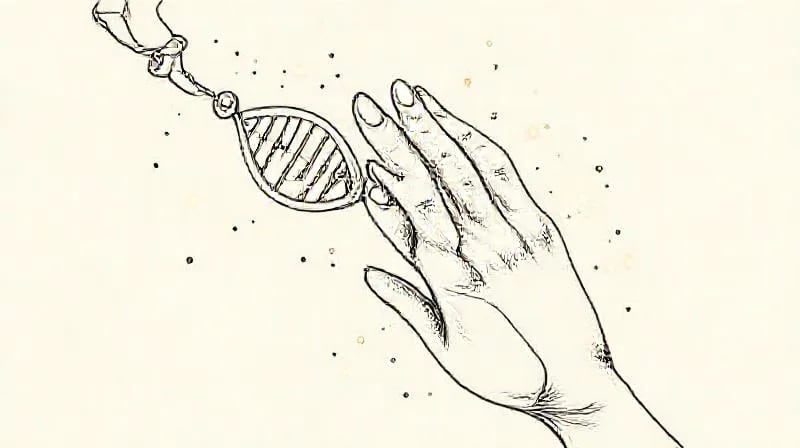 Conceptual artwork illustrating the intricate cellular processes and regenerative potential targeted by biohacking interventions.
This AI-generated digital painting visually interprets the complex biological mechanisms that contribute to enhanced vitality and cellular longevity.
The concept of functional nutrition is closely aligned with biohacking, as it focuses on identifying and addressing the root causes of health imbalances through personalized dietary and lifestyle adjustments. This approach moves beyond general dietary guidelines to create highly individualized eating plans.
Optimizing Physical Activity and Recovery
Regular physical activity is a cornerstone of longevity, impacting cardiovascular health, metabolic function, muscle mass, and cognitive resilience. However, biohacking emphasizes not just activity, but optimized activity and recovery.
Strategies include:
- High-Intensity Interval Training (HIIT): Efficiently improves cardiovascular fitness and mitochondrial biogenesis.
- Strength Training: Essential for maintaining muscle mass (preventing sarcopenia), bone density, and metabolic rate.
- Zone 2 Cardio: Sustained moderate-intensity exercise that enhances mitochondrial efficiency and fat burning.
- Flexibility and Mobility: Practices like yoga and stretching improve joint health and reduce injury risk.
- Active Recovery: Light activity after intense workouts to aid muscle repair and reduce soreness.
- Cold and Heat Exposure: Practices like cold showers/baths and sauna use are explored for their potential to reduce inflammation, improve circulation, and activate heat shock proteins.
Monitoring tools, such as heart rate variability (HRV) trackers, help individuals understand their body's recovery status and tailor their training intensity accordingly. This data-driven approach ensures that exercise is a hormetic stressor that promotes adaptation rather than overtraining.
The Science of Sleep and Circadian Rhythms
Sleep is not merely a period of rest but a vital biological process critical for cellular repair, hormone regulation, memory consolidation, and waste removal from the brain. Chronic sleep deprivation is linked to numerous age-related diseases, including cardiovascular issues, diabetes, and neurodegenerative disorders.
Longevity biohackers prioritize sleep optimization through:
- Circadian Rhythm Alignment: Maintaining a consistent sleep schedule, exposing oneself to natural light in the morning, and minimizing artificial light exposure in the evening.
- Sleep Environment Optimization: Creating a dark, cool, and quiet bedroom free from electronic distractions.
- Nutritional Support: Avoiding stimulants before bed and incorporating foods rich in magnesium or tryptophan.
- Tracking and Data: Using wearables and apps to monitor sleep stages, duration, and quality, providing actionable insights for improvement.
Understanding and respecting the body's natural circadian rhythms is fundamental to overall health and a key component of effective biohacking. These internal clocks regulate countless physiological processes, and their disruption can have far-reaching negative consequences for longevity.
Advanced Biohacking Tools and Technologies
The field of biohacking is continuously evolving with the integration of advanced technologies. These tools provide unprecedented insights into individual biology and offer novel ways to intervene for longevity.
Examples include:
- Wearable Devices: Smartwatches and rings track sleep, heart rate variability, activity levels, and body temperature, offering real-time health data.
- Continuous Glucose Monitors (CGMs): Provide insights into blood sugar responses to food and exercise, allowing for personalized dietary adjustments.
- Genetic and Epigenetic Testing: Offers a blueprint of predispositions and insights into how lifestyle affects gene expression, guiding personalized interventions.
- Red Light Therapy (Photobiomodulation): Used for skin health, muscle recovery, and potential mitochondrial benefits.
- Hyperbaric Oxygen Therapy (HBOT): Explored for its potential to improve tissue repair and reduce inflammation.
- AI and Data Analytics: Artificial intelligence is increasingly used to process vast amounts of biological data, identifying patterns and recommending personalized longevity strategies. This intersects with the broader field of robotics and AI in industry, where data-driven optimization is paramount.
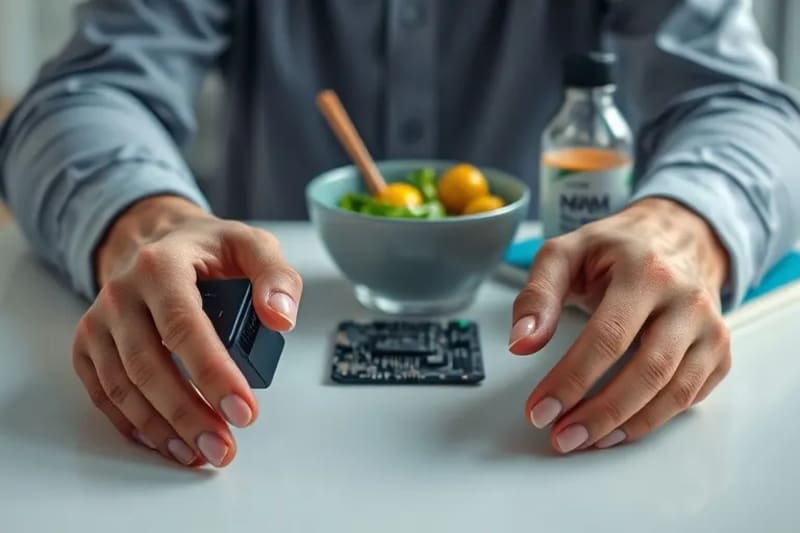 A curated collection of instruments and elements symbolizing the diverse approaches within modern biohacking for health and extended vitality.
This 3D rendered conceptual image, crafted with AI assistance, represents the tangible and intellectual tools employed in the pursuit of enhanced human potential.
The integration of these technologies allows for a highly granular and responsive approach to health optimization, moving from generalized advice to precision health interventions. The ethical implications of such advanced technologies, particularly concerning data privacy and accessibility, are also a growing area of discussion, especially with the rise of concepts like neuro-rights and mental privacy in the digital era.
Ethical Considerations and Future Outlook
As longevity biohacking advances, it raises important ethical questions. Issues such as equitable access to expensive technologies and treatments, the potential for unintended side effects, and the definition of what constitutes "natural" human enhancement are subjects of ongoing debate. Ensuring that these advancements benefit all of humanity, rather than creating new forms of inequality, is a critical challenge.
The future of longevity biohacking is likely to involve even more sophisticated personalized medicine, driven by advancements in artificial intelligence, genomics, and regenerative medicine. We can anticipate more precise interventions tailored to individual genetic profiles and real-time biological data. The focus will remain on extending healthspan, enabling individuals to live not just longer, but also with sustained vitality and cognitive function.
Ultimately, longevity biohacking offers a powerful framework for taking charge of one's health and well-being. By combining scientific rigor with a proactive mindset, individuals can embark on a journey towards a fuller, more resilient, and extended life. It is a field that promises to reshape our understanding of aging and human potential, inviting us to actively participate in the evolution of our own health.
Explore More on Health and Advanced Living
Delve deeper into related topics that can further enhance your understanding of health optimization and future trends:
- Neuroaesthetics and Digital Art: Brain Processes Behind AI Creativity
- Regenerative Economy: Circular Business Models B Corp
- Metaverse Intellectual Property: Legal Challenges Virtual Assets
- Predictive Quantum Cybersecurity: Shielding Critical Financial Infrastructure
- Collaborative Economy: Transforming Consumption and Labor Market
- Green Investments in Emerging Markets: Sustainable Funds and Impact Investments
- Bio-Acoustic Therapy: Cellular Regeneration Sound Frequencies
- Tasseography: Tea Leaf Reading for Intuitive Guidance
- Quantum Rosary AI Singularity: Uniting Faith Mind Future
Source: Hybrid content assisted by AI and human editorial supervision.


Comentarios