
Geopolitics of Water in the 21st Century: Conflicts, Opportunities, and Water Startups for Global Security
Geopolitics of Water in the 21st Century: Conflicts, Opportunities, and Water Startups for Global Security
Water, often referred to as "blue gold," is an indispensable resource for life, ecosystems, and human development. Its uneven distribution, increasing scarcity due to climate change, population growth, and pollution, has elevated it to a central issue in global geopolitics. In the 21st century, the management and control of water resources are not merely environmental concerns but critical determinants of national security, economic stability, and international relations.
Understanding the complex interplay between water, power, and policy is essential for navigating the challenges and harnessing the opportunities presented by this vital resource. This article explores the multifaceted landscape of water geopolitics, from potential conflicts to innovative solutions, and highlights the pivotal role of emerging water startups in forging a more secure and sustainable future.
Table of Contents
- Water Scarcity: A Growing Global Challenge
- Transboundary Water Conflicts: Hotbeds of Geopolitical Tension
- Opportunities for Cooperation and Water Diplomacy
- Technological Innovation: The Role of Water Startups
- Policy and Governance for Sustainable Water Security
- The Future of Global Water Security
Water Scarcity: A Growing Global Challenge
The Earth's freshwater resources are finite, yet demand continues to surge. Approximately 2.2 billion people lack access to safely managed drinking water, and 4.2 billion lack safely managed sanitation, according to the World Health Organization (WHO) and UNICEF. This deficit is not merely a humanitarian crisis; it is a profound geopolitical risk, exacerbating poverty, forced migration, and regional instability.

A complex visual representation of global water resources, highlighting areas of scarcity, potential conflict, and emerging technological interventions.
This conceptual render illustrates the intricate web of challenges and opportunities in 21st-century water geopolitics, drawing inspiration from scientific data and strategic analyses.Climate change is a primary driver of water scarcity, altering precipitation patterns, melting glaciers, and intensifying droughts and floods. These hydrological shifts disproportionately affect vulnerable regions, leading to crop failures, food insecurity, and increased competition for dwindling supplies. The impact extends beyond local communities, creating ripple effects that influence international aid, trade agreements, and diplomatic relations.
Urbanization and industrialization further strain water systems. Megacities require vast amounts of water for their populations and industries, often drawing from distant sources or depleting local aquifers. Agricultural practices, particularly those involving water-intensive crops, consume the largest share of global freshwater, making efficient irrigation and sustainable farming techniques crucial for future water security.
Transboundary Water Conflicts: Hotbeds of Geopolitical Tension
Many of the world's major rivers and aquifers cross international borders, creating shared resources that can be sources of both cooperation and intense conflict. The Nile, Mekong, Indus, and Jordan Rivers are prime examples where upstream and downstream nations grapple with competing demands for water, often leading to diplomatic disputes and, in some cases, military posturing.
The construction of dams, diversions, and large-scale irrigation projects by upstream countries can significantly impact water availability for downstream neighbors. This unilateral action can be perceived as an act of aggression, threatening agricultural livelihoods, energy production, and even national sovereignty. The Grand Ethiopian Renaissance Dam (GERD) on the Nile, for instance, has generated considerable tension between Ethiopia, Sudan, and Egypt, highlighting the complexities of managing shared water resources.
Historical treaties and international water laws often struggle to keep pace with changing geopolitical realities and environmental conditions. Many agreements are outdated, lack enforcement mechanisms, or do not account for the impacts of climate change. This legal vacuum can exacerbate disputes, making effective water governance a critical component of preventing future conflicts.
Opportunities for Cooperation and Water Diplomacy
Despite the potential for conflict, transboundary water resources also present significant opportunities for cooperation and peace-building. Shared challenges can compel nations to engage in dialogue, negotiate equitable allocation agreements, and implement joint management strategies. Water diplomacy, a field that combines technical expertise with diplomatic skills, plays a crucial role in mediating these complex relationships.
Successful examples of water cooperation exist globally, demonstrating that shared water can be a catalyst for regional stability. The Indus Waters Treaty between India and Pakistan, despite ongoing political tensions, has largely endured for decades, providing a framework for managing the shared river system. Similarly, collaboration in the Danube River Basin has fostered environmental protection and navigation across multiple European countries.
International organizations, non-governmental organizations (NGOs), and academic institutions are vital in facilitating these cooperative efforts. They provide platforms for dialogue, offer technical assistance, and conduct research to inform evidence-based policy-making. Promoting shared benefits, rather than zero-sum competition, is key to transforming water from a source of contention into a pathway for mutual prosperity.
Technological Innovation: The Role of Water Startups
Technological advancements offer promising solutions to alleviate water scarcity and improve water management. A burgeoning ecosystem of water startups is emerging, leveraging cutting-edge innovations to address challenges ranging from desalination and wastewater treatment to smart irrigation and leak detection. These enterprises are not only creating economic value but also contributing directly to global water security.
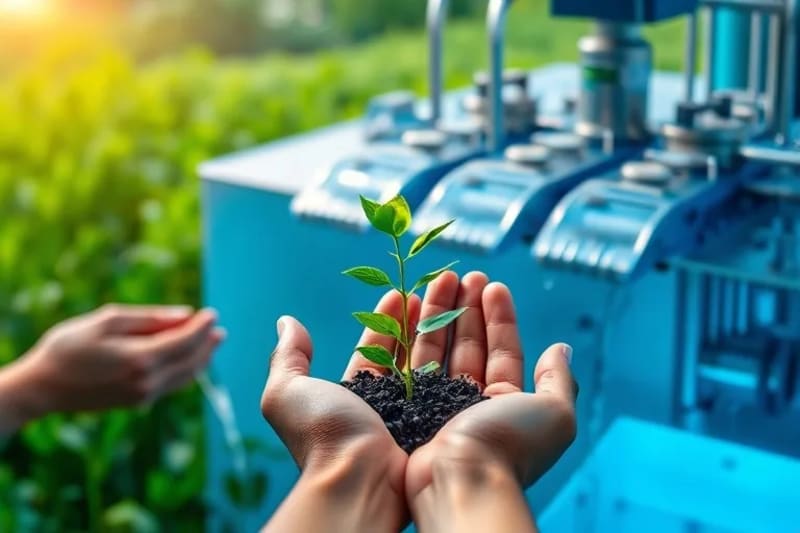
Depiction of collaborative efforts in sustainable water management, with innovative technologies fostering environmental growth.
This digital artwork conceptually blends human cooperation with advanced water technologies to envision a future of abundance and ecological balance.Desalination technologies, particularly reverse osmosis, are becoming more energy-efficient and cost-effective, providing freshwater to arid regions. Countries like Israel have become global leaders in desalination, demonstrating its potential to transform water-scarce landscapes. However, the high energy consumption and brine disposal remain environmental and economic considerations.
Wastewater treatment and recycling are another critical area of innovation. Advanced purification systems can transform municipal and industrial wastewater into potable water, reducing reliance on fresh sources. Startups are developing modular, decentralized treatment plants that can be deployed in remote areas, offering scalable solutions for communities lacking infrastructure.
Smart water management systems, often powered by artificial intelligence and the Internet of Things (IoT), are revolutionizing how water is monitored, distributed, and conserved. These systems can detect leaks in pipelines, optimize irrigation schedules based on real-time weather data, and predict demand patterns, leading to significant reductions in water waste. For example, the principles of Cyborg Philosophy can be applied to integrate human decision-making with AI-driven water management systems for enhanced efficiency and ethical governance.
Moreover, startups are exploring novel approaches such as atmospheric water generation, which extracts moisture from the air, and bio-inspired filtration systems that mimic nature's purification processes. These innovations, while still nascent, hold the promise of creating new, unconventional water sources and improving water quality. The impact of such technologies on resource management is akin to the disruptive potential seen in Disruptive Business Models across various sectors.
Policy and Governance for Sustainable Water Security
Technological solutions alone are insufficient without robust policy frameworks and effective governance. National and international policies must adapt to the evolving challenges of water scarcity and geopolitical competition. This includes developing clear legal frameworks for water rights, promoting integrated water resource management (IWRM), and investing in resilient water infrastructure.
IWRM emphasizes a holistic approach to water management, considering all uses of water (drinking, agriculture, industry, environment) and involving all stakeholders in decision-making. This participatory model helps to balance competing demands, resolve conflicts, and ensure the long-term sustainability of water resources. It also encourages cross-sectoral collaboration, recognizing that water issues are intertwined with energy, food, and environmental policies.
Investment in infrastructure is equally critical, particularly in developing nations. Aging water pipes lead to significant losses, while inadequate sanitation systems contribute to water pollution and public health crises. Modernizing infrastructure, including smart grids and leak detection systems, can dramatically improve efficiency and reduce waste. Furthermore, addressing the legal aspects of resource management is crucial, as exemplified by detailed regulations such as the Colombian Commercial Code's Seller's Obligations, which underscore the importance of clear legal frameworks in all sectors.
Capacity building and education are also vital components of sustainable water governance. Training local communities and professionals in water management techniques, promoting water conservation awareness, and fostering a culture of responsible water use are essential for long-term success. International cooperation on these fronts can transfer knowledge and best practices across borders.
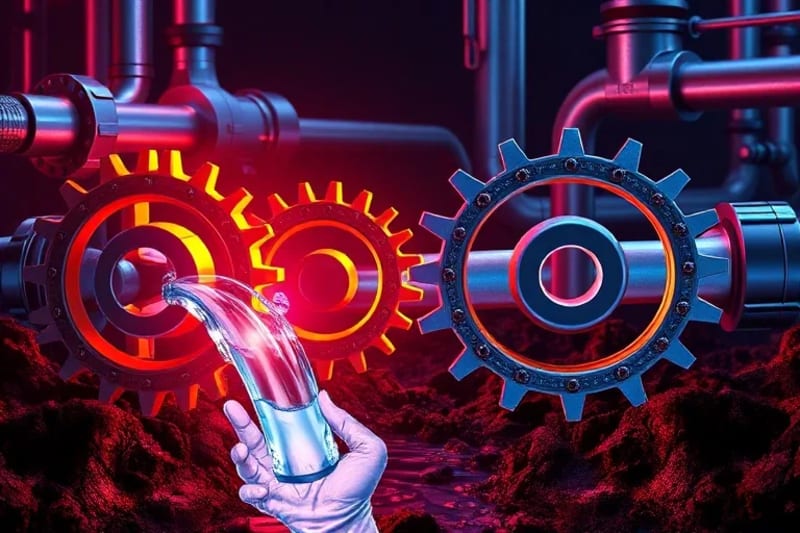
An abstract representation of the intricate systems and collaborative efforts required to achieve global water security.
This 3D conceptualization visualizes the complex interplay between technology, natural resources, and human systems in the pursuit of sustainable water management.The Future of Global Water Security
The future of global water security hinges on a collective commitment to innovation, cooperation, and sustainable practices. While the challenges are immense, the potential for transformative change is equally significant. Investing in water startups, fostering international partnerships, and implementing sound governance policies are crucial steps toward mitigating conflicts and ensuring equitable access to water for all.
The geopolitical landscape of water will continue to evolve, shaped by climate change, demographic shifts, and technological breakthroughs. Proactive engagement, rather than reactive crisis management, will be essential for navigating this complex terrain. By embracing a multi-stakeholder approach that includes governments, private sector, civil society, and local communities, we can build a more water-secure world.
Ultimately, water security is not just about managing a resource; it is about fostering peace, promoting economic development, and protecting human dignity. The 21st century demands a paradigm shift in how we perceive and manage water, recognizing its intrinsic value and its profound impact on global stability. The ongoing efforts in areas like Predictive Modeling for Air Pollution demonstrate how data-driven approaches can be applied to complex environmental challenges, offering a blueprint for water management.
Explore More on Water Management and Global Security
Microorganisms Extremofílos: Life in the Limits of the Planet
Genetic Bioengineering Future: Ethical Scientific Implications
Source: Hybrid content assisted by AI and human editorial supervision.


Comentarios