
Nootropics: Synthetic vs. Natural for Cognitive Biohacking
The pursuit of enhanced cognitive function, often termed "biohacking," has gained significant traction in recent years. Individuals and researchers alike are exploring various avenues to optimize mental performance, including memory, focus, creativity, and problem-solving abilities. At the forefront of this movement are nootropics, a class of substances believed to improve cognitive function.
These cognitive enhancers are broadly categorized into two main groups: synthetic and natural. While both aim to boost brainpower, their origins, mechanisms of action, regulatory landscapes, and public perceptions differ considerably. Understanding these distinctions is crucial for anyone considering venturing into the complex world of cognitive biohacking.

A conceptual representation of the interplay between advanced scientific methods and nature's wisdom in the quest for cognitive enhancement.
This visual concept is an AI-generated render, illustrating the blend of synthetic innovation and natural compounds in biohacking.The term "nootropic" was coined in 1972 by Corneliu Giurgea, a Romanian psychologist and chemist, from the Greek words "noos" (mind) and "tropein" (to bend or turn). Giurgea established a set of criteria for substances to be classified as true nootropics, emphasizing their ability to enhance memory and learning, protect the brain, and have minimal side effects.
This article delves into the characteristics of synthetic and natural nootropics, exploring their scientific basis, potential benefits, associated risks, and the ethical considerations shaping the future of cognitive biohacking.
Table of Contents
- Synthetic Nootropics: Engineered for Performance
- Natural Nootropics: Wisdom from Nature
- Mechanisms of Action: How Nootropics Work
- Risks and Side Effects: A Balanced Perspective
- Regulatory Landscape and Ethical Considerations
- The Future of Cognitive Biohacking: Integration and Personalization
Synthetic Nootropics: Engineered for Performance
Synthetic nootropics are laboratory-created compounds designed to target specific neural pathways or neurotransmitter systems. These substances are often developed to mimic or modulate the effects of naturally occurring brain chemicals, aiming for precise and potent cognitive enhancements. Piracetam, the first synthesized nootropic, serves as a foundational example, known for its effects on acetylcholine and cerebral blood flow.
The appeal of synthetic nootropics lies in their often-pronounced effects and the ability to isolate specific cognitive benefits. Users report improvements in areas such as memory recall, sustained attention, and enhanced learning capacity. Examples include racetams (like Aniracetam and Oxiracetam), modafinil, and noopept, each with distinct pharmacological profiles.
However, the synthetic nature of these compounds also brings challenges. Their potency means that dosages must be carefully managed, and potential side effects can range from mild headaches to more significant physiological or psychological impacts. The lack of extensive long-term human studies for many newer synthetic nootropics raises questions about their safety and efficacy over prolonged use.
Natural Nootropics: Wisdom from Nature
Natural nootropics are derived from plants, herbs, and other naturally occurring substances that have been traditionally used for their cognitive-enhancing properties. These compounds often boast a long history of use in traditional medicine systems, such as Ayurveda and Traditional Chinese Medicine, suggesting a degree of empirical validation over centuries.

An artistic depiction of botanical sources known for their cognitive-enhancing properties, highlighting nature's contribution to mental well-being.
Popular natural nootropics include Bacopa Monnieri, known for memory improvement; Lion's Mane mushroom, which supports nerve growth factor; Ginkgo Biloba, enhancing blood flow to the brain; and L-Theanine, found in green tea, promoting calm focus. These substances often work through multiple pathways, offering a more holistic approach to cognitive support.
One of the primary advantages of natural nootropics is their generally lower risk profile compared to their synthetic counterparts. They are often perceived as safer due to their natural origin and historical use. However, it is crucial to note that "natural" does not automatically equate to "safe" or "effective." Scientific research is still ongoing to fully understand the mechanisms and optimal dosages of many natural compounds.
The efficacy of natural nootropics can also be more subtle and gradual, requiring consistent use over time to observe significant benefits. Quality and standardization of extracts are also critical factors, as potency can vary widely between products and suppliers.
Mechanisms of Action: How Nootropics Work
Nootropics exert their effects through various mechanisms, often interacting with the complex neurochemistry of the brain. Understanding these pathways is key to appreciating their potential and limitations.
- Neurotransmitter Modulation: Many nootropics influence the levels or activity of neurotransmitters like acetylcholine (crucial for learning and memory), dopamine (motivation and focus), serotonin (mood), and GABA (calmness). For instance, racetams often enhance acetylcholine activity.
- Improved Cerebral Blood Flow: Substances like Ginkgo Biloba can increase blood flow to the brain, ensuring better delivery of oxygen and nutrients essential for optimal brain function.
- Neuroprotection: Some nootropics possess antioxidant or anti-inflammatory properties that protect brain cells from damage, potentially slowing cognitive decline. Lion's Mane mushroom, for example, is studied for its neuroprotective effects and ability to stimulate nerve growth factor (NGF).
- Enhanced Brain Energy Metabolism: Certain compounds can optimize the brain's energy production, leading to increased alertness and reduced mental fatigue.
- Synaptic Plasticity: Nootropics can influence the brain's ability to form and strengthen synaptic connections, which is fundamental to learning and memory formation.
The intricate ways in which these substances interact with brain function highlight the need for careful research and personalized approaches. For a deeper understanding of how brain mechanisms influence various behaviors, consider exploring the field of neuroscience and behavioral addictions.
Risks and Side Effects: A Balanced Perspective
While the promise of enhanced cognition is appealing, it is critical to approach nootropic use with caution and a thorough understanding of potential risks. Both synthetic and natural nootropics can have side effects, though their severity and frequency may differ.
Synthetic nootropics, due to their targeted and potent action, often carry a higher risk of adverse reactions. These can include:
- Headaches: Particularly common with racetams, often due to acetylcholine depletion.
- Insomnia or Sleep Disturbances: Especially with stimulants like modafinil.
- Anxiety or Irritability: Some individuals may experience heightened anxiety or mood swings.
- Digestive Issues: Nausea, stomach upset.
- Dependency and Withdrawal: While not typically considered addictive in the traditional sense, some users report withdrawal symptoms upon cessation.
Natural nootropics generally have a milder side effect profile, but they are not entirely risk-free. Potential issues can include:
- Allergic Reactions: As with any natural substance.
- Digestive Upset: Mild nausea or stomach discomfort.
- Interactions with Medications: Even natural compounds can interact with prescription drugs, altering their efficacy or increasing side effects.
- Contamination: The supplement industry is not always strictly regulated, leading to potential issues with product purity or accurate labeling.
Before incorporating any nootropic into one's regimen, consulting with a healthcare professional is paramount. This is especially true for individuals with pre-existing medical conditions or those taking other medications. A holistic approach to well-being, which includes understanding the connection between emotions and health, is crucial for cognitive optimization.
Regulatory Landscape and Ethical Considerations
The regulatory status of nootropics varies significantly across different countries and even within categories. Synthetic nootropics often fall into a gray area, sometimes sold as "research chemicals" or dietary supplements, circumventing strict pharmaceutical regulations. This lack of oversight can lead to inconsistent product quality, inaccurate labeling, and unknown long-term health effects.
Natural nootropics, typically marketed as dietary supplements, are generally subject to less stringent regulations than prescription drugs. While this offers easier access, it also places a greater responsibility on the consumer to research product quality and supplier reputation. The absence of robust regulatory frameworks poses challenges for both consumer safety and scientific validation.
The U.S. Food and Drug Administration (FDA) defines dietary supplements as products intended to supplement the diet and containing one or more dietary ingredients (including vitamins, minerals, herbs or other botanicals, amino acids, and other substances). Unlike drugs, supplements do not require FDA approval before they are marketed. Manufacturers are responsible for ensuring their products are safe and accurately labeled.
In the European Union, regulations vary by member state, but generally, novel foods and ingredients require pre-market authorization. Some synthetic nootropics may fall under medicinal product regulations, while others are sold as food supplements or unregulated substances.
Beyond regulation, ethical considerations surrounding nootropic use are profound. Questions arise about fairness in competitive environments (e.g., academia, sports), the potential for creating a "two-tiered" society where cognitive enhancement is only accessible to the privileged, and the long-term societal impact of widespread cognitive augmentation. The ethical implications of enhancing human capabilities, particularly with technologies like AI, are also explored in discussions around AI ethics in public procurement, which touches upon transparency and algorithmic biases.
The Future of Cognitive Biohacking: Integration and Personalization
The future of cognitive biohacking likely lies in a sophisticated integration of synthetic and natural approaches, coupled with advanced personalization. Rather than a one-size-fits-all solution, the trend is moving towards tailored regimens based on individual genetics, lifestyle, and specific cognitive goals. This precision approach aims to maximize benefits while minimizing risks.
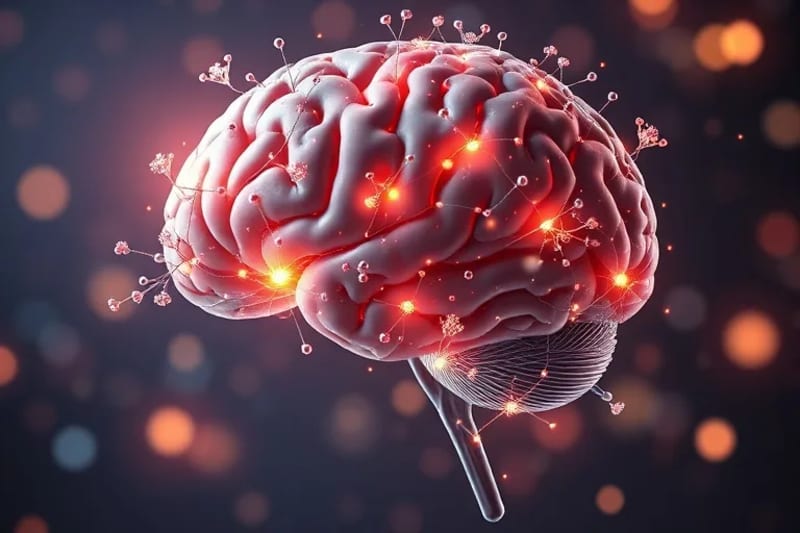
A visual metaphor for the evolving landscape of cognitive biohacking, where technology and natural elements converge to optimize human potential.
Emerging technologies, such as genomics and wearable sensors, will play a pivotal role in this personalization. Genetic testing can identify predispositions to certain cognitive strengths or weaknesses, guiding the selection of nootropics that are most likely to be effective and safe for an individual. Wearables can track cognitive performance, sleep patterns, and stress levels, providing real-time data to adjust biohacking protocols.
Furthermore, research into novel compounds, both synthetic and natural, continues to expand the nootropic arsenal. The development of advanced delivery systems and formulations could also enhance efficacy and reduce side effects. The field of generative art, for instance, showcases how AI can create novel forms; similarly, AI could accelerate the discovery and synthesis of new nootropic compounds.
The integration of nootropics with other biohacking practices, such as optimized nutrition, exercise, mindfulness, and sleep hygiene, will also become more sophisticated. True cognitive optimization is not solely dependent on supplements but on a comprehensive approach to health and well-being. The synergy between these elements promises a more sustainable and effective path to enhanced mental performance.
Explore More on Cognitive Enhancement and Well-being
- Occupational Therapy: Rehabilitation and Adaptation for Life
- Guided Meditation Mindfulness: Aligning Inner Harmony Moon Phases
- Medical Astrology, Sound Healing: Vibrational Remedies
Source: Hybrid content assisted by AI and human editorial supervision.


Comentarios