
Geopolitics Water 21st Century Conflicts Business
Water, often referred to as "blue gold," is rapidly becoming one of the most critical geopolitical resources of the 21st century. Its scarcity, uneven distribution, and increasing demand due to population growth, industrialization, and climate change are transforming it from a mere commodity into a strategic asset. This shift has profound implications for international relations, economic development, and global stability.
The interplay between water resources and political power dynamics is complex, leading to both intense conflicts and innovative forms of cooperation. Understanding this intricate web is essential for policymakers, businesses, and communities alike, as the future of water will dictate the future of human civilization.
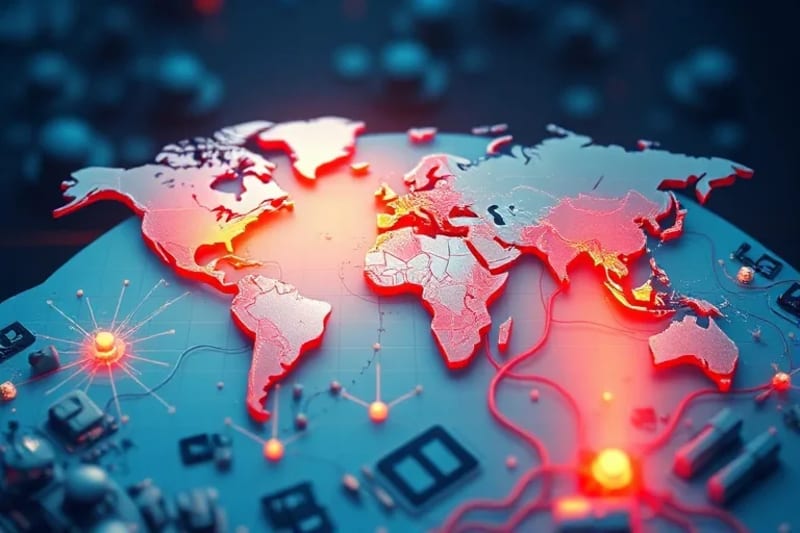 A conceptual representation of global water distribution, highlighting zones of scarcity, potential conflict, and emerging cooperative frameworks.
The challenge lies not only in the physical availability of water but also in its quality, accessibility, and the governance structures surrounding its management. From transboundary rivers to underground aquifers, shared water resources necessitate careful diplomatic engagement to prevent disputes and foster sustainable use.
This article delves into the multifaceted geopolitics of water, exploring the drivers of scarcity, the potential for conflict, the avenues for cooperation, and the burgeoning business opportunities arising from the urgent need for innovative water solutions.
Table of Contents
- Drivers of Water Scarcity and Stress
- Water as a Catalyst for Conflict
- Pathways to Water Cooperation and Diplomacy
- Business Opportunities in Water Management and Technology
- The Role of International Law and Governance
- Towards a Sustainable Water Future
Drivers of Water Scarcity and Stress
Water scarcity is not a uniform phenomenon; it is a complex issue driven by a combination of natural and anthropogenic factors. Understanding these drivers is crucial for developing effective strategies to mitigate their impact and ensure water security globally.
- Population Growth: A rapidly expanding global population translates directly into increased demand for water for domestic use, agriculture, and industry. Many regions, particularly in developing countries, are already struggling to meet the basic water needs of their inhabitants.
- Climate Change: Altered precipitation patterns, more frequent and intense droughts, glacial melt, and rising sea levels all contribute to water stress. Climate change exacerbates existing water challenges, making water resources less predictable and often less available.
- Pollution: Industrial discharge, agricultural runoff, and inadequate wastewater treatment contaminate freshwater sources, rendering them unusable for human consumption or irrigation. This effectively reduces the amount of available clean water. The presence of microplastics in water bodies is a growing concern, posing risks to both ecosystems and human health.
- Inefficient Water Management: Outdated infrastructure, leaky pipes, wasteful irrigation practices, and lack of effective water governance lead to significant losses and inefficient allocation of water resources.
- Urbanization and Industrialization: Rapid urban expansion and industrial development place immense pressure on local water supplies. Cities require vast amounts of water for their populations and economic activities, often drawing from distant sources and impacting regional water balances.
These drivers often interact synergistically, creating a vicious cycle of increasing scarcity and escalating stress on water systems. Addressing these root causes requires integrated approaches that combine technological innovation with policy changes and international cooperation.
Water as a Catalyst for Conflict
While direct "water wars" are rare, water scarcity and disputes over shared resources frequently act as exacerbating factors in existing political tensions, contributing to instability and regional conflicts. The control, access, and allocation of transboundary rivers and aquifers are particularly contentious issues.
Regions like the Middle East, parts of Africa, and Central Asia are hotspots for water-related disputes. The Nile River, shared by eleven countries, the Jordan River Basin, and the Tigris-Euphrates River system are prime examples where upstream development projects can significantly impact downstream nations, leading to diplomatic standoffs and, at times, military threats.
| River Basin | Key Countries Involved | Primary Issues |
|---|---|---|
| Nile River | Egypt, Sudan, Ethiopia | Grand Ethiopian Renaissance Dam (GERD), historical water rights, agricultural needs. |
| Jordan River | Israel, Palestine, Jordan, Syria, Lebanon | Water allocation, access for agriculture and domestic use, political control. |
| Tigris-Euphrates | Turkey, Syria, Iraq | Upstream dam construction (GAP project in Turkey), water flow reduction, agricultural impact. |
| Mekong River | China, Laos, Thailand, Cambodia, Vietnam | Upstream hydropower dams, environmental impact, fisheries, navigation rights. |
The militarization of water resources, where states use water as a weapon or target water infrastructure, further complicates these scenarios. However, it is more common for water stress to contribute to internal displacement, migration, and food insecurity, indirectly fueling broader conflicts.
Pathways to Water Cooperation and Diplomacy
Despite the potential for conflict, water has historically been a powerful driver for cooperation. Shared necessity often compels nations to negotiate and establish agreements for equitable water management. International water treaties and joint commissions are vital instruments in this regard.
Successful examples of water diplomacy include the Indus Waters Treaty between India and Pakistan, which has endured decades of political conflict, and the agreements surrounding the Rhine River, which have transformed it from one of Europe's most polluted rivers into a model of transboundary cooperation. These agreements often involve:
- Joint Management Bodies: Establishing shared institutions to monitor water quality and quantity, plan infrastructure, and resolve disputes.
- Data Sharing: Transparent exchange of hydrological data and information among riparian states to build trust and inform decision-making.
- Benefit Sharing: Shifting focus from merely sharing water to sharing the benefits derived from water resources, such as hydropower, irrigation, and ecosystem services.
- Capacity Building: Supporting less developed riparian states with technical expertise and financial resources for sustainable water management.
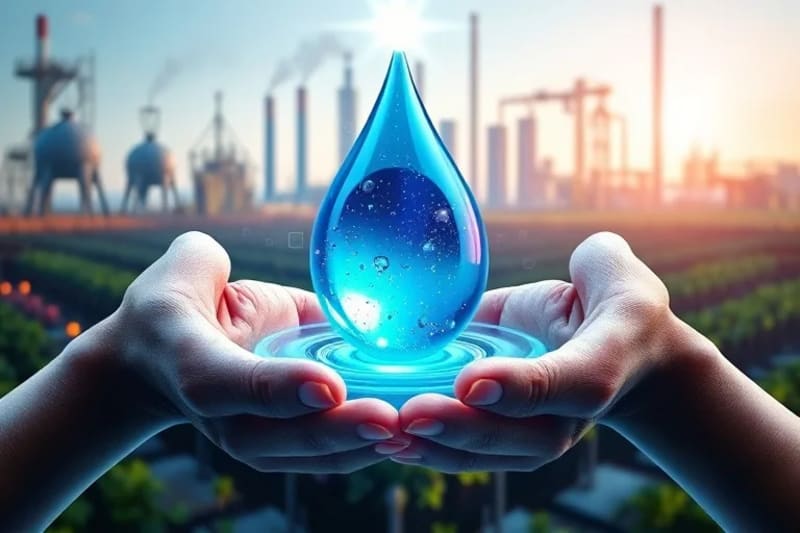 Symbolic depiction of collaborative efforts and economic ventures in sustainable water resource management.
The principle of "hydro-diplomacy" emphasizes the use of water as a tool for peace-building and regional integration. By focusing on mutual gains and shared responsibility, countries can transform potential flashpoints into platforms for collaborative development. This aligns with broader principles of socially responsible investment, where environmental and social factors are integrated into decision-making.
Business Opportunities in Water Management and Technology
The global water crisis, while presenting immense challenges, also opens significant avenues for innovation and economic growth. The need for sustainable water solutions has spurred a burgeoning industry focused on water treatment, conservation, and alternative sources. This sector is attracting substantial investment and fostering the growth of specialized businesses.
Key areas of business opportunity include:
- Water Treatment and Purification: Technologies for desalination, advanced filtration, and wastewater recycling are in high demand. Companies developing efficient and cost-effective methods to convert non-potable water into safe drinking water are poised for significant expansion.
- Smart Water Management Systems: Digital solutions for monitoring water usage, detecting leaks, and optimizing irrigation systems are crucial for conservation. This includes IoT sensors, AI-driven analytics, and smart metering infrastructure.
- Infrastructure Development: Investment in new pipelines, reservoirs, and distribution networks is essential to improve water access and reduce losses. Public-private partnerships are increasingly common in funding these large-scale projects.
- Sustainable Agriculture Technologies: Innovations in drip irrigation, hydroponics, and drought-resistant crops can drastically reduce agricultural water consumption, which accounts for the largest share of global water use.
- Consulting and Advisory Services: Expertise in water policy, environmental impact assessments, and sustainable resource planning is valuable for governments and corporations navigating complex water challenges.
The rise of technological startups in regions like Latin America, focusing on environmental solutions, exemplifies this trend. These enterprises are not only addressing critical needs but also creating new economic ecosystems. Embracing innovative business models and a strategic approach, similar to the principles of Wu Wei in business success, can lead to sustainable and impactful ventures in the water sector.
The Role of International Law and Governance
International law plays a crucial, though sometimes challenging, role in governing transboundary water resources. Principles such as "equitable and reasonable utilization" and the "no significant harm" rule are foundational in guiding states' conduct regarding shared waters. However, the enforcement of these principles can be complex due to sovereignty concerns and varying national interests.
 A vision of urban innovation in water management juxtaposed with the stark reality of global water scarcity.
Key international legal frameworks include the 1997 UN Convention on the Law of the Non-Navigational Uses of International Watercourses and the 1992 UNECE Water Convention. While not universally ratified, these conventions provide a normative framework and a basis for bilateral and multilateral agreements.
The challenge for international governance is to move beyond mere dispute resolution towards proactive, integrated water resource management that considers the entire hydrological cycle. This requires strengthening international institutions, fostering scientific collaboration, and ensuring that water-related decisions are made with a long-term perspective, accounting for environmental, social, and economic factors.
Towards a Sustainable Water Future
The geopolitics of water in the 21st century underscore an undeniable truth: water is not merely a resource; it is the foundation of life, development, and peace. The trajectory towards a sustainable water future demands a paradigm shift from reactive crisis management to proactive, integrated, and collaborative strategies.
This involves a combination of technological innovation, robust governance, equitable allocation mechanisms, and a global commitment to conservation. Investing in water infrastructure, promoting water-efficient practices across all sectors, and protecting ecosystems that naturally filter and store water are paramount.
Ultimately, ensuring water security for all requires a collective effort that transcends national borders and political ideologies. By recognizing water as a shared heritage and a common responsibility, the international community can transform potential conflicts into opportunities for lasting peace and prosperity.
The future of water will be defined by how effectively humanity manages its most precious resource—through diplomacy, innovation, and a shared vision for a water-secure world.
Related Searches
- Virtual Reality Rehabilitation: Applications, Success Cases
- Alphabet History: Origins, Evolution, Global Impact
- Re-skilling Up-skilling Strategic: AI Labor Adaptation
- Historical Mysteries of Antiquity: Unsolved Cases, Fascinating Theories
- Microfinance Female Entrepreneurship: Empowerment in Latin America
- Functional Foods: Health, Wellness, Advanced Nutrition
- Writing Evolution: Hieroglyphs to Emojis, Human Communication History
- CRYPTOGRAPHY: Information Coding and Decoding
Source: Hybrid content assisted by AI and human editorial supervision.


Comentarios