
Generative AI Intellectual Property Digital Art Debate
Generative AI and the Intellectual Property Debate in Digital Art
The rapid evolution of generative Artificial Intelligence (AI) has ushered in a new era for digital art, transforming how creative works are conceived, produced, and disseminated. Tools like DALL-E, Midjourney, and Stable Diffusion can now create stunning, intricate, and often indistinguishable-from-human artworks from simple text prompts. This technological marvel, however, has ignited a fervent and complex debate surrounding intellectual property (IP) rights, challenging long-standing legal frameworks and ethical considerations in the art world.
As AI-generated art becomes increasingly sophisticated and ubiquitous, questions of ownership, authorship, and originality are at the forefront. This article delves into the multifaceted discussion surrounding generative AI and intellectual property in digital art, exploring the legal quandaries, ethical dilemmas, and potential pathways for future regulation and artistic coexistence.
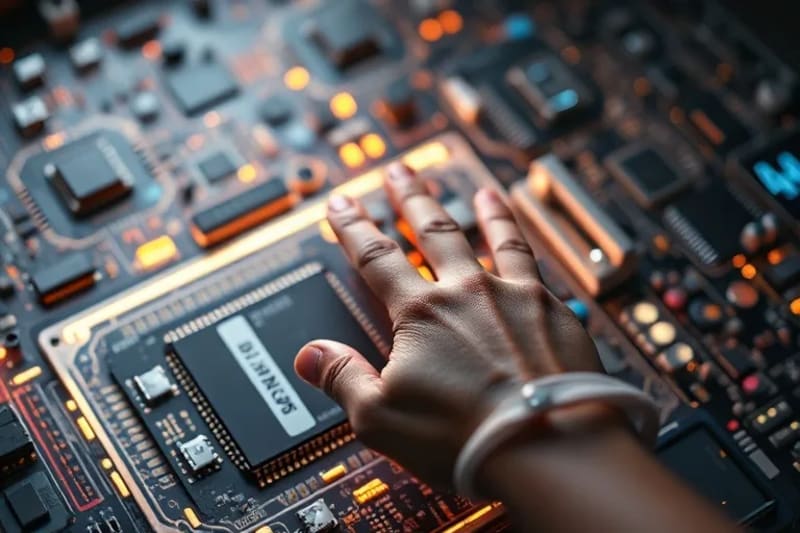
Precursors intelectuales, diagramas fundamentales y representaciones conceptuales que forjaron la visión de la inteligencia artificial en el arte digital.
Fuente visual sujeta a disponibilidad del ecosistema: Wikimedia Commons bajo licencia CC BY-SA 4.0 o renderizado conceptual IA.Table of Contents
- The Core Intellectual Property Dilemma
- Copyright Challenges for AI-Generated Works
- Training Data and Fair Use Concerns
- Authorship and Ownership: Who Owns AI Art?
- Ethical Implications and Artistic Value
- Evolving Legal Frameworks and Future Directions
- Global Perspectives on AI Art IP
- Conclusion
The Core Intellectual Property Dilemma
Intellectual property law, particularly copyright, was designed to protect human-created works, granting creators exclusive rights over their original expressions. This framework traditionally assumes a human author who invests creativity and skill into a work. Generative AI, however, complicates this fundamental assumption by producing works with minimal direct human intervention, often based on complex algorithms and vast datasets of existing art.
The dilemma arises because AI systems do not possess legal personhood, nor do they experience creativity in the human sense. This creates a void in attributing authorship and, consequently, ownership. The core challenge is to adapt existing laws, or formulate new ones, that can effectively address the unique nature of AI-generated content without stifling innovation or unfairly disadvantaging human artists.
Copyright Challenges for AI-Generated Works
One of the most significant hurdles for AI-generated art is meeting the "originality" requirement for copyright protection. In many jurisdictions, a work must originate from a human author and demonstrate a minimal degree of creativity to be copyrightable. If an AI creates a piece of art without substantial human input, does it qualify as "original"?
Current legal interpretations often lean towards requiring human authorship. For instance, the U.S. Copyright Office has stated that it will only register works that include "human authorship." This stance implies that purely AI-generated works, without significant creative input from a human prompt engineer or artist, may not be eligible for copyright protection. This creates a grey area for works where human and AI contributions are intertwined, making it difficult to delineate the extent of human creativity involved.
Training Data and Fair Use Concerns
Generative AI models are trained on massive datasets comprising millions of images, texts, and other forms of media, often scraped from the internet without explicit permission from the original creators. This practice raises serious questions about copyright infringement, particularly regarding the use of copyrighted works in training data.
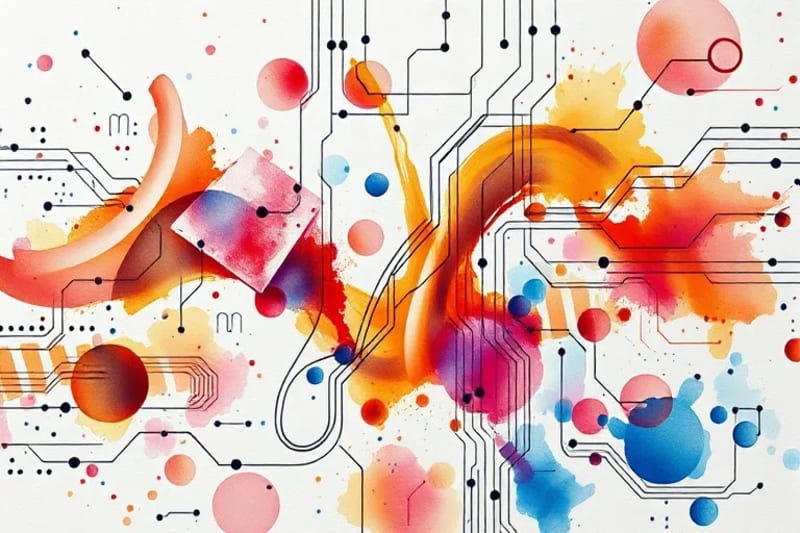
A conceptual representation of the intricate legal and artistic elements at play in the intellectual property debate surrounding AI-generated art.
The argument often revolves around the concept of "fair use" or "fair dealing," which allows for the limited use of copyrighted material without permission for purposes such as criticism, commentary, news reporting, teaching, scholarship, or research. Proponents of AI training argue that this process is transformative, as the AI learns styles and patterns rather than directly copying works, thus falling under fair use.
However, many artists and copyright holders contend that using their work without consent, even for training purposes, constitutes infringement, especially if the AI-generated output closely resembles existing copyrighted material or competes directly with human artists. This has led to several high-profile lawsuits, pushing courts to interpret fair use in the context of AI. The ongoing debate highlights the need for clear guidelines on what constitutes legitimate use of copyrighted material for AI training, a challenge also explored in discussions around digital photography and artificial intelligence.
Authorship and Ownership: Who Owns AI Art?
The question of authorship is central to intellectual property. If a human does not directly "create" the artwork, who then holds the rights? Several candidates have been proposed, each with its own set of complexities:
- The AI Developer/Company: The entity that created and owns the AI software could claim ownership, as they developed the tool that produced the art. This aligns with the "work made for hire" doctrine in some contexts, where the employer owns the copyright of works created by employees.
- The Prompt Engineer/User: The individual who provides the text prompts or parameters to guide the AI could be considered the author, as their creative input directs the AI's output. This perspective emphasizes the human's role in conceptualizing and curating the AI's creations.
- The AI Itself: A more radical view suggests that the AI, if it were to gain legal personhood, could be the author. However, this is largely a theoretical and philosophical debate, far from current legal realities.
- No One: If AI art fails to meet the human authorship requirement, it could fall into the public domain, meaning no one holds exclusive rights. This outcome could devalue artistic creation and disincentivize investment in AI art tools.
The lack of a clear answer creates significant uncertainty for artists, developers, and consumers alike. Establishing clear legal precedents for authorship is crucial for the future of AI-generated art. This complex issue is mirrored in other ethical considerations for AI, such as algorithmic biases and their environmental implications.
Ethical Implications and Artistic Value
Beyond the legal intricacies, generative AI in art raises profound ethical questions. Many human artists feel threatened by AI, fearing that their livelihoods and creative expression will be devalued or replaced. The ability of AI to mimic distinct artistic styles also raises concerns about cultural appropriation and the erosion of unique artistic identities.
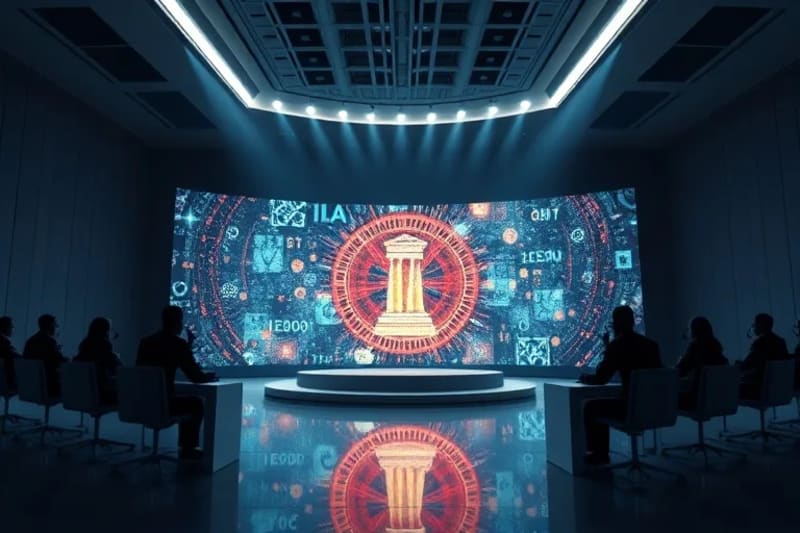
A conceptual depiction of the legal system grappling with the complexities of ownership and intellectual property in the age of AI-generated artistic creations.
Philosophically, the debate touches on the very definition of creativity and art. If a machine can generate aesthetically pleasing works, does it diminish the value of human ingenuity? Or does it open new avenues for human-AI collaboration, where AI acts as a sophisticated tool rather than a replacement?
Addressing these ethical concerns requires a dialogue between artists, technologists, legal experts, and policymakers. It involves finding ways to ensure fair compensation for artists whose work is used in training data and establishing clear attribution standards for AI-assisted creations. The ethical dilemmas extend to other advanced AI fields, as seen in the discussions around neuromorphic computing and its ethical and legal regulation.
Evolving Legal Frameworks and Future Directions
As the technology advances, legal systems worldwide are beginning to grapple with these challenges. Some jurisdictions are considering specific legislation for AI-generated content, while others are attempting to interpret existing laws in novel ways. Potential solutions and future directions include:
- New Categories of IP Protection: Creating a sui generis right specifically for AI-generated works that acknowledges their unique nature, distinct from traditional copyright.
- Mandatory Attribution and Transparency: Requiring AI-generated works to be clearly labeled as such, and potentially disclosing the training data used, to ensure transparency and proper attribution.
- Licensing and Compensation Models: Developing new licensing frameworks that allow artists to opt-in or opt-out of their work being used for AI training, and potentially receive compensation for such use.
- Collaborative Copyright: Establishing models where both the human prompt engineer and the AI developer share some form of joint ownership or benefit from the AI-generated output.
- Refined Fair Use Doctrines: Courts may need to further refine the "transformative use" aspect of fair use to specifically address AI training data, balancing innovation with creator rights.
These approaches aim to strike a balance between fostering technological innovation and protecting the rights and livelihoods of human creators. The legal landscape is dynamic, with various countries exploring different avenues to address these complex issues.
Global Perspectives on AI Art IP
The approach to AI art and intellectual property varies significantly across different global jurisdictions. In the United States, the Copyright Office has generally maintained a stance requiring human authorship, leading to rejections of copyright applications for purely AI-generated works. This has pushed creators to emphasize their human input when seeking protection.
The European Union, through its proposed AI Act, is focusing more on regulating AI systems themselves, including transparency requirements for training data, which could indirectly impact IP discussions. Some EU member states are also exploring how their existing copyright laws, which often have a higher threshold for originality (requiring the "author's own intellectual creation"), might apply.
In Asian countries like China, there have been some court decisions that have granted copyright protection to AI-generated works, particularly when there is significant human involvement in the creative process, such as prompt engineering and selection. These varied global responses highlight the lack of a unified international approach and the ongoing need for cross-border dialogue to establish more harmonized standards.
Conclusion
The debate surrounding generative AI and intellectual property in digital art is a complex, evolving challenge that touches upon legal, ethical, and philosophical dimensions. While AI offers unprecedented tools for artistic exploration and innovation, it also forces a re-evaluation of fundamental concepts like authorship, originality, and fair use.
Finding a balanced solution will require careful consideration of existing copyright laws, the development of new legal frameworks, and a commitment to fostering both technological progress and the protection of human creativity. As AI continues to integrate into the creative industries, ongoing dialogue and adaptive policy-making will be essential to navigate this new artistic frontier responsibly and equitably.
Related Searches
- Graffiti Muralism
- Music Brain Impact
- Eddie Van Halen Legacy
- Albarca Footwear
- Perceptual Illusions
- Blockchain AI Supply Chain
- Alphabets Classification
- Jackson Creative Process
- Future Preventive Medicine
- Deglobalization Supply Chains
- Water Crisis Global
- Cardiovascular Physical Activity
- Fast Planet Transits
- Kabbalah Astrology
- Neptune Transits
- Prophecies Saint John Bosco
- Biblical Time Prophecies
- Jewish Christian Mysticism
- Pet Astrology
- Saturn Return
- Synastry Soul Contracts
Source: Hybrid content assisted by AI and human editorial supervision.


Comentarios