
Deep Sleep Biohacking: Chronobiology, Cellular Recovery, Longevity
Deep sleep biohacking represents a cutting-edge approach to optimizing one of the most fundamental aspects of human health: restorative sleep. It involves leveraging scientific understanding and technological advancements to enhance the quality and duration of deep sleep, thereby unlocking profound benefits for physical and mental well-being. This discipline extends beyond mere sleep hygiene, delving into the intricate mechanisms of chronobiology, cellular repair, and long-term health.
The pursuit of deep sleep biohacking is driven by the recognition that sleep is not merely a period of inactivity but a critical biological process. During deep sleep, the body undergoes essential restorative functions that are vital for cognitive performance, emotional regulation, immune function, and overall longevity. By deliberately influencing these processes, individuals aim to achieve peak physiological and psychological states.
Understanding Deep Sleep Biohacking
Biohacking, in essence, is the practice of making small, incremental dietary or lifestyle changes to improve one's health and well-being. When applied to sleep, it focuses specifically on enhancing the deep sleep stages, which are crucial for physical restoration and cognitive function. This involves a blend of environmental controls, nutritional strategies, and the intelligent use of technology.

A tranquil bedroom setting, integrating subtle technology for enhanced sleep, reflecting the essence of deep sleep biohacking.
The goal is not just to sleep more, but to sleep better, maximizing the regenerative processes that occur during the deepest phases of non-REM sleep. This includes optimizing sleep architecture, reducing sleep disturbances, and ensuring the body and brain receive the necessary downtime for repair and consolidation. The principles are rooted in understanding the body's natural rhythms and how modern life often disrupts them.
Deep sleep biohacking is gaining traction as individuals seek proactive ways to combat the effects of chronic stress, environmental pollutants, and the demands of a fast-paced world. It offers a pathway to not only improve daily performance but also to build a foundation for long-term health resilience. By focusing on deep sleep, biohackers aim to tap into the body's innate healing capabilities.
The Science of Chronobiology and Sleep Stages
Chronobiology is the study of biological rhythms, particularly circadian rhythms, which are roughly 24-hour cycles that regulate various physiological processes. The sleep-wake cycle is the most prominent of these rhythms, heavily influenced by light exposure. Understanding and aligning with our natural circadian rhythm is foundational to deep sleep biohacking.
Sleep itself is not a monolithic state but comprises several distinct stages, each with unique brainwave patterns and restorative functions. These stages cycle throughout the night, typically in 90-minute intervals:
- NREM Stage 1 (N1): Light sleep, easily awakened.
- NREM Stage 2 (N2): Deeper than N1, characterized by sleep spindles and K-complexes, preparing the brain for deep sleep.
- NREM Stage 3 (N3): This is deep sleep, also known as slow-wave sleep. It is the most restorative stage, crucial for physical repair, growth hormone release, and immune system strengthening.
- REM Sleep: Rapid Eye Movement sleep, associated with dreaming, memory consolidation, and emotional processing.
Deep sleep (N3) is particularly vital. During this stage, brain activity slows significantly, allowing for the clearance of metabolic waste products and the repair of tissues. Disruptions to this stage can have profound negative impacts on health, leading to fatigue, impaired cognitive function, and increased susceptibility to illness. Optimizing this phase is a primary target for biohackers.
Cellular Recovery: The Nightly Rejuvenation
The concept of cellular recovery during deep sleep is one of the most compelling reasons for biohacking. It's during these hours that the body diligently works to repair the wear and tear accumulated throughout the day. This nightly rejuvenation process is multifaceted and critical for maintaining overall health and function.
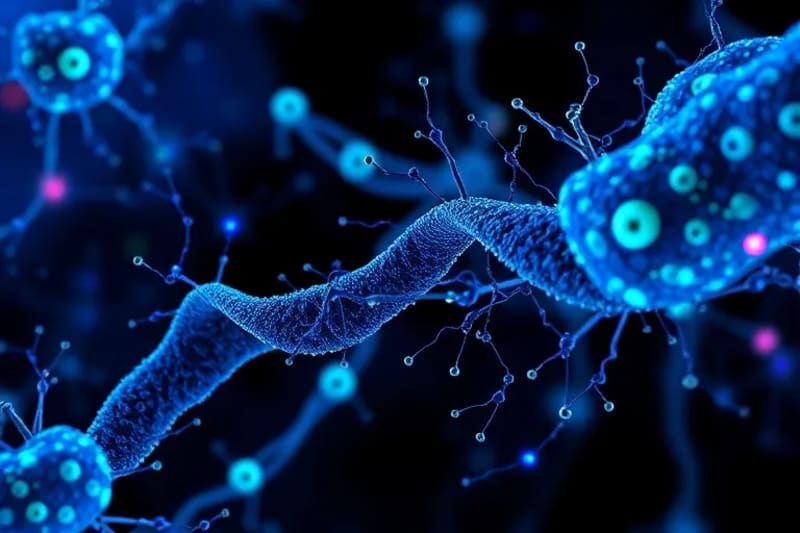
Complex cellular structures and neural pathways illustrating the profound repair and regeneration occurring during deep sleep.
Key aspects of cellular recovery during deep sleep include:
- Growth Hormone Release: The pituitary gland releases the majority of its daily growth hormone during deep sleep. This hormone is essential for tissue repair, muscle growth, fat metabolism, and bone density.
- Glymphatic System Activation: The brain's glymphatic system becomes highly active during deep sleep, flushing out metabolic waste products, including amyloid-beta proteins linked to neurodegenerative diseases. This cleansing process is vital for cognitive health.
- DNA Repair: Cells undergo significant DNA repair processes during deep sleep, correcting damage caused by daily stressors and preventing mutations that could lead to disease.
- Immune System Enhancement: Deep sleep strengthens the immune system by facilitating the production of cytokines and other immune cells, improving the body's ability to fight off infections and inflammation.
Understanding these intricate biological processes, which are often discussed in fields like bioinformatics, highlights why deep sleep is non-negotiable for optimal health. When deep sleep is consistently compromised, these vital recovery mechanisms are impaired, leading to a cascade of negative health consequences. For instance, chronic sleep deprivation can exacerbate conditions like burnout at work, making recovery more challenging.
Advanced Biohacking Techniques for Deep Sleep
Deep sleep biohacking involves a multi-pronged approach, integrating various strategies to optimize sleep quality. These techniques range from environmental adjustments to sophisticated technological interventions.
Environmental Optimization:
- Darkness: Complete darkness is crucial to stimulate melatonin production. Use blackout curtains, eye masks, and eliminate all light sources from electronics.
- Temperature: The ideal sleep temperature is typically between 60-67°F (15-19°C). A cooler environment facilitates the body's natural drop in core temperature, which is essential for initiating and maintaining deep sleep.
- Sound: Minimize noise pollution. Use earplugs, white noise machines, or specialized sleep soundscapes to block out disturbances and create a consistent auditory environment.
- Air Quality: Ensure good ventilation and consider air purifiers to remove allergens and pollutants that might disrupt breathing and sleep.
Diet and Nutrition:
- Timing of Meals: Avoid heavy meals close to bedtime. Digestion diverts energy and can raise body temperature, interfering with sleep.
- Nutrient Intake: Ensure adequate intake of magnesium, zinc, and B vitamins, which are cofactors in melatonin and neurotransmitter production. Foods rich in tryptophan (e.g., turkey, nuts) can also support sleep.
- Hydration: Stay well-hydrated throughout the day, but reduce fluid intake in the hours leading up to sleep to minimize nighttime bathroom trips.
- Limit Stimulants/Depressants: Reduce caffeine and alcohol intake, especially in the afternoon and evening. While alcohol might induce sleep initially, it disrupts sleep architecture, particularly REM and deep sleep.
Supplements and Nootropics:
- Magnesium: Can help relax muscles and calm the nervous system.
- L-Theanine: An amino acid found in green tea, promotes relaxation without drowsiness.
- Apigenin: A flavonoid found in chamomile, has sedative effects.
- Glycine: An amino acid that can improve sleep quality and reduce daytime sleepiness.
- Melatonin: A hormone that regulates the sleep-wake cycle, often used for jet lag or shifting sleep patterns. Use with caution and under guidance.
Technology and Tools:
- Wearable Trackers: Devices like Oura Ring, Whoop, and Apple Watch monitor sleep stages, heart rate variability, and other metrics, providing data for optimization.
- Smart Beds/Mattress Toppers: Can adjust temperature and firmness throughout the night to optimize comfort and sleep phases.
- Blue Light Blocking Glasses: Wearing these in the evening can help mitigate the suppressive effect of artificial light on melatonin production.
- Red Light Therapy: Exposure to red light before bed may support melatonin production and improve sleep quality.
Mindfulness and Stress Reduction:
- Meditation and Breathing Exercises: Regular practice can reduce anxiety and promote a state conducive to sleep.
- Journaling: Writing down thoughts and worries before bed can help clear the mind.
- Warm Baths: Raising body temperature before bed can lead to a more significant drop, signaling the body to sleep.
- Animal-Assisted Therapies: For some individuals, the calming presence of pets or participation in animal-assisted therapies can significantly reduce stress and improve overall well-being, indirectly supporting better sleep.
Deep Sleep's Role in Longevity
The connection between deep sleep and longevity is a rapidly expanding area of scientific research. Adequate and high-quality deep sleep is increasingly recognized as a cornerstone of healthy aging, influencing everything from cellular health to cognitive resilience.

A flourishing garden scene, rich with ancient trees and vibrant blooms, conceptually representing the enduring vitality fostered by deep and restorative sleep.
Several key biological markers and processes linked to aging are positively impacted by sufficient deep sleep:
- Telomere Length: Telomeres are protective caps at the ends of chromosomes; their shortening is associated with cellular aging. Research suggests that chronic sleep deprivation can accelerate telomere shortening, while good sleep may help preserve their length.
- Inflammation Reduction: Chronic low-grade inflammation is a hallmark of aging and a precursor to many age-related diseases. Deep sleep helps regulate inflammatory pathways, reducing systemic inflammation.
- Hormonal Balance: Beyond growth hormone, deep sleep is vital for regulating other hormones crucial for metabolism, stress response (cortisol), and appetite (ghrelin and leptin). Balanced hormones contribute significantly to healthy aging.
- Cognitive Function and Neuroprotection: The glymphatic system's cleansing action during deep sleep helps prevent the accumulation of neurotoxic waste products, potentially reducing the risk of cognitive decline and neurodegenerative diseases like Alzheimer's.
- Cardiovascular Health: Consistent deep sleep is linked to lower blood pressure and reduced cardiovascular stress, contributing to a healthier heart and circulatory system over time.
By proactively engaging in deep sleep biohacking, individuals are not just improving their immediate quality of life but are also making a significant investment in their future healthspan. The cumulative effects of consistent, high-quality deep sleep can translate into a longer, healthier, and more vibrant life, free from many common age-related ailments.
Challenges and Ethical Considerations
While deep sleep biohacking offers promising avenues for health optimization, it is not without its challenges and ethical considerations. The pursuit of "perfect" sleep can sometimes lead to orthosomnia, an unhealthy obsession with sleep tracking data that can paradoxically worsen sleep quality due to anxiety.
Moreover, the market is flooded with unverified supplements and devices. It is crucial to approach biohacking with a critical, evidence-based mindset, prioritizing scientific research over anecdotal claims. Consulting with healthcare professionals is always recommended before implementing significant changes, especially concerning supplements or advanced technologies.
Ethical concerns also arise regarding data privacy with wearable devices and the potential for creating health disparities if advanced biohacking techniques become exclusive to certain socioeconomic groups. Ensuring equitable access to knowledge and safe practices is important as this field evolves.
Conclusion: Embracing Restorative Sleep
Deep sleep biohacking offers a powerful framework for enhancing overall health and extending longevity by optimizing the most restorative phase of sleep. By understanding and actively managing chronobiology, facilitating cellular recovery, and employing targeted biohacking techniques, individuals can significantly improve their physical, mental, and emotional well-being.
The journey towards optimized deep sleep is a holistic one, encompassing environmental controls, mindful nutrition, judicious use of technology, and effective stress management. Embracing these practices not only promises a more energized and focused daily life but also lays a robust foundation for a healthier and longer future. As research continues to unveil the profound benefits of deep sleep, its optimization will remain a cornerstone of proactive health management.
Explore More on Althox
- The Future of Cash: Towards a Cashless Society?
Delve into the evolving landscape of financial transactions and the potential disappearance of physical currency.
- Cloud Computing: Services, Advantages, and Challenges
An in-depth look at cloud technology, its benefits for businesses, and the hurdles it faces in modern IT.
- Social Networks Geopolitics: Contemporary Global Influence
Examine how social media platforms are reshaping international relations and global power dynamics.
- Tech Employment Trends: In-Demand Skills 2025
Discover the essential skills and emerging roles that will dominate the technology job market by 2025.
- Epidemics History Lessons Future: Global Health Challenges
A historical perspective on epidemics and the crucial lessons they offer for addressing future global health crises.
- Quantum Satellite Security: Protecting Communication from Future Cyberattacks
Discover the cutting-edge advancements in quantum technology safeguarding our digital communications.
- Extended Reality: Immersive Professional Training
Explore how virtual and augmented reality are transforming professional education and skill development.
- Beat It: The Legend of Eddie Van Halen's Solo
A tribute to the iconic guitar solo that redefined rock music and showcased a legendary talent.
- Storytelling Marketing: Emotional Connection and Strategy
Uncover the power of narrative in marketing to forge deeper emotional bonds with consumers.
Related Insights from Our Network
- Nakshatras: Vedic Lunar Astrology for Karma | AstroFuturo
Explore the ancient wisdom of Vedic astrology and its insights into destiny and spiritual paths.
- Trines and Sextiles: Flow in Your Birth Chart | AstroFuturo
Understand the harmonious aspects in astrology that indicate natural talents and ease in life.
- Karmic Eclipses: Manifestation, Rituals, Deep Cycles | AstroFuturo
Unpack the profound spiritual significance of eclipses and their role in personal and collective karma.
- Saint Michael Archangel Digital Disinformation: Shield of Truth and Discernment | Profecías de la Virgen
Discover spiritual guidance for navigating the complexities of information in the digital age.
- Sacred Geometry Gothic Cathedrals: Hidden Celestial Messages | Profecías de la Virgen
Explore the mystical architecture of Gothic cathedrals and their encoded spiritual meanings.
- Spiritual Armor Saint Michael: Defense Against Negative Attacks | Profecías de la Virgen
Learn about invoking spiritual protection and strengthening one's inner defenses against adversity.
- Chiron Astrology: Healing Soul Wounds | StarPluto
Delve into the astrological significance of Chiron and its role in understanding and healing deep-seated emotional pain.
- Imum Coeli Aspects: Emotional Foundations Birth Chart | StarPluto
Explore the Imum Coeli in astrology to understand your emotional roots, home life, and deepest sense of self.
- Twenty-Eight Lunar Mansions: Ancient Chinese Astrology | StarPluto
Discover the intricate system of lunar mansions in Chinese astrology and their influence on personality and fate.
Source: Hybrid content assisted by AI and human editorial supervision.


Comentarios