
Deep Sleep Biohacking: Cellular Recovery, Longevity
Deep Sleep Biohacking: Cellular Recovery, Longevity
In an increasingly demanding world, the pursuit of optimal health and extended vitality has led many to explore the frontiers of biohacking. Among the myriad strategies available, optimizing deep sleep stands out as a fundamental pillar, often underestimated yet profoundly impactful. Deep sleep biohacking is not merely about getting more hours of rest; it's about strategically enhancing the quality and restorative power of your sleep cycles to unlock superior cellular recovery, cognitive function, and long-term longevity.
 A serene human figure in deep sleep, bathed in soft, ethereal light, with subtle, glowing neural pathways visible around the head. The background is a blurred, futuristic laboratory setting with data visualizations of brain waves and cellular activity.
This comprehensive guide delves into the science behind deep sleep, exploring its intricate connection with chronobiology and the critical role it plays in cellular repair and regeneration. We will uncover practical biohacking techniques, from environmental adjustments to advanced technological aids, designed to help you achieve the deepest, most restorative sleep possible. Understanding and implementing these strategies can be a game-changer for anyone looking to boost their energy levels, sharpen their mind, and significantly enhance their overall well-being and lifespan.
Table of Contents
- Understanding Deep Sleep: The Foundation of Restoration
- The Role of Chronobiology in Sleep Optimization
- Cellular Recovery Mechanisms During Deep Sleep
- Biohacking Techniques for Enhancing Deep Sleep
- Nutrition and Supplements for Sleep Enhancement
- Environmental Optimization for a Sleep Sanctuary
- Technology and Wearables in Deep Sleep Biohacking
- Benefits of Optimized Deep Sleep for Longevity
- Ethical Considerations and Long-Term Sustainability
- Conclusion: Embracing Deep Sleep for a Healthier Future
Understanding Deep Sleep: The Foundation of Restoration
Deep sleep, scientifically known as slow-wave sleep (SWS) or NREM stage 3, is the most restorative phase of our sleep cycle. During this period, brain waves slow down significantly, and physiological activity reaches its lowest point. It is a critical time for the body and mind to repair, consolidate memories, and prepare for the day ahead. Without adequate deep sleep, our physical and cognitive functions suffer dramatically, impacting everything from mood and concentration to immune response and metabolic health.
The sleep cycle typically consists of four stages: NREM 1, NREM 2, NREM 3 (deep sleep), and REM sleep. These stages repeat several times throughout the night, with deep sleep being more prominent in the first half of the night. As we age, the amount of deep sleep we experience naturally decreases, making intentional optimization even more crucial for maintaining vitality and preventing age-related decline.
The Role of Chronobiology in Sleep Optimization
Chronobiology is the study of biological rhythms, and its understanding is paramount to deep sleep biohacking. Our bodies operate on a roughly 24-hour cycle known as the circadian rhythm, which dictates our sleep-wake patterns, hormone release, and many other physiological processes. This internal clock is primarily influenced by light and darkness, signaling to the brain when it's time to be alert and when it's time to rest.
Aligning our lifestyle with our natural circadian rhythm is a powerful biohacking strategy. Disruptions to this rhythm, such as irregular sleep schedules, excessive artificial light exposure at night, or shift work, can severely impair deep sleep quality. Melatonin, often referred to as the "sleep hormone," plays a key role in regulating these cycles, with its production increasing in darkness and decreasing in light. Understanding epigenetics and longevity biohacking can further illuminate how our daily routines, including sleep, impact genetic expression related to aging.
Cellular Recovery Mechanisms During Deep Sleep
During deep sleep, the body engages in a remarkable array of restorative processes at the cellular level. This is when growth hormone is predominantly released, facilitating tissue repair and muscle growth. The brain also undergoes a crucial "wash cycle" via the glymphatic system, clearing out metabolic waste products, including amyloid-beta proteins, which are implicated in neurodegenerative diseases like Alzheimer's. This cellular detoxification is vital for maintaining cognitive health and preventing long-term neurological decline.
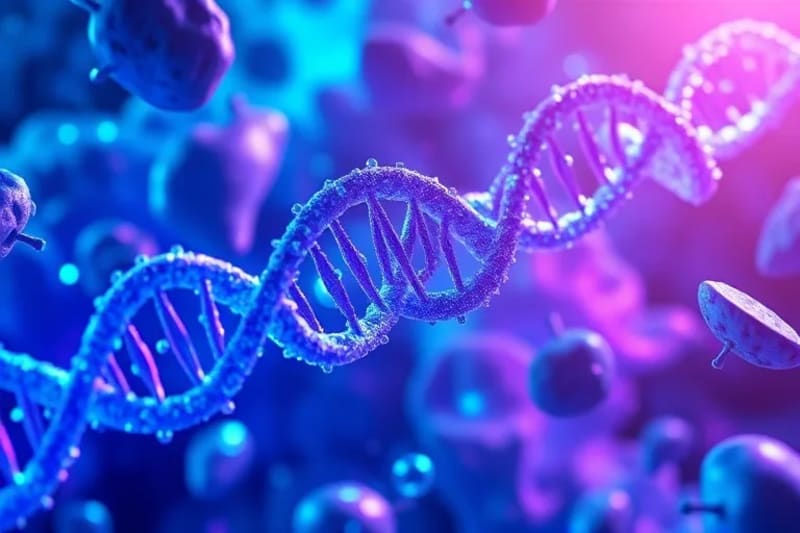 An intricate, microscopic view of human cells undergoing repair and regeneration. DNA strands are depicted as glowing, interwoven structures, with tiny nanobots or repair mechanisms actively working.
Furthermore, deep sleep is essential for immune system function. Studies show that adequate deep sleep enhances the production of cytokines, proteins that help fight infection and inflammation. Chronic sleep deprivation, particularly of deep sleep, can suppress immune responses, making individuals more susceptible to illness. The intricate processes of Brain-Computer Interfaces (BCI), while seemingly unrelated, highlight the complex biological mechanisms that biohacking seeks to understand and optimize, including those governing sleep and recovery.
Biohacking Techniques for Enhancing Deep Sleep
Optimizing deep sleep involves a multi-faceted approach, combining lifestyle adjustments, nutritional considerations, and environmental controls. Here are some key biohacking techniques:
- Consistent Sleep Schedule: Go to bed and wake up at the same time every day, even on weekends. This reinforces your circadian rhythm.
- Limit Blue Light Exposure: Avoid screens (phones, tablets, computers, TVs) for at least 1-2 hours before bed. Blue light suppresses melatonin production.
- Optimize Bedroom Temperature: A cooler room (around 60-67°F or 15-19°C) is generally ideal for deep sleep.
- Regular Exercise: Engage in moderate to vigorous physical activity during the day, but avoid intense workouts close to bedtime.
- Mindfulness and Stress Reduction: Practices like meditation, deep breathing, or journaling can calm the mind and facilitate sleep onset.
- Strategic Napping: If necessary, keep naps short (20-30 minutes) and early in the afternoon to avoid interfering with nighttime sleep.
Nutrition and Supplements for Sleep Enhancement
What you consume can significantly impact your sleep quality. Certain foods and supplements can support the body's natural sleep processes:
| Category | Recommendations | Mechanism |
|---|---|---|
| Foods | Tryptophan-rich foods (turkey, chicken, nuts), complex carbohydrates, tart cherry juice, fatty fish (omega-3s). | Provide precursors for serotonin/melatonin, stabilize blood sugar, reduce inflammation. |
| Avoid | Caffeine, alcohol, heavy meals close to bedtime, excessive sugar. | Stimulants, disrupt sleep architecture, cause digestive discomfort. |
| Supplements | Magnesium, L-Theanine, Glycine, Apigenin, Melatonin (short-term, low dose). | Relax muscles, calm nervous system, promote GABA activity, regulate sleep-wake cycle. |
Always consult with a healthcare professional before starting any new supplement regimen, especially if you have underlying health conditions or are taking other medications. The goal is to support natural processes, not to rely on external aids indefinitely.
Environmental Optimization for a Sleep Sanctuary
Your bedroom environment plays a crucial role in the quality of your sleep. Creating a "sleep sanctuary" involves minimizing distractions and maximizing comfort. This includes ensuring your room is as dark as possible, using blackout curtains or an eye mask. Even small amounts of light can disrupt melatonin production and shift your circadian rhythm.
 A dynamic composition of flowing lines and vibrant colors representing the passage of time and the concept of extended vitality. Intertwined elements suggest health, energy, and the continuous cycle of life and renewal.
Noise pollution can also significantly impair sleep quality, even if you don't fully wake up. Consider using earplugs, a white noise machine, or a fan to mask disruptive sounds. Furthermore, ensuring your mattress and pillows provide adequate support and comfort is essential. Investing in high-quality bedding can make a substantial difference in your ability to fall asleep quickly and stay asleep deeply. A calm and organized bedroom environment can also reduce mental clutter, which is beneficial for winding down before bed.
Technology and Wearables in Deep Sleep Biohacking
Modern technology offers powerful tools for tracking and optimizing sleep. Wearable devices like smart rings, watches, and specialized sleep trackers can monitor various metrics, including heart rate variability, sleep stages (REM, light, deep), breathing rate, and body temperature. This data provides valuable insights into your sleep patterns, allowing you to identify trends and assess the effectiveness of your biohacking interventions.
Beyond tracking, some technologies actively aim to enhance sleep. Smart mattresses can adjust firmness and temperature, while specialized light therapy devices can help reset your circadian rhythm. Apps offering guided meditations, sleep stories, or binaural beats can also assist in relaxation and sleep induction. However, it's crucial to use these tools judiciously, ensuring they don't become another source of blue light exposure or mental stimulation before bed. The pursuit of future skills like critical thinking and collaboration often depends heavily on adequate, restorative sleep, making these technological aids valuable for performance optimization.
Benefits of Optimized Deep Sleep for Longevity
The benefits of consistently achieving optimal deep sleep extend far beyond feeling rested; they are directly linked to long-term health and longevity. Regular, high-quality deep sleep contributes to:
- Enhanced Cognitive Function: Improved memory consolidation, learning capacity, problem-solving skills, and creativity.
- Robust Immune System: Stronger defense against infections, reduced inflammation, and better vaccine efficacy.
- Hormonal Balance: Optimal production of growth hormone, balanced cortisol levels, and improved insulin sensitivity.
- Cardiovascular Health: Lower blood pressure and reduced risk of heart disease.
- Weight Management: Regulation of appetite-controlling hormones (ghrelin and leptin), reducing cravings and supporting healthy metabolism.
- Mood Regulation: Reduced risk of anxiety, depression, and improved emotional resilience.
- Cellular Repair and Anti-Aging: Efficient removal of cellular waste, DNA repair, and overall cellular rejuvenation, directly impacting the aging process.
By prioritizing and actively biohacking your deep sleep, you are not just improving your daily performance; you are making a profound investment in your future health, vitality, and extended lifespan. It is a foundational element of any serious longevity strategy.
Ethical Considerations and Long-Term Sustainability
While deep sleep biohacking offers immense potential, it's important to approach it with a balanced perspective and consider ethical implications. The pursuit of "perfect" sleep should not lead to obsessive tracking or anxiety, which can ironically hinder sleep quality. It's crucial to listen to your body and prioritize sustainable practices over extreme or short-term fixes. Over-reliance on supplements or technology without addressing fundamental lifestyle factors can create dependency and mask underlying issues.
Furthermore, accessibility to advanced biohacking tools and resources is not universal. Promoting equitable access to basic sleep hygiene education and resources is essential to ensure that the benefits of optimized sleep are available to everyone, regardless of socioeconomic status. The long-term sustainability of any biohacking practice lies in its integration into a holistic, healthy lifestyle that supports overall well-being, rather than a fragmented approach focused solely on one aspect.
Conclusion: Embracing Deep Sleep for a Healthier Future
Deep sleep biohacking is a powerful approach to enhancing health, cognitive function, and longevity. By understanding the intricate dance between chronobiology and cellular recovery, and by implementing strategic lifestyle adjustments, environmental optimizations, and judicious use of technology, individuals can significantly improve the quality and restorative power of their sleep. This isn't just about feeling better day-to-day; it's about building a robust foundation for a healthier, more vibrant, and longer life.
Embracing the principles of deep sleep biohacking empowers you to take control of one of the most fundamental aspects of your well-being. It requires consistency, self-awareness, and a willingness to experiment, but the rewards—in terms of energy, mental clarity, and resilience—are immeasurable. Make deep sleep a non-negotiable priority, and watch as your body and mind transform, paving the way for a future filled with vitality and sustained health.
Related Searches & Further Reading
- Eclipses Solares: Reconfiguraciones Kármicas | AstroFuturo
- Profecías Olvidadas Pueblos Originarios Escatología Cristiana
- Planetary Cycles Eco-Spirituality: Environmental Activism | StarPluto
- Ciberseguridad Hogar Dispositivos IoT: Protegiendo Tu Casa | Althox
- Inteligencia Artificial Arte: Co-creación Humana-Máquina | Althox
Source: Hybrid content assisted by AI and human editorial supervision.


Comentarios