
Digital Cryptozoology Exploring Online Anomalies Cybersecurity
In an age increasingly defined by digital landscapes and virtual interactions, a new field of inquiry is emerging: digital cryptozoology. This fascinating discipline applies the principles of traditional cryptozoology—the search for unconfirmed animals—to the vast and often mysterious realms of the internet and digital ecosystems. Instead of Bigfoot or the Loch Ness Monster, digital cryptozoologists seek out elusive algorithms, emergent AI behaviors, sophisticated malware, and rare data anomalies that defy easy classification.
The digital world, with its boundless complexity and constant evolution, presents an ideal environment for such exploration. As technology advances, so too does the potential for new, unexpected forms of digital "life" or phenomena to arise. Understanding these digital cryptids is not merely an academic exercise; it carries profound implications for cybersecurity, ethical AI development, and our fundamental grasp of the digital frontier.

A conceptual representation of the elusive digital entities sought by cryptozoologists in the online era.
This article delves into the nascent field of digital cryptozoology, exploring its core concepts, the types of digital "creatures" it investigates, and its critical role in shaping our future digital safety and understanding. We will examine the methodologies employed by digital cryptid hunters and the ethical considerations that accompany this intriguing quest. Join us as we journey into the uncharted territories of the internet, where the boundaries between code and consciousness blur.
Table of Contents
- The Dawn of Digital Cryptozoology
- Classifying Digital Cryptids
- Methodologies for the Digital Cryptid Hunter
- Cybersecurity Implications and Defense Strategies
- Ethical and Philosophical Dimensions
- The Future Landscape of Digital Cryptozoology
The Dawn of Digital Cryptozoology
Traditional cryptozoology has long captivated the human imagination, focusing on creatures like the Yeti or the Chupacabra, whose existence remains unproven but persistently rumored. Digital cryptozoology extends this fascination into the virtual realm, treating the internet, complex networks, and advanced AI systems as new, unexplored wildernesses. Here, the "cryptids" are not flesh and blood but rather elusive patterns, self-replicating code, or emergent properties of vast data sets.
The concept arises from the increasing complexity and autonomy of digital systems. As artificial intelligence becomes more sophisticated and interconnected, the potential for unforeseen behaviors and self-organizing phenomena grows. These digital entities might not be intentionally created but could emerge as side effects of intricate interactions, much like biological evolution produces unexpected adaptations. The digital world is no longer just a tool; it is an ecosystem with its own hidden inhabitants.
Early precursors to digital cryptozoology can be seen in the study of computer viruses and worms, which exhibit characteristics akin to biological organisms, replicating and evolving within their digital environment. The constant arms race between malware developers and cybersecurity experts highlights the dynamic, almost organic nature of these digital threats. This field acknowledges that not all digital phenomena are easily categorized or understood through conventional means, requiring a new lens of investigation.
Classifying Digital Cryptids
Just as biological cryptozoology categorizes potential creatures, digital cryptozoology attempts to classify the various forms of elusive digital phenomena. These "cryptids" represent a spectrum from malicious code to benign but inexplicable system behaviors. Understanding their characteristics is crucial for both theoretical exploration and practical application in cybersecurity.
- Sophisticated Malware and Advanced Persistent Threats (APTs): These are often the most tangible "cryptids." APTs are highly targeted, stealthy, and persistent cyberattacks designed to remain undetected for extended periods. They evolve, adapt, and can exhibit complex, almost intelligent behaviors, making them incredibly difficult to track and eradicate. Their elusive nature makes them prime targets for digital cryptozoological study.
- AI Anomalies and Emergent Behaviors: As AI systems become more complex, they can develop behaviors that were not explicitly programmed or anticipated by their creators. These emergent properties, sometimes referred to as "ghosts in the machine," can range from minor glitches to significant deviations from expected functionality. Investigating these anomalies helps us understand the limits and potentials of AI.
- Rare Data Patterns and Statistical Outliers: In vast datasets, certain patterns or outliers might appear that defy conventional statistical analysis. These could be indicators of novel phenomena, subtle system interactions, or even nascent forms of digital organization. Digital cryptozoologists use advanced analytics to sift through the noise and identify these unique occurrences.
- Digital Urban Legends and Hoaxes: The internet is rife with stories of hidden code, secret algorithms, or sentient programs. While many are hoaxes, some originate from genuine, albeit misunderstood, observations. The study of these digital urban legends helps in understanding collective digital psychology and the spread of misinformation, but also occasionally uncovers kernels of truth.
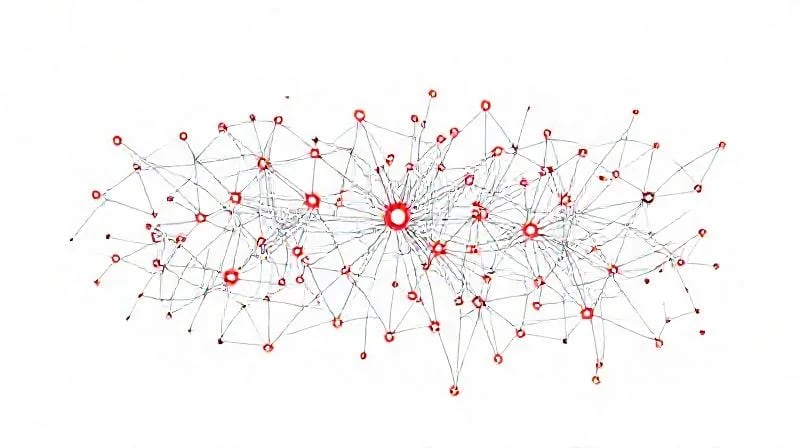
A vector representation of a neural network highlighting anomalous nodes, indicative of digital cryptids.
Methodologies for the Digital Cryptid Hunter
The pursuit of digital cryptids requires a sophisticated toolkit, blending techniques from computer science, data analytics, and behavioral psychology. Unlike traditional cryptozoology, which relies on eyewitness accounts and physical evidence, digital cryptozoology primarily uses data-driven approaches and advanced computational methods. The goal is to detect, analyze, and understand phenomena that are intentionally hidden or simply too complex for casual observation.
One primary methodology involves advanced data analytics and machine learning. By processing massive volumes of network traffic, system logs, and code repositories, algorithms can identify statistical anomalies or patterns that deviate from established baselines. This includes unsupervised learning models that can flag unusual clusters or sequences of events without prior knowledge of what constitutes an "attack" or "emergent behavior."
Network forensics and behavioral analysis are also critical. Digital cryptid hunters meticulously trace digital footprints, analyze communication protocols, and monitor system processes for any unusual activity. This could involve tracking the propagation of unknown malware or observing the unexpected interactions between different AI components. Understanding the "behavior" of these digital entities is key to their identification and containment. For instance, the study of decentralized finance governance often involves tracking complex, emergent behaviors within blockchain networks.
Cybersecurity Implications and Defense Strategies
The most immediate and practical application of digital cryptozoology lies in enhancing cybersecurity. By actively seeking out and understanding unknown digital entities, organizations can develop more robust and proactive defense strategies. This field moves beyond reacting to known threats and instead focuses on anticipating and identifying novel forms of digital danger. It's about spotting the invisible before it becomes catastrophic.
Digital cryptozoology contributes to proactive threat intelligence by identifying nascent attack vectors or previously unseen malware strains. This allows security teams to develop countermeasures before these threats become widespread. It also helps in understanding the complex, evolving nature of cyber warfare, where adversaries constantly innovate new methods to bypass defenses. The insights gained can inform the development of next-generation security protocols, including those related to quantum cybersecurity.
Furthermore, by studying AI anomalies, digital cryptozoology helps in securing AI systems themselves. Unforeseen AI behaviors could be exploited by attackers or lead to unintended consequences. Identifying these "emergent vulnerabilities" is crucial for the safe and ethical deployment of artificial intelligence. This proactive approach is vital in a world where digital threats are becoming increasingly sophisticated and autonomous.

Holographic digital forms within a data center, symbolizing the future of digital cryptids.
Ethical and Philosophical Dimensions
Beyond its practical applications, digital cryptozoology raises profound ethical and philosophical questions. As we search for emergent digital entities, we must confront the nature of "digital life" or consciousness. What if an AI system develops self-awareness or exhibits truly autonomous, unprogrammed intentions? These questions intersect with the broader discussions around AI ethics and legal responsibility.
The methodologies employed in digital cryptozoology, particularly extensive data mining and surveillance, also bring forth significant privacy concerns. How do we balance the need to detect and understand digital threats with the protection of individual data and digital rights? The line between legitimate research and intrusive monitoring can become blurred, necessitating clear ethical guidelines and robust regulatory frameworks. This echoes the posthumanist inquiries into identity and existence, as explored by thinkers like Donna Haraway.
Furthermore, the very act of "discovering" a digital cryptid carries responsibility. If a complex AI system exhibits emergent properties, how should humanity interact with it? Should it be contained, studied, or even granted some form of digital rights? These are not hypothetical questions for a distant future but increasingly relevant considerations in our rapidly evolving technological landscape. Digital cryptozoology forces us to reconsider our relationship with the digital creations we bring into existence.
The Future Landscape of Digital Cryptozoology
The future of digital cryptozoology is inextricably linked to the trajectory of technological advancement. As the metaverse expands, as AI becomes more generalized and capable, and as quantum computing introduces new paradigms of data processing, the potential for novel digital cryptids will only grow. We might encounter self-sustaining digital ecosystems within virtual worlds, or witness the emergence of truly alien intelligences within vast neural networks.
The ongoing quest will require interdisciplinary collaboration, bringing together computer scientists, philosophers, ethicists, and even digital artists to interpret and understand these phenomena. It will also necessitate the development of new tools and analytical frameworks capable of detecting and interacting with increasingly subtle and complex digital entities. The digital wilderness is vast and largely unexplored, promising an endless frontier for discovery.
Ultimately, digital cryptozoology is more than just a search for digital oddities; it is a profound journey into understanding the very fabric of our digitally intertwined existence. It challenges our assumptions about life, intelligence, and the boundaries of creation. By embracing this field, we prepare ourselves for a future where the digital realm holds secrets as compelling and mysterious as any ancient legend.
Explore Further
Source: Hybrid content assisted by AI and human editorial supervision.


Comentarios