
Neuro-rights Protection Consciousness Mental Privacy Digital
Neuro-rights: Safeguarding Consciousness and Mental Privacy in the Digital Era
The rapid advancement of neurotechnology and artificial intelligence (AI) is ushering in an unprecedented era, offering transformative potential for health, communication, and human augmentation. However, these innovations also present profound ethical and legal challenges, particularly concerning the sanctity of the human mind. The concept of neuro-rights has emerged as a critical framework to address these concerns, aiming to protect the fundamental rights of individuals in the face of technologies capable of directly interacting with the brain.
As brain-computer interfaces (BCIs), neuro-imaging techniques, and AI-driven neural decoding become more sophisticated, the line between thought and external data blurs. This necessitates a robust legal and ethical response to ensure that mental privacy, cognitive liberty, and psychological integrity remain inviolable. The discussion around neuro-rights is not merely speculative; it is a proactive measure to anticipate and mitigate potential abuses before they become widespread realities.
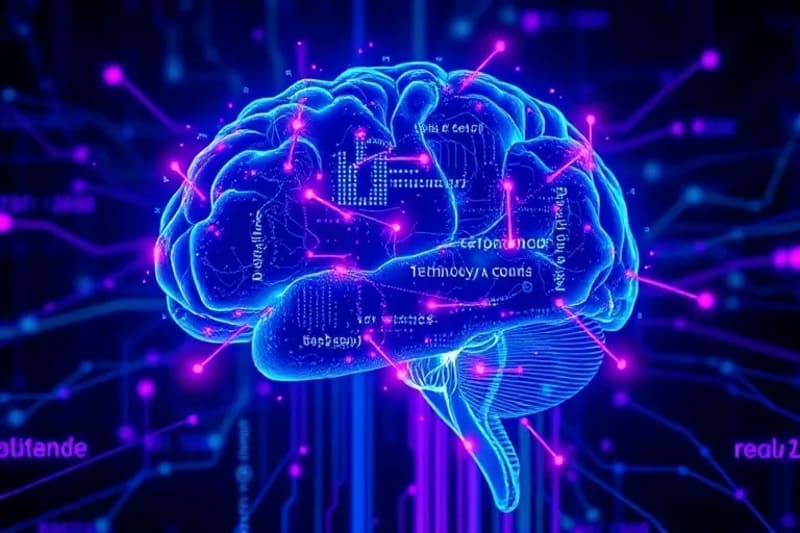 A conceptual visualization of the human brain interfacing with digital data, representing the intricate challenges and protections needed for mental privacy in the age of advanced neurotechnology.
Table of Contents
- 1. What Are Neuro-rights?
- 2. The Rise of Neurotechnology and AI
- 3. Key Neuro-rights Categories
- 4. Ethical and Legal Challenges
- 5. International Initiatives and Frameworks
- 6. Future Implications and Societal Impact
1. What Are Neuro-rights?
Neuro-rights are a new set of human rights specifically designed to protect the human brain and its activity from the potential impacts of neurotechnology and artificial intelligence. These rights aim to safeguard the fundamental aspects of human identity, consciousness, and mental autonomy in an era where technology can directly access, modify, or influence neural processes.
The concept was primarily introduced by neuroscientists and ethicists who recognized the unique vulnerabilities posed by brain-computer interfaces (BCIs) and advanced neuro-imaging. Unlike traditional data privacy concerns, neuro-rights delve into the very core of what it means to be human, protecting the inner sanctuary of thoughts, emotions, and personal identity.
The urgency for defining and implementing neuro-rights stems from the dual-use nature of neurotechnologies. While they hold immense promise for treating neurological disorders, enhancing cognitive functions, and improving quality of life, they also carry the risk of misuse, such as unauthorized access to mental data, manipulation of thoughts, or even altering an individual's sense of self.
2. The Rise of Neurotechnology and AI
Neurotechnology encompasses a broad range of devices and methods that interact with the nervous system, particularly the brain. This includes technologies like deep brain stimulation (DBS) for Parkinson's disease, cochlear implants for hearing restoration, and increasingly sophisticated BCIs that can allow paralyzed individuals to control prosthetic limbs or communicate through thought alone.
The integration of AI has dramatically accelerated the capabilities of neurotechnology. Machine learning algorithms can interpret complex neural signals with greater accuracy, enabling more seamless interaction between the brain and external devices. AI can also be used to decode mental states, predict intentions, and even generate synthetic neural patterns, raising significant questions about mental privacy and autonomy.
Examples of emerging neurotechnologies include non-invasive neuro-imaging techniques that can map brain activity with high resolution, and advanced BCIs that promise to enhance human cognitive abilities or facilitate direct brain-to-brain communication. These developments, while exciting, underscore the immediate need for ethical guidelines and legal protections.
 A visual representation of the legal and digital safeguards required to protect individual mental privacy in the age of advanced AI and neurotechnology.
3. Key Neuro-rights Categories
The proposed framework for neuro-rights typically includes several core categories, each addressing a specific aspect of mental protection. These categories are designed to be comprehensive, covering both the input and output of brain activity, as well as the integrity of the individual's mental state.
- Right to Mental Privacy: This is perhaps the most fundamental neuro-right. It ensures that individuals have the right to protect their brain data from unauthorized access, collection, storage, or use. As neurotechnologies can read and interpret neural activity, this right becomes paramount to prevent corporations or governments from accessing thoughts, emotions, or unconscious biases. This is akin to the protection sought for personal data in the digital realm, but extended to the most intimate aspects of self.
- Right to Cognitive Liberty: This right protects an individual's freedom to make independent decisions about their own mind and brain. It includes the right to choose whether or not to use neurotechnology, and to be free from coercive or manipulative neuro-interventions. Cognitive liberty ensures that individuals can control their own mental processes and make choices about their cognitive enhancement without external pressure.
- Right to Mental Integrity: This right safeguards individuals from unauthorized modification or manipulation of their mental processes. It extends beyond physical harm to the brain, encompassing protection against technologies that could alter thoughts, emotions, or personality without consent. Maintaining mental integrity is crucial for preserving an individual's sense of self and autonomy.
- Right to Psychological Continuity: This right aims to protect an individual's sense of self and personal identity from being disrupted or altered by neurotechnological interventions. As BCIs and AI could potentially influence memories or personality traits, ensuring psychological continuity is vital for maintaining a stable and coherent sense of who one is over time.
- Right to Fair Access to Neuro-enhancement: This right addresses the ethical implications of neurotechnologies that could enhance cognitive abilities. It seeks to prevent a "neuro-divide" where only the wealthy can afford cognitive enhancements, leading to increased social inequality. Fair access promotes equitable distribution of beneficial neurotechnologies, ensuring that their advantages are broadly shared.
4. Ethical and Legal Challenges
The implementation of neuro-rights faces numerous ethical and legal hurdles. One significant challenge is defining what constitutes "mental data" and how it differs from other forms of personal information. The unique sensitivity of brain data, which can reveal deeply personal thoughts and predispositions, requires a higher level of protection than typical digital data.
Another challenge lies in establishing clear boundaries for consent, especially when neurotechnologies might influence decision-making processes. Can true informed consent be given if the technology itself can subtly alter cognitive states? This question is particularly pertinent in medical contexts or in situations where individuals might feel compelled to use neuro-enhancements for competitive advantages.
The legal frameworks currently in place, such as general data protection regulations, may not be sufficient to address the specific nuances of neuro-data. Existing laws were not designed with the ability to read, write, or modulate brain activity in mind. Therefore, new legislation or significant amendments to existing laws are necessary to adequately protect neuro-rights. For instance, the discussion around intellectual property models for AI also touches upon the ethical considerations of data ownership and usage, which are closely related to neuro-rights.
 A conceptual 3D rendering illustrating the critical need for protective barriers around neural networks to ensure the integrity and privacy of human mental processes.
Moreover, the global nature of technological development means that any legal framework for neuro-rights must ideally be international. A patchwork of national laws could lead to "neuro-havens" where less stringent regulations allow for practices deemed unethical elsewhere. This global coordination is a complex undertaking, requiring cooperation between governments, scientific communities, and civil society organizations.
5. International Initiatives and Frameworks
Recognizing the urgency, several international bodies and national governments have begun to explore the implications of neurotechnology and the need for neuro-rights. Chile was the first country to amend its constitution to protect brain activity and mental integrity, setting a precedent for other nations.
Organizations like the Organization for Economic Co-operation and Development (OECD) have issued recommendations on responsible innovation in neurotechnology. The United Nations Educational, Scientific and Cultural Organization (UNESCO) has also initiated discussions on the ethical governance of AI and neurotechnology, emphasizing the need for human-centered approaches.
These initiatives often involve multidisciplinary collaboration, bringing together neuroscientists, ethicists, lawyers, philosophers, and policymakers. The goal is to develop a comprehensive understanding of the risks and benefits, and to formulate principles that can guide the development and deployment of neurotechnologies in a way that respects human dignity and rights. The principles discussed in ethics and spirituality in artificial intelligence are highly relevant to this discourse, as they address the broader moral implications of advanced technology.
In 2021, Chile became the first country to enshrine neuro-rights into its constitution, explicitly stating:
"The law shall protect the integrity and mental indemnity, as well as the development of the cognitive functions required for the free exercise of autonomy and free will."
This constitutional amendment and accompanying legislation aim to regulate the use of neurotechnologies, ensuring that no individual can be subjected to brain-altering procedures without explicit consent, and that mental data is protected with the same rigor as other personal information.
6. Future Implications and Societal Impact
The future implications of neuro-rights are vast and will shape how societies interact with advanced technology. Successfully integrating neuro-rights into legal and ethical frameworks could prevent dystopian scenarios where mental manipulation or surveillance becomes commonplace. It would ensure that human autonomy remains central to technological progress.
Conversely, a failure to establish robust neuro-rights could lead to significant societal challenges. These might include new forms of discrimination based on neural data, the erosion of free will, and a widening gap between those who can afford cognitive enhancements and those who cannot. The very definition of what it means to be human could be challenged if mental processes are commodified or controlled.
The ongoing dialogue about neuro-rights also highlights the importance of public education and awareness. As neurotechnologies become more prevalent, it is crucial for individuals to understand their rights and the potential risks involved. This includes understanding concepts like augmented reality and self-perception, as digital identities increasingly merge with our cognitive experiences.
Ultimately, neuro-rights represent a proactive effort to guide technological innovation towards a future that prioritizes human well-being and fundamental freedoms. By establishing these protections now, societies can harness the immense potential of neurotechnology and AI while safeguarding the essence of human consciousness and mental privacy.
Explore Further Insights
- Cronobiología Biohacking Hormonal
- Simbolismo Colores
- Microbioma Cutáneo Biohacking
- Bosques Antiguos Gigantes Milenarios
- Criptoarte Mercado Arte Digital
- Futuro Educación
- WebAssembly No-Code
- Propiedad Intelectual Modelos IA
- Legal Tech Startups
- Metaverso Derecho Digital
- Abencerrajes
- Nutrición Basada Plantas
- Idiomas Curiosos Mundo
- Inversión Pasiva
- Cruces Cósmicas Zodiacales
- Arquetipos Sombríos Transgeneracionales
- Magia Velas Colores Intenciones
- Incienso Mirra Significado Espiritual
- Canto Gregoriano Neurociencia
- Snake Goat Compatibility
- Manifesting Abundance Esoteric Secrets
- Astro-Genomics
Source: Hybrid content assisted by AI and human editorial supervision.


Comentarios