
Neuro-rights Mental Privacy Consciousness Digital Age Protection
In an era defined by rapid technological advancement, the boundaries between human consciousness and digital interfaces are increasingly blurring. Neuro-rights and mental privacy represent a groundbreaking ethical and legal frontier, seeking to safeguard the fundamental aspects of our minds from potential exploitation and manipulation. As neurotechnology progresses from scientific fiction to tangible reality, the imperative to protect our cognitive liberty becomes more urgent than ever before.
This emerging field addresses the profound implications of technologies that can read, write, or even alter brain activity. From brain-computer interfaces (BCIs) to advanced neuroimaging techniques, these innovations promise revolutionary benefits in medicine and human augmentation. However, they also introduce unprecedented risks to our mental autonomy, identity, and the very essence of what it means to be human in the digital age. Understanding neuro-rights is crucial for navigating this complex landscape and ensuring a future where technology serves humanity without compromising its core.
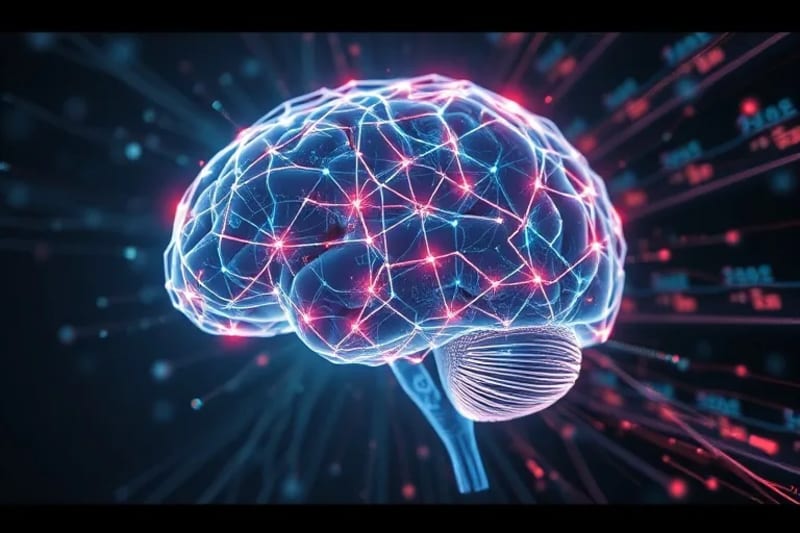
Conceptual frameworks, technological advancements, and ethical considerations shaping the discourse around neuro-rights and mental privacy.
Fuente visual sujeta a disponibilidad del ecosistema: Wikimedia Commons bajo licencia CC BY-SA 4.0 o renderizado conceptual IA.The concept of neuro-rights is relatively new, gaining prominence as neuroscientific and neurotechnological capabilities expand. It refers to a set of human rights specifically designed to protect the brain and its activity. These rights aim to address the unique ethical, legal, and social challenges posed by devices and software that can directly interact with the human nervous system, potentially influencing thoughts, emotions, and decisions. The goal is to prevent misuse and ensure that individuals retain ultimate control over their own minds.
The urgency of this discussion is underscored by the rapid pace of innovation. Brain-computer interfaces are no longer confined to laboratories; they are increasingly being developed for commercial applications, from enhancing cognitive function to controlling external devices with thought. This widespread availability necessitates a robust ethical and legal framework to prevent unintended consequences and protect vulnerable populations. Without such safeguards, the potential for exploitation, discrimination, and erosion of personal autonomy is significant.
Table of Contents
- The Rise of Neurotechnology and Its Implications
- Core Principles of Neuro-rights
- Challenges and Ethical Dilemmas
- Legal Frameworks and Future Outlook
- Protecting Your Mental Privacy
The Rise of Neurotechnology and Its Implications
Neurotechnology encompasses a broad range of tools and techniques that directly interact with the brain and nervous system. These include brain-computer interfaces (BCIs), neuroimaging devices, neurostimulation technologies, and even advanced artificial intelligence algorithms designed to interpret neural data. While many of these technologies are still in their nascent stages, their potential to reshape human experience is immense, offering both unprecedented opportunities and significant risks.
In medicine, neurotechnology holds the promise of restoring lost sensory functions, treating neurological disorders like Parkinson's and epilepsy, and even enabling communication for individuals with severe paralysis. Beyond therapeutic applications, consumer-grade neurodevices are emerging, offering enhancements for memory, concentration, and even emotional regulation. This dual-use nature, with both medical and non-medical applications, complicates the ethical landscape and highlights the need for careful regulation.
The implications extend far beyond individual health. Imagine a future where employers could monitor employees' stress levels or cognitive engagement directly from their brain activity. Or where advertisers could tailor campaigns based on real-time emotional responses detected by neuro-sensors. The potential for mental surveillance and manipulation is profound, raising fundamental questions about personal autonomy and the right to a private mental life. This is where the concept of mental privacy becomes paramount, as it seeks to protect the inner sanctum of our thoughts and feelings from unauthorized access.
Furthermore, the integration of AI with neurotechnology introduces another layer of complexity. AI algorithms can analyze vast amounts of neural data, identifying patterns and potentially predicting or even influencing human behavior. This raises concerns about algorithmic bias, where biases embedded in the AI could lead to discriminatory outcomes or reinforce existing inequalities. The governance of artificial intelligence, particularly concerning its use in neurotechnology, is a critical area for ongoing discussion and policy development.
Core Principles of Neuro-rights
While the exact formulation of neuro-rights is still evolving, several core principles have been proposed by ethicists, neuroscientists, and legal scholars. These principles aim to provide a comprehensive framework for protecting individuals in the age of neurotechnology. The most commonly discussed neuro-rights include:
- The Right to Mental Privacy: This is arguably the most fundamental neuro-right. It asserts an individual's right to protect their brain data from unauthorized access, collection, storage, or use. It ensures that our thoughts, emotions, and neural patterns remain private, free from surveillance or intrusion by governments, corporations, or other entities. Just as we have a right to privacy over our personal communications, we should have a right to privacy over our mental states.
- The Right to Mental Identity: This right protects an individual's sense of self and personal identity from alteration by neurotechnology. As BCIs and other devices could potentially modify thoughts, memories, or personality traits, this right ensures that individuals maintain control over their core identity and cognitive integrity. It guards against technologies that could blur the line between human and machine, or impose external influences on one's self-perception.
- The Right to Free Will and Self-Determination: This principle safeguards an individual's capacity to make independent decisions, free from neurotechnological manipulation. If devices can influence our choices, desires, or intentions, our free will could be compromised. This right seeks to ensure that individuals remain the ultimate authors of their own decisions, protecting against covert or overt neuro-coercion.
- The Right to Cognitive Liberty: Often considered an umbrella term, cognitive liberty encompasses the right to use neurotechnologies for personal enhancement (e.g., improving memory or focus) while also protecting against forced or involuntary use. It ensures that individuals have the freedom to control their own minds and mental states, both by choosing to engage with neurotechnology and by choosing not to.
- The Right to Protection from Algorithmic Bias: As AI plays an increasing role in interpreting and interacting with neural data, this right addresses the potential for discriminatory outcomes. It ensures that neurotechnologies and the algorithms powering them are developed and deployed in a fair and equitable manner, without perpetuating or amplifying existing societal biases. This is especially relevant given the sensitive nature of brain data and the potential for misuse.
These rights are not merely theoretical constructs; they are becoming essential for guiding the responsible development and deployment of neurotechnologies. Without clear ethical guidelines and legal protections, the risks associated with these powerful tools could outweigh their potential benefits, leading to a dystopian future rather than a utopian one.

A conceptual representation of the digital safeguards required to maintain mental privacy in an interconnected world.
Challenges and Ethical Dilemmas
The implementation of neuro-rights faces numerous challenges, both technical and philosophical. One major hurdle is the definition of "brain data" itself. Unlike traditional personal data, neural information can be highly dynamic, context-dependent, and deeply intertwined with a person's subjective experience. Distinguishing between actionable insights and fleeting thoughts, or between conscious intentions and subconscious processes, presents significant technical and ethical complexities.
Another critical challenge lies in the potential for dual-use technologies. A neurodevice designed to help patients with locked-in syndrome communicate might also be adapted for surveillance or interrogation. Establishing clear lines between therapeutic use, enhancement, and coercive application is vital but incredibly difficult. The rapid evolution of these technologies often outpaces the development of ethical guidelines and legal frameworks, creating a regulatory vacuum.
The question of who owns brain data is also a contentious issue. Is it the individual whose brain it originated from, the company that developed the neurodevice, or the entity that processes the data? Clear ownership and consent mechanisms are essential to prevent unauthorized commercial exploitation or governmental access. This mirrors broader debates around data privacy in the digital age, but with the added sensitivity of mental information.
Furthermore, the potential for cognitive enhancement raises questions about fairness and equity. If neurotechnologies can significantly boost cognitive abilities, access to these enhancements could create a new form of societal divide, exacerbating existing inequalities. Ensuring equitable access and preventing a "neuro-divide" where only the privileged can afford cognitive superiority is a significant ethical consideration. This relates to broader discussions about social entrepreneurship and ensuring technological advancements benefit all of society, not just a select few.
Finally, the very definition of "human" and "consciousness" might be challenged by advanced neurotechnologies. If our memories can be edited, our emotions regulated externally, or our decisions subtly influenced, how does this impact our understanding of human agency and identity? These philosophical questions are not merely academic; they have profound implications for legal personhood and human dignity.
Legal Frameworks and Future Outlook
Currently, no comprehensive international or national legal framework specifically addresses neuro-rights. Existing data protection laws, such as the General Data Protection Regulation (GDPR) in Europe, offer some level of protection for personal data, but they were not designed with the unique complexities of brain data in mind. The highly sensitive and intimate nature of neural information requires more tailored and robust safeguards.
Some countries and international bodies are beginning to acknowledge this gap. Chile, for instance, became the first country to amend its constitution to protect neuro-rights, explicitly stating that "scientific and technological development shall be at the service of people and shall guarantee the exercise of free will and the integrity of mental identity." This pioneering move sets a precedent for other nations to consider similar legislative actions.
The Council of Europe has also initiated discussions on the ethical implications of neurotechnology, aiming to develop guidelines and potentially new legal instruments. These efforts highlight a growing recognition that existing human rights frameworks need to be updated to account for the unique challenges posed by neuroscientific advancements. The goal is not to stifle innovation but to ensure that it proceeds in a manner that respects human dignity and fundamental freedoms.
Looking ahead, the future of neuro-rights will likely involve a multi-faceted approach. This includes international cooperation to establish common standards, national legislation to implement specific protections, and the development of ethical guidelines for researchers and developers. Public education and awareness campaigns will also be crucial to empower individuals to understand and assert their neuro-rights. The intersection of historical mysteries and future technological advancements often brings about new ethical considerations that require careful deliberation.

Symbolic representation of individual autonomy and decision-making in the face of emerging neurotechnologies.
Protecting Your Mental Privacy
While legal frameworks are still catching up, there are steps individuals can take to protect their mental privacy and advocate for stronger neuro-rights. Awareness is the first and most crucial step. Understanding how neurotechnologies work, their potential benefits, and their inherent risks empowers you to make informed decisions about their use.
When considering any neurodevice or application, carefully review its privacy policy and terms of service. Pay attention to what data is collected, how it is stored, who has access to it, and for what purposes it will be used. Be wary of products that offer vague or overly broad consent clauses. If possible, opt for devices that prioritize on-device processing of neural data, minimizing the need for cloud storage and external access.
Advocacy also plays a vital role. Support organizations and initiatives that are working to develop ethical guidelines and legal protections for neuro-rights. Engage in public discussions, share information, and encourage policymakers to prioritize this critical area. Your voice can contribute to shaping a future where technological progress is balanced with robust human rights protections. This proactive approach is similar to how communities advocate for urban green infrastructure, pushing for policies that benefit public well-being.
Finally, practice digital hygiene. Just as you protect your personal data online, be mindful of any information you share that could be linked to your cognitive profile. While direct brain-reading is still largely in the realm of advanced research, indirect data points (e.g., behavioral patterns, online interactions, biometric data) can sometimes be used to infer mental states. Maintaining a critical perspective on emerging technologies and demanding transparency from developers are essential practices in this evolving landscape.
The journey to fully integrate neuro-rights into our global human rights framework will be long and complex. It requires collaboration between scientists, ethicists, legal experts, policymakers, and the public. By proactively addressing these challenges, we can ensure that neurotechnology serves as a tool for human flourishing, rather than a threat to our fundamental freedoms and mental well-being.
The protection of mental privacy and the establishment of robust neuro-rights are not just about preventing harm; they are about preserving the very essence of human autonomy and dignity in an increasingly interconnected world. As we stand on the precipice of a neurotechnological revolution, our collective commitment to these principles will define the future of human consciousness.
Explore Further: Related Insights
- Elite Marathon: Molecular Nutrition
- Elizabeth Taylor: Philanthropic Legacy
- Alphabet History: Hieroglyphs to Modern
- Colombian Commercial Code: Board
- Commercial Code: Aircraft Damage
- Nuclear Energy Future: Fusion
- Microcredits for Women Entrepreneurs
- Michael Jackson: Man in the Mirror
- AI Public Procurement: Legal
- Vitamin D: Benefits, Sources
- Genomics & Microbiota: Ultra-Endurance
- Sacred Geometry: Digital Shielding
- Vibrational Alchemy: Soul Geometry
- Karmic Compatibility: Zodiac Archetypes
- Sacred Heart Consecration
- Angelic Hierarchy: Nine Choirs
- AI Consciousness: Prophetic Future
- Dream Interpretation: Subconscious
- Mindfulness: Planetary Transits
- Earth Snake Chinese Horoscope
Source: Hybrid content assisted by AI and human editorial supervision.


Comentarios