
Digital Cryptozoology: Exploring Mythical Anomalies Online
Digital cryptozoology represents a fascinating and rapidly evolving field at the intersection of folklore, technology, and internet culture. Unlike traditional cryptozoology, which seeks to identify and study creatures from legend and myth in the physical world, its digital counterpart focuses on mythical anomalies that originate, propagate, and often exist exclusively within digital spaces. This includes everything from viral internet legends and creepypastas to AI-generated entities and data patterns that defy conventional explanation.
The rise of the internet has provided a fertile ground for new forms of myth-making, where collective imagination can quickly coalesce around a concept, giving it a life of its own through sharing, remixing, and discussion. These digital cryptids often reflect contemporary anxieties, cultural shifts, and the inherent human desire to explore the unknown, even when that unknown is rendered in pixels and code.
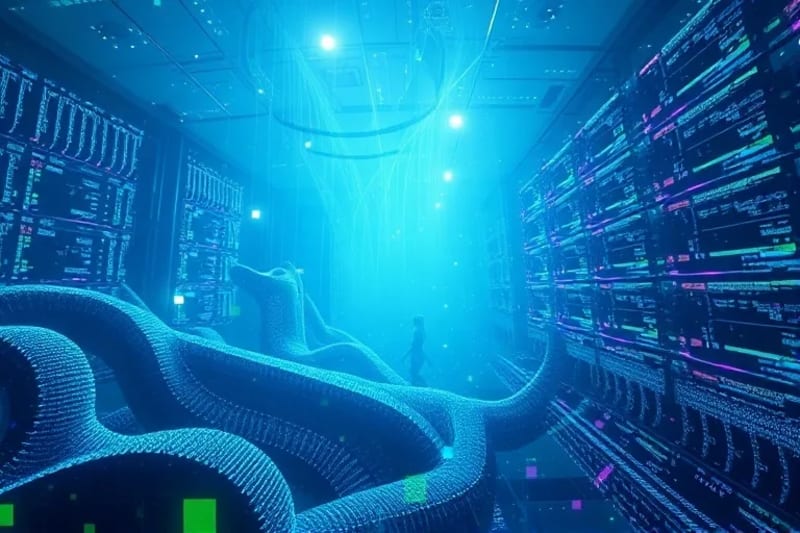
Precursors, conceptual frameworks, and abstract representations that define the emerging field of digital cryptozoology and its mythical anomalies.
Fuente visual sujeta a disponibilidad del ecosistema: Wikimedia Commons bajo licencia CC BY-SA 4.0 o renderizado conceptual IA.Table of Contents
- From Ancient Lore to Modern Myths: A Brief History
- Anatomy of a Digital Cryptid: Characteristics and Classification
- The Technological Nexus: AI, Algorithms, and the Unseen
- Psychological and Sociological Impact: Why We Believe
- The Future of Digital Cryptozoology: A New Frontier
From Ancient Lore to Modern Myths: A Brief History
The human fascination with the unknown is not new. For millennia, cultures across the globe have told tales of mythical beasts and cryptids, from the Yeti in the Himalayas to the Loch Ness Monster in Scotland. These narratives served various purposes, from explaining natural phenomena to instilling moral lessons. With the advent of the internet, this ancient tradition found a new, boundless medium.
The early days of the internet saw the emergence of urban legends shared via email chains and forums. As technology advanced, so did the sophistication of these digital myths. The rise of image and video manipulation tools made it easier to create compelling, albeit fabricated, evidence. Platforms like 4chan and Reddit became incubators for collaborative storytelling, giving birth to phenomena known as "creepypastas" – horror-related legends or images that are copied and pasted around the internet.
These digital narratives often blur the lines between fiction and reality, creating a compelling shared experience for participants. The anonymity of the internet allows for a collective suspension of disbelief, where users can contribute to the lore without fear of immediate debunking, fostering a unique environment for mythical anomalies to thrive.
Anatomy of a Digital Cryptid: Characteristics and Classification
Digital cryptids manifest in diverse forms, often leveraging the unique capabilities of the internet. Their characteristics can vary widely, but common traits include their viral spread, reliance on user-generated content, and an often ambiguous origin that contributes to their mystique. They are not merely stories; they are interactive narratives that evolve with community input.
- Image-Based Entities: Cryptids like Slender Man, which originated from a Photoshop contest, rely heavily on unsettling imagery. These images are often manipulated or designed to evoke fear and discomfort, becoming iconic representations of the digital entity.
- Video Anomalies: Entities such as Siren Head, created by artist Trevor Henderson, gained traction through disturbing video clips and conceptual art. These often simulate found footage or cryptic broadcasts, enhancing their perceived realism.
- Textual Narratives (Creepypastas): Many digital cryptids are primarily textual, relying on detailed stories and lore to build their presence. These narratives are shared across forums, blogs, and social media, creating complex mythologies.
- AI-Generated Phenomena: With advancements in generative AI, new forms of digital cryptids are emerging. These can be images, videos, or even interactive experiences that are entirely synthesized, blurring the lines between human creativity and algorithmic generation.

Intense focus on data analysis and digital exploration, hinting at the elusive nature of online phenomena.
The "mimetic" nature of digital entities is crucial. They adapt, evolve, and spread through imitation and reinterpretation, often reflecting the collective fears and desires of the online community. This dynamic process makes them particularly resilient and captivating, as they are not static stories but living, breathing digital folklore.
The Technological Nexus: AI, Algorithms, and the Unseen
Modern technology, particularly Artificial Intelligence, plays a dual role in the realm of digital cryptozoology. On one hand, AI can be a powerful tool for analyzing vast amounts of internet data, potentially identifying patterns or anomalies that might suggest the presence of previously unnoticed digital entities. This could involve using machine learning to detect unusual clusters of online activity, recurring imagery, or narrative structures that point to emerging cryptids.
On the other hand, AI is increasingly capable of generating sophisticated digital cryptids itself. Advanced algorithms can create highly convincing deepfakes, realistic images, and coherent narratives that are indistinguishable from human-created content. This raises profound questions about authenticity and the nature of digital reality. As AI becomes more sophisticated, the distinction between a genuine anomaly and a synthetically created one becomes increasingly blurred.
The very infrastructure of the internet, with its complex networks and hidden layers, can also contribute to the mystique. Concepts like Asymmetric Cryptography: Fundamentals and Key Applications, while designed for security, highlight the existence of hidden information and secure channels that could, in the popular imagination, harbor digital secrets or entities. Similarly, the vast and often opaque nature of Hybrid Cloud Cybersecurity: Protecting Enterprise Data from Threats, with its layers of protection and potential vulnerabilities, can be seen as a digital wilderness where unknown entities might roam.
Psychological and Sociological Impact: Why We Believe
The enduring appeal of digital cryptids lies deeply rooted in human psychology and sociology. Our brains are wired to seek patterns and meaning, even in randomness, and the internet provides an endless stream of data to fuel this innate drive. The collective experience of encountering a digital cryptid, discussing its lore, and contributing to its evolution taps into fundamental aspects of social bonding and shared identity.
- The Need for Mystery: In an increasingly rationalized world, digital cryptids offer a sense of wonder and the unknown, providing an escape from the mundane.
- Collective Storytelling: The internet facilitates a unique form of collaborative myth-making, where countless individuals contribute to a shared narrative, making it more robust and believable.
- Reflection of Anxieties: Many digital cryptids, particularly those with horror elements, often serve as allegories for contemporary fears, such as surveillance, loss of privacy, or the dehumanizing aspects of technology.
- Blurring Reality and Fiction: The immersive nature of online experiences can make it challenging to distinguish between what is real and what is fabricated. This phenomenon is particularly relevant when considering the ethical implications of digital content, a topic increasingly discussed in relation to Neuro-rights: Consciousness Protection, Legal Dilemmas in the Digital Age.
A visual representation of the internet's intricate structure, subtly hinting at the hidden mythical forms within its vast network.
The psychological impact extends to how individuals perceive and interact with digital content. The thrill of exploring these anomalies can be akin to delving into Lucid Dreams Therapy: Anxiety PTSD Clinical Applications, where the boundaries of reality are fluid and perception can be consciously manipulated. This engagement fosters a unique form of digital literacy, encouraging critical thinking about online sources while simultaneously embracing the fantastical.
The Future of Digital Cryptozoology: A New Frontier
The future of digital cryptozoology promises to be even more dynamic and complex. As AI and machine learning continue to advance, the creation of sophisticated, interactive, and adaptive digital entities will become increasingly commonplace. Imagine cryptids that learn from user interactions, evolve their narratives based on collective input, or even manifest in personalized ways across different platforms.
The integration of virtual reality (VR) and augmented reality (AR) technologies will further blur the lines between the digital and physical worlds. Digital cryptids might soon appear to inhabit our physical spaces through AR overlays, or become fully immersive experiences in VR environments, making their presence feel undeniably real. This evolution will challenge our understanding of reality, belief, and the very nature of existence in a digitally saturated world.
Ethical considerations will become paramount, particularly regarding the potential for misuse. The ability to create highly convincing digital entities could be exploited for disinformation, psychological manipulation, or even new forms of cybercrime. Therefore, understanding the mechanisms and impacts of digital cryptozoology is not just an academic exercise but a critical necessity for navigating our increasingly digital future.
In conclusion, digital cryptozoology is more than just a collection of internet myths; it is a reflection of our evolving relationship with technology, our innate curiosity, and our collective capacity for storytelling. As the digital landscape continues to expand, so too will the digital wild, populated by new and ever more elusive mythical anomalies waiting to be discovered or created.
Related Explorations
Source: Hybrid content assisted by AI and human editorial supervision.


Comentarios