
Male Hormonal Biohacking Longevity Optimization Strategies
In the 21st century, the pursuit of optimal health and extended longevity has transcended traditional medical paradigms, giving rise to the burgeoning field of biohacking. Male hormonal biohacking specifically focuses on understanding, monitoring, and optimizing the intricate endocrine system in men to enhance physical performance, cognitive function, mood stability, and overall well-being. This advanced approach moves beyond merely treating symptoms, aiming instead for proactive intervention and peak physiological function, leveraging scientific insights and technological advancements.

Precursors intellectuales, diagramas fundamentales y representaciones conceptuales que forjaron la visión de la optimización hormonal masculina sobre la longevidad y el rendimiento.
Fuente visual sujeta a disponibilidad del ecosistema: Wikimedia Commons bajo licencia CC BY-SA 4.0 o renderizado conceptual IA.The concept of biohacking, often described as "do-it-yourself biology," empowers individuals to take an active role in their health management. When applied to male hormones, this involves a systematic process of self-experimentation, data collection, and informed decision-making. The goal is to identify and implement strategies that optimize hormonal balance, thereby mitigating age-related decline and enhancing various aspects of life quality. This article delves into the scientific underpinnings, practical strategies, and ethical considerations of male hormonal biohacking.
Table of Contents
- Introduction to Male Hormonal Biohacking
- The Foundation: Understanding Male Hormones
- Pillars of Hormonal Optimization
- Advanced Strategies and Medical Interventions
- Monitoring, Personalization, and Ethical Considerations
- The Future of Male Hormonal Biohacking
The Foundation: Understanding Male Hormones
At the core of male hormonal biohacking is a deep understanding of the key hormones that govern male physiology. Testosterone, often considered the primary male sex hormone, plays a crucial role in muscle mass, bone density, red blood cell production, libido, and mood. Its levels naturally decline with age, a condition known as andropause or late-onset hypogonadism, which can lead to various undesirable symptoms.
Beyond testosterone, other hormones like DHEA (dehydroepiandrosterone), cortisol (the stress hormone), and thyroid hormones (T3 and T4) are equally vital. DHEA serves as a precursor to other sex hormones and is associated with vitality and immune function. Cortisol, while essential for stress response, can become detrimental in chronic elevation, impacting testosterone levels and overall health. Thyroid hormones regulate metabolism, energy levels, and body temperature, with imbalances profoundly affecting well-being.
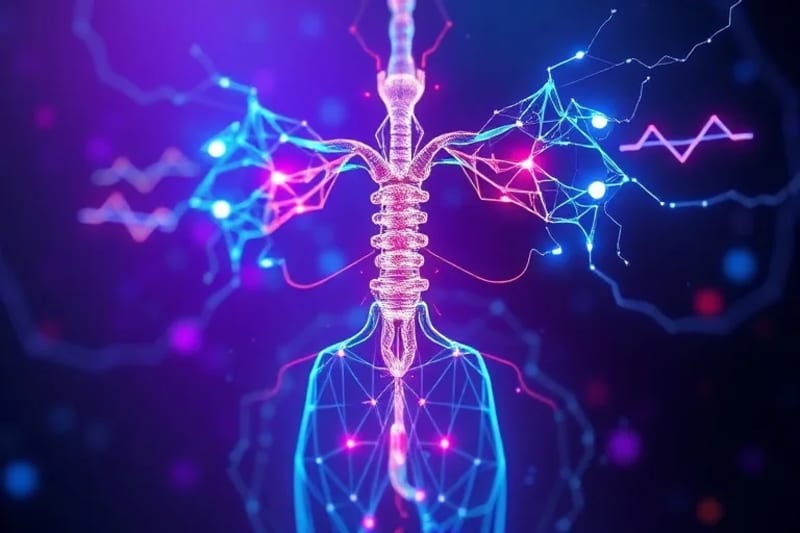
The intricate balance of the male endocrine system is crucial for overall health and vitality.
Understanding the interplay between these hormones is paramount. For instance, high cortisol levels can suppress testosterone production, creating a cascade of negative effects. Similarly, thyroid dysfunction can mimic symptoms of low testosterone, highlighting the need for a comprehensive diagnostic approach. Scientific literature consistently emphasizes the interconnectedness of these systems, underscoring that optimizing one hormone often requires attention to others.
The decline in hormonal function is not merely a consequence of aging but can be exacerbated by modern lifestyle factors. Chronic stress, poor diet, lack of physical activity, inadequate sleep, and exposure to environmental toxins all contribute to hormonal dysregulation. Biohacking seeks to address these root causes, offering a holistic framework for restoration and enhancement.
Pillars of Hormonal Optimization
Effective male hormonal biohacking rests on several fundamental pillars, each supported by extensive scientific research. These pillars form the basis of any successful optimization strategy.
- Nutrition: A nutrient-dense diet is foundational. This includes adequate intake of healthy fats (e.g., avocados, nuts, olive oil) essential for hormone synthesis, lean proteins for muscle maintenance, and complex carbohydrates for sustained energy. Micronutrients like zinc, magnesium, and vitamin D are critical cofactors in testosterone production. Avoiding processed foods, excessive sugars, and inflammatory oils is equally important.
- Exercise: Regular physical activity, particularly resistance training and high-intensity interval training (HIIT), has been shown to boost testosterone and growth hormone levels. Cardiovascular exercise, while beneficial for overall health, should be balanced to avoid overtraining, which can elevate cortisol and suppress testosterone.
- Sleep Optimization: Quality sleep is non-negotiable for hormonal health. Testosterone production peaks during deep sleep cycles. Chronic sleep deprivation significantly lowers testosterone and impairs insulin sensitivity. Strategies include maintaining a consistent sleep schedule, creating a dark and cool sleep environment, and avoiding screens before bedtime. For further insights into mental restoration, exploring topics like lucid dreams and self-knowledge can offer complementary perspectives on optimizing mental states.
- Stress Management: Chronic stress leads to elevated cortisol, which negatively impacts testosterone. Techniques such as mindfulness meditation, yoga, deep breathing exercises, and spending time in nature can significantly reduce stress levels. Engaging in activities that promote mental well-being, such as music therapy for mental and physical health, can also be highly beneficial.
- Environmental Factors: Minimizing exposure to endocrine-disrupting chemicals (EDCs) found in plastics, pesticides, and certain personal care products is crucial. These chemicals can mimic or block hormones, disrupting the delicate balance of the endocrine system.
Advanced Strategies and Medical Interventions
Beyond lifestyle adjustments, male hormonal biohacking may involve more advanced strategies, often requiring medical supervision. These interventions are typically considered when foundational lifestyle changes are insufficient to achieve optimal hormonal balance.

A balanced approach to biohacking integrates diet, supplementation, and lifestyle monitoring.
- Targeted Supplementation: While a balanced diet is primary, specific supplements can address deficiencies or support hormonal pathways. These include:
- Vitamin D: Crucial for testosterone production and overall health.
- Zinc and Magnesium: Essential minerals involved in numerous enzymatic reactions, including hormone synthesis.
- Adaptogens: Herbs like Ashwagandha and Rhodiola rosea can help the body adapt to stress, potentially lowering cortisol and supporting adrenal function.
- DHEA: Supplementation may be considered under medical guidance for individuals with low DHEA levels, as it can be a precursor to testosterone.
- Hormone Replacement Therapy (HRT) / Testosterone Replacement Therapy (TRT): For men with clinically low testosterone levels and associated symptoms, TRT can be a highly effective intervention. It involves administering exogenous testosterone to restore levels to a healthy range. This must be closely monitored by a qualified physician due to potential side effects, including erythrocytosis, sleep apnea exacerbation, and impacts on fertility. The decision to undertake TRT should be based on comprehensive blood work, symptom assessment, and a thorough discussion of risks and benefits with a healthcare provider.
- Peptides: Certain peptides, such as growth hormone-releasing peptides (GHRPs) like Ipamorelin or CJC-1295, can stimulate the body's natural production of growth hormone. Other peptides like BPC-157 are studied for their regenerative properties. These are advanced interventions that require strict medical supervision and are often used in specific clinical contexts.
Monitoring, Personalization, and Ethical Considerations
Effective biohacking is inherently data-driven and personalized. Regular monitoring of key biomarkers is essential to assess the efficacy of interventions and make informed adjustments. This typically includes comprehensive blood panels measuring total and free testosterone, estradiol, DHEA-S, cortisol, thyroid hormones (TSH, free T3, free T4), and vitamin D levels. Advanced monitoring might also involve genetic testing to understand individual predispositions and responses to certain interventions, or continuous glucose monitoring for metabolic insights.
Personalization is key because what works for one individual may not work for another. Factors such as genetics, lifestyle, age, and pre-existing conditions all influence hormonal responses. A "test, don't guess" approach ensures that strategies are tailored to the individual's unique physiological landscape. This iterative process of intervention, measurement, and adjustment is the hallmark of successful biohacking.
Ethical considerations are paramount in the realm of biohacking, particularly when dealing with hormonal interventions. The pursuit of optimization must be balanced with safety and long-term health. Self-experimentation without professional guidance, especially with potent compounds like hormones or peptides, carries significant risks. Responsible biohacking emphasizes collaboration with healthcare professionals, adherence to evidence-based practices, and a critical evaluation of information sources. The innovative spirit of biohacking should align with principles of scientific rigor and patient safety, similar to how bio-inspired business models thrive by integrating natural principles with ethical innovation.
The Future of Male Hormonal Biohacking
The field of male hormonal biohacking is continuously evolving, driven by advancements in genomics, proteomics, and personalized medicine. Future developments are likely to include more sophisticated diagnostic tools, highly targeted therapeutic compounds, and AI-driven platforms for personalized health recommendations. The integration of wearable technology with real-time biomarker monitoring will provide unprecedented insights into individual physiological responses, allowing for even more precise and dynamic optimization strategies.
As our understanding of the human body's intricate systems deepens, male hormonal biohacking will likely become an increasingly mainstream approach to health and longevity. However, the emphasis will remain on a balanced, evidence-based, and ethically sound methodology. The ultimate goal is not merely to extend lifespan but to enhance healthspan – the period of life spent in good health and free from chronic disease.
In conclusion, male hormonal biohacking represents a powerful paradigm for men seeking to optimize their health and longevity in the 21st century. By combining foundational lifestyle interventions with advanced, medically supervised strategies, individuals can proactively manage their hormonal health. This holistic and data-driven approach promises a future where men can not only live longer but also live with enhanced vitality, cognitive clarity, and overall well-being.
Explore More on Althox
Discover other fascinating topics and expand your knowledge:
Source: Hybrid content assisted by AI and human editorial supervision.


Comentarios