
Metaverse Intellectual Property Legal Challenges Solutions Virtual Assets
The metaverse, an evolving digital frontier, promises immersive virtual experiences that blend social interaction, gaming, commerce, and creativity. As this interconnected web of virtual worlds expands, it introduces unprecedented opportunities and complex legal dilemmas, particularly concerning intellectual property (IP). The traditional frameworks designed for the physical world and early internet often struggle to accommodate the unique characteristics of virtual assets and digital identities within these nascent ecosystems. Understanding these challenges is crucial for creators, businesses, and users navigating this new digital landscape.
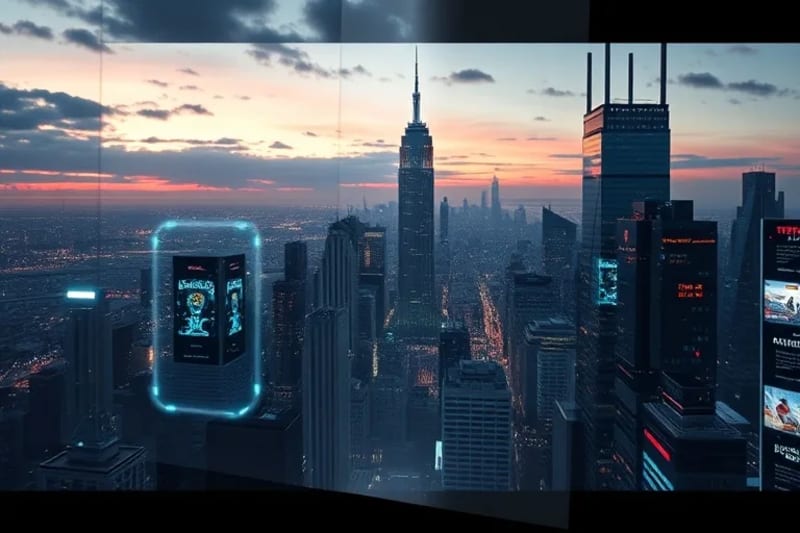
A sprawling virtual metropolis, where digital creations and legal frameworks intersect, defining the future of intellectual property.
The metaverse is not a singular entity but a collection of virtual spaces, platforms, and technologies that enable persistent, shared, and interactive digital environments. Within these spaces, users can create, buy, sell, and display virtual items, from digital fashion and art to virtual real estate and unique avatars. Each of these digital creations can potentially hold intellectual property rights, raising questions about ownership, infringement, and enforcement in a borderless, decentralized realm.
This article delves into the core intellectual property challenges posed by the metaverse, exploring how existing legal principles apply—or fail to apply—to virtual assets. It examines the nuances of copyright, trademark, and patent law in digital environments, highlights specific issues such as jurisdiction and user-generated content, and proposes innovative solutions leveraging blockchain technology and international cooperation to safeguard creators' rights in this rapidly evolving domain.
Table of Contents
- Types of IP in the Metaverse
- Specific Challenges
- Jurisdiction & Enforcement
- Ownership of UGC
- NFTs and IP Rights
- Deepfakes & Digital Identity
- Licensing & Royalties
- Proposed Solutions
- Blockchain & Smart Contracts
- DAOs and Governance
- International Cooperation
- Education & Best Practices
- Future Outlook
Types of Intellectual Property in the Metaverse
Intellectual property encompasses various legal protections for creations of the mind. In the metaverse, these traditional categories take on new dimensions and complexities.
- Copyright: This protects original works of authorship, such as literary, dramatic, musical, and artistic works. In the metaverse, this extends to digital art, virtual fashion designs, architectural blueprints for virtual buildings, music, and even the code that defines virtual objects and environments. The moment a user creates an original digital asset, copyright protection can theoretically apply.
- Trademarks: These are words, phrases, symbols, or designs that identify and distinguish the source of goods or services. Brands are rushing to register trademarks for their virtual goods and services in the metaverse, recognizing the potential for brand dilution or infringement. This includes virtual versions of physical products, brand names used in virtual stores, and even unique identifiers for avatars or virtual communities.
- Patents: Patents protect inventions, processes, and designs. While less immediately obvious for many virtual assets, patents could apply to the underlying technologies that power the metaverse, such as specific algorithms for rendering virtual environments, unique interaction methods, or novel hardware designs for VR/AR devices. Software patents could also protect innovative metaverse functionalities.
- Trade Secrets: Confidential business information that provides a competitive edge, like proprietary algorithms, user data management techniques, or unreleased metaverse features, can also be protected as trade secrets. Maintaining secrecy in a highly interconnected digital space presents unique challenges.
Specific Challenges in Metaverse IP Protection
The borderless and often decentralized nature of the metaverse gives rise to several critical challenges for intellectual property rights holders.
Jurisdiction and Enforcement
One of the most significant hurdles is determining which jurisdiction's laws apply when an IP infringement occurs in a global, virtual space. If a user in Country A infringes on a copyright held by a creator in Country B by selling a virtual item on a platform hosted in Country C, which country's laws should govern the dispute?
- Cross-border Infringement: The internet already grapples with cross-border legal issues, but the metaverse exacerbates this by creating truly immersive and persistent digital worlds that transcend national boundaries.
- Lack of Central Authority: Many metaverse platforms aim for decentralization, meaning there's no single entity to hold accountable or to enforce rulings. This complicates traditional legal processes that rely on identifiable parties and established legal systems.
- Enforcement Mechanisms: Even if jurisdiction is established, enforcing a judgment against an anonymous avatar or a distributed autonomous organization (DAO) can be practically impossible. This highlights the need for novel approaches to dispute resolution, such as specialized digital property arbitration.
Ownership of User-Generated Content (UGC)
Many metaverse platforms thrive on user-generated content, where individuals create and share their own digital assets. The terms of service (ToS) of these platforms often dictate the ownership and licensing of UGC, but these can be complex and vary widely.
- ToS Ambiguity: Some ToS grant the platform broad licenses to use, modify, and even commercialize user creations, potentially stripping creators of full control over their work. Users often accept these terms without fully understanding the implications for their IP rights.
- Derivative Works: When users create content based on existing IP (e.g., fan art, virtual merchandise of real-world brands), it raises questions about fair use, parody, and unauthorized commercialization. This is a particularly contentious area, as many metaverse experiences are built on creative reinterpretations.

An intricate digital web illustrating the secure and transparent nature of blockchain technology in managing intellectual property within virtual realms.
NFTs and IP Rights
Non-Fungible Tokens (NFTs) have emerged as a primary mechanism for proving ownership of unique digital assets in the metaverse. However, the purchase of an NFT typically grants ownership of the token itself, not necessarily the underlying intellectual property rights to the associated digital content.
- Separation of Ownership: A common misconception is that buying an NFT means owning the copyright. In most cases, the creator retains the copyright, and the NFT holder receives a license to display or use the digital asset, often with specific limitations.
- Infringement via Minting: The ease of minting NFTs means that unauthorized copies of copyrighted works can be tokenized and sold, creating a new vector for infringement. Proving original ownership and enforcing takedowns in decentralized marketplaces remains a significant challenge.
Deepfakes and Digital Identity
The rise of sophisticated AI technologies capable of generating realistic deepfakes and manipulating digital identities poses threats to personal IP, including rights of publicity and privacy. Avatars in the metaverse can be designed to resemble real individuals, raising issues of impersonation and unauthorized use of likeness.
- Unauthorized Likeness: The use of a celebrity's or public figure's likeness in the metaverse without permission could constitute an infringement of their right of publicity, which protects against the unauthorized commercial use of one's name, image, or other identifying characteristics.
- Reputational Harm: Deepfakes or manipulated avatars could be used to spread misinformation or engage in harmful activities, causing reputational damage that is difficult to mitigate in a persistent digital environment.
Licensing and Royalties in Virtual Economies
The commercialization of virtual assets requires robust licensing models and transparent royalty distribution mechanisms. Traditional licensing agreements can be cumbersome and difficult to enforce across diverse metaverse platforms and decentralized marketplaces.
- Complex Agreements: Crafting licenses that clearly define usage rights, transferability, and commercial terms for virtual goods across different platforms is a complex legal undertaking.
- Royalty Distribution: Ensuring that creators receive fair royalties from secondary sales of their digital assets, especially in decentralized marketplaces, requires automated and transparent systems. This is where technologies like blockchain technology can play a pivotal role.
Proposed Solutions for Metaverse IP Protection
Addressing these challenges requires a multi-faceted approach, combining technological innovation with legal adaptation and international cooperation.
Blockchain and Smart Contracts
Blockchain technology offers a foundational solution for proving ownership and managing IP rights in the metaverse. Its decentralized, immutable ledger can record the creation, ownership, and transfer of digital assets with unparalleled transparency.
- Immutable Records: Blockchain can provide irrefutable proof of creation and initial ownership for digital assets, making it harder for infringers to claim originality.
- Smart Contracts: These self-executing contracts, stored on a blockchain, can automate licensing agreements, royalty payments, and usage restrictions. For instance, a smart contract could automatically pay a creator a percentage of every secondary sale of their NFT, ensuring fair compensation.
- Digital Rights Management (DRM): Blockchain-based DRM systems can embed IP rights directly into digital assets, controlling their use and preventing unauthorized copying or distribution.
Decentralized Autonomous Organizations (DAOs) and Governance
DAOs could play a role in self-governance and dispute resolution within specific metaverse ecosystems. These organizations, governed by code and community consensus, could establish and enforce IP rules for their respective virtual worlds.
- Community-driven Rules: DAOs can create transparent and democratically agreed-upon rules for IP creation, usage, and enforcement within their virtual domains.
- Dispute Resolution: Specialized DAOs could act as arbitration bodies for IP disputes, offering a faster and potentially more accessible alternative to traditional courts, especially for resolving virtual asset disputes.
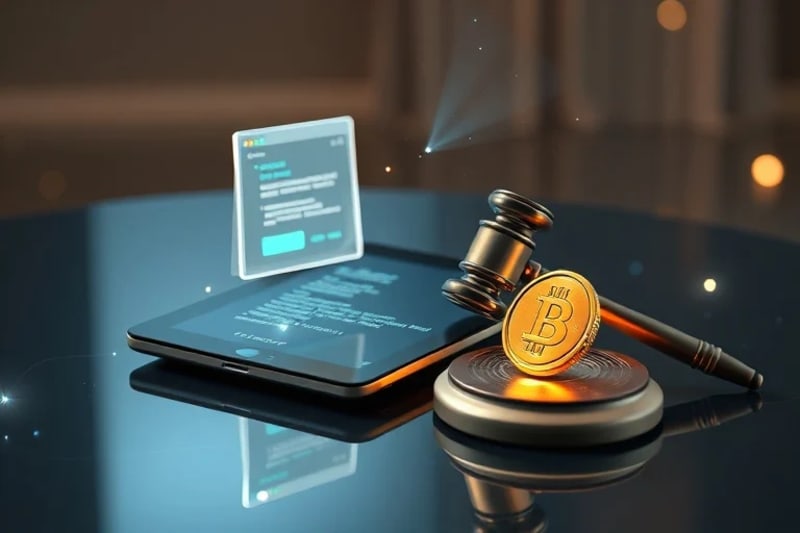
A symbolic arrangement of a gavel, digital code, and virtual currency, representing the intricate legal and technological considerations of metaverse property.
International Cooperation and Harmonization
Given the global nature of the metaverse, international cooperation among legal bodies and governments is essential to harmonize IP laws and facilitate cross-border enforcement.
- Treaties and Agreements: Existing international IP treaties may need to be updated or new ones developed to specifically address metaverse-related issues.
- Standardization: Developing common standards for digital rights management and IP metadata across platforms can streamline enforcement and protect creators more effectively.
Education and Best Practices
Educating creators, users, and businesses about their IP rights and responsibilities in the metaverse is paramount. Clear guidelines and best practices can help prevent unintentional infringement and foster a more respectful digital environment.
- Creator Empowerment: Providing creators with tools and knowledge to protect their work, such as proper licensing and registration, is crucial.
- User Awareness: Users need to understand that virtual goods are not always free to copy or modify, and that their actions in the metaverse have real-world legal implications.
- Platform Responsibility: Metaverse platforms have a responsibility to implement robust IP protection mechanisms, clear ToS, and efficient takedown procedures.
Future Outlook for Metaverse IP
The legal landscape for intellectual property in the metaverse is still in its nascent stages, rapidly evolving alongside the technology itself. As virtual worlds become more sophisticated and integrated into daily life, the pressure to establish clear, enforceable IP frameworks will intensify. This will likely involve a dynamic interplay between technological innovation, legal precedent, and the development of new regulatory bodies.
We can anticipate a future where blockchain-based IP registries become standard, smart contracts automate complex licensing, and specialized metaverse courts or arbitration systems emerge to handle disputes. The challenge lies in creating systems that are both effective and fair, balancing the rights of creators with the open, collaborative spirit that often defines digital communities. The journey towards a fully compliant and creatively thriving metaverse will require continuous dialogue and adaptation from all stakeholders, including those exploring pioneers of computing who laid the groundwork for these digital frontiers.
Furthermore, as emerging digital markets grow, the economic stakes for intellectual property will escalate, driving further innovation in legal tech. The metaverse represents not just a technological shift but a profound societal one, demanding a re-evaluation of how we conceive of ownership, creativity, and justice in a world increasingly defined by digital assets.
Explore Further: Related Topics
Source: Hybrid content assisted by AI and human editorial supervision.


Comentarios