
Neuroarchitecture Longevity Cognitive Well-being Spaces
The burgeoning field of neuroarchitecture represents a paradigm shift in environmental design, moving beyond mere aesthetics and functionality to actively shape human cognitive function and emotional well-being. This interdisciplinary approach integrates insights from neuroscience, psychology, and architecture to create spaces that support brain health, reduce stress, and ultimately contribute to a longer, more fulfilling life. As global populations age, the imperative to design environments that foster cognitive resilience and mitigate age-related decline becomes increasingly critical. Neuroarchitecture offers a scientific framework for achieving these goals, transforming our understanding of how built environments can serve as powerful tools for promoting longevity and quality of life.
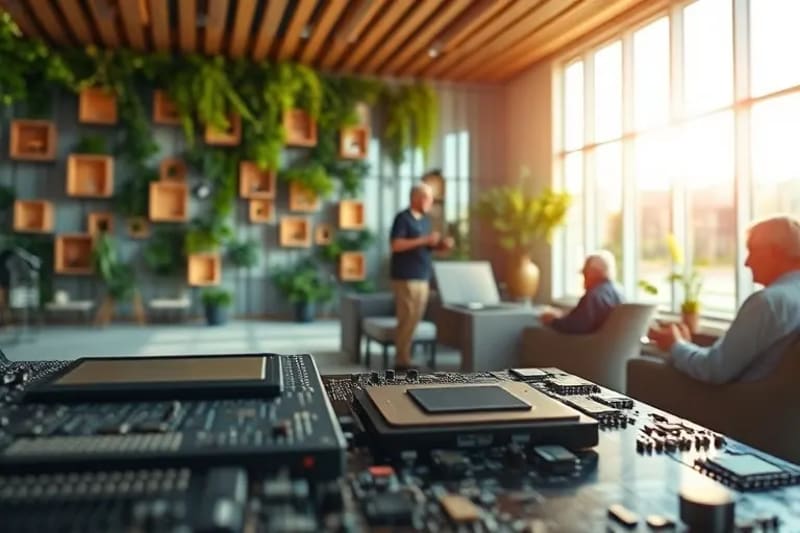 Precursors intellectuales, diagramas fundamentales y representaciones conceptuales que forjaron la visión de la Neuroarquitectura sobre el Bienestar Cognitivo y la Longevidad.
Fuente visual sujeta a disponibilidad del ecosistema: Wikimedia Commons bajo licencia CC BY-SA 4.0 o renderizado conceptual IA.
This article delves into the core tenets of neuroarchitecture, exploring how specific design elements can influence neural pathways, enhance memory, improve focus, and reduce the physiological markers of stress. We will examine the scientific evidence underpinning these claims, from the impact of natural light on circadian rhythms to the role of biophilic design in promoting mental restoration. Furthermore, we will discuss the practical applications of neuroarchitectural principles in various settings, including residential homes, healthcare facilities, and urban planning, highlighting innovative solutions that are already shaping the future of healthy aging. The goal is to provide a comprehensive understanding of how intentionally designed spaces can become active participants in our journey toward sustained cognitive vitality and extended longevity.
Table of Contents
- Understanding Neuroarchitecture and Longevity
- Key Principles of Cognitive-Enhancing Design
- Sensory Integration and Brain Health
- Biophilic Design for Sustained Well-being
- Technological Integration and Ethical Considerations
- Case Studies: Real-World Applications
- Challenges and Future Directions in Neuroarchitectural Research
Understanding Neuroarchitecture and Longevity
Neuroarchitecture is an emerging discipline that bridges neuroscience and architectural design, aiming to create environments that positively impact brain function and human behavior. It moves beyond traditional architectural concerns by incorporating scientific research on how physical spaces affect our emotions, cognition, and overall health. The core premise is that our brains are constantly interacting with our surroundings, and these interactions have measurable physiological and psychological consequences.
For longevity, this means designing spaces that support cognitive reserve, reduce chronic stress, and encourage physical activity and social engagement. Chronic stress, for instance, has been linked to accelerated cellular aging and an increased risk of neurodegenerative diseases. Environments that promote relaxation and mental restoration can therefore play a crucial role in extending healthy lifespans. By understanding the neural mechanisms underlying perception and behavior, neuroarchitects can craft spaces that are not only aesthetically pleasing but also therapeutically beneficial.
The concept of "environmental enrichment" from neuroscience, originally studied in animal models, suggests that complex and stimulating environments can lead to increased neurogenesis and synaptic plasticity. Translating this to human habitats involves creating spaces that offer appropriate levels of novelty, challenge, and comfort, without inducing sensory overload. This delicate balance is key to fostering a brain-healthy environment that supports cognitive function throughout the lifespan.
Key Principles of Cognitive-Enhancing Design
Several fundamental principles guide neuroarchitectural design for cognitive longevity. These principles are rooted in empirical research and aim to optimize various aspects of brain function.
- Natural Light Optimization: Exposure to natural light, particularly dynamic light mimicking outdoor conditions, is crucial for regulating circadian rhythms. Disrupted circadian rhythms are linked to sleep disturbances, mood disorders, and cognitive impairment, all of which can impact longevity. Design strategies include large windows, skylights, and light shelves to maximize daylight penetration and minimize reliance on artificial lighting.
- Acoustic Comfort: Unwanted noise is a significant stressor that can impair concentration and increase anxiety. Neuroarchitectural design prioritizes soundscapes that support cognitive tasks and promote relaxation. This involves using sound-absorbing materials, strategic spatial planning to minimize noise transmission, and incorporating natural sounds where appropriate.
- Spatial Layout and Wayfinding: Clear, intuitive spatial organization reduces cognitive load and stress, especially for older adults or individuals with cognitive decline. Design elements such as distinct landmarks, logical pathways, and visual cues enhance wayfinding and promote a sense of control and independence.
- Materiality and Texture: The tactile and visual qualities of materials can evoke specific emotional and cognitive responses. Natural materials like wood, stone, and wool are often associated with comfort, warmth, and a sense of grounding, contributing to a restorative environment.
- Color Psychology: Different colors can elicit distinct psychological and physiological effects. For instance, cool colors like blues and greens are often associated with calmness and focus, while warmer colors like yellows and oranges can stimulate creativity and social interaction. Strategic color application can influence mood and cognitive performance.
Sensory Integration and Brain Health
The brain processes sensory information from our environment to construct our perception of reality. Neuroarchitecture leverages this understanding by designing for optimal sensory integration, which is vital for maintaining cognitive health and preventing sensory deprivation or overload. A balanced sensory environment can enhance neural processing efficiency and reduce cognitive fatigue.
For example, the strategic use of varied textures in flooring or wall coverings can provide subtle tactile stimulation, engaging neural pathways associated with sensory processing. Similarly, incorporating diverse visual stimuli, such as art or dynamic views of nature, can prevent visual monotony and encourage exploratory behavior. Olfactory cues, often overlooked, also play a significant role; pleasant, natural scents can reduce stress and evoke positive memories, impacting overall well-being.
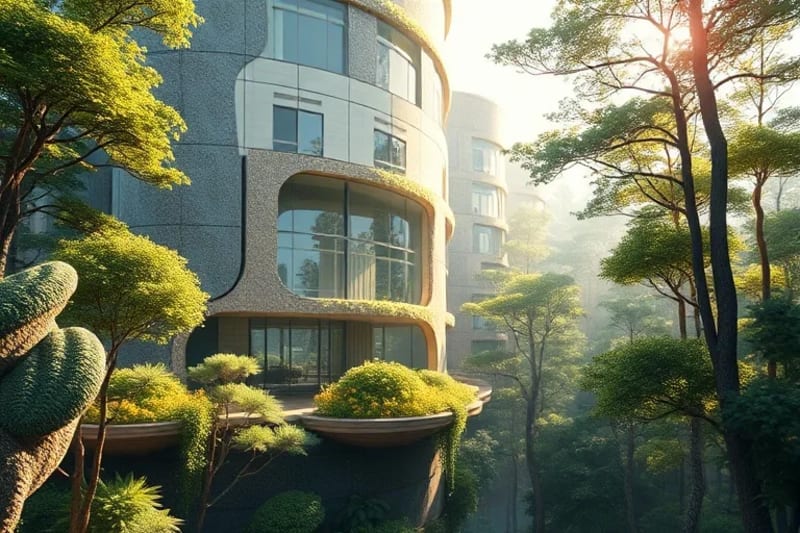 The integration of natural elements into architectural design fosters a deeper connection with the environment, promoting mental restoration and cognitive vitality.
The concept of "restorative environments" is central to sensory integration. These are spaces designed to help individuals recover from mental fatigue and stress by providing opportunities for fascination, being away, extent, and compatibility. Natural settings are prime examples of restorative environments, but urban spaces can also be designed with these principles in mind. By consciously manipulating sensory inputs, neuroarchitecture aims to create spaces that are not just functional but also inherently restorative and cognitively supportive.
Biophilic Design for Sustained Well-being
Biophilic design, a key component of neuroarchitecture, posits that humans have an innate tendency to connect with nature. Incorporating natural elements and processes into the built environment has profound positive effects on cognitive function, emotional regulation, and physical health. Research consistently shows that exposure to nature reduces stress hormones, lowers blood pressure, and improves attention and memory. This makes biophilic design particularly relevant for promoting longevity and well-being in aging populations.
Elements of biophilic design include direct contact with nature (e.g., indoor plants, natural light, views of green spaces), indirect contact (e.g., natural materials, colors, patterns that mimic nature), and spatial conditions (e.g., prospect and refuge, organized complexity). For example, a hospital room with a view of a garden can lead to faster patient recovery and reduced pain medication use compared to a room with a view of a brick wall. In residential settings, access to green spaces and natural light can significantly enhance mood and cognitive performance.
Moreover, the fractal patterns often found in nature have been shown to induce a state of relaxed wakefulness, reducing physiological stress. Integrating such patterns into architectural facades or interior design can provide subtle but powerful cognitive benefits. The goal is to create environments that evoke the restorative qualities of nature, even within urban or indoor settings, thereby supporting sustained mental and physical health over time.
Technological Integration and Ethical Considerations
The integration of smart technologies offers new frontiers for neuroarchitectural design, allowing for dynamic and adaptive environments. Sensors can monitor occupancy, light levels, temperature, and even air quality, adjusting the environment in real-time to optimize comfort and cognitive performance. Personalized lighting systems, for instance, can mimic natural light cycles, supporting individual circadian rhythms and improving sleep quality. Advanced sound systems can generate white noise or natural soundscapes to enhance focus or promote relaxation. However, this technological integration also raises important ethical considerations.
 Conceptual representation of the intricate interplay between neurological processes and the structural elements of a designed space, highlighting future possibilities.
The collection and use of personal data, such as movement patterns, sleep cycles, and even physiological responses to environmental stimuli, must be handled with utmost care. Ensuring privacy, data security, and user consent are paramount. As we explore the potential of Ethical AI: Avoiding Bias, Algorithmic Transparency in these smart environments, it becomes crucial to design systems that are transparent, fair, and empower users rather than control them. The goal is to create responsive environments that support autonomy and well-being, not surveillance.
Furthermore, the environmental impact of these technologies must be considered. Sustainable design practices, such as those promoted by Green Software Engineering: Sustainable Technological Development, are essential to ensure that neuroarchitectural solutions contribute to overall planetary health, not just individual well-being. The long-term viability of smart buildings depends on their energy efficiency, material sourcing, and end-of-life considerations. Balancing technological advancement with ethical responsibility and environmental stewardship is a complex but necessary challenge for the future of neuroarchitecture.
Case Studies: Real-World Applications
The principles of neuroarchitecture are increasingly being applied in diverse settings, demonstrating tangible benefits for cognitive function and well-being. One notable area is healthcare design, particularly in facilities for individuals with dementia or Alzheimer's disease. Designs that incorporate clear wayfinding, sensory gardens, and non-institutional aesthetics have been shown to reduce agitation, improve sleep patterns, and enhance social interaction among residents.
In educational environments, neuroarchitectural approaches focus on creating classrooms that optimize attention and learning. This includes maximizing natural light, controlling acoustics to minimize distractions, and using flexible furniture arrangements to support various learning styles. Studies have indicated that students in classrooms with better daylighting and air quality perform better on standardized tests and exhibit fewer behavioral issues.
Residential design is another fertile ground for neuroarchitectural innovation. Homes are being designed with features like adaptable layouts for aging in place, integrated biophilic elements, and smart home systems that learn and respond to occupant needs. These designs aim to create supportive environments that reduce cognitive load, promote independence, and foster a sense of security and comfort as individuals age. The legal frameworks surrounding these smart home integrations, particularly concerning data privacy and consumer rights, are evolving, as seen in discussions around Digital Consumer Law: Guarantees, Online Transactions, Platforms.
Urban planning is also beginning to embrace neuroarchitectural concepts, designing public spaces, parks, and streetscapes that encourage physical activity, social cohesion, and mental restoration. This involves creating walkable neighborhoods, integrating green infrastructure, and designing public art that stimulates cognitive engagement. These large-scale applications aim to create entire communities that are conducive to healthy aging and overall well-being.
Challenges and Future Directions in Neuroarchitectural Research
Despite its promising potential, neuroarchitecture faces several challenges. One significant hurdle is the need for more rigorous, long-term empirical research to establish direct causal links between specific design interventions and cognitive outcomes. While correlational studies abound, robust experimental designs are required to provide irrefutable evidence that can inform architectural standards and policy. This often involves interdisciplinary collaboration between neuroscientists, architects, psychologists, and urban planners, which can be complex to coordinate.
Another challenge lies in the practical implementation of neuroarchitectural principles. Integrating these concepts often requires higher initial investment in design and materials, which can be a barrier for developers and homeowners. Educating the public and industry professionals about the long-term benefits and return on investment (e.g., reduced healthcare costs, increased productivity, enhanced quality of life) is crucial for broader adoption. Furthermore, the subjective nature of human experience means that what is cognitively enhancing for one individual may not be for another, necessitating adaptable and personalized design solutions.
Future directions in neuroarchitectural research include the development of sophisticated biometric and neuroimaging tools to measure real-time brain responses to environmental stimuli. This could lead to highly personalized and adaptive spaces that respond dynamically to an individual's cognitive and emotional state. Further exploration into the impact of virtual and augmented reality on cognitive well-being within built environments also holds significant promise. As our understanding of the brain continues to evolve, so too will our capacity to design spaces that not only house us but actively nurture our minds and extend our healthy lives.
The integration of neuroscientific insights into architectural practice is not merely an academic exercise; it is a fundamental shift towards creating environments that are intrinsically aligned with human biology and psychology. By prioritizing brain health and cognitive well-being in design, we can craft spaces that empower individuals to live longer, healthier, and more engaged lives, ultimately contributing to a more resilient and vibrant society.
Explore Further: Related Insights
Source: Hybrid content assisted by AI and human editorial supervision.


Comentarios