
Neuroarchitecture Cognitive Well-being: Designing Healthy Spaces
Neuroarchitecture for Cognitive Well-being: Designing Healthy Spaces
Neuroarchitecture represents a groundbreaking interdisciplinary field that bridges the gap between neuroscience and architectural design. It delves into how the built environment profoundly influences human brain function, behavior, and overall well-being. This innovative approach moves beyond mere aesthetics and functionality, aiming to create spaces that actively support cognitive processes, enhance emotional states, and foster a healthier, more productive human experience.
The core premise of neuroarchitecture is that our surroundings are not neutral backdrops but active participants in shaping our mental and physical health. From the layout of a room to the color of its walls, every design choice can have a measurable impact on our stress levels, focus, memory, and even our social interactions. Understanding these intricate connections allows architects and designers to craft environments that are not only visually appealing but also neurologically beneficial.
 Precursors intellectuales, diagramas fundamentales y representaciones conceptuales que forjaron la visión de la neuroarquitectura sobre el diseño de espacios saludables.
Fuente visual sujeta a disponibilidad del ecosistema: Wikimedia Commons bajo licencia CC BY-SA 4.0 o renderizado conceptual IA.
This field draws upon a wealth of scientific research, including studies on sensory perception, cognitive psychology, environmental psychology, and neuroimaging. By integrating these insights, neuroarchitects can make informed decisions about spatial organization, material selection, lighting design, and acoustic properties to optimize human performance and well-being. It is a holistic approach that recognizes the profound and often subconscious ways in which our physical environment interacts with our biological and psychological makeup.
Table of Contents
- Foundational Principles of Neuroarchitecture
- Key Elements of Neuroarchitectural Design
- Impact on Cognitive Functions and Well-being
- Applications Across Various Settings
- Challenges and Future Directions
- Conclusion: Shaping Our Future Environments
Foundational Principles of Neuroarchitecture
The discipline of neuroarchitecture is built upon several core principles that guide the design process. These principles are rooted in understanding human biology, psychology, and our evolutionary relationship with space. One fundamental concept is biophilia, the innate human tendency to connect with nature and other living systems. Incorporating natural elements, views of greenery, and natural light has been shown to reduce stress, improve mood, and enhance cognitive performance.
Another critical principle involves sensory engagement. Our brains constantly process information from our environment through sight, sound, touch, and even smell. Neuroarchitecture seeks to optimize these sensory inputs to create stimulating yet calming spaces. For instance, managing acoustics to reduce noise pollution can significantly improve concentration and reduce cognitive load, while tactile materials can provide a sense of comfort and grounding.
Spatial configuration and wayfinding are also central. The layout of a building can influence our sense of orientation, safety, and social interaction. Clear sightlines, intuitive pathways, and varied spatial experiences can reduce anxiety and promote exploration. Conversely, confusing or claustrophobic spaces can trigger stress responses and impair cognitive function. The design must support natural human movement and interaction patterns.
 Illustrating the brain's interaction with thoughtfully designed spaces, fostering clarity and creativity.
The concept of "restorative environments" is also key. These are spaces designed to help individuals recover from mental fatigue and stress. They often feature elements of nature, opportunities for quiet reflection, and a sense of escape from daily pressures. Understanding the brain's need for both stimulation and rest is crucial for creating balanced environments that support long-term well-being.
Key Elements of Neuroarchitectural Design
Several specific design elements are leveraged in neuroarchitecture to achieve desired cognitive and emotional outcomes. Each element is chosen based on its scientifically proven impact on the human brain.
- Natural Light: Access to natural light is paramount. It helps regulate circadian rhythms, which in turn improves sleep quality, mood, and alertness. Spaces with ample natural light have been linked to higher productivity in offices and faster recovery rates in hospitals.
- Biophilic Design: Integrating natural elements like indoor plants, water features, natural materials (wood, stone), and views of green spaces. Biophilic design reduces stress, enhances creativity, and improves overall well-being.
- Acoustics: Managing sound is crucial. Excessive noise can impair concentration and increase stress. Neuroarchitecture employs sound-absorbing materials, strategic layouts, and even white noise or natural soundscapes to create environments conducive to focus and relaxation.
- Color Psychology: Colors evoke specific emotional and psychological responses. Cool colors like blue and green can promote calmness and focus, while warm colors like yellow and orange can stimulate creativity and energy. Careful color selection is vital for setting the right mood in different areas.
- Spatial Configuration: The layout of rooms, corridors, and open spaces affects movement, privacy, and social interaction. Design that offers a balance of open collaborative areas and private contemplative zones supports diverse human needs.
- Materiality: The choice of materials impacts tactile experience, air quality, and even perceived comfort. Natural, non-toxic materials contribute to a healthier indoor environment and can evoke a sense of warmth and authenticity.
- Ergonomics and Comfort: Furniture and fixtures designed for comfort and proper posture reduce physical strain, which in turn supports mental well-being and sustained attention.
These elements are not applied in isolation but are integrated holistically to create a cohesive and neurologically supportive environment. For instance, a space designed for deep work might combine cool colors, excellent acoustic control, and ergonomic furniture, alongside a view of nature to reduce mental fatigue.
Impact on Cognitive Functions and Well-being
The direct impact of neuroarchitecture on cognitive functions and overall well-being is a primary area of research and application. By consciously designing spaces, we can observe measurable improvements in various aspects of human experience.
- Enhanced Focus and Productivity: Environments with optimal lighting, minimal distractions, and comfortable temperatures can significantly improve concentration and reduce cognitive errors. This is particularly relevant in educational and professional settings, where sustained attention is critical.
- Stress Reduction: Biophilic elements, calming color palettes, and quiet zones help lower cortisol levels and promote relaxation. Access to nature, even through a window, has been shown to reduce psychological stress and improve emotional regulation.
- Improved Mood and Emotional Regulation: Spaces that feel safe, aesthetically pleasing, and connected to the outside world can elevate mood and foster positive emotions. Conversely, poorly designed spaces can induce feelings of anxiety, frustration, or depression.
- Memory and Learning: Well-organized spaces with clear visual cues and intuitive navigation can aid memory recall and learning processes. The absence of cognitive clutter allows the brain to allocate more resources to learning and retention.
- Creativity and Innovation: Diverse spatial experiences, access to natural light, and opportunities for both collaboration and individual reflection can stimulate creative thinking. Spaces that encourage movement and interaction can also spark new ideas.
- Social Interaction and Connection: Thoughtful layouts can facilitate positive social interactions, fostering a sense of community and belonging. Conversely, isolating or overly dense environments can lead to feelings of alienation or discomfort.
The scientific evidence supporting these impacts continues to grow, emphasizing the importance of designing with the human brain in mind. For example, studies on hospital design have shown that patients in rooms with natural views recover faster and require less pain medication, directly linking environmental design to physiological and psychological outcomes. This holistic view of design is essential for creating truly healthy and supportive environments.
Applications Across Various Settings
Neuroarchitecture principles are being applied across a wide range of settings, demonstrating their versatility and effectiveness in addressing specific human needs.
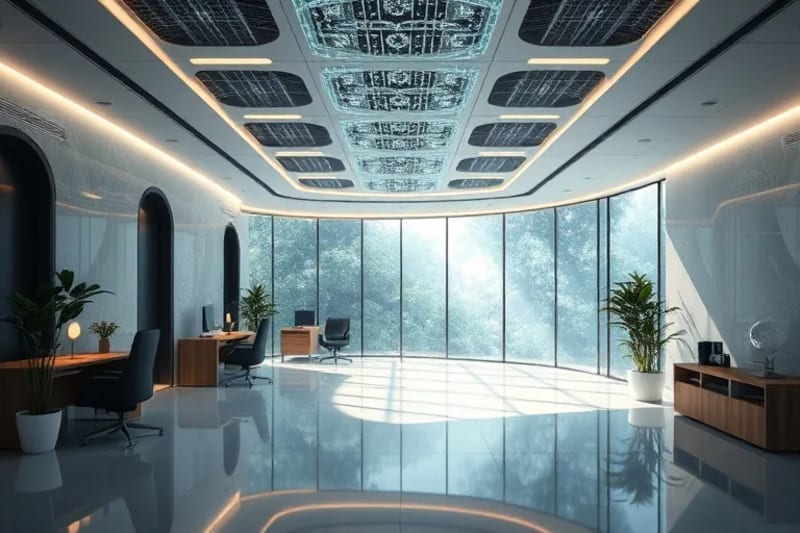 A futuristic office environment designed with advanced materials for acoustic comfort and optimal air quality.
- Workplaces: Offices are being redesigned to promote productivity, reduce stress, and foster collaboration. This includes incorporating flexible workspaces, natural light, biophilic elements, and advanced acoustic solutions. The goal is to create environments where employees feel energized and focused, leading to better performance and reduced burnout. Understanding how to evaluate performance in such optimized settings becomes crucial for demonstrating ROI.
- Healthcare Facilities: Hospitals and clinics are leveraging neuroarchitecture to create healing environments. Features like natural light, views of nature, calming colors, and reduced noise levels contribute to faster patient recovery, reduced anxiety, and improved staff well-being. This approach aligns with the broader goal of holistic patient care.
- Educational Institutions: Schools and universities are designing learning spaces that enhance concentration, creativity, and social development. This involves optimizing classroom layouts, lighting, and acoustics, as well as integrating outdoor learning areas. A well-designed classroom can significantly impact a student's ability to learn and retain information, mirroring the visionary concepts seen in the development of early computational thinking.
- Residential Homes: Even homes can benefit from neuroarchitectural principles. Designing living spaces with optimal light, comfortable temperatures, natural materials, and a clear separation between rest and activity zones can enhance family well-being, reduce household stress, and improve sleep quality.
- Public Spaces: Parks, plazas, and urban infrastructures are being designed to promote mental restoration and social interaction. This includes creating green spaces, comfortable seating, and intuitive wayfinding. The principles of urban green infrastructure are inherently aligned with neuroarchitectural goals.
These applications highlight the potential of neuroarchitecture to positively transform human experience across virtually every aspect of daily life. The integration of scientific insights into design is creating a new paradigm for how we conceive and construct our environments.
Challenges and Future Directions
Despite its promising potential, neuroarchitecture faces several challenges. One significant hurdle is the need for more rigorous, long-term scientific studies to definitively quantify the impact of specific design interventions on neurological and psychological outcomes. While anecdotal evidence and smaller studies are compelling, large-scale, controlled research is essential for widespread adoption and validation.
Another challenge lies in the interdisciplinary nature of the field. It requires architects, neuroscientists, psychologists, and urban planners to collaborate effectively, often bridging gaps in terminology, methodologies, and professional cultures. This integration demands new educational programs and professional development pathways to foster a new generation of neuroarchitects.
Cost can also be a barrier. Implementing neuroarchitectural principles, especially those involving advanced materials, smart lighting systems, or extensive biophilic integration, can sometimes be more expensive than conventional construction. Demonstrating the long-term return on investment (ROI) in terms of improved health, productivity, and well-being is crucial for convincing clients and developers.
Looking to the future, neuroarchitecture is poised for significant growth. Advancements in wearable technology and neuroimaging techniques will allow for more precise measurement of environmental impacts on the brain in real-time. This data-driven approach will refine design principles and lead to even more effective interventions. The integration of smart building technologies, which can adapt lighting, temperature, and even scent based on occupant needs, represents another exciting frontier. As our understanding of the brain deepens, so too will our capacity to design spaces that truly nurture the human mind.
Conclusion: Shaping Our Future Environments
Neuroarchitecture offers a transformative vision for how we interact with our built environments. By consciously applying insights from neuroscience, we can move beyond merely constructing buildings to creating spaces that actively promote cognitive well-being, emotional balance, and physical health. This holistic approach recognizes that our surroundings are not passive backdrops but dynamic forces that shape who we are and how we feel.
As urban populations grow and the demands of modern life intensify, the need for spaces that support human flourishing becomes ever more critical. Neuroarchitecture provides the framework for designing cities, workplaces, homes, and healing environments that are not just functional or aesthetically pleasing, but profoundly beneficial for the human mind. It represents a paradigm shift, inviting us to build a future where every space contributes positively to our collective well-being.
The ongoing research and practical applications in this field promise a future where our environments are intuitively designed to support our best selves, fostering a healthier, more productive, and more harmonious existence for all.
Explore More Insights:
- Maritime Assistance and Salvage: Legal and Ethical Aspects
Delve into the complex legal and ethical considerations surrounding maritime assistance and salvage operations.
- Extreme Meteorological Phenomena: Science Behind Tornadoes Hurricanes
Uncover the scientific principles driving extreme weather events like tornadoes and hurricanes.
- Neurotheology Mysticism: Divine Brain Spiritual Experience
Investigate the fascinating intersection of neuroscience and spiritual experiences in the field of neurotheology.
- Techno-Shamanism Digital Tools Modern Spiritual Healing
Discover how digital tools are being integrated into modern spiritual healing practices, creating a new form of techno-shamanism.
- Digital Cryptozoology: Scientific Online Search for Creatures
Explore the modern scientific approach to cryptozoology, leveraging digital tools for the search of mythical creatures.
Source: Hybrid content assisted by AI and human editorial supervision.


Comentarios