
Neuro-rights Privacy Mind Protecting Digital Consciousness
As humanity advances further into the digital age, the boundaries between our biological selves and technological interfaces become increasingly blurred. The rapid evolution of neurotechnology, artificial intelligence, and brain-computer interfaces (BCIs) presents unprecedented opportunities for understanding and enhancing the human mind. However, these advancements also introduce profound ethical and legal challenges, particularly concerning the privacy and autonomy of our mental lives. This emerging field of concern has given rise to the concept of neuro-rights: fundamental human rights designed to protect the brain and its activity from unauthorized intrusion, manipulation, and commercial exploitation.
Neuro-rights are not merely an academic exercise; they represent a proactive attempt to address the potential societal impact of technologies that can read, write, and modulate brain activity. From diagnostic tools that map neural pathways to therapeutic devices that alleviate neurological disorders, and even consumer-grade wearables that monitor brain states, the ability to access and influence the mind is no longer the stuff of science fiction. Protecting our digital consciousness is paramount, ensuring that these powerful tools serve humanity's well-being without infringing upon individual sovereignty.
Table of Contents
- What Are Neuro-rights?
- The Rise of Neurotechnology
- Key Pillars of Neuro-rights
- Ethical and Legal Landscape
- International Initiatives
- Challenges and Future Outlook
- Conclusion
What Are Neuro-rights?
Neuro-rights are a new class of human rights designed to safeguard the brain and its cognitive processes from the potential misuse of neurotechnology. They aim to protect fundamental aspects of human identity, autonomy, and privacy in an era where technology can directly interact with the brain. These rights seek to ensure that individuals retain control over their own minds, thoughts, and emotions, especially as neuro-technological capabilities expand.
The concept was initially proposed by a group of neuroscientists, ethicists, and legal scholars who recognized the urgent need for a legal and ethical framework to govern emerging neurotechnologies. They argued that existing human rights frameworks, developed before the advent of sophisticated brain interfaces, are insufficient to address the unique challenges posed by these new capabilities. Neuro-rights, therefore, represent an extension and adaptation of traditional human rights to the neuro-technological frontier, ensuring that our core humanity remains protected.
The Rise of Neurotechnology and Digital Consciousness
The rapid proliferation of neurotechnologies is the primary catalyst for the neuro-rights movement. These technologies encompass a wide range of devices and methods that directly interact with the nervous system, particularly the brain. Examples include brain-computer interfaces (BCIs) that allow individuals to control external devices with their thoughts, neuroimaging techniques like fMRI and EEG that can map brain activity, and neuromodulation devices that can alter brain function for therapeutic or enhancement purposes.
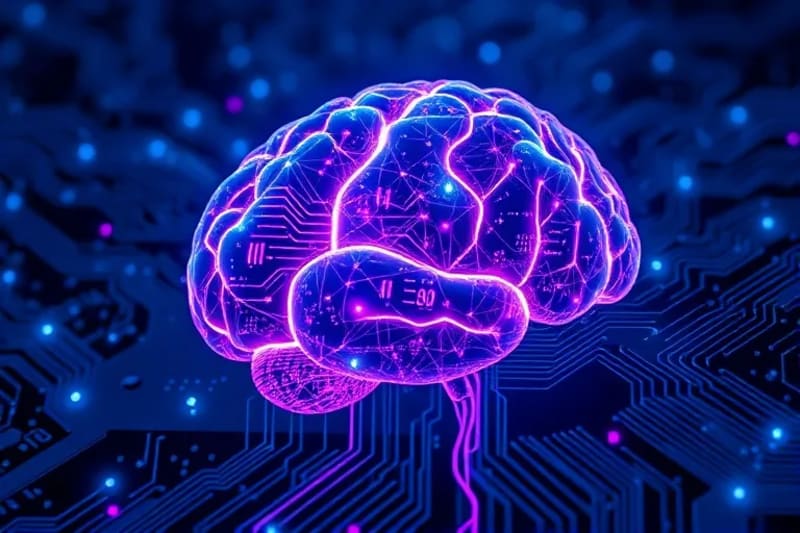 Precursors, conceptual diagrams, and abstract representations that illustrate the complex interplay between the human mind and emerging digital technologies.
Fuente visual sujeta a disponibilidad del ecosistema: Wikimedia Commons bajo licencia CC BY-SA 4.0 o renderizado conceptual IA.
These technologies are not confined to medical or research settings. Consumer-grade neuro-wearables are increasingly available, offering insights into sleep patterns, stress levels, and even cognitive performance. While promising significant benefits, such as restoring motor function for paralyzed individuals or enhancing cognitive abilities, they also raise serious questions about who has access to our most intimate data – our thoughts and emotions. The concept of a "digital consciousness" emerges, where our mental processes can be recorded, analyzed, and potentially influenced by external systems, making the need for robust ethical and legal safeguards critical.
The integration of neurotechnology with artificial intelligence further amplifies these concerns. AI algorithms can process vast amounts of neural data, identifying patterns and correlations that even we might not be aware of. This capability could lead to highly personalized interventions but also to unprecedented forms of surveillance, manipulation, or discrimination based on brain activity. Understanding the implications of this convergence is essential for protecting individual autonomy in the digital age, much like understanding Blockchain Decentralized Governance: Beyond Finance Social Impact is crucial for digital trust.
Key Pillars of Neuro-rights
While the specific formulation of neuro-rights is still evolving, several core principles have gained significant traction among proponents. These pillars aim to address distinct aspects of mental autonomy and integrity in the face of neurotechnological advancements. They form the bedrock of a future legal framework designed to protect our inner world.
- Right to Mental Privacy: This right ensures that individuals have control over their neural data and the privacy of their thoughts and emotions. It prohibits unauthorized access, collection, use, or disclosure of brain data. Just as we protect our personal data in the digital realm, our mental data requires even stricter safeguards.
- Right to Cognitive Liberty: This principle protects an individual's freedom to make their own decisions about their mental processes and to choose whether or not to use neurotechnology. It includes the right to refuse neuro-enhancements and to maintain one's mental autonomy without coercion or undue influence.
- Right to Mental Integrity: This right protects individuals from unauthorized manipulation or alteration of their mental processes by external technologies. It safeguards against technologies that could induce thoughts, emotions, or behaviors without consent, ensuring the security of one's mental state.
- Right to Psychological Continuity: This right aims to protect an individual's sense of self and personal identity from being altered or disrupted by neurotechnological interventions. It recognizes that our psychological continuity is fundamental to who we are and should not be inadvertently or intentionally compromised.
- Right to Fair Access to Neuro-enhancement: While not universally agreed upon as a core neuro-right, some scholars advocate for equitable access to beneficial neurotechnologies, preventing a "neuro-divide" where only the wealthy can afford cognitive enhancements, potentially exacerbating social inequalities.
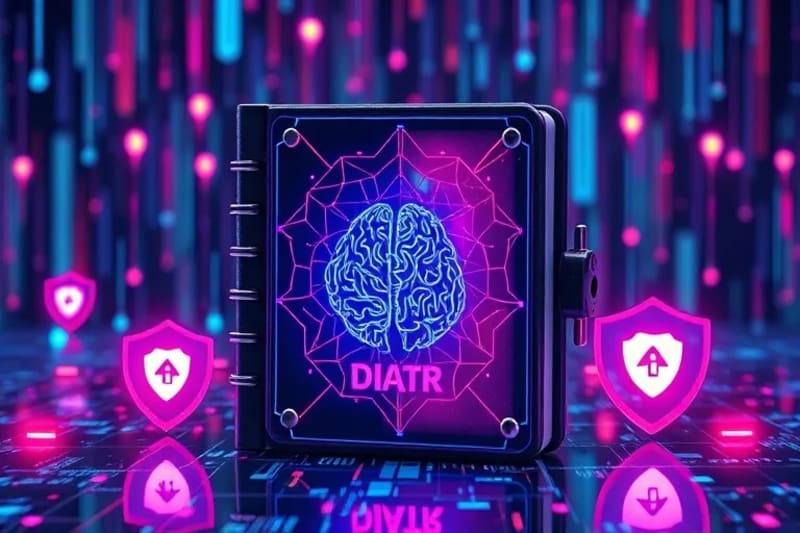 Conceptual representation of mental privacy, emphasizing the protection of individual thoughts and neural data.
These rights are interdependent and collectively form a comprehensive framework for ethical neurotechnology development and deployment. They acknowledge the dual nature of technological progress: immense potential for good, alongside significant risks if left unregulated. The discussions around these pillars draw parallels with the evolving legal landscape surrounding digital assets and virtual environments, such as the challenges explored in Metaverse Law: Jurisdiction, Virtual Property, Legal Challenges.
Ethical and Legal Landscape
The ethical and legal implications of neurotechnology are vast and complex. Existing legal frameworks, such as data protection laws (e.g., GDPR), offer some protection for personal data, but neural data presents unique challenges. Brain activity is not just personal information; it is the very essence of our subjective experience, our personality, and our decision-making processes. Therefore, its protection requires a more nuanced approach than traditional data privacy laws can provide.
One significant concern is the potential for commercial exploitation of neural data. Companies developing neuro-wearables or BCIs could collect vast amounts of information about users' emotional states, attention levels, or even subconscious preferences. This data could be used for targeted advertising, behavioral manipulation, or even in employment and insurance decisions, leading to new forms of discrimination. The commercialization of mental states raises profound questions about ownership and consent, similar to the discussions surrounding Quantum Cybersecurity Critical Infrastructure Post-Quantum Threats and the future of digital security.
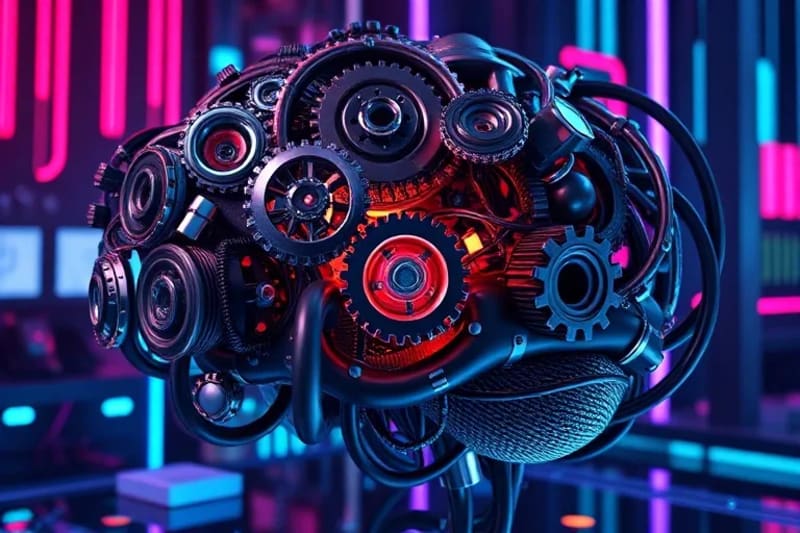 An intricate sculpture representing the fusion of technology and biology, symbolizing the preservation of psychological continuity.
Furthermore, the potential for non-consensual neuro-interventions, whether by state actors or malicious entities, is a chilling prospect. Technologies that can stimulate or suppress brain activity could be used for interrogation, control, or even torture, posing a direct threat to mental integrity and cognitive liberty. The development of neuro-rights is thus a preventative measure, aiming to establish clear red lines before such abuses become widespread. It's about drawing a line in the sand for what is permissible when interacting with the human mind.
International Initiatives and Proposed Frameworks
Recognizing the global nature of neurotechnology and its implications, several international bodies and academic groups have begun to explore the integration of neuro-rights into international law. Chile, for instance, has been a pioneer, becoming the first country to amend its constitution to protect neuro-rights, specifically safeguarding mental integrity and brain activity. This legislative step reflects a growing awareness of the need for explicit legal protections.
The Council of Europe, the United Nations, and UNESCO have also initiated discussions and issued recommendations concerning the ethical governance of neurotechnology. These efforts often involve multidisciplinary panels of experts from neuroscience, ethics, law, and philosophy, working to define the scope and practical implementation of neuro-rights. Their goal is to develop harmonized international standards that can prevent a patchwork of regulations and ensure universal protection for mental autonomy.
Key proposals include the establishment of independent oversight bodies for neurotechnology, mandatory ethical impact assessments for new devices, and strict regulations on the collection and use of neural data. The emphasis is on a precautionary approach, ensuring that innovation proceeds responsibly and with human dignity at its core. This proactive stance is similar to the foresight required in developing Digital Sacred Spaces: Ethical VR & AR Meditation to ensure digital environments are built with ethical considerations from the ground up.
Challenges and Future Outlook
Despite the growing momentum, the implementation of neuro-rights faces significant challenges. Defining what constitutes "mental data" or "cognitive manipulation" can be complex, especially given the nuanced and often subconscious nature of brain activity. The rapid pace of technological development also means that legal frameworks risk becoming outdated quickly. Furthermore, enforcement across international borders, where neurotechnologies might be developed and deployed by different entities under varying legal regimes, presents a formidable hurdle.
Public awareness and education are also critical. Many people are still unaware of the capabilities of modern neurotechnology and the potential threats to their mental privacy. Engaging the public in discussions about these issues is essential to foster a societal consensus on the importance of neuro-rights and to build support for their adoption. Without broad understanding, the ethical implications of these technologies may be overlooked until it is too late.
Looking ahead, the future of neuro-rights will likely involve ongoing dialogue, iterative legal reforms, and robust ethical guidelines. It will require collaboration between governments, industry, academia, and civil society to create a regulatory environment that fosters innovation while rigorously protecting human autonomy. The goal is not to stifle progress but to guide it in a direction that upholds the fundamental dignity and freedom of the human mind.
Conclusion
Neuro-rights represent a crucial frontier in human rights, addressing the profound ethical and legal challenges posed by advanced neurotechnology and artificial intelligence. As our ability to interact with the human brain grows, so too does the imperative to protect mental privacy, cognitive liberty, mental integrity, and psychological continuity. The proactive development and implementation of these rights are essential to ensure that technological progress serves humanity's best interests, rather than undermining our fundamental autonomy and sense of self.
The journey to fully integrate neuro-rights into national and international law will be long and complex, but it is a necessary one. By engaging in thoughtful debate, fostering interdisciplinary collaboration, and promoting public awareness, we can shape a future where the benefits of neurotechnology are realized without compromising the sanctity of the human mind. Protecting our digital consciousness is not just about technology; it's about preserving what makes us human in an increasingly interconnected world.
Explore Related Topics
Source: Hybrid content assisted by AI and human editorial supervision.


Comentarios