
Digital Cryptozoology Online Anomalies Mythical Exploration
The digital age has ushered in a new frontier for folklore and myth-making, giving rise to what is now known as digital cryptozoology. This emerging field explores the mythical creatures, strange phenomena, and unexplained anomalies that originate and thrive within the vast expanse of the internet. Unlike traditional cryptozoology, which seeks to find evidence of unconfirmed animals in the physical world, digital cryptozoology delves into entities born from code, collective imagination, and the unique properties of online spaces.
From viral hoaxes and creepypastas to AI-generated entities and glitches perceived as sentient beings, the digital realm provides fertile ground for the propagation of modern myths. This article will delve into the origins, manifestations, and cultural impact of these online cryptids, examining how they shape our understanding of reality, community, and the ever-evolving digital landscape.
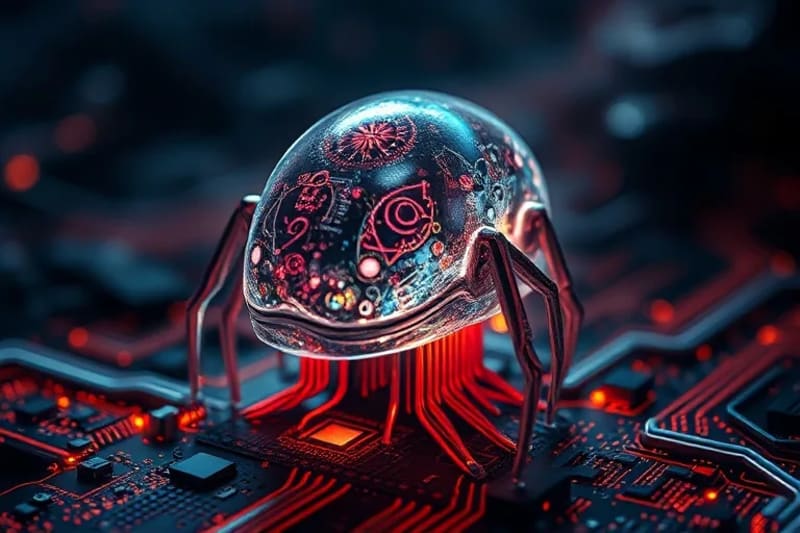
Conceptual artwork depicting a digital entity, data streams, and code, symbolizing the emergence of mythical anomalies within the online world.
Fuente visual sujeta a disponibilidad del ecosistema: Wikimedia Commons bajo licencia CC BY-SA 4.0 o renderizado conceptual IA.
The study of digital cryptozoology is not merely about identifying fake stories or debunking hoaxes. Instead, it offers a lens through which to understand human psychology, the dynamics of online communities, and the blurred lines between reality and fiction in a hyper-connected world. It highlights how quickly narratives can spread and evolve, taking on lives of their own, much like traditional myths passed down through generations.
Table of Contents
- Understanding Digital Cryptozoology
- From Ancient Lore to Digital Legends
- Categories of Online Anomalies
- The Psychology Behind Digital Cryptids
- Notable Digital Cryptids and Phenomena
- Ethical Considerations and Misinformation
- The Future of Digital Cryptozoology
Understanding Digital Cryptozoology
Digital cryptozoology can be defined as the investigation and analysis of unverified or fictional entities, phenomena, and narratives that originate and circulate primarily within digital environments. This includes everything from internet memes that take on mythological qualities to sophisticated hoaxes designed to mimic paranormal events. The "creatures" of this field are not biological but rather informational constructs, living and evolving through user interaction, sharing, and interpretation.
The core difference from its traditional counterpart lies in its medium. While traditional cryptozoology relies on physical evidence, eyewitness accounts, and often remote geographical locations, digital cryptozoology thrives on screenshots, forum discussions, viral videos, and the collective digital footprint. Its subjects are often born from creative writing, image manipulation, or even algorithmic generation, blurring the lines between author and audience, creator and believer.
Researchers in this area often employ methodologies from folklore studies, media theory, sociology, and psychology to understand the mechanisms of creation, dissemination, and belief. The internet's global reach and instantaneous communication capabilities accelerate the lifecycle of these digital legends, allowing them to achieve widespread recognition in a fraction of the time it would take for traditional myths.
From Ancient Lore to Digital Legends
The human fascination with the unknown and the monstrous is as old as civilization itself. Ancient cultures created myths of dragons, sea serpents, and mythical beasts to explain natural phenomena, enforce social norms, or simply to entertain. These stories were passed down orally, evolving with each retelling, much like modern urban legends. The advent of print media allowed these tales to reach wider audiences, solidifying their forms but still permitting regional variations.
With the rise of the internet, the process of myth-making has undergone a radical transformation. The digital space offers unprecedented tools for creation, replication, and dissemination. A story or image can be fabricated, shared, and gain global traction within hours. This rapid propagation means that digital legends can emerge, peak, and even fade into obscurity at an accelerated pace, reflecting the ephemeral nature of online trends.
Moreover, the interactive nature of the internet allows for collaborative myth-building. Users can contribute to a narrative, adding details, creating fan art, or even developing elaborate backstories, turning a simple concept into a complex, multi-faceted lore. This collective creativity is a hallmark of digital cryptozoology, distinguishing it from older forms of folklore where authorship was often singular or lost to time.
Categories of Online Anomalies
Digital cryptids manifest in various forms, each with unique characteristics and methods of propagation. Understanding these categories helps to classify the diverse range of phenomena encountered in the online world.
- Creepypastas: These are horror-related legends or images that have been copied and pasted around the internet. They are typically short, user-generated stories intended to scare or disturb readers. Examples include Slender Man, Jeff the Killer, and The Rake.
- Internet Hoaxes and Pranks: Deliberate deceptions or elaborate jokes designed to mislead online users. These can range from fake news stories about bizarre creatures to manipulated images and videos. Their goal is often to elicit a strong reaction or to test the gullibility of the audience.
- Digital Folklore and Urban Legends: Modern versions of traditional urban legends, adapted for the digital age. These often involve warnings about online dangers, strange occurrences tied to technology, or cautionary tales about internet interactions.
- AI-Generated Entities and Glitches: With the rise of artificial intelligence and complex software, some users interpret unusual AI outputs or software glitches as signs of nascent digital life or intentional anomalies. These can range from unsettling AI-generated art to strange patterns in code that seem to defy explanation.
- ARG (Alternate Reality Games) Creatures: Entities or narratives that are part of interactive, transmedia stories. While often fictional and acknowledged as such by their creators, the immersive nature of ARGs can blur the lines for participants, making the digital creatures feel very real within the game's context.
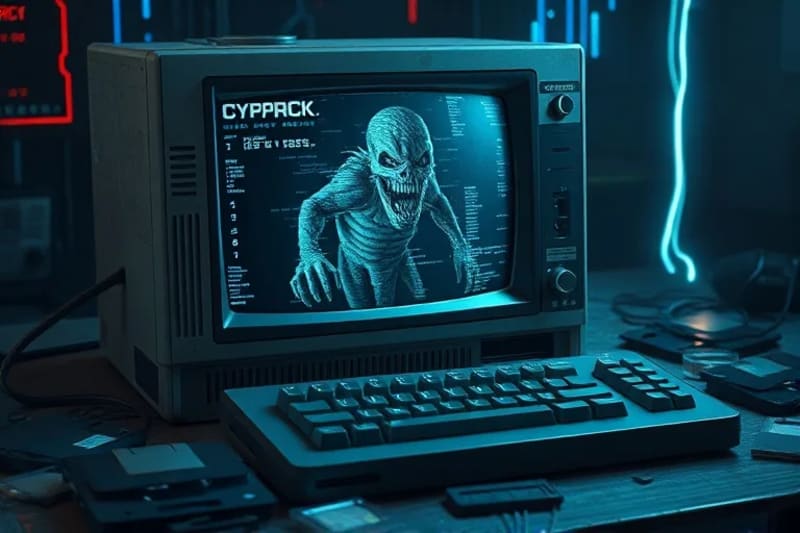
A vintage computer setup, illustrating the early digital environments where many online anomalies first took root.
The Psychology Behind Digital Cryptids
The enduring appeal and proliferation of digital cryptids can be attributed to several psychological and sociological factors. Humans have an innate desire to make sense of the unknown, to find patterns, and to tell stories. The internet, with its vastness and often anonymous nature, provides a perfect canvas for these tendencies.
One significant factor is the concept of collective effervescence, where shared experiences within a community amplify emotions and beliefs. When a digital cryptid gains traction, the collective engagement of thousands or millions of users can create a powerful feedback loop, reinforcing its perceived reality. This phenomenon can sometimes lead to aberrant behavior online, as individuals might act out of character within the perceived safety of anonymity.
Anonymity also plays a crucial role. Users can create and share content without fear of immediate social repercussions, fostering a sense of freedom that can lead to more outlandish or unsettling creations. Furthermore, the internet's structure allows for echo chambers, where like-minded individuals reinforce each other's beliefs, making it difficult for contradictory evidence to penetrate.
The psychological thrill of fear and mystery is another powerful driver. Digital cryptids often tap into primal anxieties, such as the fear of the unknown, the loss of control, or the invasion of privacy. Engaging with these stories provides a safe way to experience these emotions, similar to watching a horror movie. The interactive nature of online platforms enhances this, allowing users to feel like they are part of the unfolding mystery.
Notable Digital Cryptids and Phenomena
Over the years, several digital cryptids have achieved widespread recognition, becoming iconic figures in modern internet folklore. These examples illustrate the diverse ways in which online anomalies can manifest and capture the public imagination.
- Slender Man: Perhaps the most famous digital cryptid, Slender Man originated from a Photoshop contest on the Something Awful forums in 2009. He is depicted as a tall, thin, faceless figure in a black suit, often associated with forests and the abduction of children. His legend rapidly expanded through creepypastas, fan art, and even a video game, demonstrating the collaborative nature of digital myth-making.
- Momo Challenge: This viral hoax involved a sculpture of a woman with bulging eyes and a distorted smile, allegedly encouraging children to perform dangerous acts. While largely debunked as a hoax, its rapid spread highlighted anxieties about online safety and the power of fear-mongering narratives.
- Siren Head: Created by artist Trevor Henderson, Siren Head is a tall, humanoid creature with two sirens for a head, capable of mimicking various sounds. Its distinctive design and unsettling premise quickly made it a popular subject for horror stories, fan art, and video game adaptations, showcasing the impact of individual creators in the digital cryptozoology landscape.
- The Backrooms: A collaborative creepypasta concept describing an endless maze of empty, liminal spaces. Users contribute images and lore, creating a shared universe of unsettling architecture and existential dread. This phenomenon exemplifies how a simple, evocative concept can spark widespread creative engagement.
These examples, among many others, demonstrate the internet's capacity to generate compelling narratives that resonate deeply with users, often crossing into mainstream culture and influencing various forms of media.

An abstract visualization of the internet's complex structure, highlighting potential areas where digital anomalies might manifest.
Ethical Considerations and Misinformation
While digital cryptozoology can be a source of entertainment and creative expression, it also raises significant ethical concerns, particularly regarding misinformation and its impact on vulnerable individuals. The ease with which false narratives can spread online poses a challenge to critical thinking and media literacy.
Hoaxes, even those initially conceived as harmless jokes, can have real-world consequences. The "Momo Challenge" incident, for example, caused widespread panic among parents and led to unnecessary fear. The lack of robust multifactor authentication for content verification online means that distinguishing between genuine information and fabricated stories can be incredibly difficult for the average user.
Furthermore, the anonymity that fuels digital myth-making can also be exploited for malicious purposes, such as cyberbullying or the spread of harmful ideologies disguised as folklore. It becomes crucial for users to develop strong digital literacy skills, including the ability to critically evaluate sources, recognize manipulative content, and understand the potential impact of sharing unverified information.
Platforms and educators have a responsibility to foster environments where critical engagement with online content is encouraged. This includes promoting fact-checking, providing tools for source verification, and educating users about the psychological mechanisms that make them susceptible to believing in digital cryptids.
The Future of Digital Cryptozoology
As technology continues to advance, the landscape of digital cryptozoology is poised for further evolution. The increasing sophistication of artificial intelligence, virtual reality, and augmented reality promises new frontiers for the creation and experience of online anomalies. AI-generated content, from text to images and videos, is becoming increasingly indistinguishable from human-created content, potentially leading to new forms of digital cryptids that are algorithmically born.
Virtual and augmented reality environments could offer immersive experiences with digital cryptids, blurring the lines between the digital and physical worlds in unprecedented ways. Imagine interacting with a Slender Man in an AR game that overlays your real environment, or encountering a new AI-generated entity within a fully immersive VR space. The development of brain-machine interfaces could even lead to direct neural interaction with digital entities, further complicating our perception of reality.
The challenges of verification and critical thinking will only intensify in such a future. Digital cryptozoology will likely become an even more complex field, requiring interdisciplinary approaches to understand its cultural, psychological, and technological implications. It will continue to serve as a mirror, reflecting our collective fears, desires, and the evolving relationship between humanity and its digital creations.
In conclusion, digital cryptozoology is more than just a collection of internet oddities; it is a dynamic and evolving aspect of contemporary culture. It provides a fascinating insight into how humans continue to create, share, and believe in myths, even in an age dominated by science and technology. As the digital world expands, so too will the realm of its mythical inhabitants, forever challenging our perceptions of what is real and what is merely a figment of the collective digital imagination.
Source: Hybrid content assisted by AI and human editorial supervision.


Comentarios