
Microplastics Health: Impact, Biohacking Prevention
Microplastics and Human Health: A Deep Dive into Impact and Biohacking Prevention
Microplastics, defined as plastic particles smaller than 5 millimeters, have become an omnipresent environmental contaminant, infiltrating every corner of our planet, from the highest mountains to the deepest oceans. Their ubiquity has raised significant concerns regarding their potential impact on human health. As scientific research progresses, it becomes increasingly clear that these tiny fragments are not merely an environmental nuisance but a direct challenge to our well-being, necessitating innovative approaches for both prevention and mitigation.
This article delves into the intricate world of microplastics, exploring their sources, pathways of human exposure, and the emerging scientific understanding of their health implications. Furthermore, we will examine the role of biohacking – a proactive and personalized approach to optimizing human performance and health – as a potential framework for individual and collective strategies to combat microplastic exposure and its adverse effects. Understanding this complex issue is the first step towards developing effective solutions for a healthier future.
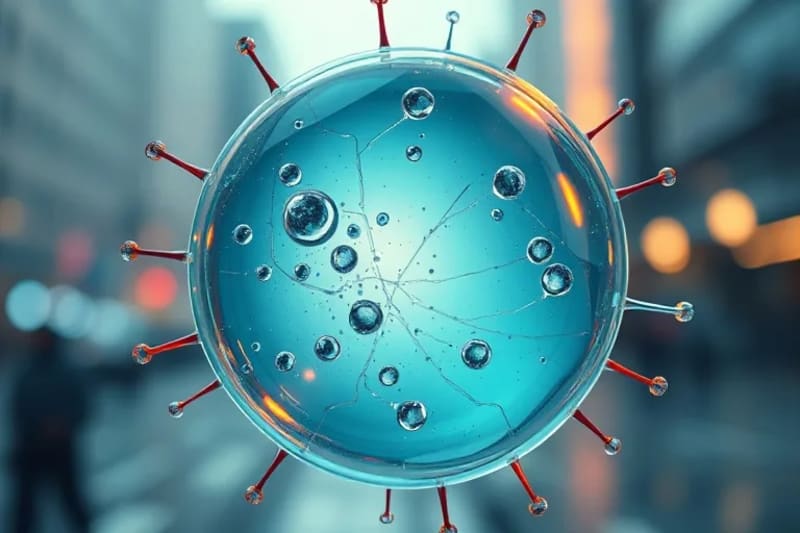
Conceptual visualization of the pervasive nature of microplastics, illustrating their potential to infiltrate human biological systems and the intricate challenges they pose to cellular integrity.
This image is a conceptual AI render, exploring the abstract interaction between synthetic particles and biological structures, reflecting the current scientific inquiry into microplastic impact.
Table of Contents
- What Are Microplastics? Understanding the Tiny Threat
- How Do Microplastics Enter Our Bodies? Pathways of Exposure
- Unraveling the Health Implications: The Scientific Evidence
- Biohacking Against Microplastics: Proactive Strategies
- Beyond Biohacking: Broader Preventative Measures and Policy
- Conclusion: A Call for Awareness and Action
What Are Microplastics? Understanding the Tiny Threat
Microplastics are not a single type of material but a diverse category of plastic fragments, fibers, or pellets ranging from 1 micrometer to 5 millimeters in size. They originate from various sources, broadly categorized into primary and secondary microplastics. Primary microplastics are intentionally manufactured to be small, such as microbeads found in cosmetics and personal care products, or plastic pellets (nurdles) used in industrial manufacturing.
Secondary microplastics, on the other hand, result from the fragmentation of larger plastic items due to environmental degradation processes like UV radiation, wind, and wave action. Common examples include fibers shed from synthetic clothing during washing, particles from tire wear, and fragments from plastic bottles, bags, and packaging. This continuous breakdown means that the problem of microplastic pollution is constantly escalating, even if new plastic production were to cease today.
The chemical composition of microplastics is as varied as their sources, including polyethylene (PE), polypropylene (PP), polyethylene terephthalate (PET), polyvinyl chloride (PVC), and polystyrene (PS). Each type can carry different additives, such as phthalates, bisphenol A (BPA), and flame retardants, which are known endocrine disruptors and can leach into the environment and potentially into biological systems. This chemical complexity adds another layer to their potential toxicity, making comprehensive risk assessment challenging for researchers.
How Do Microplastics Enter Our Bodies? Pathways of Exposure
Human exposure to microplastics is pervasive and occurs through multiple pathways, making it nearly impossible to avoid entirely in modern life. The primary routes of entry include ingestion, inhalation, and, to a lesser extent, dermal contact. Our daily activities and consumption habits inadvertently expose us to these microscopic particles, often without our immediate awareness.
A watercolor interpretation of microplastic infiltration into the human digestive tract, symbolizing the common pathway of ingestion through food and water.
Ingestion: This is arguably the most significant pathway. Microplastics are present in tap water, bottled water, and a wide array of food products. Seafood, particularly shellfish, is a known source, as marine organisms ingest microplastics from their environment. Salt, honey, beer, and even fruits and vegetables have been found to contain microplastic particles. Food preparation and storage, especially using plastic containers, can also contribute to contamination. Studies have shown that the average person could be ingesting thousands of microplastic particles annually, with some estimates suggesting up to a credit card's worth per week.
Inhalation: Microplastics are airborne and can be found in both indoor and outdoor environments. Fibers from synthetic textiles, dust from household items, and particles from tire wear contribute to atmospheric microplastic pollution. When these particles are small enough, they can be inhaled and potentially reach the respiratory system, including the deepest parts of the lungs. The quality of indoor air, often overlooked, can be a significant contributor to microplastic exposure due to synthetic furnishings and clothing.
Dermal Contact: While less studied than ingestion and inhalation, microplastics in personal care products (microbeads) or synthetic clothing can come into direct contact with the skin. The extent to which these particles can penetrate the skin barrier and enter the bloodstream is still under investigation, but it represents another potential route of exposure, particularly for smaller nanoparticles.
Unraveling the Health Implications: The Scientific Evidence
The scientific community is actively researching the potential health impacts of microplastics, and while definitive long-term human studies are still emerging, current evidence from in vitro, in vivo, and epidemiological studies points to several concerning mechanisms of toxicity. The effects are multifaceted, influenced by the size, shape, chemical composition, and concentration of the microplastics, as well as the presence of adsorbed environmental contaminants.
Key areas of concern include:
- Inflammation and Oxidative Stress: Microplastics can trigger inflammatory responses in various tissues. When foreign particles enter the body, the immune system can react, leading to chronic inflammation. This, in turn, can induce oxidative stress, an imbalance between free radicals and antioxidants, which can damage cells and DNA, contributing to various chronic diseases.
- Endocrine Disruption: Many plastic additives, such as phthalates and BPA, are known endocrine-disrupting chemicals (EDCs). These chemicals can leach from microplastics and interfere with the body's hormonal system, potentially affecting reproductive health, metabolism, and neurological development. The combination of the plastic particle and its leached chemicals creates a "Trojan horse" effect, delivering harmful substances directly into the body.
- Gut Microbiome Alterations: The gut microbiome plays a crucial role in human health. Studies suggest that ingested microplastics can alter the composition and function of gut bacteria, potentially leading to dysbiosis. This imbalance can impact digestion, nutrient absorption, immune function, and even mental health.
- Cellular Damage and Toxicity: Microplastics, especially nanoplastics (particles smaller than 100 nanometers), have the potential to cross biological barriers, including cell membranes, the blood-brain barrier, and the placental barrier. Once inside cells, they can cause physical damage, interfere with cellular processes, and induce cytotoxicity. Research has detected microplastics in human organs, including the lungs, liver, spleen, kidneys, and even the placenta, highlighting their systemic distribution.
- Carcinogenesis: While direct evidence linking microplastics to cancer in humans is still limited, the chronic inflammation, oxidative stress, and endocrine disruption they can cause are all known risk factors for cancer development. Further long-term research is critical to fully understand this potential link.
The complexity of microplastic effects is compounded by their ability to adsorb other pollutants from the environment, such as heavy metals, pesticides, and persistent organic pollutants (POPs). These adsorbed toxins can then be transported into the body along with the plastic particles, potentially amplifying their harmful effects. The cumulative exposure to microplastics and their associated chemicals presents a significant public health challenge that requires urgent attention.
Biohacking Against Microplastics: Proactive Strategies
Biohacking, often described as the art and science of optimizing one's biology and well-being through intentional interventions, offers a proactive framework for individuals seeking to mitigate microplastic exposure and its potential health impacts. While complete avoidance is challenging, biohacking principles can empower individuals to reduce their burden and enhance their body's resilience. This approach combines dietary adjustments, lifestyle modifications, and an openness to emerging technologies.
A 3D render depicting advanced biohacking technology for personal environmental purification, symbolizing innovative approaches to mitigate microplastic exposure.
Dietary Strategies:
- Water Filtration: Investing in high-quality water filters (e.g., reverse osmosis, activated carbon) for drinking and cooking water can significantly reduce microplastic intake. Regular testing of water quality can help in selecting the most effective system.
- Whole Foods and Organic Diet: Prioritizing whole, unprocessed foods and organic produce can reduce exposure to packaging-derived microplastics and associated chemical additives. Washing fruits and vegetables thoroughly is also crucial.
- Fiber-Rich Diet: A diet rich in dietary fiber (from fruits, vegetables, legumes, whole grains) supports gut health and may aid in the excretion of ingested particles. Fiber acts as a bulking agent, potentially helping to bind and eliminate microplastics from the digestive tract.
- Antioxidant and Anti-inflammatory Foods: Consuming foods rich in antioxidants (berries, dark leafy greens, nuts) and anti-inflammatory compounds (omega-3 fatty acids, turmeric) can help combat oxidative stress and inflammation potentially induced by microplastics.
- Mindful Seafood Consumption: While seafood is a good protein source, choosing smaller fish lower on the food chain or opting for responsibly sourced, wild-caught options may reduce microplastic exposure compared to certain farmed seafood.
Lifestyle Changes:
- Reduce Plastic Use: Minimize reliance on single-use plastics. Opt for reusable bottles, bags, and containers made from glass, stainless steel, or ceramic. Avoid heating food in plastic containers.
- Air Purification: Use air purifiers with HEPA filters in homes and offices to reduce airborne microplastic fibers and particles. Regular dusting and vacuuming with HEPA-filtered vacuums can also help.
- Laundry Practices: Wash synthetic clothes less frequently, use cold water, and consider using laundry bags designed to capture microfibers. Opt for natural fiber clothing (cotton, wool, linen) when possible.
- Personal Care Products: Avoid cosmetics and personal care products containing microbeads.
Emerging Technologies and Research: The field of biohacking is dynamic, and future solutions may include advanced detoxification protocols or even microbial interventions. Research into enzymatic degradation of plastics and the development of specific probiotics designed to break down or neutralize plastic components in the gut represents exciting, albeit nascent, frontiers. For those interested in broader environmental solutions, understanding circular business models and regenerative startups is crucial, as these innovations aim to tackle plastic pollution at its source, complementing individual biohacking efforts.
Beyond Biohacking: Broader Preventative Measures and Policy
While individual biohacking strategies are vital for personal health, the pervasive nature of microplastic pollution demands systemic changes and broader preventative measures. Addressing this global challenge requires a multi-faceted approach involving industry, government, and collective societal action. No single solution will suffice, highlighting the need for comprehensive strategies that target both the source and the spread of plastic contaminants.
Industry Responsibility: Manufacturers play a critical role in reducing microplastic pollution. This includes:
- Sustainable Design: Developing products with longer lifespans, easier recyclability, and reduced reliance on virgin plastics.
- Elimination of Microbeads: Banning microbeads in personal care products and cosmetics, a measure already adopted by several countries.
- Alternative Materials: Investing in research and development of truly biodegradable and compostable materials that do not fragment into harmful microparticles.
- Improved Waste Management: Funding and implementing advanced recycling technologies and efficient waste collection systems globally to prevent plastic leakage into the environment.
Governmental Regulation and Policy: Governments have a crucial role in establishing frameworks that promote sustainability and penalize pollution. Key policy interventions include:
- Plastic Bans and Taxes: Implementing bans on single-use plastics and introducing taxes on plastic products to incentivize reduction and promote alternatives.
- Extended Producer Responsibility (EPR): Holding producers accountable for the entire lifecycle of their plastic products, including collection and recycling.
- Standardization and Labeling: Developing standardized methods for measuring microplastic content and clear labeling requirements for products to inform consumers.
- Investment in Infrastructure: Allocating resources for improving wastewater treatment plants to better filter microplastics and investing in innovative waste-to-energy solutions.
- International Cooperation: Working with other nations to address transboundary plastic pollution, such as through global treaties and agreements.
Collective Societal Action: Beyond individual biohacking efforts, collective consumer choices and advocacy are powerful drivers of change. Supporting businesses committed to sustainability, participating in clean-up initiatives, and advocating for stronger environmental policies can create a ripple effect. Public awareness campaigns, informed by rigorous data analysis, are essential to educate communities about the risks and empower them to make informed decisions. The more informed and engaged the public becomes, the greater the pressure on industries and governments to act decisively.
Conclusion: A Call for Awareness and Action
The pervasive presence of microplastics in our environment and, consequently, within our bodies, represents one of the most pressing environmental and public health challenges of our time. While the full extent of their long-term health impacts is still being uncovered, the accumulating scientific evidence points to a range of concerning effects, from inflammation and endocrine disruption to cellular damage. This silent invasion demands our immediate attention and concerted action.
Biohacking offers a powerful, personalized toolkit for individuals to proactively reduce their exposure and enhance their body's resilience against microplastic contaminants. By adopting mindful dietary choices, implementing effective filtration systems, and making conscious lifestyle decisions, we can significantly lower our personal microplastic burden. However, individual efforts alone are not enough.
A sustainable future free from microplastic pollution requires a holistic approach that integrates individual responsibility with robust industry innovation and decisive governmental policy. It calls for a global shift towards a truly circular economy, where plastic waste is minimized, materials are reused, and harmful substances are eliminated from production cycles. By fostering greater awareness, supporting scientific research, and advocating for systemic change, we can collectively strive towards a cleaner environment and healthier human populations, safeguarding our well-being for generations to come.
Explore More Relevant Content
- Climate Finance: Sustainable Investments Adaptation Mitigation
- Blessings Religious Objects: Power Minor Sacramentals
- Lunar Rhythm Rituals: Daily Practices Emotional Harmony
- Vedic Upagrahas: Lesser Known Sensitive Points Jyotish
Source: Hybrid content assisted by AI and human editorial supervision.


Comentarios