
Immersive Neuroarchitecture: Designing Spaces for Mental Health
Immersive neuroarchitecture represents a groundbreaking interdisciplinary field that merges neuroscience, psychology, and architectural design. Its core objective is to create built environments that actively promote mental health, enhance cognitive function, and foster overall human well-being. This innovative approach moves beyond traditional aesthetics and functionality, delving into how physical spaces profoundly influence our brains and bodies at a neurological level.
The concept is rooted in the understanding that our surroundings are not merely passive backdrops but active participants in shaping our experiences, moods, and behaviors. By applying scientific insights into how the brain processes sensory information, neuroarchitecture seeks to design spaces that optimize human performance, reduce stress, and cultivate positive emotional states. This involves a meticulous consideration of elements such as light, sound, texture, spatial configuration, and access to nature.
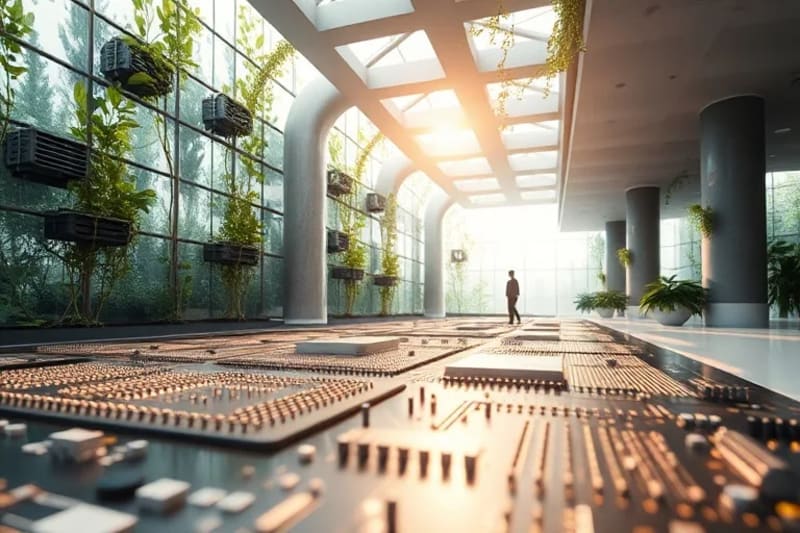 A serene, futuristic interior space designed with biophilic elements and natural light, embodying the principles of immersive neuroarchitecture for mental well-being.
This conceptual rendering, generated by AI, illustrates how thoughtful design can integrate nature and light to create calming and cognitively beneficial environments.
Historically, architecture has focused on shelter, utility, and visual appeal. However, the emergence of fields like environmental psychology and cognitive neuroscience has illuminated the deep connection between our environment and our psychological state. Immersive neuroarchitecture takes this a step further, using empirical data to inform design decisions, ensuring that spaces are not just pleasing to the eye but also beneficial for the mind.
The goal is to create environments that are "brain-friendly," supporting functions like memory, attention, creativity, and emotional regulation. This is particularly crucial in today's fast-paced world, where stress and mental health challenges are increasingly prevalent. Designing spaces that inherently promote calm and focus can have a profound impact on individuals' daily lives and productivity.
Table of Contents
- Foundational Principles of Neuroarchitecture
- Key Sensory Elements and Their Impact
- Biophilic Design: Connecting with Nature
- Cognitive Enhancement Through Spatial Design
- Applications and Future Directions
Foundational Principles of Neuroarchitecture
The practice of neuroarchitecture is built upon several core principles derived from neuroscience and psychology. These principles guide designers in creating spaces that are not only aesthetically pleasing but also neurologically beneficial. Understanding these foundations is key to appreciating the depth of this innovative field.
- Brain-Environment Interaction: This principle acknowledges the continuous, dynamic interplay between the human brain and its physical surroundings. Our brains are constantly processing sensory input from the environment, which in turn influences our thoughts, emotions, and physiological responses.
- Stress Reduction: A primary goal is to design spaces that minimize environmental stressors. This includes reducing noise pollution, optimizing lighting to prevent eye strain, and creating clear wayfinding to reduce cognitive load and anxiety.
- Cognitive Support: Neuroarchitecture aims to support and enhance cognitive functions such as attention, memory, and creativity. This can be achieved through spatial layouts that encourage focus, provide opportunities for mental breaks, and stimulate curiosity without overwhelming the senses.
- Emotional Well-being: Spaces are designed to evoke positive emotions and foster a sense of comfort, safety, and belonging. This often involves incorporating elements that are universally perceived as calming or inspiring, such as natural light, soothing colors, and organic forms.
- Neuroplasticity: The brain's ability to adapt and change in response to experience is a crucial consideration. Well-designed environments can positively influence neuroplasticity, promoting healthy brain development and function throughout life.
These principles are not abstract concepts but are translated into tangible design strategies. For instance, understanding how different wavelengths of light affect circadian rhythms can inform the design of lighting systems that support healthy sleep-wake cycles. Similarly, knowledge of spatial cognition can guide the layout of buildings to improve navigation and reduce feelings of being lost or disoriented.
Key Sensory Elements and Their Impact
The human experience of a space is profoundly sensory. Neuroarchitecture meticulously considers how each sensory input—visual, auditory, tactile, and even olfactory—can be optimized to create a beneficial environment. These elements are not treated in isolation but as an integrated system that contributes to the overall neurological impact of a space.
- Light: Natural light is paramount. It regulates our circadian rhythm, influencing mood, sleep, and alertness. Designs often maximize natural light penetration, incorporate dynamic lighting systems that mimic natural cycles, and use specific color temperatures to create desired psychological effects.
- Sound: Acoustic design is crucial for reducing stress and enhancing focus. This involves minimizing unwanted noise through soundproofing and absorption, while strategically introducing calming sounds like white noise or natural soundscapes. The goal is to create an auditory environment that supports cognitive tasks and relaxation.
- Texture and Materials: Tactile experiences, often overlooked, play a significant role. Natural materials like wood, stone, and fabric can evoke feelings of warmth, comfort, and authenticity. The texture of surfaces can also influence perception of space and contribute to a sense of grounding.
- Color: The psychological effects of color are well-documented. Cool colors (blues, greens) often promote calm and focus, while warm colors (reds, yellows) can stimulate energy and creativity. Neuroarchitecture uses color palettes intentionally to support the intended function and mood of a space.
- Olfaction: While less commonly integrated, pleasant scents can significantly impact mood and memory. Incorporating natural aromas from plants or subtle, calming essential oils can enhance the overall sensory experience and contribute to a positive psychological state.
 A conceptual model illustrating neural pathways subtly integrated into architectural elements, symbolizing the intricate connection between brain function and the built environment.
This 3D render, a product of AI creativity, visualizes how neuroscience principles can inspire the aesthetic and functional design of immersive spaces.
The integration of these sensory elements is not arbitrary; it is based on scientific research into how the brain perceives and responds to stimuli. For example, studies on the impact of color on mood have shown that certain hues can reduce anxiety, while others can boost energy levels. By carefully curating the sensory landscape of a space, neuroarchitects can create environments that are optimized for specific human needs, from intense concentration in an office to deep relaxation in a healthcare setting.
The ultimate goal is to create a harmonious sensory experience that supports cognitive well-being without overwhelming the senses. This delicate balance is achieved through thoughtful design and often involves iterative testing and feedback to fine-tune the environmental parameters. For more insights into how different sensory inputs affect us, consider exploring the Etimología Colores: Significados Culturales e Históricos, which delves into the cultural and psychological impact of colors.
Biophilic Design: Connecting with Nature
Biophilic design is a cornerstone of immersive neuroarchitecture, emphasizing the innate human connection to nature. This approach integrates natural elements and processes into the built environment, recognizing that exposure to nature has profound positive effects on mental and physical health. The concept is based on the "biophilia hypothesis," which suggests humans have an evolutionary predisposition to connect with living systems.
Incorporating biophilic elements can significantly reduce stress, improve cognitive function, and enhance overall well-being. This is achieved through various strategies:
- Direct Nature Exposure: This includes visible vegetation, natural light, fresh air, and water features. Gardens, green walls, indoor plants, and views of natural landscapes are common examples. The presence of these elements can lower heart rate, blood pressure, and cortisol levels.
- Indirect Nature Exposure: This involves using natural materials, colors, textures, and patterns that mimic those found in nature. For instance, wood grains, stone finishes, and organic shapes can evoke a sense of the natural world even without direct plant life.
- Spatial Organization: Designing spaces that offer prospects (unimpeded views) and refuges (places for withdrawal and safety) can replicate natural environments where humans historically sought both observation and protection. This spatial variety supports different cognitive and emotional needs.
- Natural Analogues: Incorporating patterns, forms, and processes that are reminiscent of nature, such as fractals found in plants or the dynamic movement of shadows, can have a calming effect and stimulate curiosity.
The benefits of biophilic design are extensive. In educational settings, it can improve student concentration and academic performance. In workplaces, it can boost productivity, creativity, and job satisfaction. In healthcare facilities, biophilic design has been shown to accelerate recovery times, reduce pain perception, and lower anxiety among patients. This deep connection to nature is not just an aesthetic choice; it is a fundamental human need that, when met through design, can significantly improve our quality of life.
Cognitive Enhancement Through Spatial Design
Beyond promoting mental health, immersive neuroarchitecture also focuses on optimizing cognitive functions. The way a space is designed can directly impact our ability to concentrate, learn, remember, and solve problems. This aspect of neuroarchitecture is particularly relevant in educational institutions, workplaces, and specialized environments like research labs.
 An abstract digital painting representing human emotions and cognitive states through flowing colors and light within an architectural setting.
This AI-generated artwork conceptualizes how environmental design can profoundly influence psychological well-being and cognitive function.
Key strategies for cognitive enhancement include:
- Optimized Layouts: Clear and intuitive layouts reduce cognitive load by making navigation effortless. This frees up mental resources for more complex tasks. Open-plan offices, for example, can be designed with designated quiet zones to support focused work, balancing collaboration with individual concentration needs.
- Varied Stimuli: Monotonous environments can lead to mental fatigue. Introducing varied visual textures, patterns, and strategically placed focal points can keep the brain engaged without causing overstimulation. This can prevent boredom and maintain alertness.
- Restorative Spaces: Providing areas for mental breaks and restoration is vital. These can be quiet rooms, green spaces, or comfortable lounges where individuals can decompress and recharge. Such spaces help combat decision fatigue and improve sustained attention.
- Sensory Richness (Controlled): While overstimulation is detrimental, a controlled level of sensory richness can be beneficial. This might involve interactive elements, art installations, or subtle changes in lighting and sound that provide gentle stimulation without distraction.
- Ergonomics and Comfort: Physical comfort directly impacts cognitive performance. Ergonomically designed furniture, optimal temperature control, and good air quality contribute to sustained focus and reduced physical discomfort, which can be a significant distraction.
The application of these principles can transform mundane spaces into dynamic environments that actively support learning and innovation. For instance, classrooms designed with flexible seating, natural light, and acoustic panels can significantly improve student engagement and information retention. Similarly, workspaces that offer a variety of settings—from collaborative hubs to private pods—cater to diverse working styles and cognitive demands.
Understanding how our environment affects our mental processes is not new; ancient philosophies often spoke of the harmony between humans and their surroundings. However, neuroarchitecture brings a scientific rigor to this understanding, using data-driven insights to create truly optimized spaces. This scientific approach helps in debunking Mitos Urbanos Digitales: Origen, Difusión y Desafíos by providing evidence-based solutions rather than relying on anecdotal evidence.
Applications and Future Directions
The principles of immersive neuroarchitecture are being applied across a wide range of building types, demonstrating its versatility and potential impact. From healthcare facilities to educational institutions, and from residential homes to urban planning, the field is rapidly expanding its influence.
| Application Area | Neuroarchitectural Strategies | Anticipated Benefits |
|---|---|---|
| Healthcare Facilities | Biophilic design, natural light, calming color palettes, acoustic control, clear wayfinding. | Reduced patient anxiety, faster recovery times, improved staff well-being, enhanced communication. |
| Educational Environments | Flexible learning spaces, optimized acoustics, natural light, varied sensory stimuli, access to green spaces. | Increased student engagement, improved concentration, enhanced creativity, reduced behavioral issues. |
| Workplaces | Zoned areas for focus/collaboration, ergonomic design, biophilic elements, dynamic lighting, noise reduction. | Higher productivity, reduced stress, improved employee satisfaction, enhanced innovation. |
| Residential Homes | Natural light and ventilation, personalized sensory environments, comfortable textures, flexible spaces. | Improved mood, better sleep quality, enhanced relaxation, stronger sense of personal sanctuary. |
| Urban Planning | Green infrastructure, walkable cities, public spaces with varied sensory experiences, community gardens. | Increased social interaction, reduced urban stress, improved public health, enhanced ecological balance. |
The future of immersive neuroarchitecture is promising, with ongoing research continually revealing new insights into the brain's interaction with the environment. Advances in wearable technology and AI-powered sensors could soon allow for real-time monitoring of physiological responses to spaces, enabling dynamic adjustments to lighting, temperature, and even scent to optimize individual well-being. This personalized approach could revolutionize how we design and experience our surroundings.
Furthermore, the integration of virtual and augmented reality offers exciting possibilities for creating immersive, therapeutic environments that can be customized to individual needs. Imagine a patient recovering in a hospital room that can project a calming forest scene or a vibrant cityscape, dynamically responding to their mood and recovery progress. Such technologies could extend the reach of neuroarchitectural benefits beyond physical constraints.
As our understanding of the human brain continues to grow, so too will the sophistication of neuroarchitectural design. This field is poised to play a critical role in addressing global challenges related to mental health, stress, and cognitive decline, offering a powerful framework for creating healthier, more humane, and more productive environments for all. The ethical implications of designing environments that subtly influence behavior are also a crucial area of discussion, ensuring that such powerful tools are used responsibly and for the greater good. This aligns with discussions about ethical considerations in fields like Ley Propiedad Intelectual Metaverso: Desafíos, Soluciones Legales, where new technologies raise complex legal and ethical questions.
Discover More Insights
- Lucid Dreams Therapy: Anxiety PTSD Clinical Applications
- Behavioral Addictions: Differential Diagnosis and Therapies
- Zodiacal Archetypes: Hero's Journey, Personal Transformation
- Vertex Anti-Vertex Karmic Synastry: Predestined Relationships
- Mystical Senses: Spiritual Perceptions, Divine Encounter
Source: Hybrid content assisted by AI and human editorial supervision.


Comentarios