
Ethno-chemistry Ancestral Medicinal Plants: Sustainable Nutrition
The quest for sustainable nutrition in an ever-evolving world increasingly turns its gaze towards the wisdom embedded in ancestral practices. Ethno-chemistry, a fascinating interdisciplinary field, bridges the gap between traditional ethnobotanical knowledge and modern chemical science. It systematically investigates the bioactive compounds found in plants used by indigenous cultures for medicinal, nutritional, and ritualistic purposes. This exploration is not merely an academic exercise; it represents a critical pathway toward discovering novel ingredients, functional foods, and sustainable nutritional solutions for the future, respecting both ecological balance and cultural heritage.
Ancestral medicinal plants, cultivated and understood over millennia by various communities, often possess unique phytochemical profiles that offer significant benefits beyond basic sustenance. These plants are reservoirs of complex molecules with anti-inflammatory, antioxidant, antimicrobial, and adaptogenic properties. By applying ethno-chemical methodologies, scientists can identify, isolate, and characterize these compounds, unlocking their potential for integration into contemporary diets and health strategies. This approach promises not only to diversify our food sources but also to provide more resilient and ecologically sound alternatives to conventional agriculture and synthetic supplements.
Table of Contents
- The Foundations of Ethno-chemistry: Bridging Worlds
- Key Ancestral Medicinal Plants and Their Bioactive Compounds
- Sustainable Harvesting and Cultivation Practices
- Bridging Ancient Wisdom with Modern Nutritional Science
- Challenges and Opportunities in Future Nutrition
The Foundations of Ethno-chemistry: Bridging Worlds
Ethno-chemistry is a multidisciplinary field that combines ethnobotany, phytochemistry, pharmacology, and cultural anthropology. Its primary goal is to scientifically validate and understand the traditional uses of plants by indigenous populations. This involves a systematic process that begins with documenting traditional knowledge, often through direct engagement with local communities and healers. Researchers meticulously record how specific plants are prepared, administered, and what conditions they are used to treat or prevent.
The methodological approach in ethno-chemistry is rigorous. It typically involves fieldwork to collect plant samples, followed by laboratory analysis to identify and isolate the chemical constituents responsible for their observed biological activities. Techniques such as chromatography, spectroscopy, and mass spectrometry are employed to elucidate the structure of these compounds. Subsequently, pharmacological assays are conducted to test their efficacy and safety, often mimicking the traditional applications to ensure relevance and cultural sensitivity.
 Exploring the rich biodiversity of natural ecosystems, where ancestral knowledge meets the potential for future nutritional innovation.
This conceptual rendering, generated by AI, illustrates the vibrant natural environments that serve as the primary source for ethno-chemical research and discovery.
The historical roots of ethno-chemistry can be traced back to early explorers and naturalists who documented plant uses in new lands. However, the modern discipline emphasizes a more collaborative and ethical framework, recognizing the intellectual property rights and traditional ecological knowledge of indigenous communities. This shift is crucial for fostering equitable partnerships and ensuring that the benefits derived from these discoveries are shared fairly, preventing biopiracy and promoting sustainable development.
Key Ancestral Medicinal Plants and Their Bioactive Compounds
Across continents, numerous ancestral plants have been revered for their medicinal and nutritional properties. Their chemical complexity holds the key to understanding their efficacy. For instance, the Amazon rainforest is a treasure trove of such plants, including species with profound implications for health and wellness.
Here are a few examples illustrating the diversity and potential of these botanical resources:
- Maca (Lepidium meyenii): Native to the high Andes of Peru, maca is a root vegetable traditionally used for energy, stamina, and fertility. Ethno-chemical analysis reveals unique compounds like macamides and macaenes, which are believed to contribute to its adaptogenic properties, helping the body cope with stress and promoting hormonal balance. It is also rich in essential amino acids, vitamins, and minerals, making it a potent superfood.
- Turmeric (Curcuma longa): A staple in Ayurvedic medicine and Southeast Asian cuisine, turmeric's vibrant yellow color comes from curcuminoids, primarily curcumin. This compound is extensively studied for its powerful anti-inflammatory and antioxidant effects, which have implications for managing chronic diseases, supporting cognitive function, and even aiding in cancer prevention.
- Ashwagandha (Withania somnifera): Another cornerstone of Ayurveda, ashwagandha is an adaptogenic herb known for its ability to reduce stress and anxiety, improve sleep, and enhance cognitive function. Its primary active compounds are withanolides, which exert neuroprotective, anti-inflammatory, and immunomodulatory effects.
- Moringa (Moringa oleifera): Often called the "miracle tree," moringa is native to India and Africa. Its leaves are packed with vitamins, minerals, amino acids, and antioxidants. Ethno-chemical studies have identified compounds like isothiocyanates, quercetin, and chlorogenic acid, which contribute to its anti-diabetic, anti-inflammatory, and cholesterol-lowering properties.
The following table summarizes some key plants and their associated bioactive compounds:
| Plant Name | Origin | Key Bioactive Compounds | Traditional Uses / Nutritional Benefits |
|---|---|---|---|
| Maca (Lepidium meyenii) | Andes, Peru | Macamides, Macaenes, Alkaloids | Energy, stamina, fertility, adaptogen, rich in nutrients |
| Turmeric (Curcuma longa) | South Asia | Curcuminoids (Curcumin) | Anti-inflammatory, antioxidant, digestive aid, cognitive support |
| Ashwagandha (Withania somnifera) | India, Africa, Middle East | Withanolides | Stress reduction, anxiety relief, improved sleep, cognitive enhancer |
| Moringa (Moringa oleifera) | India, Africa | Isothiocyanates, Quercetin, Chlorogenic Acid | Rich in vitamins/minerals, anti-diabetic, anti-inflammatory, cholesterol-lowering |
| Sacha Inchi (Plukenetia volubilis) | Peruvian Amazon | Omega-3, -6, -9 fatty acids, Protein, Vitamin E | Cardiovascular health, brain function, anti-inflammatory, complete protein source |
Sustainable Harvesting and Cultivation Practices
The potential of ancestral medicinal plants can only be fully realized if their sourcing is sustainable. Traditional communities have long practiced methods of harvesting that ensure the long-term viability of plant populations and the health of their ecosystems. These practices are often rooted in deep ecological understanding and spiritual reverence for nature. Modern ethno-chemistry and industry must learn from and integrate these sustainable approaches to prevent over-exploitation and habitat destruction.
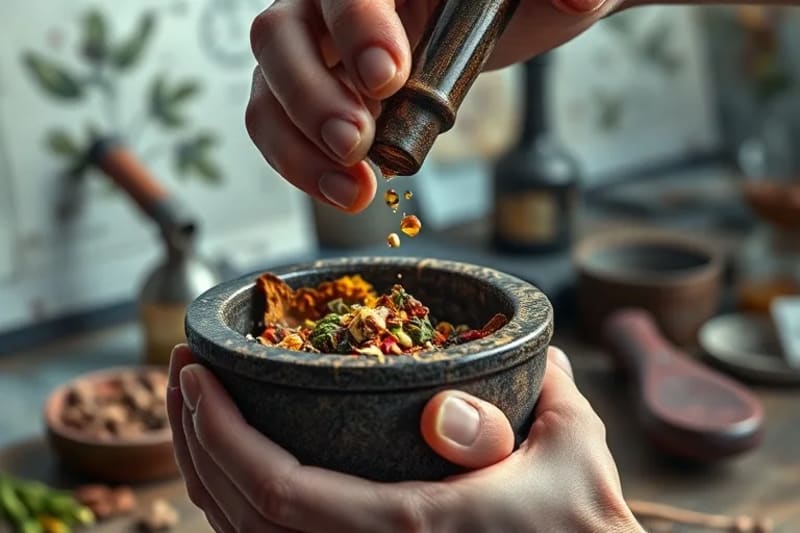 The meticulous process of extracting bioactive compounds, a critical step in translating ancestral wisdom into modern nutritional solutions.
This AI-generated image highlights the scientific rigor involved in ethno-chemical research, from raw plant material to purified extracts.
Key principles of sustainable harvesting include:
- Selective Harvesting: Taking only a portion of the plant (e.g., leaves, bark, roots) to allow it to regenerate, rather than uprooting the entire specimen.
- Respecting Reproductive Cycles: Avoiding harvesting during critical periods like flowering or fruiting to ensure seed dispersal and future generations.
- Community-Led Management: Empowering local communities to manage their plant resources, leveraging their traditional knowledge for conservation.
- Cultivation and Domestication: Where wild populations are threatened, cultivating medicinal plants in agroforestry systems or dedicated farms can reduce pressure on wild stocks. This also provides economic opportunities for local communities.
- Fair Trade Practices: Ensuring that harvesters and growers receive fair compensation for their labor and knowledge, which incentivizes sustainable practices and community development.
The integration of these practices is vital for the long-term availability of these valuable resources and for maintaining biodiversity. Without sustainable sourcing, the very plants that hold the promise for future nutrition could be lost forever, along with the invaluable traditional knowledge associated with them. This is particularly relevant in discussions about food traceability and ethical supply chains.
Bridging Ancient Wisdom with Modern Nutritional Science
The convergence of ancestral plant wisdom and modern nutritional science offers exciting avenues for innovation. Ethno-chemical discoveries are fueling the development of functional foods, nutraceuticals, and personalized nutrition strategies. Functional foods are those that provide health benefits beyond basic nutrition, often by incorporating specific bioactive compounds from plants. Nutraceuticals are isolated compounds or extracts sold in medicinal forms, like supplements.
Examples of this bridge include:
- Enhanced Food Products: Incorporating extracts of plants like moringa or turmeric into everyday foods such as yogurts, smoothies, or snack bars to boost their nutritional profile and health benefits.
- Targeted Supplements: Developing supplements based on specific plant compounds (e.g., curcumin capsules, ashwagandha root extract) to address particular health concerns like inflammation, stress, or cognitive decline.
- Personalized Nutrition: As our understanding of individual genetic and metabolic variations grows, ethno-chemical insights can contribute to personalized dietary recommendations. Certain plant compounds might be more beneficial for individuals with specific genetic predispositions or health conditions.
- Sustainable Protein Sources: Plants like Sacha Inchi offer complete protein profiles and healthy fats, providing sustainable alternatives to animal-based proteins, addressing both nutritional needs and environmental concerns.
 A visual representation of how ancient ecological wisdom and modern scientific understanding merge to create innovative and sustainable nutritional pathways.
This AI-generated artwork conceptualizes the integration of diverse knowledge systems for a healthier, more sustainable future of food.
This integration is not without its challenges, including ensuring bioavailability of compounds, standardizing extracts, and conducting rigorous clinical trials to substantiate health claims. However, the potential for creating a more diverse, resilient, and health-promoting food system is immense. It moves beyond a reductionist view of nutrients to embrace the holistic complexity of plant-based foods, much like the traditional systems from which they originate.
Challenges and Opportunities in Future Nutrition
While the promise of ethno-chemistry for future nutrition is significant, several challenges must be addressed. One major concern is biopiracy, where traditional knowledge and genetic resources are exploited without fair compensation or benefit-sharing with indigenous communities. Ethical frameworks, legal protections, and international agreements are crucial to ensure equitable partnerships and respect for intellectual property rights. The principles of digital sovereign identity can even offer parallels in protecting cultural heritage in the digital age.
Another challenge lies in scaling up production sustainably. As demand for these ingredients grows, ensuring that cultivation and harvesting practices remain environmentally sound and do not deplete natural resources is paramount. This requires investment in sustainable agriculture, agroforestry, and responsible supply chains. Regulatory hurdles also exist, as novel food ingredients derived from ancestral plants need to meet stringent safety and efficacy standards before market approval.
Despite these challenges, the opportunities are vast. Ethno-chemistry can lead to the discovery of new therapeutic agents, functional food ingredients, and sustainable agricultural practices. It fosters biodiversity conservation by highlighting the value of diverse plant species. Furthermore, it promotes cultural exchange and respect, recognizing the invaluable contributions of indigenous knowledge systems to global well-being. By embracing a holistic and ethical approach, ethno-chemistry can truly revolutionize future nutrition, offering solutions that are both innovative and deeply rooted in humanity's shared heritage.
Explore More About This Topic
Delve deeper into related subjects that expand on the themes of innovation, sustainability, and human well-being in a rapidly changing world. Our curated selection offers further insights:
- Future Urban Transport: Sustainable Mobility, Technological Innovations: Discover how innovation is shaping our cities and the movement of people.
- Digital Mental Well-being: Resilience Strategies: Understand the impact of modern life on mental health and strategies for resilience.
- Collaborative Robotics: Efficiency in Manufacturing: Explore technological advancements that are transforming industries.
- Natural Catastrophes: Psychological Impact, Resilience: Learn about human resilience in the face of environmental challenges.
- Nootropics Biohacking Cognitive Enhancement Ethics Risks: Investigate the cutting edge of human performance and ethical considerations.
- NGO Disaster Funding: Cryptocurrencies Blockchain Innovation: See how technology is being leveraged for humanitarian efforts.
- Feng Shui Digital Nomads: Harmonizing Virtual and Physical Spaces: Connect ancient practices with modern lifestyles.
- Biophilic Manifestation: Nature's Blueprint Abundance Harmony: Discover how natural principles can guide personal growth and well-being.
Source: Hybrid content assisted by AI and human editorial supervision.


Comentarios