
Greek Mythology Digital Age Archetypes Video Games
The timeless tales of Greek mythology, with their pantheon of powerful gods, courageous heroes, and monstrous beasts, have captivated humanity for millennia. From epic poems to classical sculptures, these narratives have shaped Western culture, providing a rich tapestry of archetypes and moral lessons. In the 21st century, as digital media and interactive entertainment dominate our cultural landscape, Greek mythology has found a vibrant new home, particularly within the realms of video games and contemporary storytelling.
This article explores the profound influence of ancient Greek myths on modern digital narratives, examining how developers and creators re-imagine these classic stories and characters for a new generation. We will delve into the enduring power of archetypes, analyze specific examples in popular video games, and discuss the challenges and opportunities inherent in adapting such rich source material for interactive experiences. Join us as we journey through the digital pantheon, where ancient legends are reborn with pixels and code.
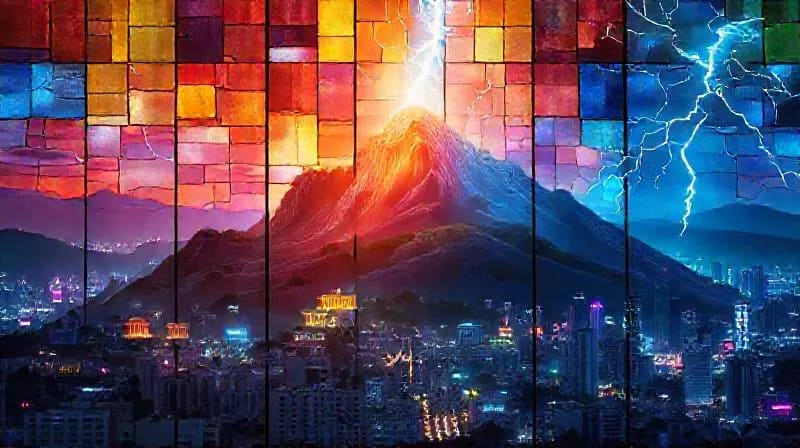
The digital realm offers a boundless canvas for reimagining the grandeur of mythological landscapes, blending ancient architecture with futuristic cityscapes and digital avatars.
This conceptual visualization, a render created by AI, illustrates the seamless integration of classical Greek elements within a high-tech, contemporary setting, bridging two distinct eras of human imagination.Table of Contents
- Introduction to Greek Mythology in the Digital Age
- The Enduring Power of Archetypes
- Greek Gods and Heroes in Video Games
- Narratives and Themes: Beyond the Battlefield
- The Digital Pantheon: Modern Interpretations
- Challenges and Opportunities in Digital Adaptation
- The Future of Mythological Storytelling
Introduction to Greek Mythology in the Digital Age
The digital age has ushered in an unprecedented era of creative expression, offering new mediums and platforms for storytelling. Among these, video games stand out as particularly potent vehicles for immersive narratives. Greek mythology, with its rich cast of characters, intricate plots, and profound philosophical underpinnings, provides an ideal framework for these interactive experiences. Unlike static texts or films, video games allow players to step into the shoes of heroes, make critical decisions, and directly engage with the mythical world.
This adaptation is not merely a re-telling but often a re-imagining, where ancient tales are infused with modern sensibilities and technological capabilities. Developers leverage advanced graphics, complex AI, and sophisticated gameplay mechanics to bring the gods, titans, and monsters of Greek lore to life in ways previously unimaginable. This blend of ancient wisdom and cutting-edge technology creates a unique cultural dialogue, ensuring that these stories remain relevant and compelling for contemporary audiences.
The Enduring Power of Archetypes
At the heart of Greek mythology's lasting appeal are its powerful archetypes. Coined by Carl Jung, archetypes are universal, archaic patterns and images that derive from the collective unconscious and are the psychic counterpart of instinct. Figures like the wise mentor (Chiron), the tragic hero (Heracles), the vengeful god (Hera), or the cunning trickster (Hermes) resonate across cultures and generations because they embody fundamental human experiences and psychological patterns.
In the digital age, these archetypes are not only preserved but often amplified. Video games, with their emphasis on character development and player agency, allow for a deeper exploration of these universal roles. Players can embody these archetypes, experiencing their struggles, triumphs, and moral dilemmas firsthand. This interactive engagement fosters a stronger connection to the narrative, making the ancient stories feel intensely personal and immediate. The concept of archetypes is crucial for understanding how stories transcend time and medium, much like the foundational principles discussed in Ada Lovelace's algorithmic vision, which laid groundwork for modern computational thinking.

The enduring archetypes of Greek mythology continue to inspire, finding new artistic expressions that blend classical forms with contemporary digital motifs.
This watercolor illustration, infused with digital patterns, showcases how ancient figures like Athena and Odysseus can be reinterpreted through modern artistic lenses, maintaining their universal resonance.Greek Gods and Heroes in Video Games
The presence of Greek gods and heroes in video games is extensive and varied. Titles like the God of War series have redefined how players interact with these powerful figures, often placing them in morally ambiguous roles or as formidable adversaries. Kratos, the protagonist, embodies the rage and tragedy of a demigod, battling his way through the entire Greek pantheon. This series, while taking significant creative liberties, captures the raw power and often brutal nature of mythological conflicts.
Other games, such as Assassin's Creed Odyssey, offer a more historically grounded (though still fantastical) approach, allowing players to explore ancient Greece, interact with historical figures, and participate in legendary events. Here, mythological elements are woven into a vast open world, providing a sense of immersion that brings the ancient world to life. Similarly, indie titles like Hades present a roguelike experience where players embody Zagreus, son of Hades, attempting to escape the Underworld, encountering a charming and witty cast of gods and mythological creatures.
These examples demonstrate a spectrum of adaptation, from direct combat-focused narratives to role-playing experiences that emphasize exploration and dialogue. The common thread is the recognition of Greek mythology as a fertile ground for compelling characters and epic storylines, capable of supporting diverse gameplay mechanics and artistic styles. The integration of such rich lore into digital platforms mirrors the complex strategies seen in digital marketing for SMEs, where diverse content is key to engagement.
Narratives and Themes: Beyond the Battlefield
Beyond the spectacle of divine battles and heroic quests, Greek mythology offers a wealth of complex themes that resonate deeply with modern audiences. Concepts such as fate versus free will, the nature of justice, the consequences of hubris, and the complexities of familial relationships are central to many ancient Greek tragedies and epics. These themes are skillfully integrated into digital narratives, providing depth and emotional resonance.
For instance, the tragic cycle of violence and revenge, a recurring motif in Greek myths, is a core narrative driver in the God of War series. Players witness Kratos grappling with his past actions and the seemingly inescapable cycle of patricide and deicide. In Hades, the game explores themes of family dysfunction, rebellion, and the search for identity, all within the darkly humorous confines of the Underworld. These games use the mythological framework to explore universal human struggles, making them more than just action-packed adventures.
The narrative structures often employed in these games also reflect classical influences. The hero's journey, a monomyth identified by Joseph Campbell, is a direct descendant of ancient epics like Homer's Odyssey. Many video games consciously or unconsciously follow this pattern, guiding players through trials, revelations, and ultimate returns, mirroring the archetypal journey of mythological heroes. This structural consistency helps players connect with the narrative on a subconscious level, reinforcing the timelessness of these storytelling traditions.

Modern gaming technology frequently incorporates classical aesthetics, creating a unique blend of ancient inspiration and futuristic design.
This 3D render illustrates a gaming controller adorned with intricate Greek patterns, symbolizing the deep connection between contemporary interactive entertainment and mythological heritage.The Digital Pantheon: Modern Interpretations
The digital age allows for diverse interpretations of the Greek pantheon, moving beyond traditional portrayals. Developers often infuse characters with contemporary personalities, making them more relatable or surprisingly complex. Zeus might be depicted as a flawed, authoritarian patriarch, Hades as a melancholic but caring father figure, and Athena as a strategic genius with a dry wit. These nuanced portrayals breathe new life into ancient figures, challenging preconceived notions and inviting players to see them from fresh perspectives.
Furthermore, the interactive nature of video games enables players to influence the perception of these characters. Through dialogue choices, allegiances, and actions, players can shape their relationship with the gods and heroes, experiencing a personalized narrative that adapts to their decisions. This level of agency transforms passive reception into active participation, making the mythological world feel dynamic and responsive. The evolving landscape of digital interaction, including concepts like the Metaverse and Web3, further amplifies these possibilities for immersive storytelling.
The visual design of these games also plays a crucial role in modern interpretations. Artists and designers blend classical Greek artistry with contemporary aesthetics, creating unique visual styles that range from realistic historical reconstructions to highly stylized, fantastical renditions. This visual diversity ensures that Greek mythology continues to inspire and adapt, proving its versatility across different artistic sensibilities.
Challenges and Opportunities in Digital Adaptation
Adapting Greek mythology for the digital age comes with its own set of challenges and opportunities. One significant challenge is balancing fidelity to the source material with creative license. While some games aim for historical accuracy, others freely re-interpret myths to serve their narrative or gameplay goals. Striking this balance is crucial to avoid alienating purists while still appealing to a broader audience. Another challenge lies in representing the immense power of gods without making the player feel insignificant or the gameplay trivial.
However, the opportunities are even greater. Digital platforms offer unparalleled scope for world-building, allowing for the creation of vast, detailed environments that bring ancient Greece to life. The interactive nature of games provides unique avenues for exploring complex moral dilemmas and character motivations, offering players a deeper understanding of the human condition as reflected in these ancient stories. Moreover, the global reach of video games introduces Greek mythology to new audiences worldwide, fostering cross-cultural appreciation and education.
The ability to experiment with different genres—from action-adventure to RPGs, strategy games, and even visual novels—ensures that Greek mythology can be continuously re-explored and presented in fresh, engaging ways. This adaptability highlights the dynamic relationship between ancient narratives and modern technology, much like the evolving field of Artificial Intelligence in early disease diagnosis, constantly finding new applications.
The Future of Mythological Storytelling
As technology continues to advance, the future of Greek mythological storytelling in the digital age looks incredibly promising. Virtual Reality (VR) and Augmented Reality (AR) technologies could offer even more immersive experiences, allowing players to walk among the gods on Olympus or navigate the treacherous Labyrinth of the Minotaur with unprecedented realism. AI-driven narratives could adapt dynamically to player choices, creating truly personalized mythological adventures.
The ongoing fascination with Greek mythology, coupled with relentless technological innovation, guarantees that these ancient tales will continue to inspire and entertain for generations to come. From educational tools that teach history and literature through interactive experiences to blockbuster games that push the boundaries of visual storytelling, the digital age is proving to be a powerful guardian and innovator of humanity's oldest stories. The digital realm is not just a platform but a new chapter in the epic saga of Greek mythology.
Explore More Digital Narratives and Ancient Wisdom
- NGOs Technology: Digital Innovations Crisis Management
- Emerging Markets Investment Sustainable Funds Strategies
- Digital Trinity: Theological Reflections Faith Technology Future
- Sigil Magic: Powerful Symbols for Manifestation
- Astrological Eclipses Impact: Guide for Your Life
Source: Hybrid content assisted by AI and human editorial supervision.


Comentarios