
Neuroarchitecture Sleep: Designing Spaces Brain Longevity
The profound impact of sleep on human health, particularly brain longevity and cognitive function, is a well-established scientific fact. In an increasingly demanding world, the quality of our sleep often suffers, leading to a cascade of negative health outcomes. Neuroarchitecture, an emerging field, seeks to bridge the gap between neuroscience and architectural design, specifically by creating environments that actively promote optimal sleep and, consequently, enhance brain health and overall well-being. This discipline moves beyond mere aesthetics, delving into how physical spaces can influence our brain's physiological processes, from circadian rhythm regulation to neural plasticity.
Understanding the intricate relationship between our surroundings and our sleep patterns is crucial for designing spaces that are not just comfortable, but truly restorative. This article delves into the core principles of neuroarchitecture applied to sleep environments, exploring how light, sound, temperature, materials, and even spatial layout can be optimized to foster deeper, more rejuvenating sleep, contributing significantly to long-term cerebral vitality.

A meticulously designed sleep environment, integrating natural elements and smart technology for optimal brain rest.
Table of Contents
- The Science of Sleep and Brain Health
- Key Environmental Factors Influencing Sleep Architecture
- Neuroarchitectural Principles for Optimal Sleep Design
- Technological Integrations in Sleep Neuroarchitecture
- The Future of Sleep Neuroarchitecture and Brain Longevity
- Conclusion
The Science of Sleep and Brain Health
Sleep is far from a passive state; it is an active and dynamic process essential for physical and cognitive restoration. During sleep, the brain undergoes critical processes that are vital for its long-term health and function. These include memory consolidation, waste product clearance, and neural repair. Disruption of these processes, often due to poor sleep quality, has been linked to an increased risk of neurodegenerative diseases, impaired cognitive performance, and mood disorders.
The brain's glymphatic system, for instance, is significantly more active during sleep, effectively flushing out metabolic byproducts, including amyloid-beta proteins, which are implicated in Alzheimer's disease. Furthermore, sleep plays a crucial role in synaptic plasticity, strengthening or weakening neuronal connections to optimize learning and memory. The architecture of sleep, characterized by distinct stages (NREM and REM), each contributes uniquely to these restorative functions. Deep NREM sleep is particularly important for physical recovery and memory consolidation, while REM sleep is crucial for emotional regulation and creative problem-solving.
Chronic sleep deprivation or poor sleep quality can lead to a host of detrimental effects on the brain. These include reduced attention span, impaired decision-making, decreased creativity, and increased emotional reactivity. From a neurobiological perspective, insufficient sleep can alter neurotransmitter levels, disrupt hormonal balance, and even lead to structural changes in brain regions associated with memory and executive function. Therefore, creating an environment conducive to high-quality sleep is not merely about comfort but about safeguarding the very foundation of our cognitive and emotional health.
Key Environmental Factors Influencing Sleep Architecture
The immediate physical environment profoundly influences our ability to fall asleep, stay asleep, and achieve restorative sleep stages. Neuroarchitecture systematically analyzes these factors to design optimal sleep spaces. The primary environmental elements include light, sound, temperature, air quality, and tactile stimuli.
- Light: Exposure to light, especially blue light, before bedtime can suppress melatonin production, delaying sleep onset and disrupting circadian rhythms. Conversely, exposure to natural bright light in the morning helps regulate the body's internal clock.
- Sound: Noise pollution, even at low levels, can fragment sleep, increase arousal, and prevent entry into deeper sleep stages. Consistent, low-frequency white noise or natural sounds can sometimes mask disruptive noises.
- Temperature: The body's core temperature naturally drops during sleep. A room that is too hot or too cold can interfere with this thermoregulation, leading to discomfort and sleep disturbances. The ideal sleep temperature is generally between 18-20°C (64-68°F).
- Air Quality: Poor indoor air quality, characterized by high levels of CO2, volatile organic compounds (VOCs), or allergens, can negatively impact respiratory function during sleep, leading to awakenings and reduced sleep efficiency.
- Tactile Stimuli: The comfort of bedding, mattress, and sleepwear directly affects physical comfort, which in turn influences the ease of falling asleep and maintaining sleep. Materials that regulate temperature and wick moisture are particularly beneficial.

Visualizing the intricate connection between brain activity and environmental design elements.
Neuroarchitectural Principles for Optimal Sleep Design
Translating scientific understanding into practical design, neuroarchitecture employs several principles to create sleep-promoting spaces. These principles aim to manipulate environmental cues to support the body's natural sleep processes.
- Light Management:
- Blackout Solutions: Installation of effective blackout blinds or curtains to eliminate external light sources during sleep.
- Dynamic Lighting Systems: Use of smart lighting that can mimic natural light cycles, providing bright, cool light in the morning and gradually shifting to warm, dim, blue-light-filtered illumination in the evening.
- Minimal Night Lights: If night lights are necessary, opt for red or amber hues, which have minimal impact on melatonin production.
- Acoustic Design:
- Soundproofing: Employing materials and construction techniques to reduce external noise transmission (e.g., double-glazed windows, insulated walls).
- Sound Masking: Integration of white noise generators or natural soundscapes (e.g., gentle rain, ocean waves) to create a consistent, non-disruptive auditory environment.
- Soft Furnishings: Use of carpets, heavy curtains, and upholstered furniture to absorb internal sounds and reduce echoes.
- Thermal Regulation:
- HVAC Systems: Advanced heating, ventilation, and air conditioning systems that maintain a stable and optimal temperature with minimal noise.
- Natural Ventilation: Design for cross-ventilation where possible, allowing fresh air circulation without excessive temperature fluctuations.
- Breathable Materials: Selection of bedding and sleepwear made from natural, breathable fibers like cotton, linen, or bamboo to aid in thermoregulation.
- Air Quality and Aroma:
- Air Purification: Integration of high-efficiency particulate air (HEPA) filters to remove allergens, dust, and pollutants.
- Low-VOC Materials: Specifying building materials, paints, and furnishings that emit low levels of volatile organic compounds to prevent respiratory irritation.
- Aromatherapy: Subtle use of calming essential oils like lavender or chamomile, diffused passively, can promote relaxation.
- Biophilic Design:
- Natural Elements: Incorporating natural light, views of nature, or indoor plants to foster a connection with the natural world, which has been shown to reduce stress and improve well-being.
- Natural Materials: Use of wood, stone, and other organic textures to create a sense of calm and grounding.
These principles, when integrated holistically, transform a bedroom from a mere sleeping area into a dedicated sanctuary for restorative sleep, directly impacting brain health. For example, the precise control of ambient conditions can be enhanced through smart home systems, ensuring optimal light and temperature settings are maintained automatically. This proactive approach to environmental management is crucial for consistent sleep quality, as highlighted in discussions around home IoT device cybersecurity, where such systems are managed.
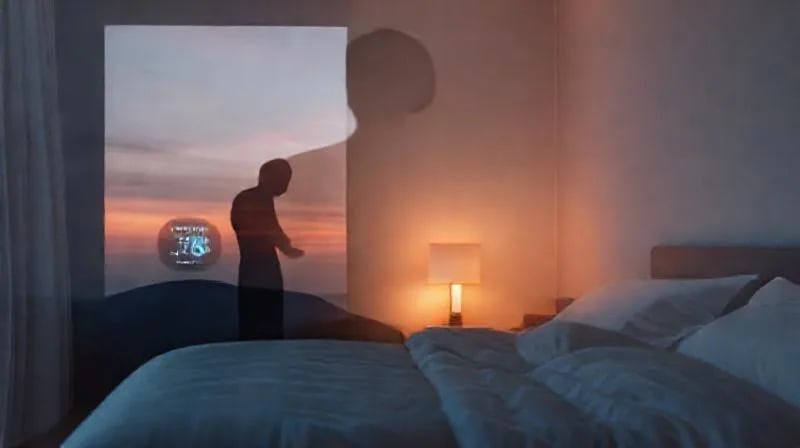
Seamless integration of smart technology to create an optimal sleep environment.
Technological Integrations in Sleep Neuroarchitecture
Modern technology offers powerful tools to enhance neuroarchitectural design for sleep. Smart home systems, advanced sensors, and AI-driven algorithms can create highly personalized and responsive sleep environments. These technologies move beyond simple automation, actively learning and adapting to individual sleep patterns and preferences.
| Technology | Application in Sleep Neuroarchitecture | Brain Longevity Benefit |
|---|---|---|
| Smart Lighting Systems | Automatically adjusts color temperature and intensity based on time of day and user's circadian rhythm. Integrates with wake-up alarms. | Optimizes melatonin production, reinforces natural sleep-wake cycles, reduces sleep onset latency. |
| Climate Control Systems | Maintains precise temperature and humidity levels, adapting to body temperature fluctuations during sleep. | Prevents sleep fragmentation due to thermal discomfort, supports deeper NREM sleep stages. |
| Acoustic Management | Active noise cancellation, adaptive sound masking, or personalized soundscapes (e.g., binaural beats for relaxation). | Minimizes external disturbances, promotes faster sleep onset, enhances sleep continuity. |
| Smart Beds & Wearables | Monitors sleep stages, heart rate, breathing, and provides real-time feedback or adjustments (e.g., firmness, temperature zones). | Provides data for personalized optimization, identifies sleep disorders, improves sleep efficiency and depth. |
| Air Purification & Monitoring | Continuously monitors CO2, VOCs, and particulate matter, activating purification as needed. | Ensures optimal respiratory health, reduces allergen exposure, prevents sleep disturbances from poor air quality. |
The integration of these technologies requires careful consideration of data privacy and security. As these systems collect sensitive personal data about sleep patterns and physiological responses, robust security measures are paramount. The algorithms driving these smart environments, inspired by foundational computing principles like those pioneered by Ada Lovelace's work on algorithms, are becoming increasingly sophisticated. They can analyze vast amounts of data to provide personalized recommendations and automate environmental adjustments, ensuring that the sleep environment is always optimized for the individual.
Furthermore, the ethical implications of collecting and utilizing such intimate data must be addressed. Ensuring transparent data governance and user control over their sleep data is critical for building trust and promoting widespread adoption of these advanced neuroarchitectural solutions. This aligns with broader concerns about multicloud data governance, where legal and strategic compliance are key.
The Future of Sleep Neuroarchitecture and Brain Longevity
The field of neuroarchitecture is rapidly evolving, promising even more sophisticated approaches to sleep optimization. Future developments are likely to include more personalized and adaptive environments, predictive analytics, and deeper integration with overall health and wellness ecosystems.
- Personalized Adaptive Environments: Imagine a bedroom that not only adjusts temperature and light but also subtly changes its layout or texture based on your real-time physiological and psychological state, guided by biofeedback mechanisms.
- Predictive Analytics for Sleep Health: AI systems could analyze long-term sleep data, lifestyle factors, and genetic predispositions to predict potential sleep issues before they arise, offering proactive environmental adjustments or lifestyle recommendations.
- Integration with Healthcare: Sleep neuroarchitecture could become a prescribed component of healthcare, particularly for individuals at risk of neurodegenerative diseases or those recovering from neurological events.
- Urban Planning for Sleep: Beyond individual homes, neuroarchitectural principles may influence urban planning, designing cities that minimize light and noise pollution, and maximize access to natural light and green spaces, thereby promoting better sleep for entire communities.
- Wearable-Integrated Spaces: Seamless communication between personal wearables and the sleep environment, allowing for highly granular and responsive adjustments to optimize sleep stages in real-time.
These advancements hold immense promise for enhancing brain longevity. By consistently providing an environment optimized for restorative sleep, individuals can potentially mitigate the effects of aging on cognitive function, reduce the risk of neurological disorders, and maintain peak mental performance throughout their lives. The convergence of neuroscience, architecture, and technology is paving the way for a future where our living spaces actively contribute to our deepest physiological needs, starting with the fundamental act of sleep.
Conclusion
Neuroarchitecture offers a compelling framework for understanding and designing sleep environments that actively support brain health and longevity. By meticulously considering factors such as light, sound, temperature, and air quality, and by leveraging advanced technological integrations, we can create spaces that optimize our sleep architecture. This intentional design approach moves beyond conventional notions of comfort, embracing a scientific understanding of how our physical surroundings interact with our neurobiology.
Investing in neuroarchitecturally designed sleep spaces is an investment in long-term cognitive function, emotional resilience, and overall well-being. As research continues to uncover the intricate connections between environment, sleep, and brain health, the principles of neuroarchitecture will become increasingly indispensable in creating healthier, more restorative living environments for all.
Related Articles
Source: Hybrid content assisted by AI and human editorial supervision.


Comentarios