
Neuro-rights Mental Privacy: Consciousness Digital Era
The rapid advancement of neurotechnology and artificial intelligence (AI) is ushering in an era where the human mind, once considered the last bastion of privacy, is becoming increasingly accessible. This unprecedented development has ignited a global debate on neuro-rights and mental privacy, prompting urgent calls for ethical guidelines and legal frameworks to protect individual autonomy and cognitive liberty in the digital age. As brain-computer interfaces (BCIs) and neuro-monitoring devices become more sophisticated, the line between thought and data blurs, presenting profound challenges to our understanding of self and freedom.
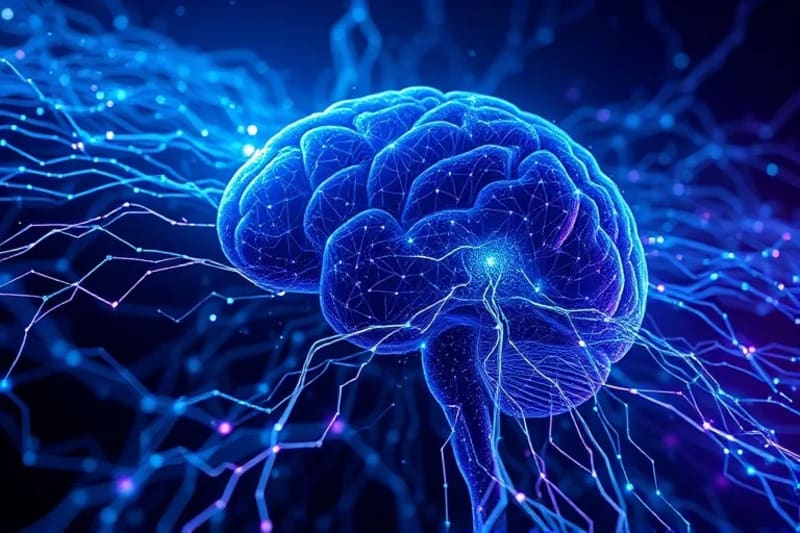 Conceptual representations of neural networks, advanced interfaces, and the abstract flow of information that define the frontier of neuro-rights and mental autonomy.
This image is a conceptual AI render, designed to illustrate the complex interplay between human consciousness and emerging digital technologies, reflecting the core themes of mental privacy.
Neuro-rights are a new class of human rights designed to safeguard the brain and its activity from technological manipulation and unauthorized access. These rights aim to protect cognitive liberty, mental privacy, and the integrity of one's identity in a world where neurotechnologies can read, write, and potentially alter brain activity. The concept has gained traction among neuroscientists, ethicists, and legal scholars who recognize the profound implications of these technologies for human dignity and fundamental freedoms.
Table of Contents
- Understanding Neuro-Rights: A New Frontier
- The Rise of Neurotechnology and AI: Capabilities and Concerns
- Ethical Dilemmas and Societal Impact
- Legal and Regulatory Responses: Global Initiatives
- Challenges and the Future of Consciousness
- Safeguarding Mental Autonomy in the Digital Age
Understanding Neuro-Rights: A New Frontier
Neuro-rights represent an urgent response to the potential misuse of neurotechnologies. These technologies, ranging from advanced brain imaging to direct brain-computer interfaces, promise revolutionary benefits in medicine, communication, and human augmentation. However, they also pose significant threats to individual privacy, autonomy, and identity. The core neuro-rights typically proposed include the right to mental privacy, cognitive liberty, mental integrity, psychological continuity, and protection from algorithmic bias.
- Right to Mental Privacy: This fundamental right ensures that individuals have control over their mental data, preventing unauthorized access, collection, or use of their thoughts, emotions, and brain activity. It extends the traditional concept of privacy to the inner sanctum of the mind.
- Right to Cognitive Liberty: This right protects an individual's freedom to make independent choices about their own mind and brain, free from external manipulation or coercion. It encompasses the right to use neurotechnologies for self-enhancement or therapeutic purposes, as well as the right to refuse such interventions.
- Right to Mental Integrity: This right safeguards individuals from unauthorized alteration or manipulation of their mental processes, ensuring that their cognitive and emotional states remain intact and uncompromised by external forces.
- Right to Psychological Continuity: This right addresses the potential for neurotechnologies to disrupt an individual's sense of self and personal identity over time. It aims to preserve the coherence and continuity of one's psychological narrative, even as neuro-interventions become more common.
- Protection from Algorithmic Bias: As AI systems increasingly interpret and interact with neural data, this right seeks to prevent discriminatory outcomes or biases that could arise from flawed algorithms or data sets.
These proposed rights are not merely theoretical; they are a proactive measure to address a technological future that is already unfolding. The ethical implications are vast, touching upon fundamental questions of what it means to be human in an age of advanced neuro-AI convergence. Understanding these rights is the first step in building a robust defense against potential abuses and ensuring a future where technology serves humanity without compromising its essence.
The Rise of Neurotechnology and AI: Capabilities and Concerns
Neurotechnologies are rapidly evolving, offering capabilities that were once confined to science fiction. Brain-Computer Interfaces (BCIs), for instance, allow direct communication pathways between the brain and external devices, enabling individuals to control prosthetics, communicate through thought, or even interact with virtual environments. Beyond medical applications, consumer-grade neuro-wearables are emerging, promising to enhance focus, track emotional states, or improve sleep patterns by monitoring brain activity. These devices collect vast amounts of neural data, which, when combined with sophisticated AI algorithms, can reveal deeply personal information about an individual's cognitive processes, emotional states, and even intentions.
 Visual representation of mental data protection, highlighting the critical need for safeguards against unauthorized access to cognitive information.
This vector art render conceptually illustrates the protection of mental privacy, a key aspect of neuro-rights in the digital era, and is available under a free-to-use license.
The concerns arise from the potential for this data to be misused. Imagine a scenario where a company could infer your political leanings, purchasing desires, or even your deepest fears by analyzing your neural patterns. This information could be exploited for targeted advertising, social engineering, or even coercive behavioral modification. Furthermore, the ability of neurotechnologies to "write" to the brain raises questions about potential manipulation of thoughts, memories, or emotions, fundamentally challenging the notion of free will. The integration of AI with these neuro-devices amplifies these risks, as AI can process, interpret, and even predict human cognitive states with increasing accuracy. For a deeper understanding of how AI systems are built for trust and threat detection, consider exploring articles on Explainable AI Cybersecurity: Building Trust Threat Detection.
The ethical debate surrounding these capabilities is intense. While the medical potential is undeniable, the non-medical applications demand careful scrutiny. The lack of robust legal frameworks specifically addressing neural data makes individuals vulnerable. Unlike traditional data, neural data directly reflects our inner lives, making its protection paramount. This necessitates a re-evaluation of existing privacy laws and the development of new regulations tailored to the unique challenges posed by neurotechnology. The rapid pace of technological innovation also means that legal and ethical frameworks often lag behind, creating a regulatory vacuum that could be exploited. The discussion around Legal Cybersecurity for NFTs: Protecting Digital Assets and Property offers parallels in the realm of digital ownership and legal protection.
Ethical Dilemmas and Societal Impact
The ethical landscape of neuro-rights is complex, touching upon fundamental aspects of human existence. One of the primary concerns is the issue of consent. How can individuals truly consent to the collection and use of their neural data when the implications are so profound and often not fully understood? The dynamic nature of brain activity also means that consent given at one point might not be valid as an individual's cognitive state changes. Furthermore, the potential for cognitive enhancement raises questions of fairness and equity. If only a privileged few can access technologies that boost cognitive abilities, it could exacerbate existing social inequalities, creating a new form of "cognitive divide."
The societal impact extends to the very fabric of human interaction and identity. If our thoughts and emotions can be read or influenced, what happens to the concept of authenticity? How do we maintain trust in relationships when our inner world is potentially transparent? The erosion of mental privacy could lead to a chilling effect on free thought and expression, as individuals might self-censor their thoughts to avoid potential scrutiny or judgment. This concern is particularly relevant in authoritarian regimes, where neurotechnologies could become powerful tools for surveillance and control. The challenges faced in combating Disinformation in the Digital Age highlight the importance of critical thinking and protecting cognitive processes from external manipulation.
Moreover, the concept of psychological continuity is at stake. Our memories, personality, and sense of self are intrinsically linked to our brain activity. If neurotechnologies can alter these, it raises existential questions about who we are and whether we remain the same person over time. The potential for deep brain stimulation or memory modification, while offering therapeutic promise, also carries the risk of fundamentally changing an individual's core identity. These ethical dilemmas necessitate a global dialogue involving neuroscientists, ethicists, policymakers, and the public to shape a future where neurotechnology serves humanity responsibly.
Legal and Regulatory Responses: Global Initiatives
Recognizing the urgency of these issues, several countries and international bodies have begun to explore legal and regulatory frameworks for neuro-rights. Chile has emerged as a pioneer, becoming the first country to pass legislation specifically protecting neuro-rights. In October 2021, Chile amended its constitution to include a provision safeguarding mental integrity and brain activity, alongside a law regulating the use of neurotechnologies. This landmark move aims to ensure that no technology can increase, decrease, or disturb the integrity of the brain without due consent. Spain has also initiated discussions, proposing a Charter of Digital Rights that includes provisions for neuro-rights, emphasizing mental integrity and privacy.
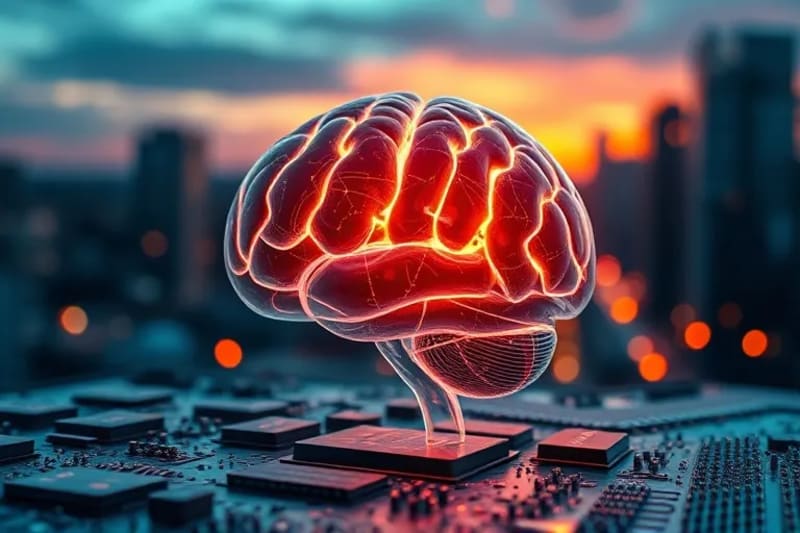 A conceptual visualization of the human brain's vulnerability within an advanced technological landscape, emphasizing the need for robust neuro-rights.
This 3D render is a conceptual artwork, freely available for educational purposes, reflecting the abstract challenges to mental privacy in the digital era.
At the international level, organizations like the OECD (Organisation for Economic Co-operation and Development) have issued recommendations on responsible innovation in neurotechnology, focusing on principles such as responsible use, human-centered design, and data governance. The European Union is also considering how existing data protection regulations, such as GDPR, can be extended or adapted to cover neural data, though many argue that specific neuro-rights legislation is necessary due to the unique nature of brain information. The challenge lies in creating regulations that are flexible enough to accommodate rapid technological advancements while being robust enough to protect fundamental human rights. This requires a multidisciplinary approach, bringing together legal experts, neuroscientists, engineers, and ethicists.
The development of these legal frameworks is a complex undertaking, as it requires defining new concepts and addressing unprecedented ethical dilemmas. Key considerations include establishing clear definitions for "neural data," determining ownership and control over such data, and outlining mechanisms for redress in cases of misuse. Furthermore, the global nature of technology necessitates international cooperation to ensure a harmonized approach, preventing regulatory arbitrage and ensuring universal protection for individuals. The ongoing discussions about Serverless Security Challenges and Cloud Computing Practices offer insights into the complexities of securing data in distributed digital environments, which can be relevant for neural data storage.
Challenges and the Future of Consciousness
Despite the growing recognition of neuro-rights, significant challenges remain. One of the most pressing is the rapid pace of technological innovation, which often outstrips the ability of legal and ethical frameworks to keep up. By the time a regulation is enacted, the technology it seeks to govern may have already evolved, creating new loopholes and vulnerabilities. This necessitates a dynamic and adaptive approach to governance, perhaps involving agile regulatory sandboxes or iterative policy development.
Another challenge is the global nature of neurotechnology development and deployment. Without international consensus and cooperation, different countries may adopt varying standards, leading to a fragmented regulatory landscape. This could create safe havens for unethical practices or make it difficult to enforce neuro-rights across borders. Establishing common principles and international agreements will be crucial for effective global governance.
The very definition of consciousness and identity in the context of advanced neuro-AI is also a philosophical challenge. As BCIs become more integrated and AI systems gain deeper insights into our minds, our understanding of what constitutes "self" may undergo a profound transformation. This future requires not only legal and ethical safeguards but also a societal reflection on our values and priorities. Ensuring that technology enhances, rather than diminishes, human flourishing and autonomy should be the guiding principle.
Safeguarding Mental Autonomy in the Digital Age
The battle for consciousness in the digital age is a multifaceted challenge that demands immediate attention. Protecting neuro-rights and mental privacy is not just about preventing misuse; it is about preserving the essence of what makes us human: our thoughts, emotions, and the freedom to control our own minds. This requires a concerted effort from governments, technologists, ethicists, and civil society to develop robust legal frameworks, promote ethical innovation, and foster public awareness.
Education plays a vital role in empowering individuals to understand the implications of neurotechnology and to advocate for their rights. As these technologies become more pervasive, individuals must be equipped with the knowledge to make informed decisions about their engagement with them. Ultimately, the goal is to harness the transformative potential of neurotechnology for the benefit of humanity, while ensuring that our fundamental rights and cognitive liberty remain inviolable. The future of consciousness depends on our collective ability to navigate this complex ethical and technological landscape with foresight and responsibility.
Explore More on Digital Ethics and Technology
- Rosalind Franklin Bioinformatics: Genomic Big Data Legacy
- Legal Tech Startups: Automation, Smart Contracts, Cybersecurity Growth
- Shift-Left Security: Integrating Cybersecurity Design Software
- Cyber-Predictive Astrology Metaverse: Navigating Digital Transits
Source: Hybrid content assisted by AI and human editorial supervision.


Comentarios