
Gut-Brain Axis: Nutritional Impact on Mental Health
The human body is an intricate network of interconnected systems, and among the most fascinating is the bidirectional communication highway between the gut and the brain. This complex relationship, often referred to as the gut-brain axis, is increasingly recognized as a critical determinant of both physical and mental health. Far from being merely a digestive organ, the gut, with its vast ecosystem of microorganisms, plays a profound role in regulating mood, cognition, and overall well-being.
Understanding this axis opens up new avenues for addressing mental health challenges, moving beyond traditional approaches to encompass nutritional and lifestyle interventions. This article explores the fundamental mechanisms of the gut-brain connection and delves into the specific nutritional implications that can foster a healthier mind through a healthier gut. We will examine how the foods we consume directly impact our brain chemistry, emotional stability, and cognitive function.
Table of Contents
- Understanding the Gut-Brain Axis
- The Microbiome: A Key Player
- Neurotransmitters and Gut Health
- Inflammation and Mental Health
- Nutritional Strategies for a Healthy Gut-Brain Axis
- Dietary Patterns and Mental Well-being
- Practical Tips for Optimizing Your Diet
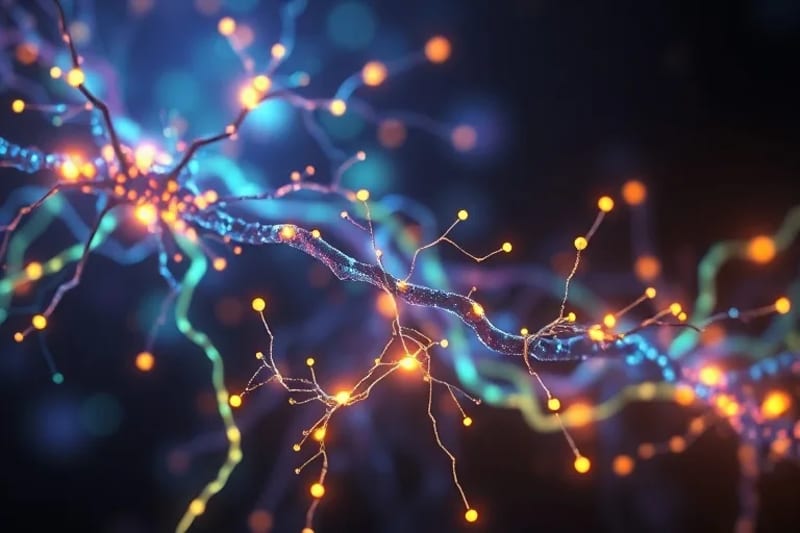
Visualizing the complex interplay between gut microbiota and neural pathways, a foundational concept for understanding mental well-being.
This conceptual rendering, generated by AI, illustrates the intricate biological dialogue between the gut and the brain, highlighting the profound impact of our internal ecosystem on our mental state.Understanding the Gut-Brain Axis
The gut-brain axis is a sophisticated communication system that involves several pathways. These include the vagus nerve, which acts as a direct neural link, connecting the brainstem to the gut. Hormonal signaling also plays a crucial role, with the gut producing various hormones that can influence brain function and behavior. Furthermore, the immune system and the metabolic byproducts of gut microbes contribute significantly to this intricate dialogue.
Scientific research has increasingly demonstrated that disturbances in this axis can manifest as a wide range of mental health conditions, including anxiety, depression, and even neurodegenerative disorders. The health of our gut directly influences the integrity of our brain, affecting everything from our mood regulation to our cognitive sharpness. This holistic view of health emphasizes that what we eat not only fuels our body but also profoundly shapes our mental landscape.
The Microbiome: A Key Player
At the heart of the gut-brain axis lies the gut microbiome—trillions of bacteria, viruses, fungi, and other microorganisms residing in our digestive tract. This microbial community is not merely a passive inhabitant; it actively participates in numerous physiological processes, including nutrient absorption, vitamin synthesis, and immune system modulation. A balanced and diverse microbiome is essential for optimal health.
Dysbiosis, an imbalance in the gut microbiota, has been linked to various mental health issues. When harmful bacteria outnumber beneficial ones, it can lead to increased inflammation, impaired nutrient absorption, and altered production of crucial neurochemicals. This imbalance can create a cascade of negative effects that ultimately impact brain function and emotional well-being. Therefore, nurturing a healthy microbiome is a cornerstone of mental health support.
Neurotransmitters and Gut Health
Perhaps one of the most direct ways the gut influences the brain is through the production of neurotransmitters. Serotonin, often dubbed the "feel-good" hormone, is a prime example. Astonishingly, about 90% of the body's serotonin is produced in the gut by enterochromaffin cells, with significant influence from gut bacteria. This gut-derived serotonin plays a vital role in regulating mood, sleep, appetite, and digestion.
Beyond serotonin, gut microbes also produce other neurotransmitters like gamma-aminobutyric acid (GABA), which helps calm the nervous system, and dopamine precursors. An imbalanced microbiome can disrupt this delicate production, potentially contributing to conditions like anxiety and depression. This highlights the critical importance of a healthy gut environment for maintaining optimal brain chemistry.
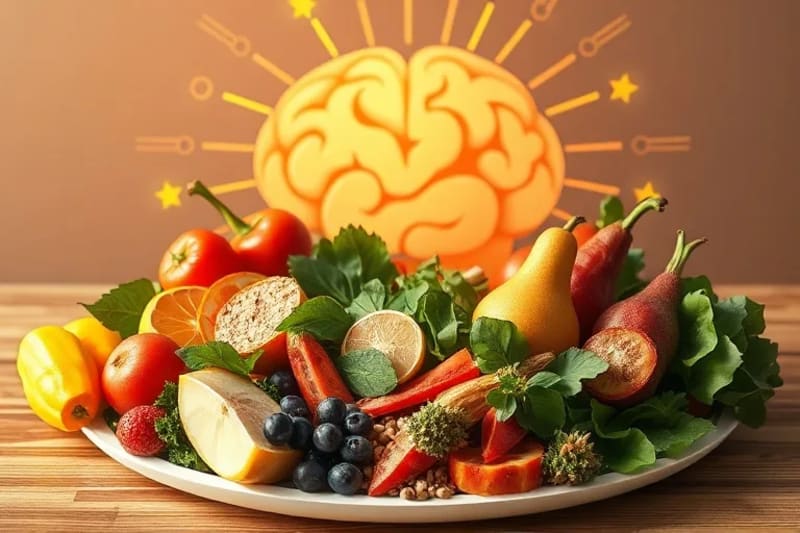
A balanced diet rich in whole foods is fundamental for supporting both gut health and cognitive function.
Inflammation and Mental Health
Chronic low-grade inflammation is a pervasive issue in modern society and is increasingly recognized as a contributing factor to various mental health disorders. The gut plays a significant role in regulating systemic inflammation. When the gut barrier, often referred to as the "gut lining," becomes compromised (a condition known as "leaky gut"), it can allow toxins and undigested food particles to enter the bloodstream.
This triggers an immune response, leading to widespread inflammation that can cross the blood-brain barrier and affect brain function. Inflammatory cytokines produced in the gut can directly impact brain cells, altering neurotransmitter activity and contributing to symptoms of depression and anxiety. Therefore, reducing gut inflammation through dietary choices is a powerful strategy for improving mental health. This concept is also explored in discussions around Digestive Biohacking for Elite Athletes, where gut integrity is paramount for performance.
Nutritional Strategies for a Healthy Gut-Brain Axis
Optimizing the gut-brain axis through nutrition involves a multi-faceted approach, focusing on foods that support a diverse microbiome, reduce inflammation, and provide essential nutrients for brain health. Here are key nutritional strategies:
- Probiotics and Prebiotics: Probiotics are live beneficial bacteria found in fermented foods like yogurt, kefir, sauerkraut, kimchi, and kombucha. They help replenish and diversify the gut microbiome. Prebiotics are non-digestible fibers that feed these beneficial bacteria, found in foods such as garlic, onions, leeks, asparagus, bananas, and oats.
- Omega-3 Fatty Acids: Found in fatty fish (salmon, mackerel, sardines), flaxseeds, chia seeds, and walnuts, omega-3s are crucial for brain health and have potent anti-inflammatory properties. They support neural membrane integrity and neurotransmitter function.
- Polyphenols: These plant compounds, abundant in berries, dark chocolate, green tea, and colorful vegetables, act as antioxidants and have anti-inflammatory effects. They also serve as prebiotics, promoting the growth of beneficial gut bacteria.
- Fiber-Rich Foods: Whole grains, legumes, fruits, and vegetables are excellent sources of dietary fiber. Fiber not only supports regular bowel movements but also provides sustenance for gut microbes, leading to the production of short-chain fatty acids (SCFAs) like butyrate, which have anti-inflammatory effects and nourish gut cells.
- Vitamins and Minerals: Micronutrients such as B vitamins, magnesium, zinc, and vitamin D are vital for neurotransmitter synthesis and overall brain function. Deficiencies in these can impair mental health.
Dietary Patterns and Mental Well-being
Beyond individual nutrients, overall dietary patterns significantly influence the gut-brain axis. The Mediterranean diet, for example, consistently shows benefits for mental health due to its emphasis on whole, unprocessed foods, healthy fats, and a rich array of plant-based ingredients. This dietary pattern naturally incorporates many of the nutritional strategies mentioned above.
Conversely, a Western-style diet, characterized by high intake of processed foods, refined sugars, unhealthy fats, and low fiber, is detrimental to gut health and has been linked to increased risk of mental health disorders. Such diets can promote dysbiosis, inflammation, and oxidative stress, all of which negatively impact the gut-brain axis. Exploring alternatives like Vegan Cuisine: Beyond Diet and Its Benefits can offer a path to a more gut-friendly eating style.

The intricate microbial ecosystem within the gut plays a pivotal role in modulating brain function and emotional states.
Practical Tips for Optimizing Your Diet
Implementing dietary changes to support your gut-brain axis doesn't have to be overwhelming. Small, consistent steps can lead to significant improvements in mental well-being. Consider these practical tips:
- Increase Fiber Intake Gradually: Add more fruits, vegetables, legumes, and whole grains to your meals. This helps feed beneficial gut bacteria.
- Incorporate Fermented Foods: Regularly consume small portions of probiotic-rich foods like yogurt, kefir, or fermented vegetables.
- Choose Healthy Fats: Opt for sources of omega-3s like fatty fish, avocados, nuts, and olive oil.
- Limit Processed Foods and Sugar: Reduce your intake of highly processed items, sugary drinks, and artificial sweeteners, which can negatively impact the microbiome.
- Stay Hydrated: Water is essential for all bodily functions, including digestion and nutrient transport.
- Mindful Eating: Pay attention to your hunger and fullness cues, and eat in a relaxed environment to aid digestion.
- Consider Supplements: If dietary intake is insufficient, discuss probiotic or specific nutrient supplements with a healthcare professional.
The connection between our gut and brain is a powerful reminder of the holistic nature of health. By making conscious nutritional choices, we can cultivate a thriving gut microbiome that, in turn, supports a resilient and balanced mind. Embracing a diet rich in whole, unprocessed foods is not just about physical health; it's a fundamental strategy for enhancing mental clarity, emotional stability, and overall quality of life. This integrated approach to well-being offers promising avenues for both prevention and complementary treatment of mental health conditions, underscoring the adage that "you are what you eat" in a profound new light.
Explore More on Mental Well-being
Dive deeper into related topics and expand your knowledge with our curated selection of articles:
- Energetic Cord Cutting: Releasing Unhealthy Attachments
- Dream Interpretation: Subconscious Messages from the Astral Realm
- Remote Work and Employment: Benefits, Challenges, and the Future of Work
Source: Hybrid content assisted by AI and human editorial supervision.


Comentarios