
Neuro-rights and Ethics in Generative AI: Safeguarding Digital Consciousness
Neuro-rights and Ethics in Generative AI: Safeguarding Digital Consciousness
The rapid evolution of artificial intelligence, particularly generative AI, has ushered in an era of unprecedented technological capability, blurring the lines between human and machine cognition. As AI systems become more sophisticated, capable of mimicking and even augmenting human thought processes, the concept of "neuro-rights" emerges as a critical ethical and legal frontier. These rights aim to protect the human brain and its activity from unauthorized access, manipulation, and exploitation by advanced technologies. This article delves into the intricate relationship between neuro-rights, the ethical challenges posed by generative AI, and the imperative to safeguard digital consciousness in an increasingly interconnected world.
The advancements in neurotechnology and AI are no longer confined to the realm of science fiction. Brain-computer interfaces (BCIs), neuro-imaging techniques, and sophisticated algorithms are making it possible to decode, influence, and even enhance neural activity. Generative AI, with its capacity to create novel content—from text and images to complex simulations—poses unique challenges, especially when applied to understanding or interacting with human thought. The ethical implications of these powerful tools necessitate a proactive approach to defining and enforcing neuro-rights, ensuring that human autonomy and mental privacy remain inviolable.
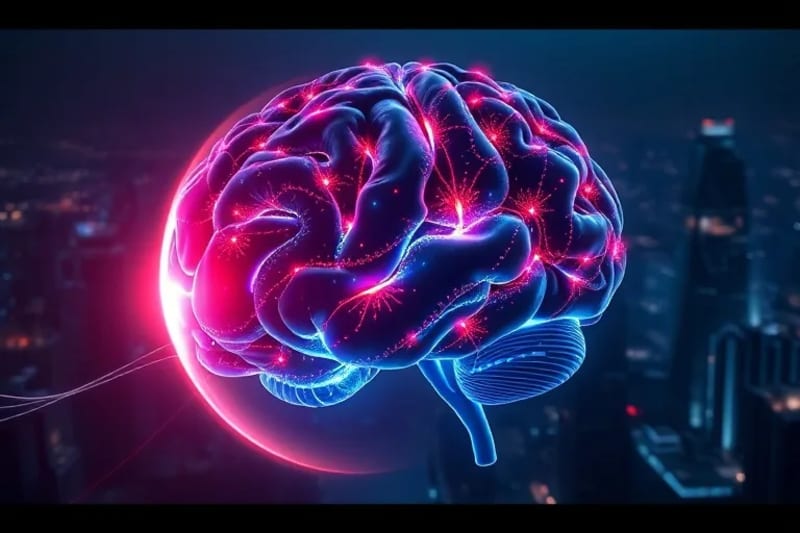
The intricate interplay of biological neural networks and digital information, highlighting the critical need for protective frameworks in the age of advanced AI.
Conceptual render created with AI, illustrating the convergence of neuroscience and digital ethics.The discussion around neuro-rights is not merely an academic exercise; it is a pragmatic response to emerging technological realities. As AI systems gain the ability to infer our intentions, emotions, and even memories from neural data, the potential for misuse—from targeted advertising based on subconscious desires to coercive manipulation—becomes a tangible threat. Establishing clear ethical guidelines and legal protections is paramount to navigating this complex landscape responsibly.
Table of Contents
- The Dawn of Neuro-rights: A New Frontier
- Generative AI: Capabilities and Ethical Quandaries
- The Intersection of Neuro-rights and Generative AI
- Key Neuro-rights: Definitions and Implications
- Legal and Regulatory Frameworks: Global Perspectives
- Technological Safeguards and Responsible AI Development
- Societal Impact and the Future of Digital Consciousness
The Dawn of Neuro-rights: A New Frontier
Neuro-rights represent a set of fundamental human rights designed to protect the brain and its output from the potential adverse impacts of neurotechnology and AI. This concept gained significant traction with the rapid advancements in brain-computer interfaces (BCIs), neuro-imaging, and machine learning algorithms that can interpret and even modify neural activity. The core idea is to extend existing human rights—such as privacy and freedom of thought—to the unique challenges posed by technologies that can directly interact with the brain.
The emergence of neuro-rights is a direct response to the increasing sophistication of tools that can access, monitor, and influence our cognitive processes. From medical applications that restore motor functions to potential consumer devices that enhance memory or focus, the line between therapeutic intervention and intrusive manipulation is becoming increasingly blurred. Early proponents, such as neuroethicist Rafael Yuste, emphasize the urgency of establishing these rights before the technology outpaces our ethical and legal frameworks.
- Historical Context: While the term "neuro-rights" is relatively new, the underlying concerns about mental privacy and cognitive liberty have roots in philosophical and legal discussions dating back centuries. The Universal Declaration of Human Rights provides a foundational basis for these new considerations.
- Technological Drivers: Advances in fMRI, EEG, deep brain stimulation, and optogenetics, coupled with powerful AI for data analysis, are making direct brain interaction feasible. These technologies can generate vast amounts of neural data, raising critical questions about ownership, consent, and usage.
- Preventive Approach: Unlike many rights that emerge in response to past abuses, neuro-rights are largely proactive, aiming to prevent potential harms before they become widespread. This foresight is crucial given the rapid pace of technological development.
Generative AI: Capabilities and Ethical Quandaries
Generative AI, exemplified by models like GPT and DALL-E, represents a paradigm shift in artificial intelligence. These systems are not merely analytical; they can create. From generating human-like text and realistic images to composing music and designing complex simulations, their creative capabilities are astounding. This power stems from their ability to learn intricate patterns from vast datasets and then produce novel outputs that often defy easy distinction from human-generated content.
The ethical quandaries associated with generative AI are multifaceted. Issues of intellectual property, deepfakes, misinformation, and algorithmic bias have already garnered significant attention. However, when generative AI is applied to understanding or interacting with human cognition, a new layer of complexity emerges. For instance, generative models could be trained on neural data to predict thoughts or even synthesize "memories," raising profound questions about identity and reality. The potential for these systems to influence human behavior or perception subtly is a significant concern.

A conceptual representation of the tension between data intrusion and the protection of individual cognitive processes in the digital sphere.
The ability of generative AI to create highly convincing synthetic content also poses risks to trust and authenticity. If AI can perfectly mimic human communication, how do we distinguish between genuine human expression and algorithmic fabrication? This challenge extends to the very fabric of our digital interactions and information consumption. The implications for areas such as journalism, education, and even personal relationships are profound, demanding careful consideration of authenticity and provenance.
- Synthetic Realities: Generative AI can create highly realistic but entirely fabricated images, videos, and audio, leading to the proliferation of deepfakes and misinformation. This capability can erode public trust and destabilize societal discourse.
- Intellectual Property: The training of generative models on vast datasets often involves copyrighted material, raising complex questions about ownership and fair use of AI-generated content.
- Algorithmic Bias: Generative models can perpetuate and amplify biases present in their training data, leading to discriminatory outputs in areas from hiring to creative expression. Addressing these biases requires careful data curation and ethical model design.
The Intersection of Neuro-rights and Generative AI
The convergence of neurotechnology and generative AI creates a unique ethical landscape. Imagine generative AI models trained on neural data to predict thoughts, generate personalized content based on subconscious preferences, or even synthesize experiences that feel indistinguishable from reality. This intersection highlights the urgent need for neuro-rights to act as a protective barrier around the sanctity of the human mind.
One critical area of concern is mental privacy. As BCIs become more common, generating streams of neural data, generative AI could be used to interpret this data with unprecedented accuracy, revealing thoughts, emotions, and even intentions. Without robust neuro-rights, this information could be exploited by corporations for hyper-targeted advertising or by governments for surveillance. The potential for artificial consciousness to mimic or even understand human subjective experience further complicates these issues.
Another significant challenge is cognitive liberty. Generative AI, when coupled with neuro-feedback mechanisms, could potentially be used to influence or subtly manipulate cognitive processes, altering perceptions, beliefs, or decision-making. This could range from benign applications, like personalized learning environments, to highly coercive uses, such as political propaganda or consumer manipulation. The ability of AI to generate compelling narratives and experiences, as discussed in the context of the evolution of human communication, makes this risk even more pronounced.
- Decoding Intentions: Generative AI could analyze neural patterns to infer user intentions or preferences, leading to highly personalized but potentially manipulative digital experiences.
- Synthetic Experiences: AI could generate realistic sensory inputs directly into the brain via neurotechnology, creating virtual realities or even "dreamscapes" that blur the lines between real and artificial.
- Identity and Authenticity: If AI can generate thoughts or memories, questions arise about the authenticity of one's own mental landscape and the integrity of personal identity.
Key Neuro-rights: Definitions and Implications
While the exact formulation of neuro-rights is still evolving, several core tenets are widely discussed among neuroethicists and legal scholars. These rights aim to provide a comprehensive framework for protecting human cognitive integrity in the face of advancing neurotechnology and AI.
| Neuro-right | Definition | Implications for Generative AI |
|---|---|---|
| Right to Mental Privacy | The right to protect one's brain data from unauthorized access, collection, storage, and use. | Prevents AI from decoding thoughts or emotions without explicit consent; limits use of neural data for training generative models. |
| Right to Cognitive Liberty | The right to make free and informed decisions about one's own mind, including the use of neurotechnology and mental augmentation. | Ensures individuals are not coerced or manipulated by AI-driven neuro-stimulation or personalized content designed to alter beliefs. |
| Right to Mental Integrity | The right to protect one's mental processes from unauthorized alteration or enhancement by external technologies. | Safeguards against AI-induced changes to perception, memory, or personality, ensuring the mind remains unaltered without consent. |
| Right to Psychological Continuity | The right to maintain one's personal identity and the continuity of one's sense of self, free from external disruption. | Protects against AI-generated false memories or experiences that could fragment a person's sense of self or personal history. |
| Right to Fair Access to Neuro-enhancement | The right to equitable access to beneficial neurotechnologies, preventing a "cognitive divide" between enhanced and unenhanced individuals. | Ensures that AI-powered cognitive enhancements are available broadly, preventing societal stratification based on access to advanced technology. |
These rights are not mutually exclusive but rather form an interconnected web of protections. The right to mental privacy, for instance, is foundational to cognitive liberty, as one cannot make free choices if their thoughts are constantly monitored. Similarly, mental integrity underpins psychological continuity, ensuring that the essence of who we are remains intact. The complexity of these rights underscores the need for comprehensive legal and ethical frameworks that can adapt to rapid technological change.
Legal and Regulatory Frameworks: Global Perspectives
The legal and regulatory landscape for neuro-rights is still in its nascent stages, but several countries and international bodies are beginning to address these concerns. Chile, for example, has been a pioneer, amending its constitution to protect mental integrity and brain activity, and passing a law to regulate neurotechnologies. This bold step sets a precedent for other nations grappling with the ethical implications of advanced AI and neurotechnology.
Internationally, organizations like the United Nations and UNESCO have started discussions on the ethical governance of AI and neurotechnology. While no universal neuro-rights framework exists yet, existing human rights laws provide a foundation. Data protection regulations, such as the GDPR in Europe, offer some safeguards for neural data, treating it as highly sensitive personal information. However, these frameworks often fall short of addressing the unique challenges of direct brain interaction and manipulation. The broader legal challenges surrounding AI and data sovereignty highlight the need for specialized legislation.

A vision of advanced digital security measures designed to protect individual cognitive processes and ensure the integrity of human consciousness in a technologically augmented future.
The development of effective legal frameworks requires interdisciplinary collaboration among neuroscientists, ethicists, lawyers, policymakers, and AI developers. It also necessitates a global perspective, as neurotechnologies and AI are inherently transnational. Harmonizing regulations across different jurisdictions will be crucial to prevent regulatory arbitrage and ensure consistent protection for individuals worldwide. The lessons learned from regulating other complex technologies, such as genetic engineering, can inform the path forward for neuro-rights.
- Chilean Precedent: Chile's constitutional amendment and law are a landmark, explicitly recognizing neuro-rights and paving the way for other nations to follow suit.
- International Dialogue: UNESCO and the UN are facilitating discussions to establish global ethical guidelines and potentially a universal declaration on neuro-rights.
- Limitations of Existing Laws: Current data protection and privacy laws, while useful, do not fully address the nuances of direct brain interaction, manipulation, or the unique nature of neural data.
Technological Safeguards and Responsible AI Development
Beyond legal and ethical frameworks, technological safeguards are essential for implementing neuro-rights in practice. Developers of neurotechnologies and generative AI have a responsibility to incorporate privacy-by-design and security-by-design principles from the outset. This includes robust encryption for neural data, transparent algorithms, and user-centric control mechanisms that allow individuals to manage their own brain data and interactions with AI.
Responsible AI development also entails rigorous testing for biases, unintended consequences, and potential for misuse. Generative AI models that interact with neural data should be subject to independent audits and ethical reviews. Furthermore, the development of "explainable AI" (XAI) is crucial, allowing users and regulators to understand how AI systems arrive at their conclusions or generate their outputs, especially when these outputs relate to human cognition. This transparency helps build trust and accountability. The impact of digital environments on the brain further underscores the need for ethical design.
Open-source development and collaborative research can also play a vital role in fostering responsible innovation. By sharing best practices and developing common standards, the AI and neurotechnology communities can collectively work towards creating systems that respect and uphold neuro-rights. Public education and awareness campaigns are also necessary to empower individuals to understand their rights and the implications of these technologies.
- Privacy-by-Design: Integrating data protection and privacy measures into the core architecture of neurotechnologies and AI from the initial design phase.
- Transparency and Explainability: Developing AI models whose decision-making processes are understandable and auditable, especially when dealing with sensitive neural data.
- User Control: Empowering individuals with granular control over their neural data, including who can access it, how it's used, and the ability to revoke consent.
Societal Impact and the Future of Digital Consciousness
The widespread adoption of neurotechnologies and generative AI will undoubtedly have profound societal impacts, reshaping our understanding of consciousness, identity, and human interaction. While these technologies promise immense benefits—from treating neurological disorders to enhancing human capabilities—they also present unprecedented challenges to our fundamental rights and societal structures. The future of digital consciousness hinges on our collective ability to navigate these complexities responsibly.
One major concern is the potential for a "cognitive divide," where access to neuro-enhancements and AI-driven cognitive tools creates new forms of inequality. Ensuring equitable access to beneficial technologies, while simultaneously protecting against their misuse, will be a delicate balancing act. Furthermore, the very definition of "human" may evolve as our minds become increasingly intertwined with artificial intelligence. This raises philosophical questions about what it means to be human in an age of augmented cognition.
Safeguarding digital consciousness is not just about protecting individual rights; it's about preserving the essence of human autonomy and dignity in an increasingly technologically mediated world. It requires ongoing dialogue, adaptive governance, and a commitment to ethical innovation. The decisions we make today regarding neuro-rights and generative AI will shape the future of human experience for generations to come, defining the boundaries between human thought and algorithmic influence.
- Redefining Humanity: The integration of AI and neurotechnology will challenge traditional notions of human identity, consciousness, and what constitutes a "natural" mind.
- Ethical Governance: Continuous adaptation of ethical guidelines and legal frameworks will be necessary to keep pace with rapid technological advancements.
- Global Collaboration: International cooperation is vital to ensure consistent protections and prevent ethical loopholes in the development and deployment of these powerful tools.
Explore More Relevant Content
Source: Hybrid content assisted by AI and human editorial supervision.


Comentarios