
Timed Nutrition Supplementation: Circadian Cycle, Hormonal Health
In the intricate dance of human physiology, the circadian rhythm plays a pivotal role, orchestrating nearly every biological process, from sleep-wake cycles to hormone secretion and metabolic function. This internal 24-hour clock, primarily regulated by light exposure, profoundly influences our health and well-being. Modern lifestyles, often characterized by irregular eating patterns, artificial light exposure, and chronic stress, frequently disrupt this delicate rhythm, leading to a cascade of negative health consequences, including metabolic dysfunction, hormonal imbalances, and impaired cognitive performance.
Timed nutrition, also known as chrononutrition, emerges as a powerful strategy to realign our dietary habits with our natural biological rhythms. This approach goes beyond what we eat, delving into the critical aspect of when we eat. By strategically timing nutrient intake, we can optimize metabolic efficiency, enhance hormonal signaling, and support overall physiological harmony. Coupled with advanced supplementation, this integrated strategy offers a sophisticated pathway to unlock peak health and longevity.

A serene depiction of the circadian rhythm's influence at dawn, symbolizing the body's internal clock.
This comprehensive guide explores the scientific underpinnings of timed nutrition and advanced supplementation, offering actionable insights into how these practices can be leveraged to optimize your circadian cycle and promote robust hormonal health. We will delve into the mechanisms by which food timing impacts metabolism, the specific nutrients and supplements that support circadian function, and practical strategies for integrating these principles into daily life.
The goal is to provide an educational and informed perspective, grounded in scientific research, to empower individuals to make conscious choices that harmonize their internal biology with their external environment, fostering sustained vitality and resilience.
Table of Contents
- Understanding the Circadian Rhythm: The Body's Internal Clock
- Principles of Chrononutrition: Eating in Sync with Your Biology
- Key Macronutrients and Micronutrients: Timing for Optimal Function
- Advanced Supplementation Strategies for Circadian and Hormonal Support
- The Interplay: How Circadian Rhythm and Nutrition Influence Hormonal Health
- Practical Implementation: Designing Your Timed Nutrition and Supplementation Plan
- Future Perspectives: Research and Personalized Approaches
Understanding the Circadian Rhythm: The Body's Internal Clock
The circadian rhythm is a natural, internal process that regulates the sleep-wake cycle and repeats roughly every 24 hours. It is endogenously generated but is entrained by external cues, most notably light and darkness. The master clock, known as the suprachiasmatic nucleus (SCN), is located in the hypothalamus of the brain and receives direct input from the eyes, making it highly sensitive to light exposure.
Beyond the SCN, nearly every cell and organ in the body possesses its own peripheral clocks, which are synchronized by the master clock but also influenced by local cues such as feeding times, physical activity, and temperature. These peripheral clocks regulate organ-specific functions, including nutrient absorption, detoxification, and hormone production. When the master clock and peripheral clocks become desynchronized, often due to shift work, jet lag, or erratic eating habits, it can lead to various health issues.
Disruptions to the circadian rhythm have been linked to an increased risk of obesity, type 2 diabetes, cardiovascular disease, mood disorders, and certain cancers. Understanding the profound impact of this internal clock is the first step towards optimizing our daily routines, including our nutritional strategies, to support biological harmony.
Principles of Chrononutrition: Eating in Sync with Your Biology
Chrononutrition is the science of aligning food intake with the body's natural circadian rhythms to optimize metabolic processes and overall health. It recognizes that the body's capacity to digest, absorb, and metabolize nutrients varies throughout the day, influenced by fluctuating hormone levels and enzyme activity. Eating at optimal times can enhance nutrient utilization, reduce inflammation, and support healthy weight management.
Key principles of chrononutrition include:
- Early and Substantial Breakfast: Consuming a nutrient-dense breakfast within a few hours of waking helps kickstart metabolism, stabilize blood sugar, and provide energy for the day. Studies suggest that a larger breakfast can improve glucose tolerance and reduce insulin resistance compared to a larger dinner.
- Moderate Lunch: A balanced lunch supports sustained energy and cognitive function without causing post-meal fatigue. It should ideally be consumed mid-day, providing a mix of macronutrients.
- Lighter Dinner: Eating a smaller, easily digestible dinner several hours before bedtime allows the body to focus on repair and regeneration during sleep, rather than active digestion. Late-night eating has been associated with impaired glucose metabolism and increased fat storage.
- Consistent Meal Times: Regularity in meal timing helps entrain peripheral clocks and reinforce the circadian rhythm, leading to more stable hormone levels and improved metabolic health.
- Avoiding Late-Night Snacking: Consuming food close to bedtime can disrupt melatonin production, impair sleep quality, and negatively impact metabolic markers.
By adhering to these principles, individuals can leverage their body's natural metabolic peaks and troughs, enhancing energy levels, improving digestive comfort, and fostering a more balanced internal environment.
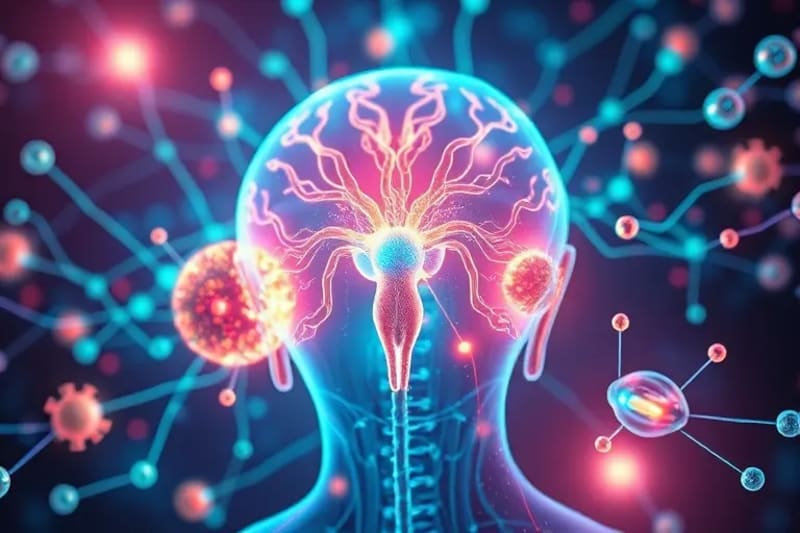
An abstract depiction of the endocrine system's connection to nutrients and supplements.
Key Macronutrients and Micronutrients: Timing for Optimal Function
The timing of specific macronutrients and micronutrients can further optimize circadian and hormonal health. Different nutrients have distinct roles and are processed more efficiently at certain times of the day.
- Carbohydrates: Complex carbohydrates, especially those rich in fiber, can be beneficial in the evening as they may support serotonin and melatonin production, promoting relaxation and sleep. However, excessive simple carbohydrates late in the day can spike blood sugar and disrupt sleep. During the day, complex carbs provide sustained energy.
- Proteins: Distributing protein intake throughout the day, including breakfast, helps maintain muscle mass and satiety. Tryptophan-rich proteins in the evening may aid sleep.
- Fats: Healthy fats are crucial for hormone production and satiety. Their timing is less critical than carbohydrates or proteins, but ensuring adequate intake throughout the day is important.
- Micronutrients:
- Magnesium: Often called the "relaxation mineral," magnesium can be beneficial in the evening to support sleep and reduce muscle cramps.
- B Vitamins: Essential for energy metabolism, B vitamins are typically best taken in the morning or early afternoon to support energy production.
- Vitamin D: While important for overall health, some research suggests taking Vitamin D in the morning may be preferable, as high doses taken at night could potentially interfere with melatonin.
- Zinc: Involved in immune function and hormone regulation, zinc can be taken with meals.
- Antioxidants: Consuming antioxidant-rich fruits and vegetables throughout the day supports cellular health and reduces oxidative stress.
For more insights into optimizing nutrient intake for specific health goals, you might find valuable information in articles discussing Biohacking Digestive Elite Athletes Microbiome Performance, which highlights the interconnectedness of diet and mental well-being.
Advanced Supplementation Strategies for Circadian and Hormonal Support
Beyond whole foods, targeted supplementation can provide additional support for circadian rhythm regulation and hormonal balance. However, it is crucial to consult with a healthcare professional before starting any new supplement regimen.
Considerations for advanced supplementation:
- Melatonin: While naturally produced by the pineal gland in response to darkness, exogenous melatonin can be used cautiously for acute circadian disruptions like jet lag or shift work. Its timing is critical, usually taken 30-60 minutes before desired sleep. Long-term use should be carefully managed under medical supervision.
- Adaptogens: Herbs like Ashwagandha, Rhodiola, and Ginseng can help the body adapt to stress, indirectly supporting adrenal health and cortisol regulation. Ashwagandha, for example, may be beneficial in the evening to promote relaxation, while Rhodiola is often taken in the morning for energy.
- Omega-3 Fatty Acids: EPA and DHA, found in fish oil, have anti-inflammatory properties and support cell membrane health, which is vital for hormonal signaling. They can be taken with meals at any time of day.
- Probiotics and Prebiotics: A healthy gut microbiome is increasingly recognized for its role in circadian rhythm and hormone regulation, particularly through the gut-brain axis. Supplementation can support microbial diversity.
- Inositol: This compound, often considered a B-vitamin-like substance, has shown promise in supporting insulin sensitivity and hormonal balance, particularly in conditions like Polycystic Ovary Syndrome (PCOS).
- Amino Acids: L-Theanine, found in green tea, can promote relaxation without drowsiness and may be taken in the evening. 5-HTP is a precursor to serotonin and melatonin and can be used cautiously to support sleep and mood.
The field of Deep Sleep Biohacking: Chronobiology, Cellular Recovery, Longevity often incorporates these advanced supplementation strategies, tailoring them to individual genetic and lifestyle factors for maximum efficacy.
The Interplay: How Circadian Rhythm and Nutrition Influence Hormonal Health
The relationship between circadian rhythm, nutrition, and hormonal health is deeply intertwined and bidirectional. Disruptions in one area inevitably affect the others, creating a complex feedback loop.
- Cortisol: The "stress hormone" cortisol follows a distinct circadian pattern, peaking in the morning to promote wakefulness and gradually declining throughout the day to facilitate sleep. Chronic circadian disruption, such as irregular sleep or meal times, can flatten or invert this curve, leading to fatigue, anxiety, and impaired immune function. Timed nutrition, especially avoiding late-night meals, helps maintain a healthy cortisol rhythm.
- Melatonin: The "sleep hormone" melatonin is produced in response to darkness, signaling the body to prepare for sleep. Exposure to artificial light at night, particularly blue light, suppresses melatonin production. Eating late can also interfere with its synthesis. Strategic light exposure and meal timing are crucial for optimal melatonin secretion.
- Insulin and Glucose Metabolism: Insulin sensitivity is highest in the morning and gradually decreases throughout the day. This means the body is more efficient at processing carbohydrates earlier in the day. Late-night eating, especially of high-glycemic foods, can lead to insulin resistance and increased risk of type 2 diabetes. Chrononutrition aims to align carbohydrate intake with periods of higher insulin sensitivity.
- Leptin and Ghrelin: These hormones regulate hunger and satiety. Circadian disruption can alter their balance, leading to increased appetite, cravings, and weight gain. Consistent meal times and adequate sleep help normalize these hunger signals.
- Sex Hormones: Hormones like estrogen, progesterone, and testosterone are also influenced by circadian rhythms. Chronic sleep deprivation and metabolic dysfunction, often stemming from circadian disruption, can negatively impact their production and balance, affecting fertility, mood, and overall vitality.
Optimizing the circadian rhythm through timed nutrition and lifestyle choices directly supports the intricate symphony of hormonal regulation, contributing to improved energy, mood, metabolism, and reproductive health.

An artful arrangement of nutrient-rich foods and supplements, symbolizing precision in dietary choices.
Practical Implementation: Designing Your Timed Nutrition and Supplementation Plan
Implementing timed nutrition and advanced supplementation requires a personalized approach, considering individual lifestyle, health goals, and existing conditions. Here's a general framework:
- Establish a Consistent Sleep-Wake Schedule: This is the cornerstone of circadian optimization. Aim to go to bed and wake up at roughly the same time each day, even on weekends.
- Prioritize Morning Light Exposure: Get natural light exposure within an hour of waking to signal your SCN and suppress melatonin.
- Front-Load Your Calories: Consume the majority of your daily calories earlier in the day. Make breakfast your largest meal, followed by a moderate lunch, and a lighter dinner.
- Create an Eating Window: Consider an eating window of 8-12 hours, allowing for a longer fasting period overnight. This supports cellular repair processes like autophagy.
- Time Your Macronutrients:
- Breakfast: High protein, healthy fats, complex carbohydrates.
- Lunch: Balanced protein, fats, and complex carbohydrates.
- Dinner: Lean protein, non-starchy vegetables, healthy fats. Limit heavy carbohydrates.
- Strategic Supplementation:
- Morning: B vitamins, Vitamin D (if needed), adaptogens like Rhodiola.
- Evening: Magnesium, L-Theanine, Ashwagandha, Melatonin (if prescribed and for short-term use).
- With Meals: Omega-3s, probiotics, zinc.
- Hydration: Maintain consistent hydration throughout the day, primarily with water.
- Limit Evening Light Exposure: Minimize exposure to blue light from screens several hours before bedtime.
Remember that consistency is key. Small, sustainable changes over time will yield the most significant benefits. Tracking your energy levels, sleep quality, and mood can help you fine-tune your approach. For those interested in pushing the boundaries of physiological optimization, exploring concepts like can offer further personalized strategies.
Future Perspectives: Research and Personalized Approaches
The fields of chrononutrition and biohacking are continuously evolving, with ongoing research shedding new light on the intricate connections between diet, circadian rhythms, and hormonal health. Future advancements are likely to bring even more personalized approaches, leveraging technologies such as wearable sensors, continuous glucose monitors, and genetic testing to provide highly tailored recommendations.
Researchers are exploring the impact of the gut microbiome on circadian rhythmicity and hormone production, opening new avenues for targeted interventions. The development of "smart" supplements designed for specific chronobiological effects is also a promising area. As our understanding deepens, the ability to fine-tune our internal clocks through precise nutritional and supplemental strategies will become even more sophisticated.
Ultimately, the goal is to empower individuals with the knowledge and tools to live in greater harmony with their biological design, optimizing health, preventing disease, and enhancing overall quality of life. By embracing the principles of timed nutrition and advanced supplementation, we can take significant steps towards achieving this goal, fostering a future where well-being is not just a fortunate state, but a cultivated art and science.
Fuente: Contenido híbrido asistido por IAs y supervisión editorial humana.


Comentarios