
Biohacking Digestive Elite Athletes Microbiome Performance
In the relentless pursuit of athletic excellence, elite athletes constantly seek cutting-edge advantages. Beyond conventional training and diet, a revolutionary frontier is emerging: digestive biohacking. This advanced approach delves deep into the intricate workings of the gastrointestinal system, recognizing it not merely as a digestive organ but as a central hub for overall health, energy production, and peak performance.
Digestive biohacking for elite athletes involves optimizing gut health through targeted interventions, functional nutrition, and a deep understanding of the microbiome. It's about fine-tuning the body's internal environment to enhance nutrient absorption, reduce inflammation, bolster immunity, and ultimately, unlock sustainable, superior athletic capabilities. This guide will introduce you to the core principles and practical applications of this transformative field.
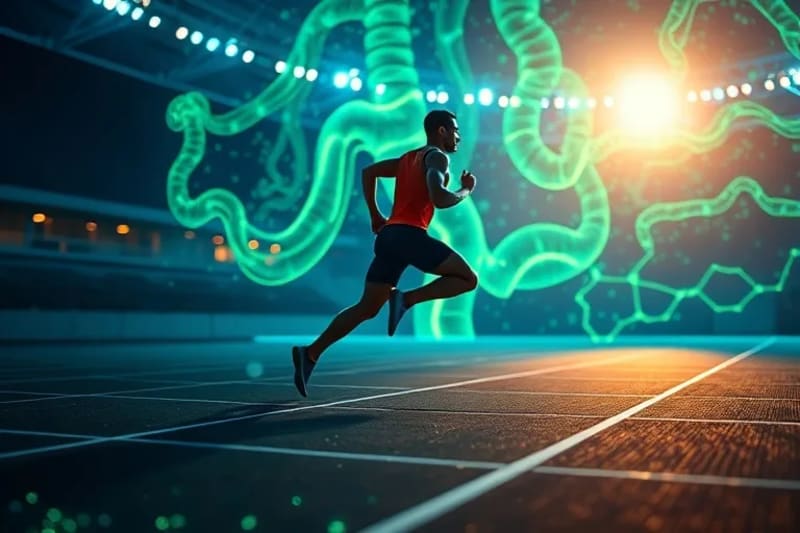
The synergy between an athlete's internal digestive health and their external performance is a critical frontier in modern sports science.
Table of Contents
- 1. Understanding Digestive Biohacking for Athletes
- 2. The Gut Microbiome: Athlete's Hidden Powerhouse
- 3. Functional Nutrition Strategies for Peak Gut Health
- 4. Key Biohacking Interventions for Digestive Optimization
- 5. Monitoring and Personalization: The Future of Athletic Gut Health
- 6. Sustainable Performance Through Digestive Wellness
1. Understanding Digestive Biohacking for Athletes
Digestive biohacking is the science and art of manipulating one's internal biology, specifically the gut, to improve physical and mental performance. For athletes, this translates into tangible benefits such as enhanced energy levels, faster recovery times, reduced susceptibility to illness, and improved cognitive function under pressure. It moves beyond generic dietary advice to a highly personalized approach, recognizing that each athlete's digestive system is unique.
The gastrointestinal tract is often referred to as the "second brain" due to its extensive neural network and its profound influence on systemic health. An optimized gut ensures efficient nutrient absorption, which is paramount for fueling intense training sessions and competitions. Furthermore, a healthy gut barrier prevents the leakage of undigested food particles and toxins into the bloodstream, a condition known as "leaky gut," which can trigger systemic inflammation and impair performance.
Athletes often push their bodies to extremes, leading to increased physiological stress that can negatively impact gut integrity. Factors like strenuous exercise, dehydration, and even certain medications can disrupt the delicate balance of the gut environment. Digestive biohacking aims to counteract these stressors, building resilience and promoting an optimal internal milieu for consistent high-level performance.
2. The Gut Microbiome: Athlete's Hidden Powerhouse
At the heart of digestive biohacking lies the gut microbiome – the trillions of microorganisms residing in the digestive tract. This complex ecosystem plays a pivotal role in an athlete's health and performance, influencing everything from metabolism and energy production to immune function and mental well-being. A diverse and balanced microbiome is a hallmark of a healthy gut, contributing significantly to an athlete's competitive edge.
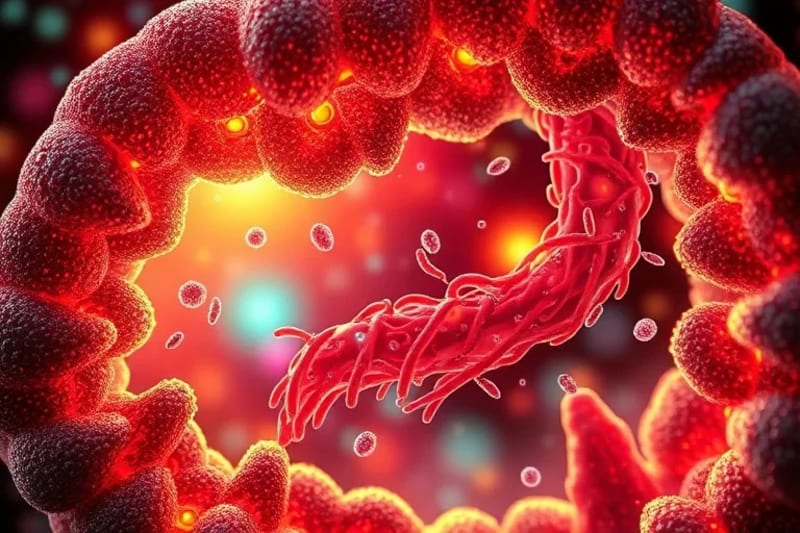
A balanced and diverse gut microbiome is essential for an athlete's overall health, energy, and immune resilience.
The gut microbiota aids in the digestion of complex carbohydrates, producing short-chain fatty acids (SCFAs) like butyrate, which serve as a primary energy source for colon cells and possess potent anti-inflammatory properties. These SCFAs can also influence systemic energy metabolism, potentially improving endurance and reducing fatigue during prolonged exertion. Furthermore, a robust microbiome is crucial for synthesizing essential vitamins, including B vitamins and vitamin K, vital for energy pathways and blood clotting.
Beyond energy, the gut microbiome is intrinsically linked to the immune system. Approximately 70-80% of the body's immune cells reside in the gut. A healthy microbiome helps train and regulate these immune cells, reducing the incidence of infections and inflammatory responses that can sideline an athlete. Dysbiosis, an imbalance in the gut microbiota, can lead to increased inflammation, digestive issues, and a compromised immune system, directly impacting an athlete's ability to train and compete.
Emerging research also highlights the gut-brain axis, demonstrating how gut health influences mood, cognitive function, and stress response. For elite athletes, maintaining mental fortitude and focus is as critical as physical prowess. An optimized gut can contribute to better neurotransmitter balance, potentially reducing anxiety and improving mental clarity, offering a significant psychological advantage.
3. Functional Nutrition Strategies for Peak Gut Health
Functional nutrition is the cornerstone of digestive biohacking. It emphasizes nutrient-dense, whole foods tailored to an individual's unique needs, focusing on optimizing physiological function rather than just meeting basic dietary requirements. For athletes, this means a strategic approach to food choices that actively supports gut health and, by extension, performance.
Key components of a gut-friendly functional nutrition plan include:
- Prebiotic-Rich Foods: Prebiotics are non-digestible fibers that feed beneficial gut bacteria. Sources include garlic, onions, leeks, asparagus, bananas, oats, and apples. Incorporating a variety of these foods helps foster a diverse and thriving microbiome.
- Probiotic-Rich Foods: Probiotics are live beneficial bacteria found in fermented foods. Examples include sauerkraut, kimchi, kefir, yogurt (with live active cultures), kombucha, and tempeh. Regular consumption can help replenish and diversify gut flora.
- Anti-Inflammatory Diet: Emphasize foods known for their anti-inflammatory properties, such as colorful fruits and vegetables, omega-3 rich fatty fish (salmon, mackerel), nuts, seeds, and healthy fats like olive oil. Limiting processed foods, refined sugars, and excessive red meat can significantly reduce systemic inflammation.
- Adequate Fiber Intake: Beyond prebiotics, a broad spectrum of dietary fiber from whole grains, legumes, fruits, and vegetables is crucial for bowel regularity and overall gut health. Fiber acts as a scrub brush for the intestines and supports healthy microbial balance.
- Hydration: Water is fundamental for digestive health, aiding in nutrient transport, stool formation, and maintaining the mucosal lining of the gut. Athletes, in particular, need diligent hydration strategies.
Personalized nutrition also plays a vital role. What works for one athlete may not work for another. Food sensitivities, allergies, and individual metabolic responses can significantly impact gut health. Working with a functional nutritionist can help identify specific dietary triggers and create a tailored plan that optimizes digestive function without compromising caloric or macronutrient needs for performance.
4. Key Biohacking Interventions for Digestive Optimization
Beyond diet, several biohacking interventions can further optimize digestive health for elite athletes:
- Targeted Supplementation: While whole foods are primary, specific supplements can address deficiencies or provide targeted gut support. These might include:
- Probiotics: High-quality, multi-strain probiotics can help rebalance the microbiome, especially after antibiotic use or periods of high stress.
- Digestive Enzymes: Can aid in breaking down food, improving nutrient absorption, particularly for athletes with compromised digestion.
- L-Glutamine: An amino acid crucial for gut barrier integrity, helping to repair and maintain the intestinal lining.
- Omega-3 Fatty Acids: Potent anti-inflammatory agents that support overall gut health.
- Botanicals: Herbs like ginger, turmeric, and peppermint can offer anti-inflammatory and digestive support. Certain natural extracts, like Tribulus Terrestris, are also explored for their potential benefits in athletic performance and recovery, though their direct impact on gut health needs further research.
- Intermittent Fasting (IF): Strategic fasting periods can give the digestive system a rest, promote gut healing, and enhance cellular repair processes like autophagy. The timing and duration of IF must be carefully managed for athletes to avoid energy deficits.
- Stress Management: The gut-brain axis means chronic stress directly impacts digestive function. Techniques like meditation, mindfulness, deep breathing exercises, and adequate rest are crucial. Exploring holistic practices such as Reiki and energetic healing can also contribute to overall well-being and stress reduction, indirectly supporting gut health.
- Sleep Optimization: Quality sleep is non-negotiable for recovery and gut health. Poor sleep can disrupt gut microbiota balance and increase inflammation. Prioritizing 7-9 hours of restorative sleep is essential.
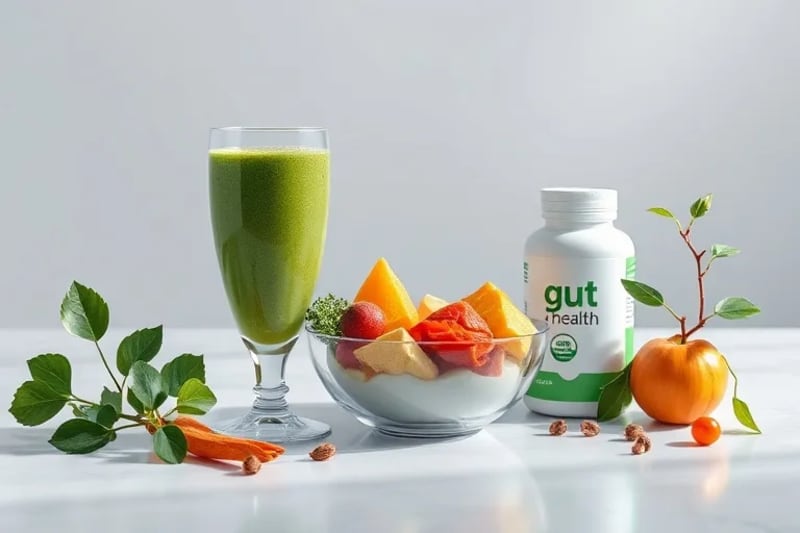
Functional nutrition elements like fermented foods, smoothies, and targeted supplements are key tools in digestive biohacking.
5. Monitoring and Personalization: The Future of Athletic Gut Health
The true power of digestive biohacking lies in its personalized nature. Generic advice yields generic results. For elite athletes, precise data and continuous monitoring are crucial for tailoring interventions and tracking progress. This involves a combination of advanced testing and expert interpretation.
Key diagnostic tools include:
- Comprehensive Stool Testing: These tests analyze the composition of the gut microbiome, identifying beneficial and pathogenic bacteria, yeast, parasites, and markers of inflammation and digestive function. This provides a detailed snapshot of the gut ecosystem.
- Breath Tests: Used to detect Small Intestinal Bacterial Overgrowth (SIBO) or carbohydrate malabsorption, which can cause digestive distress and nutrient deficiencies.
- Food Sensitivity/Allergy Testing: Helps identify specific foods that may be triggering inflammatory responses or digestive issues in an individual.
- Blood Markers: Assessing inflammatory markers (e.g., CRP), nutrient levels, and immune function can provide systemic insights related to gut health.
Beyond laboratory tests, athletes can also utilize wearable technology to monitor physiological responses, such as heart rate variability (HRV) and sleep patterns, which indirectly reflect gut health and overall stress load. Keeping a detailed food and symptom journal can also help identify patterns and correlations between diet, lifestyle, and digestive well-being. The interpretation of these complex data points often requires collaboration with functional medicine practitioners, sports nutritionists, and gastroenterologists who specialize in gut health.
6. Sustainable Performance Through Digestive Wellness
Ultimately, digestive biohacking is not about quick fixes but about building a foundation for sustainable performance and long-term health. For elite athletes, a healthy gut contributes to career longevity, reducing the risk of injuries, chronic inflammation, and burnout. It ensures consistent energy, robust immunity, and optimal recovery, allowing athletes to perform at their peak year after year.
The holistic nature of this approach acknowledges that external factors also play a role in an athlete's overall health and performance. For instance, environmental factors like air pollution can impact respiratory health, which in turn affects oxygen delivery and overall physiological stress, indirectly influencing digestive function. Therefore, a comprehensive biohacking strategy considers both internal and external influences.
By investing in their digestive health, elite athletes are not just optimizing their performance; they are investing in their overall well-being, both during and after their competitive careers. Digestive biohacking represents a paradigm shift, moving from treating symptoms to proactively cultivating a thriving internal ecosystem that supports unparalleled athletic achievement.
Related Topics & Further Reading
Source: Hybrid content assisted by AI and human editorial supervision.


Comentarios