
Deep Sleep Biohacking: Chronobiology, Cellular Recovery, Longevity
Deep sleep biohacking represents a cutting-edge approach to optimizing one of the most fundamental aspects of human health: rest. This discipline goes beyond conventional sleep hygiene, delving into the intricate biological processes that govern our sleep cycles and their profound impact on overall well-being and longevity. By understanding and manipulating these processes, individuals can unlock enhanced cognitive function, accelerated physical recovery, and a more robust physiological state.
The quest for optimal sleep has evolved from merely getting enough hours to strategically engineering our rest periods. This involves a multidisciplinary perspective, integrating insights from chronobiology, neuroscience, and advanced technology. The goal is not just to sleep, but to achieve truly restorative deep sleep, maximizing its benefits for cellular repair, hormonal balance, and long-term health. This article explores the core principles, scientific underpinnings, and practical strategies of deep sleep biohacking, offering a comprehensive guide for those seeking to revolutionize their nightly rejuvenation.
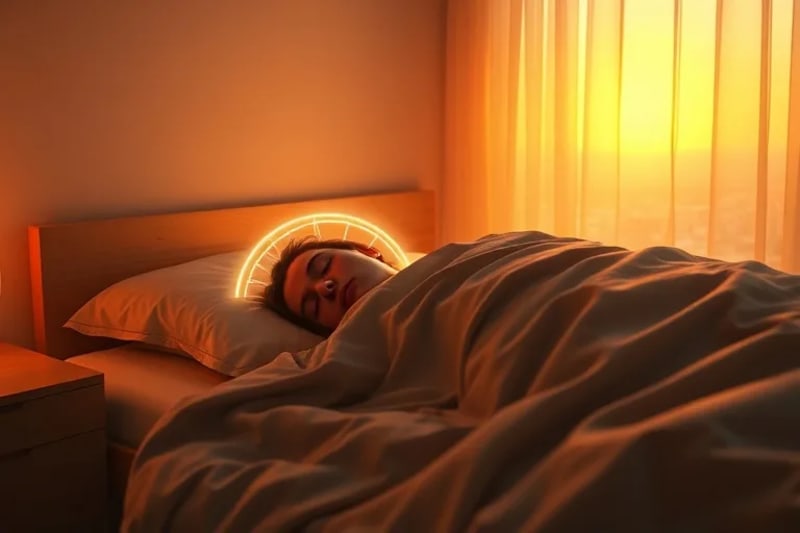
Precursors to enhanced human vitality, advanced sleep technologies, and conceptual frameworks that shape the future of restorative rest.
Fuente visual sujeta a disponibilidad del ecosistema: Wikimedia Commons bajo licencia CC BY-SA 4.0 o renderizado conceptual IA.
Table of Contents
- What is Deep Sleep Biohacking?
- The Science of Deep Sleep and Chronobiology
- Cellular Recovery: The Nightly Rejuvenation
- Deep Sleep and Longevity: A Powerful Connection
- Practical Biohacking Strategies for Deep Sleep
- Tools and Technologies for Sleep Optimization
- Challenges and Considerations
What is Deep Sleep Biohacking?
Deep sleep biohacking refers to the practice of using science-based strategies and technologies to optimize the quality and duration of deep sleep. Unlike simply aiming for a certain number of hours, biohacking focuses on enhancing the restorative phases of sleep, particularly slow-wave sleep (SWS), which is crucial for physical and mental restoration. This involves understanding individual physiological responses and tailoring interventions accordingly.
The core philosophy behind deep sleep biohacking is to take an active role in managing one's biology to achieve peak performance and health. This extends to sleep, recognizing it as a critical pillar of health, alongside nutrition and exercise. By systematically identifying and addressing factors that impede deep sleep, biohackers aim to maximize the body's natural healing and regenerative capabilities, leading to improved daytime function and long-term vitality.
The Science of Deep Sleep and Chronobiology
Deep sleep, or slow-wave sleep (SWS), is characterized by high-amplitude, low-frequency delta waves in the brain. During this stage, brain activity significantly slows down, allowing for critical processes such as memory consolidation, waste product removal (glymphatic system activity), and growth hormone release. It is the most physically restorative stage of sleep, essential for muscle repair and immune system strengthening.
Chronobiology, the study of biological rhythms, plays a pivotal role in understanding deep sleep. Our bodies operate on a roughly 24-hour cycle known as the circadian rhythm, which dictates our sleep-wake patterns, hormone production, and metabolic functions. Disruptions to this rhythm, often caused by irregular sleep schedules, artificial light exposure, or shift work, can severely impair deep sleep quality. Aligning our daily routines with our natural circadian clock is a cornerstone of effective sleep biohacking.
The suprachiasmatic nucleus (SCN) in the hypothalamus acts as the body's master clock, synchronizing various physiological processes with external cues like light and darkness. Melatonin, a hormone produced by the pineal gland, is crucial for signaling darkness and promoting sleep. Understanding these intricate mechanisms allows for targeted interventions, such as optimizing light exposure and timing meals, to support a robust circadian rhythm and enhance deep sleep architecture.
Cellular Recovery: The Nightly Rejuvenation
During deep sleep, the body undergoes an intensive period of cellular repair and regeneration. This is when tissues are mended, muscles recover from daily strain, and the brain clears out metabolic byproducts that accumulate during wakefulness. Growth hormone, vital for cell growth and repair, is predominantly released during SWS, making this stage indispensable for physical recovery and athletic performance.
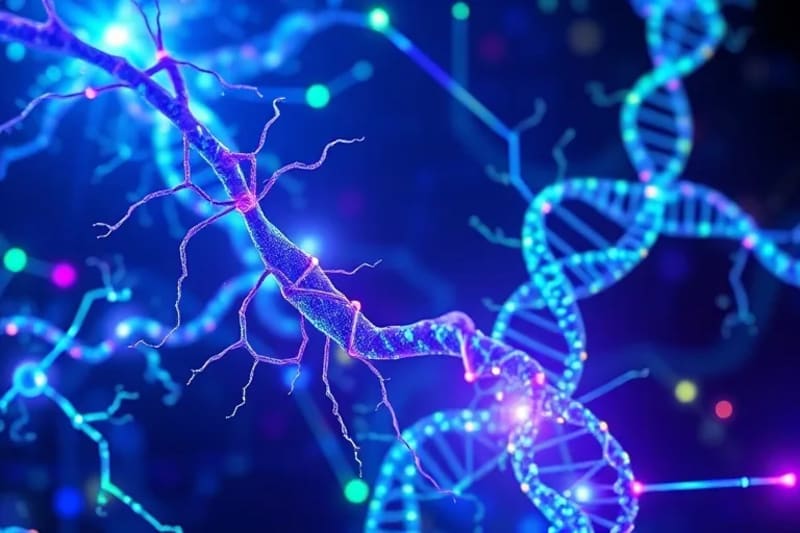
The intricate dance of cellular repair and regeneration, a hallmark of restorative deep sleep.
The glymphatic system, often referred to as the brain's waste removal system, becomes highly active during deep sleep. It flushes out neurotoxic waste products, including beta-amyloid, a protein associated with Alzheimer's disease. Consistent, high-quality deep sleep is therefore a critical factor in Alzheimer's prevention and overall brain health. Disruptions to this process can lead to cognitive decline and increased risk of neurodegenerative diseases.
Beyond physical repair, deep sleep also plays a crucial role in immune function. Studies have shown that adequate deep sleep enhances the production of cytokines, proteins that combat inflammation and infection. A well-rested immune system is better equipped to defend against pathogens, highlighting the holistic benefits of prioritizing this vital sleep stage.
Deep Sleep and Longevity: A Powerful Connection
The link between deep sleep and longevity is increasingly being recognized by scientific research. Chronic sleep deprivation and poor sleep quality are associated with a higher risk of various age-related diseases, including cardiovascular disease, diabetes, and certain cancers. Conversely, consistent deep sleep supports cellular health, reduces oxidative stress, and maintains telomere length, all factors implicated in healthy aging.
Hormonal regulation during deep sleep is also critical for longevity. Optimal levels of growth hormone and balanced cortisol levels contribute to metabolic health and reduce systemic inflammation, both of which are key to extending healthspan. Furthermore, deep sleep's role in maintaining cognitive function directly impacts quality of life in later years, allowing individuals to remain sharp and engaged.
By actively biohacking deep sleep, individuals are not just improving their immediate well-being but are making a significant investment in their future health. This proactive approach to sleep optimization can potentially add years of healthy, vibrant life, transforming the conventional understanding of aging.
Practical Biohacking Strategies for Deep Sleep
Implementing deep sleep biohacking involves a combination of lifestyle adjustments and targeted interventions. These strategies aim to optimize the body's natural sleep mechanisms and create an ideal environment for restorative rest.
- Circadian Rhythm Alignment: Maintain a consistent sleep schedule, even on weekends. Expose yourself to bright natural light in the morning and minimize blue light exposure (from screens) several hours before bedtime.
- Environmental Optimization: Ensure your bedroom is dark, quiet, and cool (ideally between 18-20°C or 65-68°F). Consider blackout curtains, earplugs, and a white noise machine if necessary.
- Nutrition and Hydration: Avoid heavy meals, caffeine, and alcohol close to bedtime. Some individuals find that a diet rich in magnesium, tryptophan, and complex carbohydrates supports sleep. Plant-based nutrition can offer significant benefits for overall health and sleep quality. Conversely, understanding patterns of aberrant eating behavior can also shed light on how diet impacts sleep.
- Stress Management: Chronic stress elevates cortisol, which can disrupt sleep. Incorporate relaxation techniques like meditation, deep breathing, or gentle yoga into your daily routine.
- Exercise Timing: Regular physical activity improves sleep quality, but intense exercise too close to bedtime can be stimulating. Aim to finish strenuous workouts at least 3-4 hours before sleep.
- Supplementation: Certain supplements like magnesium, L-theanine, GABA, or low-dose melatonin can be considered, but always consult with a healthcare professional before starting any new regimen.
Tools and Technologies for Sleep Optimization
Modern technology offers a range of tools to monitor, analyze, and enhance deep sleep. These devices provide valuable data and can help individuals fine-tune their biohacking strategies.
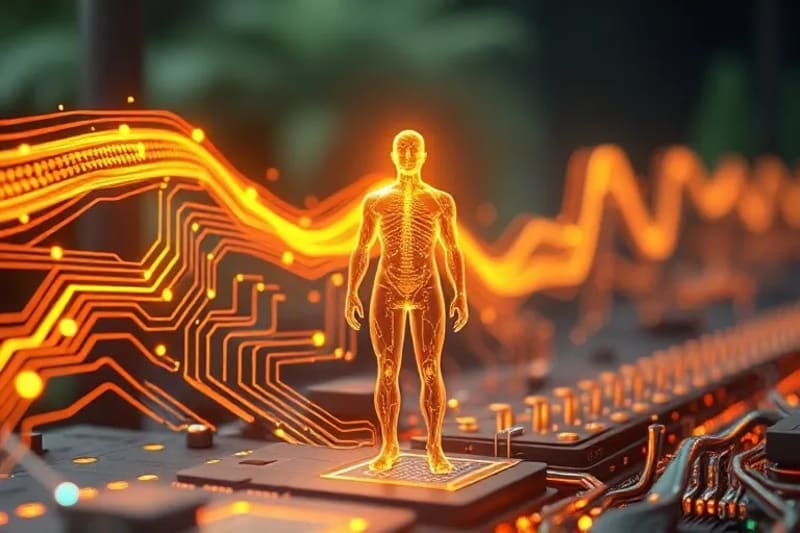
Technological advancements and conceptual tools that empower personalized sleep optimization.
- Wearable Sleep Trackers: Devices like smartwatches or rings can track heart rate variability, sleep stages (light, deep, REM), and movement, providing insights into sleep quality.
- Smart Beds and Mattresses: These can adjust firmness, temperature, and even provide gentle vibrations to optimize comfort and promote deeper sleep.
- Brainwave Entrainment Devices: Headbands or sound machines that emit specific frequencies (e.g., binaural beats) aim to guide brain activity into deep sleep states.
- Light Therapy Lamps: Used in the morning to reset circadian rhythms, especially beneficial for those with seasonal affective disorder or irregular schedules.
- Temperature Regulation Systems: Cooling pads or smart thermostats can maintain an optimal sleep temperature, which is crucial for deep sleep initiation and maintenance.
- Personalized Nutrition and Sleep: Advanced insights from precision nutrition can help tailor dietary recommendations to individual genetic profiles, further optimizing sleep and overall health.
Challenges and Considerations
While deep sleep biohacking offers significant potential, it's important to approach it with a balanced perspective. Not all strategies work for everyone, and individual responses can vary widely. Over-reliance on technology without addressing fundamental lifestyle factors can be counterproductive.
It is crucial to consult with healthcare professionals, especially if you have underlying sleep disorders like insomnia or sleep apnea. Biohacking should complement, not replace, professional medical advice. Furthermore, the market for sleep-enhancing products is vast, and critical evaluation is necessary to distinguish between scientifically backed solutions and unproven gadgets.
Ultimately, deep sleep biohacking is a journey of self-experimentation and continuous learning. By combining scientific knowledge with personalized strategies and a critical mindset, individuals can significantly improve their sleep quality, leading to a healthier, more energetic, and potentially longer life.
Related Searches
- Alzheimer Prevention: Scientific Advances, Lifestyle Strategies
- Plant-Based Nutrition: Health and Planet Benefits
- Precision Nutrition: Genetics, Lifestyle, and Health
- Aberrant Eating Behavior: A Comprehensive Guide
- Urban Ecology: Designing Green Sustainable Cities
- Microplastics: Invisible Threat, Health and Planet Impact
- Artificial Intelligence Ethics: Algorithmic Biases, Social Responsibility
- Microloans Collective Financing: Boosting Entrepreneurs Projects
- Inclusive Sports: Athletes with Disabilities in Competitions
- Air Pollution Monitoring Technologies in Cities
Source: Hybrid content assisted by AI and human editorial supervision.


Comentarios