
Smartphones Wearables: Personalized Preventive Medicine Tools
The landscape of healthcare is undergoing a profound transformation, shifting from a reactive model focused on treating illness to a proactive paradigm centered on prevention and personalized well-being. At the forefront of this revolution are smartphones and wearable devices, which have evolved from mere communication tools and fitness trackers into sophisticated instruments for continuous health monitoring and personalized medical insights. These technologies empower individuals to take an active role in managing their health, offering unprecedented access to personal biometric data and actionable recommendations.
The convergence of advanced technology and human well-being is redefining healthcare, emphasizing proactive and personalized approaches.
This shift is driven by advancements in sensor technology, artificial intelligence, and data analytics, enabling these devices to collect, process, and interpret vast amounts of health information. From tracking sleep patterns and heart rates to monitoring glucose levels and activity, smartphones and wearables provide a continuous stream of data that can be leveraged for early detection of health issues, chronic disease management, and overall wellness optimization. Understanding their capabilities and implications is crucial for navigating the future of health.
Table of Contents
- The Dawn of Personalized Preventive Medicine
- Smartphones: Your Pocket-Sized Health Hub
- Wearable Technology: Continuous Monitoring for Proactive Health
- Leveraging Data and AI for Tailored Prevention Strategies
- Challenges and Ethical Considerations in Digital Health
- The Future Landscape of Preventive Healthcare
The Dawn of Personalized Preventive Medicine
Preventive medicine traditionally focuses on population-level interventions, such as vaccinations and public health campaigns. While effective, this approach often overlooks the unique physiological and lifestyle factors that influence individual health outcomes. Personalized preventive medicine, in contrast, tailors interventions to each person's specific genetic makeup, environment, and daily habits, aiming to mitigate risks before diseases manifest.
The advent of digital health technologies, particularly smartphones and wearables, has made this highly individualized approach not only feasible but increasingly accessible. These devices gather real-time data, providing a dynamic snapshot of an individual's health status that can inform highly specific preventive strategies. This shift represents a fundamental change in how we perceive and manage health, moving towards a more proactive and empowering model.
The core principle is to identify risk factors early and intervene effectively, preventing the onset or progression of chronic conditions. This includes everything from encouraging healthier lifestyle choices based on activity levels to detecting subtle physiological changes that might signal an impending health issue. The integration of these tools into daily life is transforming health management into an ongoing, data-driven process.
Smartphones: Your Pocket-Sized Health Hub
Smartphones are no longer just communication devices; they have become central to our digital lives, including our health management. Equipped with powerful processors, high-resolution screens, and an array of sensors, they serve as the primary interface for many digital health applications and services. Their ubiquity makes them an ideal platform for delivering personalized preventive care on a massive scale.
Modern smartphones can track basic activity, such as steps taken and distance covered, through their integrated accelerometers and GPS. Beyond these basic functions, they connect to a vast ecosystem of health apps that offer features like calorie tracking, medication reminders, mental health support, and even remote consultations with healthcare professionals. This accessibility democratizes health information and empowers users with tools for self-monitoring.
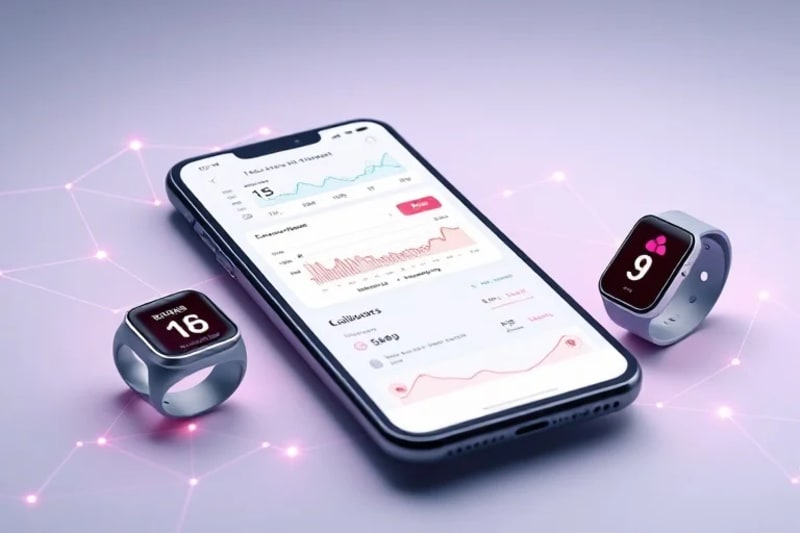
Smartphones act as central hubs, consolidating data from various wearables into comprehensive health dashboards.
Furthermore, smartphones act as the central processing unit for data collected by various wearable devices. They aggregate this information, present it in an understandable format, and often use algorithms to provide personalized insights and recommendations. This integration creates a holistic view of an individual's health, facilitating informed decision-making and proactive interventions. For instance, an app might analyze sleep data from a wearable and suggest improvements based on established sleep hygiene principles.
The ability of smartphones to connect to cloud services also allows for seamless sharing of health data with healthcare providers, with appropriate consent. This can enhance the quality of care, enabling doctors to monitor patient progress remotely, adjust treatment plans, and intervene promptly when necessary. The continuous flow of data supports a more dynamic and responsive healthcare model, moving beyond episodic clinic visits.
Wearable Technology: Continuous Monitoring for Proactive Health
Wearable devices, ranging from smartwatches and fitness trackers to smart rings and continuous glucose monitors, are designed for discreet, continuous data collection. Unlike traditional medical devices that require specific interaction, wearables seamlessly integrate into daily life, providing a constant stream of physiological metrics. This uninterrupted monitoring is invaluable for preventive medicine, as it can detect subtle deviations from baseline health before they become critical.
Key metrics tracked by wearables include heart rate, heart rate variability, sleep stages, skin temperature, blood oxygen saturation, and activity levels. Some advanced wearables can even perform electrocardiograms (ECGs) to detect atrial fibrillation or monitor blood pressure. These capabilities allow for early detection of potential cardiovascular issues, sleep disorders, and even the onset of viral infections, offering a window for timely intervention.
- Heart Rate Monitoring: Continuous tracking can identify abnormal heart rhythms or trends that may indicate underlying cardiovascular conditions.
- Sleep Tracking: Analysis of sleep stages (REM, deep, light) and duration helps identify sleep disorders and their impact on overall health.
- Activity Tracking: Encourages physical activity by setting goals and providing feedback, crucial for preventing obesity and related diseases.
- Temperature Sensors: Can detect subtle changes in body temperature, potentially signaling the onset of illness.
- Blood Oxygen: Monitoring SpO2 levels can be vital for individuals with respiratory conditions or during high-altitude activities.
The data collected by wearables, when combined with smartphone applications, forms a powerful ecosystem for personalized health management. For individuals managing chronic conditions like diabetes, continuous glucose monitors (CGMs) provide real-time blood sugar readings, allowing for immediate adjustments to diet and medication. This proactive management significantly reduces the risk of complications and improves quality of life. Learn more about IoT in Preventive Medicine.
Leveraging Data and AI for Tailored Prevention Strategies
The true power of smartphones and wearables in preventive medicine lies not just in data collection, but in the intelligent analysis of that data. Artificial intelligence (AI) and machine learning (ML) algorithms are crucial for transforming raw biometric information into actionable health insights. These technologies can identify patterns, predict risks, and personalize recommendations with a level of precision that human analysis alone cannot achieve.
AI-powered applications can analyze historical data to establish a personalized baseline for each user, then flag any significant deviations that might indicate a health concern. For example, a sudden drop in heart rate variability combined with changes in sleep patterns could be an early warning sign of stress or illness. These predictive capabilities enable individuals and their healthcare providers to intervene proactively, often before symptoms even appear.

AI and data analytics enable a holistic and integrated approach to individual health management and prevention.
Personalized health coaching, delivered through smartphone apps, is another significant application. Based on an individual's data, AI can suggest specific dietary changes, exercise routines, or stress reduction techniques. This adaptive guidance ensures that preventive strategies are relevant and effective for each user, promoting sustainable lifestyle modifications. The integration of AI also extends to medication adherence, sending timely reminders and tracking consumption patterns.
The aggregation of anonymized data from millions of users also contributes to broader public health insights. This large-scale data can help researchers identify emerging health trends, understand the efficacy of different interventions, and develop more effective preventive strategies for populations. The synergy between individual data and collective intelligence is a cornerstone of this new era of medicine.
Challenges and Ethical Considerations in Digital Health
Despite the immense potential of smartphones and wearables in preventive medicine, their widespread adoption and implementation come with significant challenges and ethical considerations. These issues must be addressed to ensure that digital health tools are equitable, secure, and beneficial for all users.
One of the primary concerns is data privacy and security. Health data is highly sensitive, and its collection, storage, and sharing must be protected against breaches and misuse. Robust encryption, secure cloud infrastructure, and clear consent mechanisms are essential. Users need to understand how their data is being used and have control over who can access it. This is a critical aspect of Personalized Digital Health and Privacy.
- Data Privacy: Ensuring that sensitive health information is protected from unauthorized access and exploitation.
- Data Accuracy: The reliability of data from consumer-grade devices can vary, impacting the accuracy of health insights.
- Digital Divide: Unequal access to technology and internet connectivity can exacerbate health disparities.
- Over-reliance: Potential for users to become overly dependent on technology, neglecting professional medical advice.
- Regulatory Frameworks: The need for clear guidelines on the development, validation, and use of digital health tools.
Another challenge is the potential for a "digital divide," where individuals without access to smartphones, wearables, or reliable internet connectivity are excluded from these advancements. This could widen existing health disparities, making it imperative to develop inclusive strategies that ensure equitable access to digital health tools. Furthermore, the accuracy and clinical validation of data from consumer-grade devices remain an area of ongoing research and improvement.
Ethical concerns also include algorithmic bias, where AI systems might perpetuate or amplify existing health inequalities if trained on unrepresentative data. There's also the risk of over-medicalization, where constant monitoring leads to anxiety or unnecessary interventions. Striking a balance between technological innovation and humanistic care is paramount. The role of Quantum Cybersecurity for Critical Infrastructures will be vital in protecting these sensitive health data systems.
The Future Landscape of Preventive Healthcare
The trajectory of personalized preventive medicine, powered by smartphones and wearables, points towards an increasingly integrated and intelligent healthcare ecosystem. Future developments will likely enhance the sophistication of these devices, expand their monitoring capabilities, and deepen their integration with professional medical systems. The goal is to create a seamless experience where health management is intuitive, continuous, and highly personalized.
Expect to see more advanced sensors capable of non-invasive monitoring of a wider range of biomarkers, such as continuous blood pressure, hydration levels, and even early detection of specific disease markers. Miniaturization and improved battery life will make wearables even more discreet and comfortable, encouraging greater adherence. The integration of these devices with smart home technologies could also create a comprehensive health-aware environment.
Artificial intelligence will become even more sophisticated, moving beyond pattern recognition to truly predictive and prescriptive analytics. AI models will learn from individual responses to interventions, continuously refining personalized health plans. This could lead to highly dynamic health recommendations that adapt in real-time to changes in lifestyle, environment, and physiological state, offering truly proactive care. The field of Precision Biohacking for Longevity is already exploring these frontiers.
The role of healthcare providers will also evolve, shifting from solely treating illness to becoming partners in health optimization. They will utilize the rich data streams from patient devices to offer more informed advice, conduct virtual consultations, and manage chronic conditions more effectively. This collaborative model promises to make healthcare more efficient, accessible, and centered around the individual's long-term well-being.
Ultimately, smartphones and wearables are not just tools; they are enablers of a new philosophy of health. They empower individuals with knowledge and control, fostering a culture of proactive health management. As these technologies continue to mature and overcome current challenges, they will play an increasingly vital role in shaping a healthier future for all.
Source: Hybrid content assisted by AIs and human editorial supervision.


Comentarios